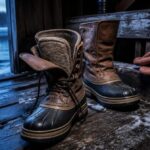
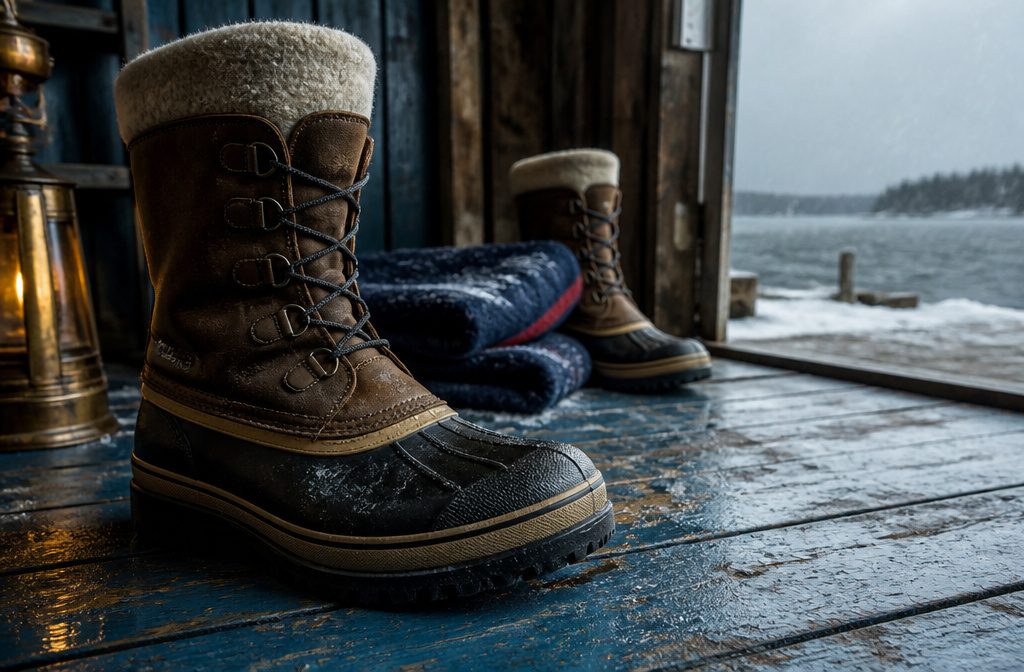
The SOREL Caribou wins at -40°F because the 9 mm felt liner holds heat whether you move or not.
Skip it if your winter stays mild or you need something light enough to hike in; this boot weighs over 5 pounds and runs roomy enough to feel clunky past the parking lot.
1. Extreme-Cold and Snow Boots
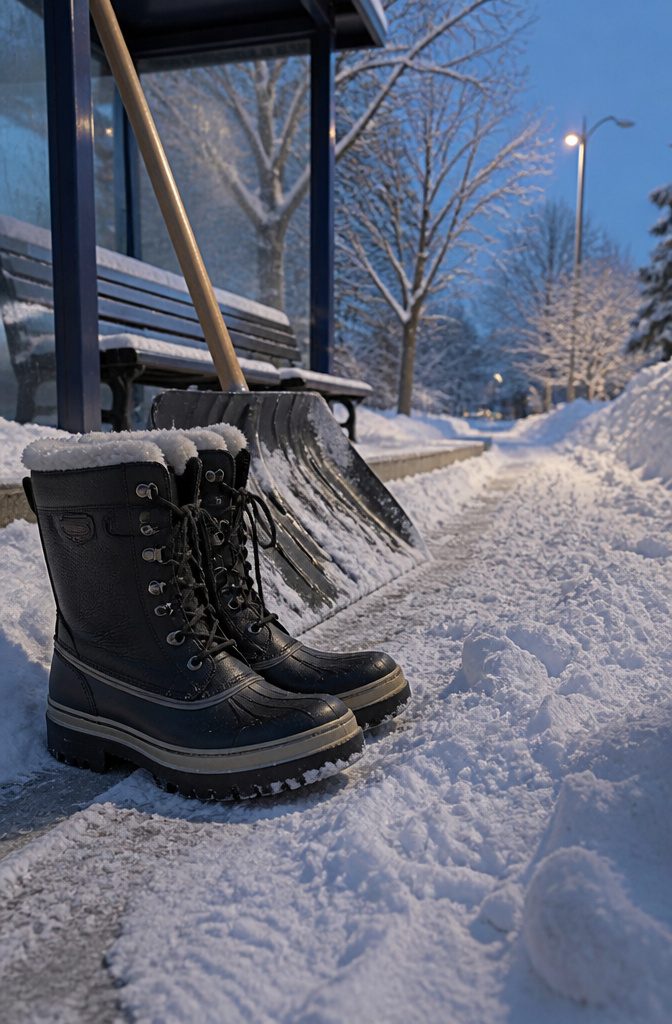
The SOREL Caribou is the standard for standing cold: rated to -40°F, field-tested down to -20°F with a 9 mm washable felt liner that pulls out when you need it dry by morning.
At 10 inches tall and just over 5 pounds for the pair, these are not hiking boots.
The fit runs roomy around the liner, which makes them clunky for distance but right for outdoor work, shoveling, or waiting at a bus stop when the windchill drops.
The SOREL Joan of Arctic adds two inches of shaft height and swaps in a 6 mm recycled felt liner you can replace after years of wear.
I would skip both if you need something light enough for trail miles or if your winter rarely breaks freezing.
For moderate cold and less bulk, the KEEN Revel IV Polar cuts weight at 8 inches and 3 pounds, though it gives up some warmth for the trade.
Recommended Products

WOOL BOOT LINERS: Made out of 75% Wool and 25% Synthetic Fibers. Boot Liners are 8mm thick for comfortable cushioning and come with heel reinforcements, “barn boot” style. Perfect for winter boots, rain boots, hunting boots and work boots.

WOOL BOOT LINERS: Made out of 75% Wool and 25% Synthetic Fibers. Boot Liners are 8mm thick for comfortable cushioning and come with heel reinforcements, “barn boot” style. Perfect for winter boots, rain boots, hunting boots and work boots..
WOOL BOOT LINERS: Made out of 75% Wool and 25% Synthetic Fibers. Boot Liners are 8mm thick for comfortable cushioning and come with heel reinforcements, “barn boot” style. Perfect for winter boots, rain boots, hunting boots and work boots..
2. Winter Hiking and Snowshoeing Boots
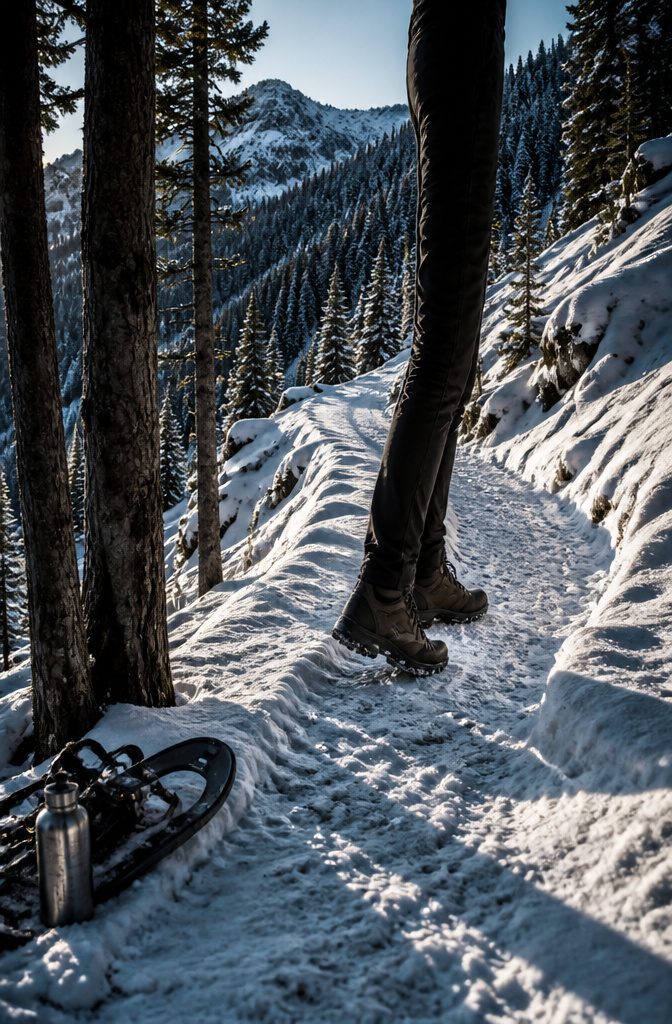
The North Face VECTIV Fastpack Insulated Mid strikes the balance most winter hikers want: 200 g Heatseeker insulation keeps you warm down to 10–20°F as long as you’re moving, but the 2 lb weight and 6.5-inch height feel closer to a trail shoe than a heavy boot.
The rocker midsole and TPU plate handle uneven ground without the clunk, and the heel knob keeps snowshoe straps from sliding down during climbs.
For slower travel or deeper cold where you’re standing still, the Salomon Crosstrak Powder adds warmth to zero degrees and a taller 7.25-inch shaft, though at 2 lb 8 oz it trades some speed for coverage.
The Oboz Bridger 9" Insulated B-DRY brings 400 g Freeze Guard insulation and non-slip grip on ice, but the extra height and weight make more sense for mixed terrain than long trail days.
Skip all three if you need a boot for standing around in bitter cold rather than covering miles, or if you’re breaking trail through snow deep enough to overtop a mid-height collar.
Recommended Products

Warm Waterproof Material & Winter Protection: Designed with water resistant upper and cozy faux fur lining, casual snow boots for women 2026 keep feet warm, dry and comfortable in cold weather. Non slip womens snow boots feature soft insulation and cushioned memory foam insole to reduce walking fatigue, making them ideal for snowy days, freezing temperatures and everyday outdoor wear.

Warm Fur Lining: These snow boots for women feature soft and warm short plush lining that completely wraps your feet, keeping them warm and comfortable all winter long.

WATERPROOF: Stay dry in any weather with these waterproof seam-sealed membrane bootie construction. Designed to keep your feet protected from rain and snow
3. Everyday, Walking, or Trail-to-Town Boots
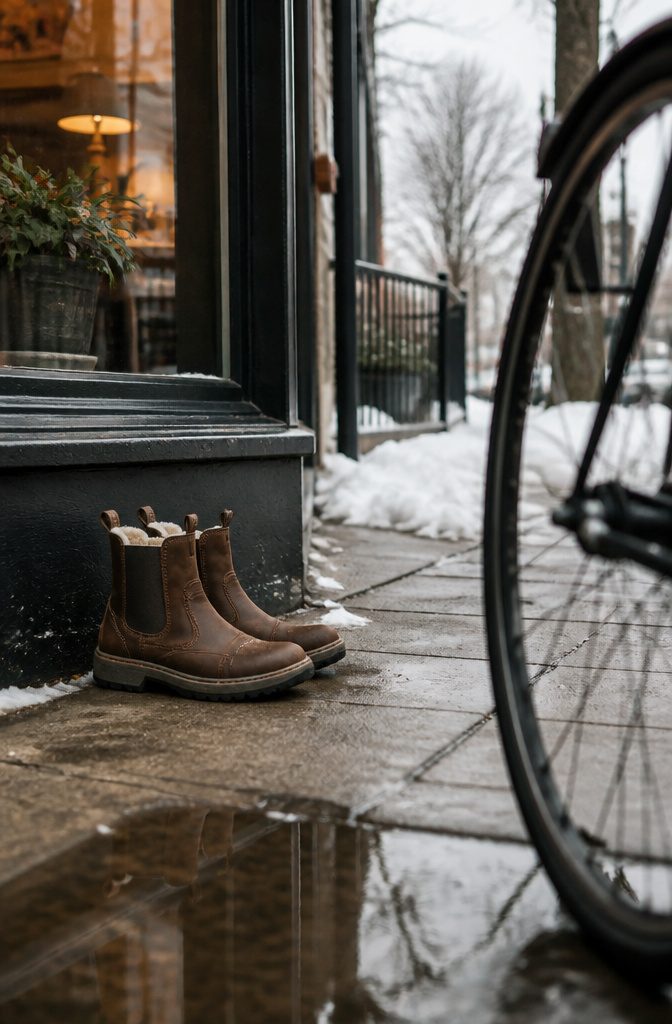
L.L.Bean’s 8" Bean Boots are the baseline here, order down half a size if you’re between sizes and wearing light to midweight socks.
The leather needs breaking in before any serious walking; stiff out of the box, it settles after a few wears but won’t love you on a five-mile trail hike.
Around town, across parking lots, or out to the dock, they hold up and look the part. The fit runs large, the boot itself is heavy at just over 2 pounds, and the shallow lug pattern grips pavement better than ice.
Blundstone Thermals weigh about the same and slip on faster.
Thinsulate and sheepskin insoles handle light cold, but you’ll want thick socks below 20°F. The sole doesn’t bite into loose snow or glare ice, so save these for sidewalks and grocery runs.
The leather dries out if you skip conditioning, and the insole compresses after a few months of daily wear.
Columbia’s Fairbanks sits at $130 with 200g synthetic insulation and a reflective lining. At 2 pounds 4 ounces, it’s built for short trails that end at coffee, not multi-hour slogs in single digits.
Recommended Products

B-DRY WATERPROOFING: The breathable membrane blocks outside moisture while allowing vapor to escape, making these waterproof snow boots suitable for slush, wet snowfall and changing winter weather.
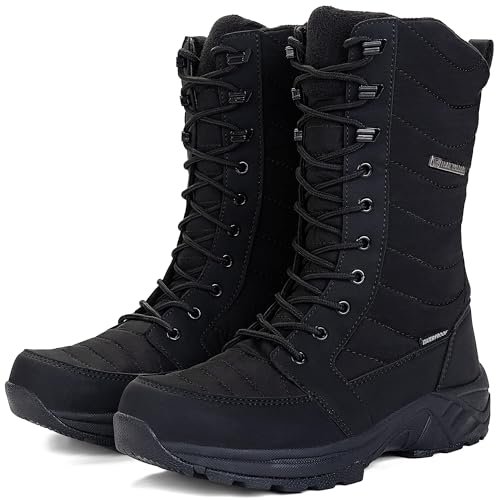
The upper of winter boots for women is made of waterproof synthetic leather and textile fabric. The waterproof membrane prevents water from entering and volatilizes water vapor.

Snow boot featuring a woven collar with dual adjustable buckle straps;
4. Wet-Weather Boots
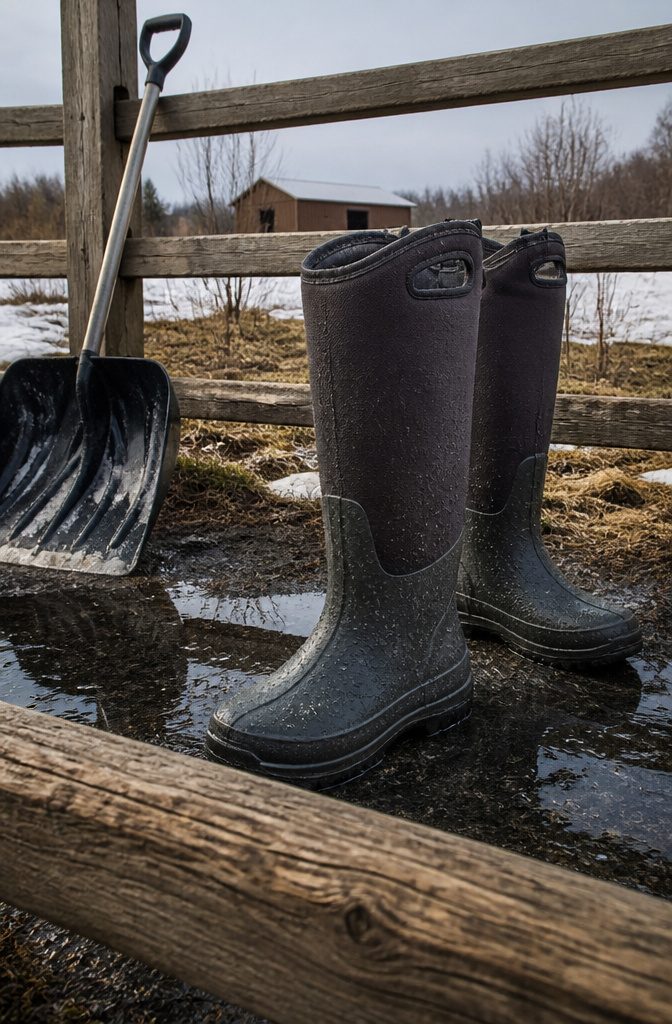
The BOGS Bozeman Tall handles wet and cold better than most winter boots you’ll find. The shaft stands 15 inches tall and uses 7 mm Neo-Tech neoprene for insulation that holds warmth even when soaked.
A rubber lower pairs with seamless neoprene construction to keep water out entirely, which matters when you’re standing in slush or snow that’s melting under your boots.
The midsole gives real support, and cushioning at the heel keeps your foot from sliding around inside.
At 4 pounds for the pair, these boots are heavy enough that I wouldn’t pick them for a day hike or anything requiring quick footwork. They’re built for standing: outdoor work, shoveling, feeding animals in the cold.
Skip these if you need something lighter for trail miles or if your winters stay dry.
The top handles can let snow fall inside the shaft, and the bulk works against you anytime you’re moving fast or covering distance on foot.
Recommended Products

COLD-WEATHER CLASSIC: The Men's Bergen Leather Waterproof Boot blends rugged style with practical protection, offering insulated warmth and waterproof performance from icy commutes to snowy trail walks.

VERSATILE WINTER HIKING BOOTS: The light and comfortable Men's Chilkat V Lace Waterproof Boots are a classic winter workhorse, featuring HEATSEEKER insulation and compression-molded EVA midsoles for added warmth and long-lasting cushioning.

VERSATILE WINTER HIKING BOOTS: The light and comfortable Men's Chilkat V Lace Waterproof Boots are a classic winter workhorse, featuring HEATSEEKER insulation and compression-molded EVA midsoles for added warmth and long-lasting cushioning.
5. Affordable Winter Boots
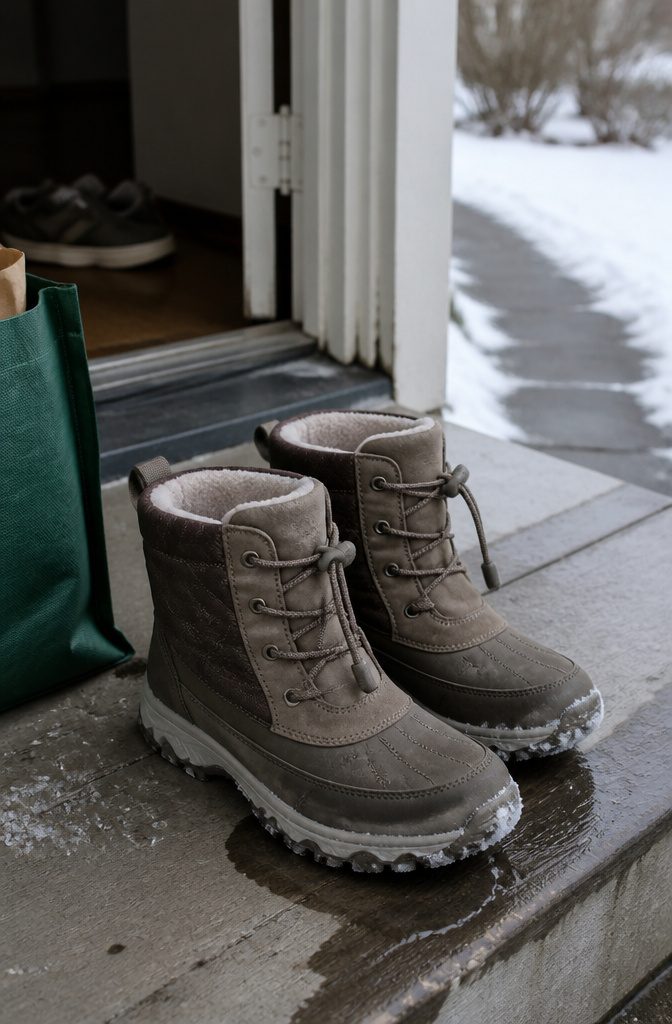
The Columbia Ice Maiden II shows up between $45 and $110 depending on color, and that range puts a decent boot within reach if your winter means errands, dog walks, and the occasional week at a ski town rather than backcountry trips or months of below-zero commuting.
It carries 200 grams of insulation, a microfleece liner, and a waterproof upper in suede and nylon, enough to handle snow and moderate cold without the bulk of expedition-grade boots.
The Columbia Fairbanks runs $130 and adds Omni-heat reflective lining for a bit more warmth retention.
The tradeoff at this price is straightforward: traction on ice could be better, and these boots are not built to outlast multiple hard seasons or handle extreme cold.
Skip them if your winter involves serious hiking, temperatures well below freezing for long stretches, or you need a single pair to last five years of daily wear.
Recommended Products

This product is intended for severe wet conditions. Made with PFAS chemicals

CONSCIOUSLY CREATED & MATERIAL: KEEN sources hides from Leather Working Group certified tanneries; Environmentally preferred DWR helps prevent leather from drying out; Premium leather; Warm fleece lining
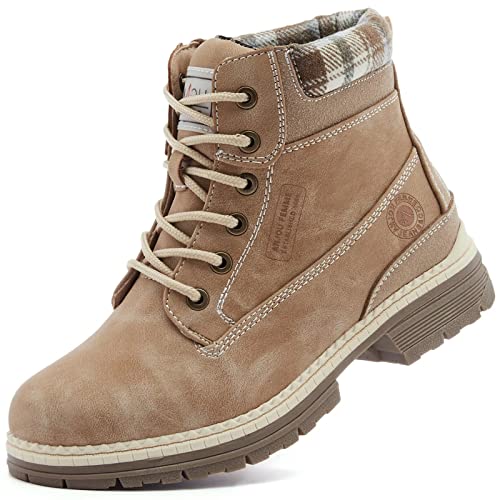
All-Weather Warrior & Day-Long Comfort: Crafted with a waterproof PU outer material, these boots keep your feet dry in sudden rain showers or light snow. The breathable plaid fabric lining wicks away moisture, ensuring a comfortable, non-sweaty feel whether you're running errands or on a long walk. They are your go-to boots for unpredictable weather.
Warmth and Insulation by Use Case
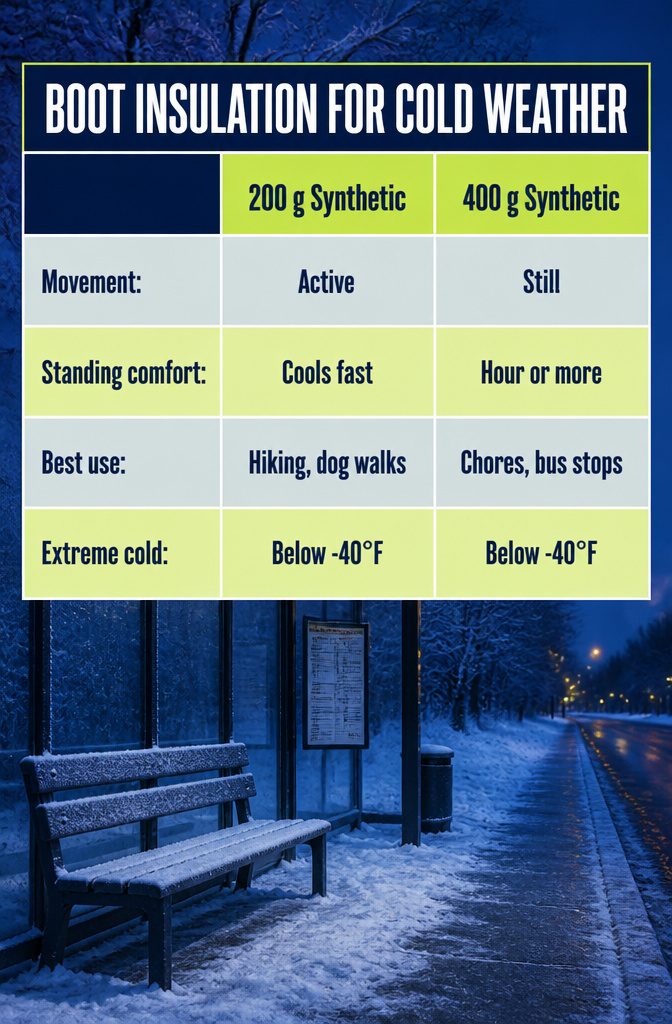
Warmth needs split on movement. The 200 g synthetic insulation in boots like the Timberland Premium 6-Inch or SOREL Winter Carnival holds up in single-digit cold as long as you keep moving, hiking, snowshoeing, walking the dog.
Stand still for any length of time and your feet cool fast.
Step up to 400 g insulation for outdoor chores, waiting at the bus stop, or watching a game from the sidelines; the extra fill buys you an hour or more of standing comfort in the same cold.
Extreme cold, the kind that dips to -40°F or below, calls for felt or neoprene liners: the SOREL Caribou uses a 9 mm felt inner boot, the Muck Boots Arctic Ice Tall wraps feet in 8 mm neoprene rated to -60°F. Both trap heat whether you move or not, though breathability disappears and the boots run warm enough that moderate cold makes them overkill.
Traction and Ice Grip
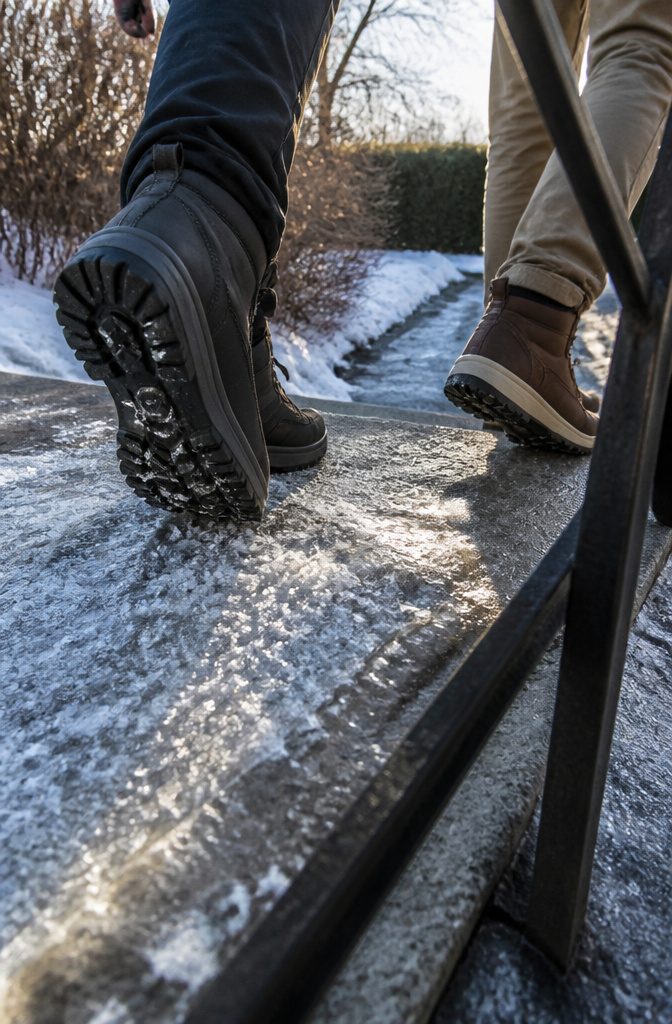
Ice demands more from a boot than fresh powder does. The Salomon Crosstrak Powder offers the most aggressive traction in this lineup, with wraparound midsole lugs that bite into variable terrain, icy sidehills, packed trails, loose snow, without hesitation.
That tread pattern proved itself on Alaskan backcountry approaches where a slip means more than wet socks.
For non-technical use where ice is the main concern, morning commutes, shoveling, dog walks, the Oboz Bridger 9" delivers excellent grip on slippery surfaces without the trail-specific overkill.
The difference comes down to lug depth and spacing: deeper, more widely spaced lugs shed snow and grab uneven ice, while tighter patterns work better on flat, frozen pavement.
The Bridger handles both but leans toward the latter, which is why it shows up as often on city sidewalks as it does on snowshoe trails.
Recommended Products

Warm Plush Lining: These womens winter boots for vacation feature a luxuriously soft plush lining and insole that insulate your feet from the cold, keeping you warm and comfortable all winter long.

Snow boot featuring a woven collar with dual adjustable buckle straps;

COMFORTABLE CUSHIONING FOR ALL-DAY WEAR: Women's snow boots are designed with a plush fur lined interior that wraps your feet in softness from the moment you slip them on. The cushioned footbed provides gentle support with every step, helping to reduce fatigue whether you're walking through the airport, running errands around town, or enjoying a casual day out. Lightweight construction ensures these booties won't weigh you down, while the cozy lining keeps your feet feeling comfortable.
Fit, Sizing, and Sock Considerations
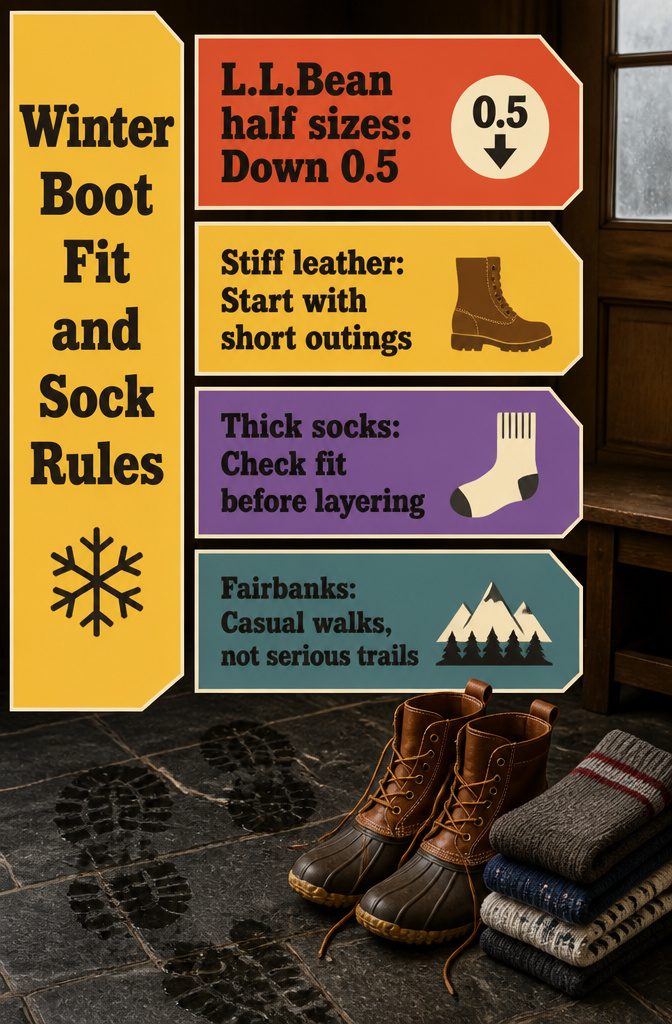
Most winter boots run true to size, but a few models feel roomier or stiffer than expected.
L.L.Bean duck boots, for instance, fit generously enough that half sizes should order 0.5 sizes down if you wear light or midweight socks.
The leather starts stiff and takes time to break in, so plan on shorter outings at first rather than an all-day hike straight out of the box.
Thick winter socks change everything. Columbia Fairbanks boots work well with heavy socks in moderately cold weather, staying breathable enough that your feet won’t overheat during active use.
Their relaxed fit and flexibility make them better for casual wear and leisurely walks than for snowshoeing or serious trails, where a stiffer, more supportive boot holds up better.
If a boot feels snug in the store with standard socks, it won’t fit once you layer up for single-digit temperatures.
Recommended Products
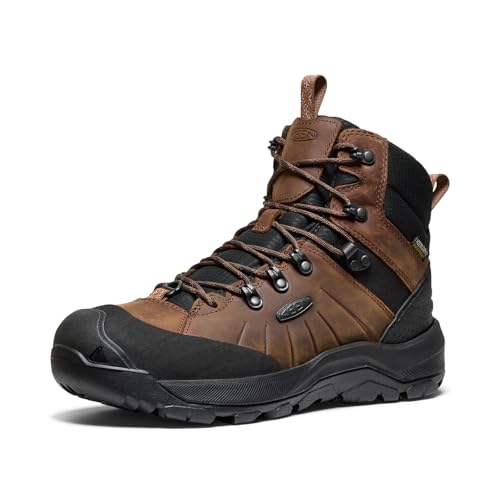
WATERPROOF & INSULATED: KEEN.DRY breathable membrane keeps feet dry and comfortable by allowing vapor out without letting water in; KEEN.WARM rated -25°F/-32°C made with recycled plastic bottles works with thermal heat shield footbed for all around warmth

B-DRY WATERPROOFING: The breathable membrane blocks outside moisture while allowing sweat vapor to escape, giving this waterproof snow footwear coverage for slush, wet trails and changing winter weather.
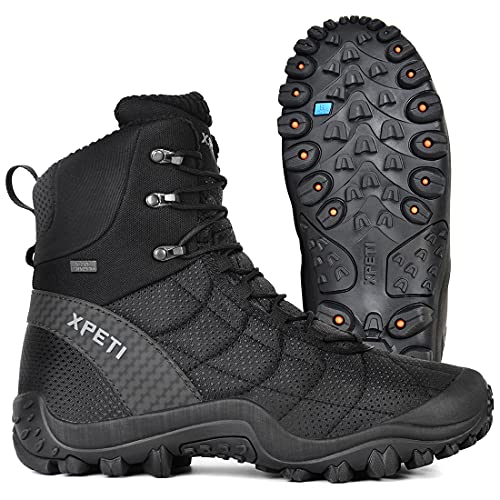
Temperature rated to -13°F/ -25°C.200 grams insulation with polar fleece.
Frequently Asked Questions
Recommended Products

WINTER HIKING BOOTS: Durable, insulated and feature-rich, the Men’s VECTIV Fastpack Insulated Waterproof Boots feature our innovative VECTIV platform for trail-tuned propulsion and rugged stability. These rugged boots are ready for adventure.

This product is intended for severe wet conditions. Made with PFAS chemicals

VERSATILE WINTER HIKING BOOTS: The light and comfortable Men's Chilkat V Lace Waterproof Boots are a classic winter workhorse, featuring HEATSEEKER insulation and compression-molded EVA midsoles for added warmth and long-lasting cushioning.
What are the warmest winter boots for extreme cold?
The SOREL Caribou rates to -40°F with a 9 mm felt liner and has been field-tested down to -20°F. For even deeper cold, the Muck Boots Arctic Ice Tall uses 8 mm neoprene rated to -60°F. Both trap heat whether you move or stand still, though neither breathes well enough for moderate temperatures.
How much insulation do I need in winter boots?
Use 200 g insulation for active wear like hiking or walking in single-digit cold, as long as you keep moving.
Step up to 400 g for outdoor work or standing around in the same temperatures. Extreme cold below -20°F calls for felt or neoprene liners instead of synthetic fill.
What winter boots have the best traction on ice?
The Salomon Crosstrak Powder offers the most aggressive traction in this group, with wraparound midsole lugs that bite into icy sidehills and packed trails. For sidewalks and non-technical use, the Oboz Bridger 9" grips slippery surfaces without trail-specific overkill.
Do winter boots run true to size?
Most do, but L.L.Bean duck boots fit generously enough that half sizes should order 0.5 sizes down with light or midweight socks.
Thick winter socks change fit across all models, so a boot that feels snug in the store won’t fit once you layer up for cold weather.
What are the best waterproof winter boots?
The BOGS Bozeman Tall uses 7 mm neoprene and a rubber lower with seamless construction to keep water out entirely, even when standing in slush or melting snow.
At 15 inches tall and 4 pounds for the pair, they handle wet conditions better than most winter boots but are too heavy for trail miles.
What are good affordable winter boots?
The Columbia Ice Maiden II runs $45 to $110 and handles snow and moderate cold with 200 g insulation and a waterproof upper.
Traction on ice could be better, and these boots won’t outlast multiple hard seasons, but they work for errands, dog walks, and occasional cold-weather trips.
What winter boots are best for hiking?
The North Face VECTIV Fastpack Insulated Mid balances warmth and weight at 2 pounds with 200 g insulation that works down to 10–20°F while moving.
The rocker midsole and 6.5-inch height feel closer to a trail shoe than a heavy boot, and the heel knob keeps snowshoe straps in place.