Go-go boots are low-heeled women’s boots that hit mid-calf or knee-high, first designed by André Courrèges in 1964.
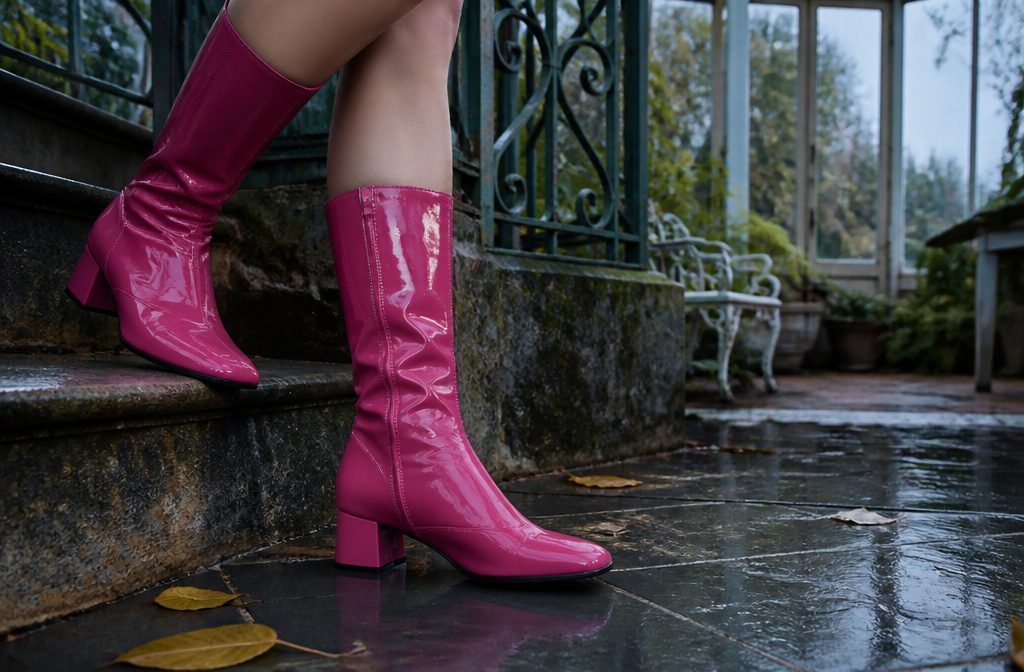
The original was white, flat-heeled, and mid-calf, though later versions added block heels and came in vinyl, patent leather, and colors from fuchsia to gold.
Nancy Sinatra made them a symbol of female power when she wore them for "These Boots Are Made for Walkin’" in 1966, and today you can find costume versions starting around $50 in sizes 5 to 16.
What Go-Go Boots Are
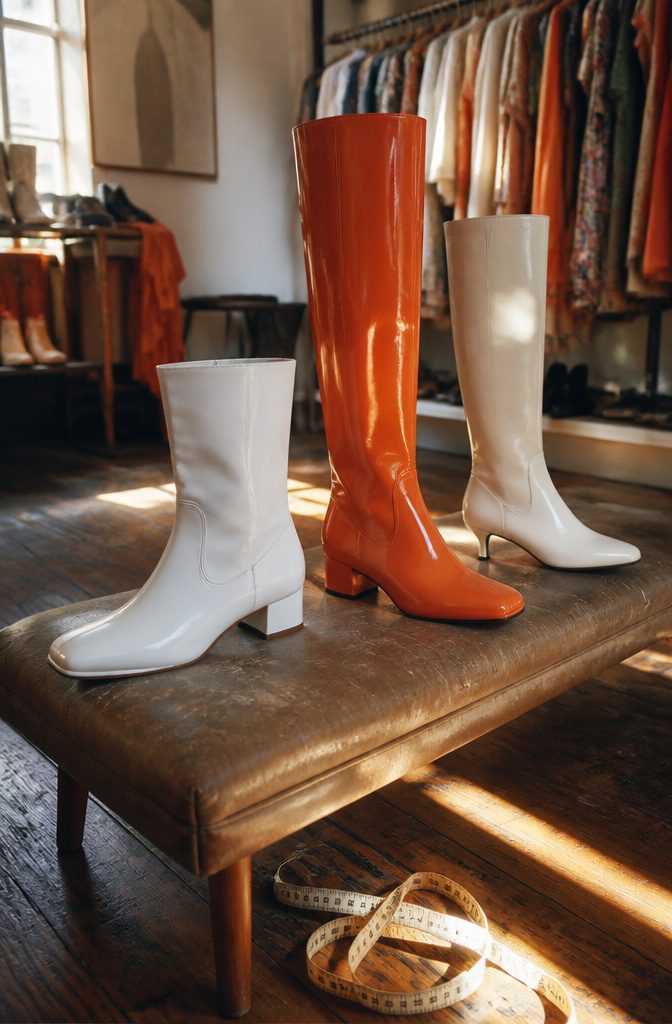
Go-go boots are a low-heeled women’s boot that first appeared in the mid-1960s.
André Courrèges introduced the original design in 1964: white, mid-calf, and flat-heeled. That specific cut is sometimes still called the Courrèges boot, though the term has widened since.
By the late 1960s, go-go boots included knee-high versions with block heels, and colors moved beyond white into vinyl and patent finishes. The heel stayed low but got chunkier.
Square toes became standard. Kitten heels showed up as a lighter alternative, though the block heel defined the look most people remember from the era.
Recommended Products

100% Vegan Premium Synthetic Leather Upper: Indulge In Guilt-Free Luxury With Our Mid-Calf Women's Cowboy Boots Crafted From High-Quality Italian Faux Leather. These Ankle To Mid Calf Boots Redefine Elegance With A Cruelty-Free Twist. Elevate Your Fashion Game While Embracing Sustainability, Because Women's Boots Should Not Only Exude Luxury But Also Reflect The Latest Trends In Ethical Fashion.

MATERIALS: Manmade pu or suede upper, squere toe, reinforced seams, side zipper, soft breathable thin suede lining, padded insole, anti-skid rubber outsole, sturdy block heels easy to walk in.
Where the Name Comes From
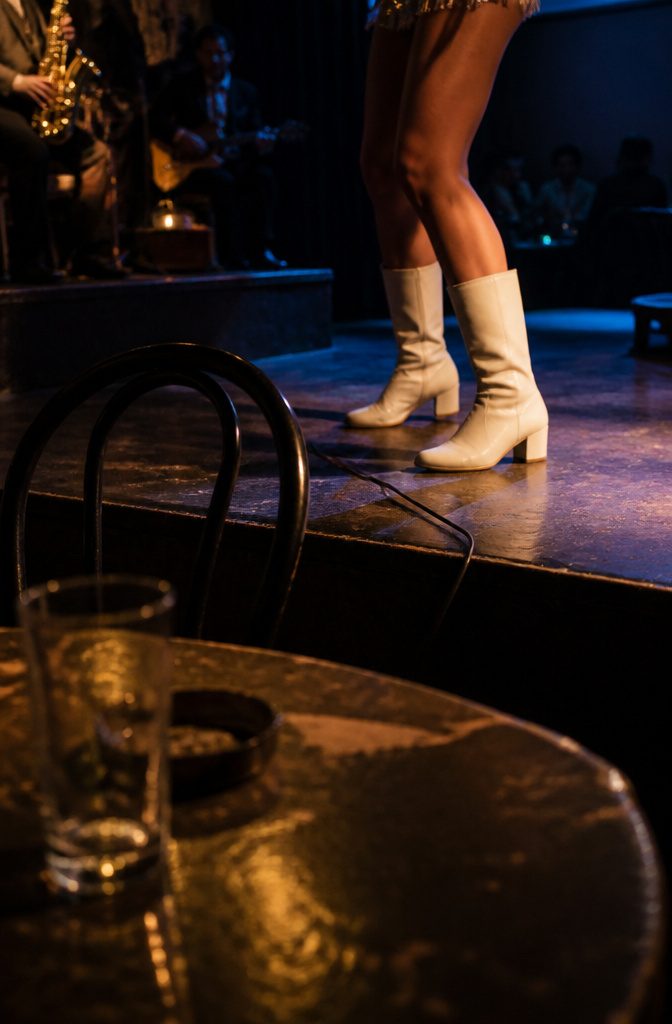
The term go-go comes from the French phrase à gogo, meaning "in abundance" or "galore". That phrase itself traces back to la gogue, an old French word for joy or happiness.
The term "go-go" has also been explained as a 1964 back-formation of the 1962 slang term "go", meaning something that was "all the rage"
Both origins likely fed the same moment: when go-go dancers hit nightclub stages in the mid-1960s, the boots followed.
The phrase "go-go dancer" first showed up in print in 1965, and the boot is thought to have taken its name directly from that dance style.
Whether it borrowed from French abundance or American slang for what was hot at the time, the name stuck to a look that was everywhere at once.
Recommended Products

COSTUME INCLUDES: White Go-Go Boots


Rose BOOTS: Manmade PU upper, soft breathable lining, non-slip rubber outsole, sturdy block heels easy to walk in.
How the Style Developed
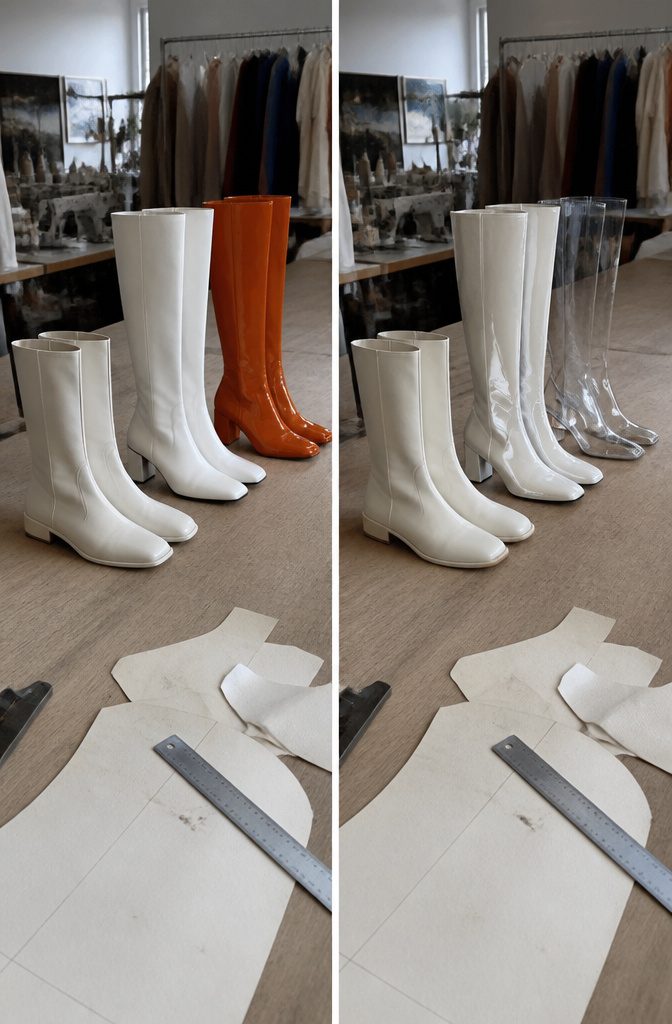
Fashion boots had mostly disappeared by the 1950s, replaced by pumps and flats, but André Courrèges brought them back in 1964 with a boot that sat mid-calf, came in white, and kept the heel low and flat.
The simplicity made reproductions easy, and knock-offs flooded the market almost immediately.
André Courrèges’s credited invention caught on so fast that designer Golo also created a go-go boot the same year, worn by Barbra Streisand and shot for Vogue in 1965.
The style shifted quickly. Later versions climbed higher up the leg, added chunkier heels while staying relatively low, and appeared in colors beyond white.
Courrèges used kidskin and patent leather in his originals, but the copies and later designs turned to PVC, vinyl, and other plastics, which cost less and took color more readily.
By 1966, Nancy Sinatra wore white go-go boots to perform "These Boots Are Made for Walkin’," and dancers on Hullabaloo and Shindig! wore the short white boots on screen, which led to some stores calling them "hullabaloo boots" in newspaper ads that January.
Recommended Products
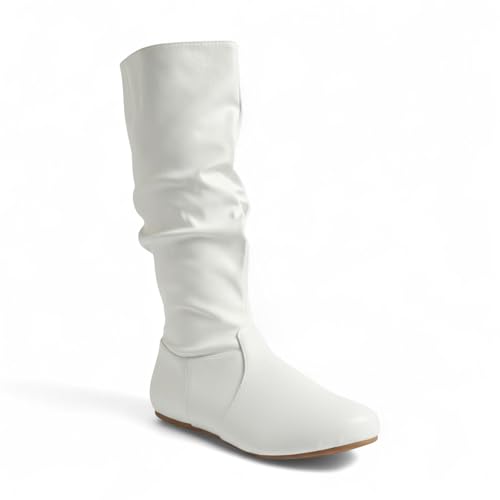
Easy on and off: These Mid-Calf boots for women are easy to put on and take off. Simply pull on and zip in to get your morning errands or evening outings started with style.


Unique Design: These mid calf features chunky stacked heels, wide calf, round toe, tiny side cut decoration, convenient side zipper, faux leather, crisscross ankle strap with metal buckle. Wrap your legs with soft leather to keep you warm
The Pop Culture Connection
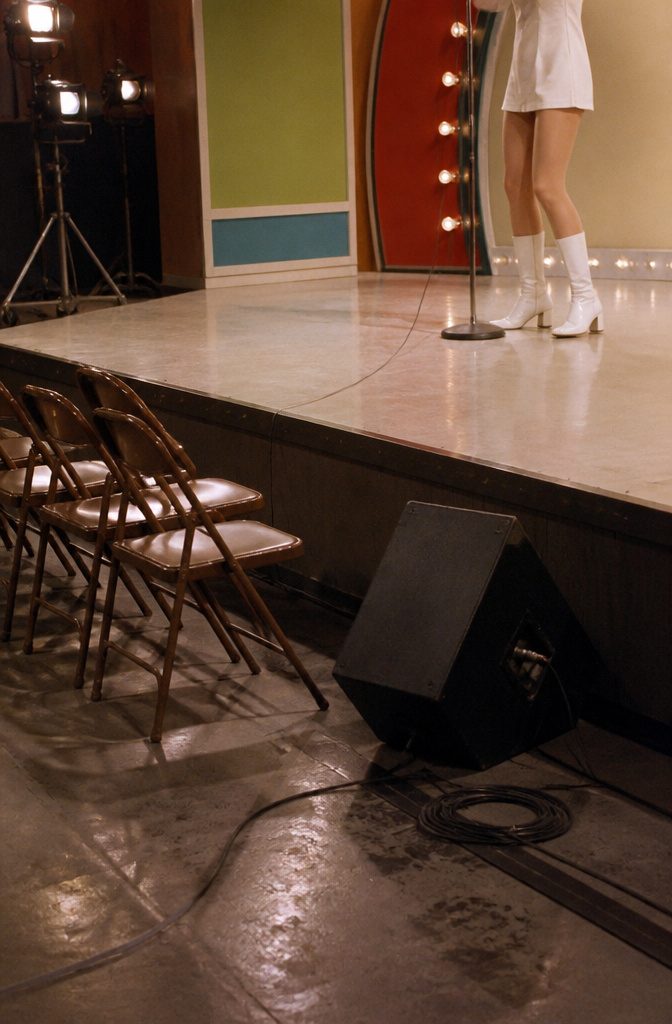
Nancy Sinatra released "These Boots Are Made for Walkin’" in 1966 wearing the boots herself, and Tim Gunn credits her with making them a symbol of female power rather than just a fashion piece.
The pairing of song and footwear worked: Sinatra took the boot from Courrèges runway samples to something American teenagers actually wanted.
Dancers on Hullabaloo and Shindig! wore the short white boots on screen, which led to the alternate name "hullabaloo boots."
A January 1966 newspaper advertisement called them exactly that, describing versions with kooky heels and zipper backs aimed at the "Go-Go Getter."
Barbra Streisand appeared in them earlier, photographed by Richard Avedon for Vogue’s August 1965 issue, though Sinatra remains the name most people remember when the subject comes up.
Recommended Products

Novelty go-go boot in glossy finish featuring chunky molded heel and split-toe stitching

Novelty go-go boot in glossy finish featuring chunky molded heel and split-toe stitching

Later Revivals
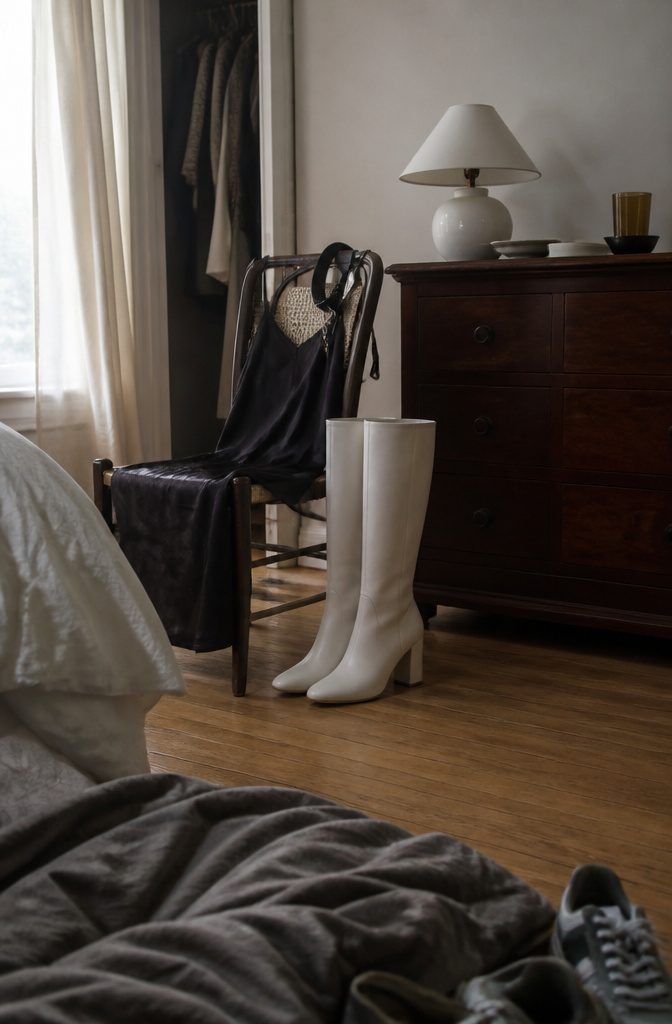
Go-go boots found their way back during the mid-1990s, when 1960s fashion made a broader return. The knee-high silhouette showed up in stores again, this time alongside slip dresses and chokers rather than mod miniskirts.
More recently, white boots resembling go-go style drew attention in October 2022 when Florida Governor Ron DeSantis wore a pair while touring areas hit by Hurricane Ian, a Category 5 storm.
The footwear choice sparked conversation online, proof that the look still registers as distinct enough to notice.
Recommended Products

Novelty go-go boot in glossy finish featuring chunky molded heel and split-toe stitching

WHITE BOOTS: Classic women's gogo boots with a square toe, glossy patent finish, and block heel. Inspired by iconic 60s 70s disco boots, add a bold retro touch to dresses, skirts, and festival outfits.

Gogo Boots Style: Wear these knee-high boots with just about anything & can easily transition your outfits from day to night. Besides, these gogo boots can also fit Helloween, cosplay, disco outfits, and so on
Costume and Outfit Ideas
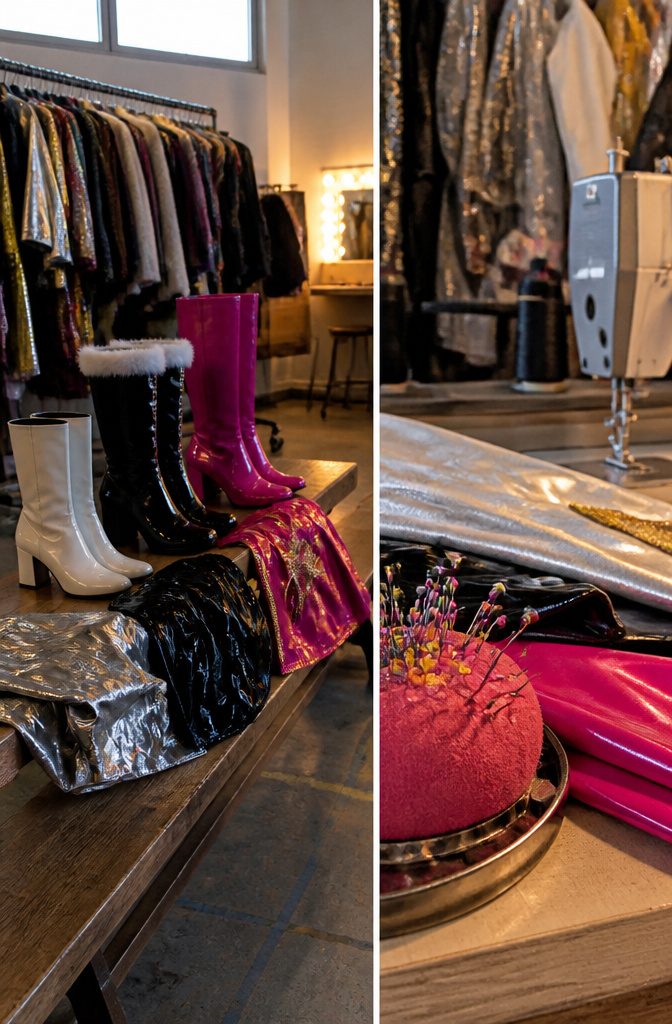
White go-go boots pull straight from 1960s go-go dancer wardrobes and carry into 1970s disco territory when you add metallic silver or gold versions, or the rainbow vinyl styles that show up in disco costume listings.
A short lead-in, then costume directions:
- White mid-calf boots anchor the original go-go dancer look, the Courrèges silhouette from 1964 that defined the style before it spread.
- Black knee-high boots work for Mrs. Claus (faux fur-lined versions keep the Christmas tone) or for catsuit pairings when you want a sleek villain line.
- Fuchsia, lime green, sky blue, or shocking pink boots fit superhero costumes, wrestler outfits, fairy characters, or bold power suits; the block heel and knee-high shape keep the playful premise polished enough for photos.
- Red, orange, and rainbow options stretch into clown costumes or any character build where color does the work.
Available in whole sizes 5-16, most pairs include a 3-inch block heel and inner zipper.
Recommended Products


MATERIALS: Manmade pu or suede upper, squere toe, reinforced seams, side zipper, soft breathable thin suede lining, padded insole, anti-skid rubber outsole, sturdy block heels easy to walk in.

Important Fit Information: Please refer to the size chart infographic for your perfect fit. Sloggers fit true to size but please size up ½ size if you have a wide foot or a high arch. Please note if you need a Half-Sizer insole, sold separately, to get your perfect fit.
Finding a Pair
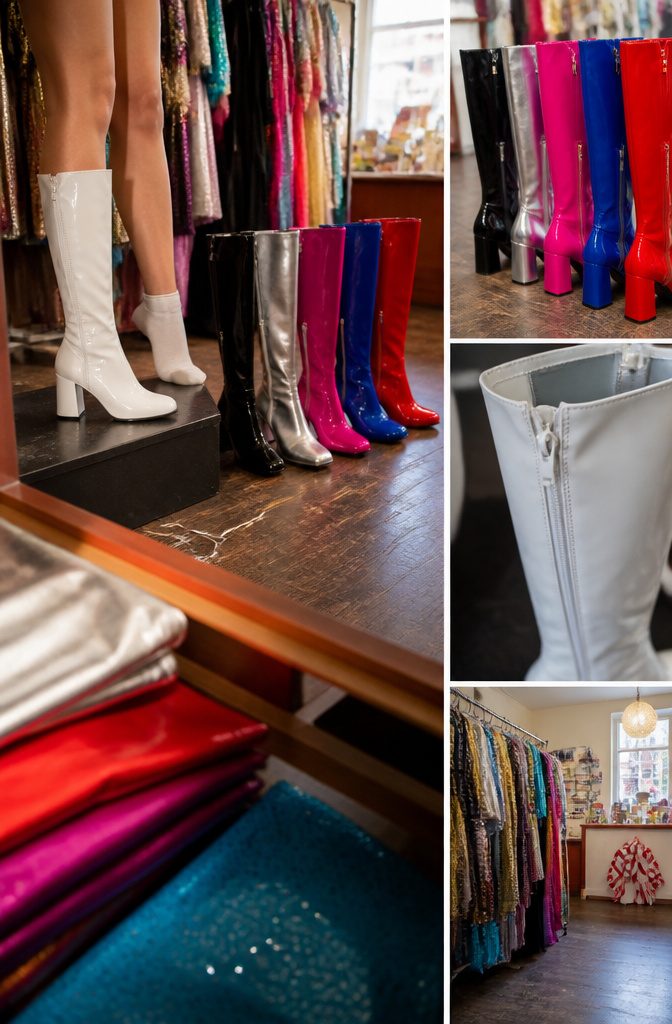
Costume retailers stock go-go boots in multiple colors year-round, with white patent platform styles starting around $49.99 and colored stretch versions at $72.95 marked down from $98.
The selection runs wider than most vintage footwear: white, black, orange, silver, fuchsia, blue, red, green, pink, gold and yellow all turn up regularly.
Most come in whole sizes from 5 to 16, with wide widths available in the same range. A 3-inch block heel is standard, and a full inner zipper makes them easier to pull on than the originals.
Materials are man-made rather than leather, which keeps the price under $75 in most cases. Children’s sizes reach mid-calf even in toddler fits, and sale prices drop as low as $19.99 for white costume pairs sized for girls.
Recommended Products

Platform boots heel height: 8cm/3.15", platform height: 2cm/0.79", shaft height: 36cm/14.17", opening: 37cm/14.57in.

Flatters Your Leg: With a sleek design, these women’s knee-high boots effortlessly flatter your legs and elevate any outfit. These heeled boots are a must-have for fall and winter.

Novelty go-go boot in glossy finish featuring chunky molded heel and split-toe stitching
Frequently Asked Questions
Recommended Products

COMFORT AND FIT: These block-heel tall boots have a padded insole with high-quality memory foam for added comfort and an inside half zipper for easy entry.

Flat Platform Sole: Featuring a 1.38-inch heel, these platform boots ensure stable grounding. The cushioned sole absorbs impact during daily commutes, reducing foot fatigue for social outings

Canvas upper with TOMS toe-stitch, and elastic V for easy on and off
Why are they called go-go boots?
The name comes from the French phrase à gogo, meaning "in abundance" or "galore."
The term may also derive from 1960s slang where "go" meant something that was all the rage. The boots took their name directly from go-go dancers who wore them in nightclubs starting in 1965.
Are go-go boots from the 60s or 70s?
Go-go boots originated in the 1960s when André Courrèges introduced them in 1964. They remained popular through the 1970s, particularly in disco fashion, but the style was born and defined in the mid-1960s.
Where can you buy go-go boots?
Costume retailers stock go-go boots year-round in multiple colors, with prices starting around $49.99 for white patent platform styles.
Online stores carry whole sizes 5 to 16, including wide widths, and children’s sizes reach mid-calf even in toddler fits. Sale prices can drop as low as $19.99 for costume pairs.