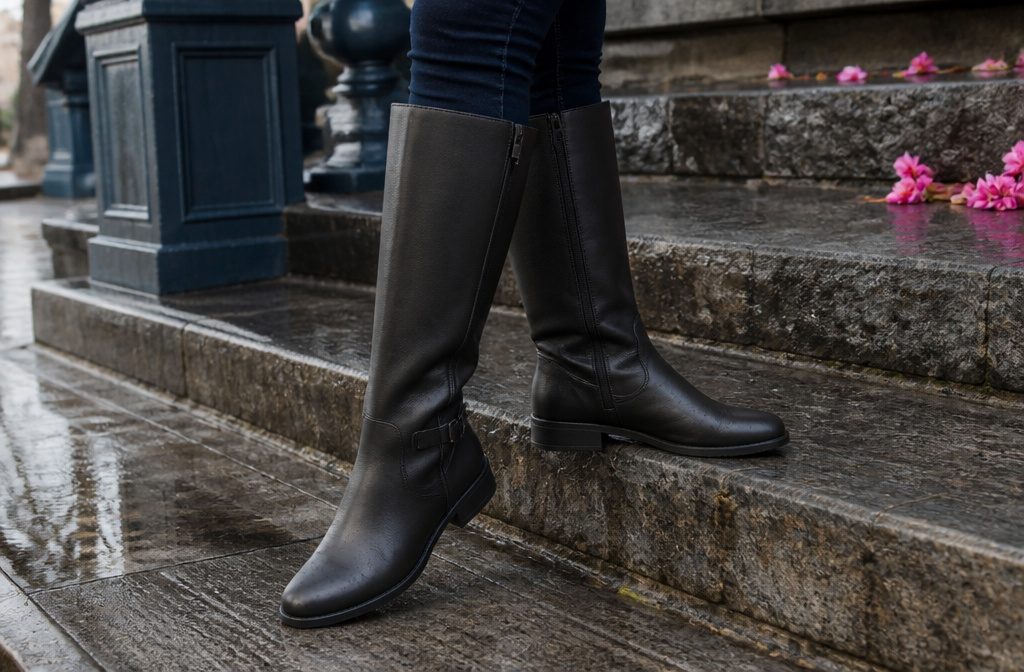
Black boots for wide calves are standard boots with shaft circumferences that run larger (usually 15 to 21 inches around) so they close over calves that measure more than the 14- or 15-inch opening most boots are cut for.
Calf width and shoe size are independent measurements: you order your usual size and select shaft width separately, because sizing up the whole boot to fit your calf leaves the footbed loose and the heel slipping.
Franco Sarto and Naturalizer both stock wide-calf shafts in riding boots and knee-high styles, DuoBoots offers eight calf widths that go past 19 inches, and JJ Footwear lets you combine shoe size, calf width and foot width in one order so the boot fits through the shaft and across the sole at the same time.
1. Browse Black Wide-Calf Boot Styles
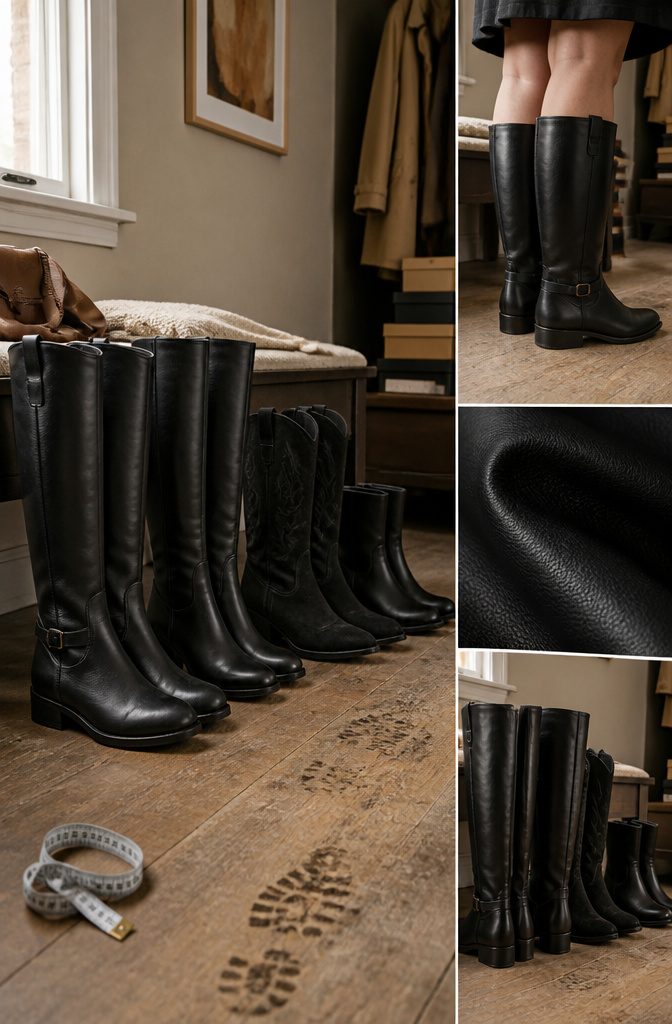
Black boots for wide calves appear across most style categories, so you’re not pushed into a single look.
Tall riding boots and knee-high dress boots dominate the collections at Franco Sarto and Naturalizer, both built with extra room through the shaft while keeping a tailored line.
Cowboy boots show up in wide-calf sizing at Famous Footwear alongside DV Dolce Vita and Steve Madden options, and mid-calf styles from Comfortview give you a shorter silhouette that stops before the widest part of the leg.
Black sits in every collection rather than as a dedicated category, so the workflow is to browse by boot type (riding, dress, heeled, Chelsea) then filter for black once you’ve found the shaft circumference you need.
Suede and leather finishes both appear, and most retailers stock the same wide-calf fit in brown or neutral tones if you want to compare fit across colors before committing to black.
Recommended Products

Soft System comfort package provides all-day support, flex, and cushioning.

Fitting: These boots are WIDE in CALF size, and REGULAR in FOOT size.

Wide Calf Boots For Women: These boots are designed to be wider than regular sizes, great for those with wide calf.
2. Compare Materials and Design
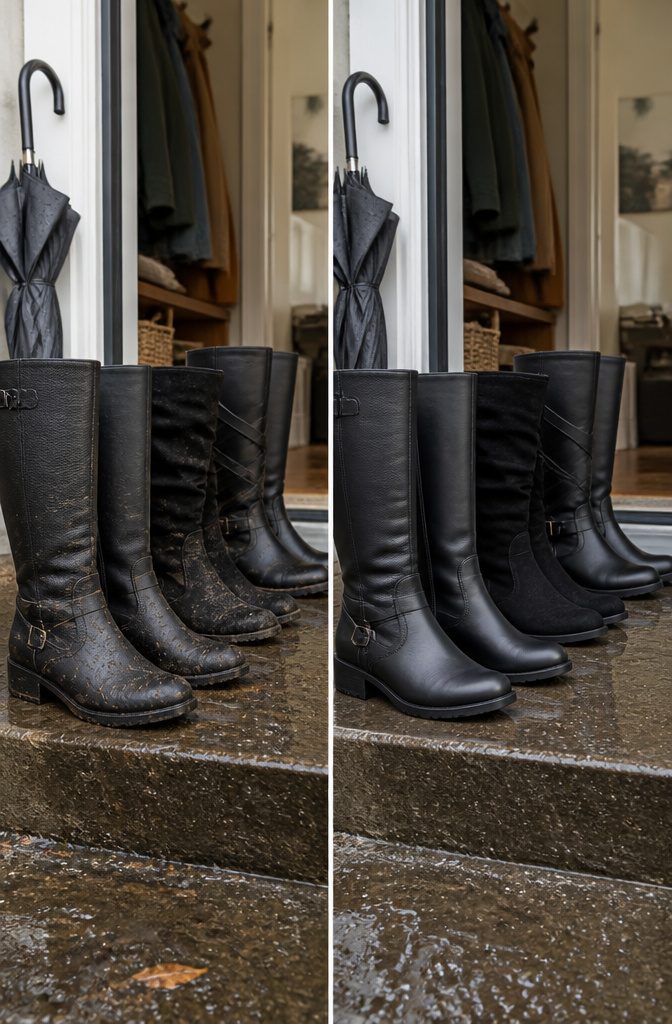
Black leather holds up better than the suede or nubuck options JJ Footwear stocks: leather takes wet weather without the stain risk that comes with suede’s nap.
The pebbled faux leather on Lifestride’s Xtrovert stays matte rather than shiny, which reads more like real leather than most budget synthetics manage.
Faux suede works if you want the slouchy look of Syktkmx’s mid-calf boot but plan to keep the pair for dry days only.
Nubuck sits between the two: buffed leather with some texture, so it holds its shape like smooth leather but picks up marks more easily.
Design-wise, classic black leather suits work boots, decorative details like the Xtrovert’s criss-cross strap dress down riding styles, and slouchy suede fits casual wear better than structured looks. Material decides durability as much as it does appearance.
3. Choose the Right Calf and Shaft Fit
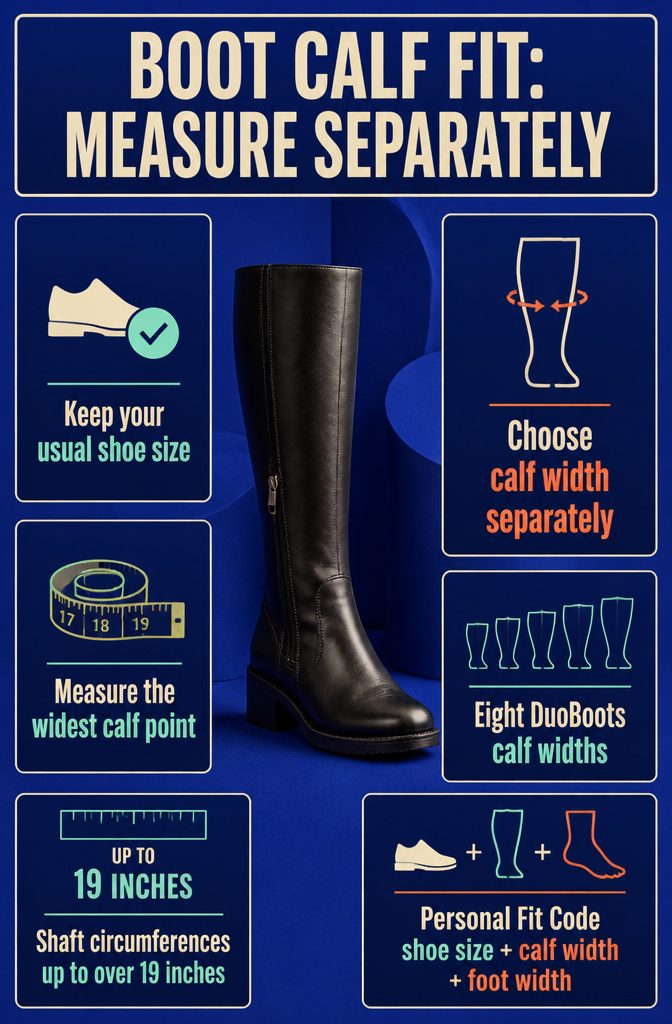
Shaft fit and foot width are two different measurements, so order your usual shoe size and select calf width separately. Sizing up just to close the zipper leaves you with a loose footbed and a heel that slips.
Most brands list the shaft circumference in the product details; measure the widest part of your calf with a flexible tape measure pulled snug but not tight, and match that number to the chart.
At DuoBoots, you get to choose from eight calf widths to create a combination that’s right for your body. Every body is built differently and we love that DuoBoots gets that. They even have shaft circumferences that go up to over 19 inches, which is the most inclusive sizing we’ve seen.
That range matters if you have struggled to find anything that zips.
JJ Footwear goes further and offers a Personal Fit Code: you select shoe size, calf width, and foot width in one order, so the boot fits through the shaft and across the footbed at the same time.
4. Match a Pair to Comfort and Use
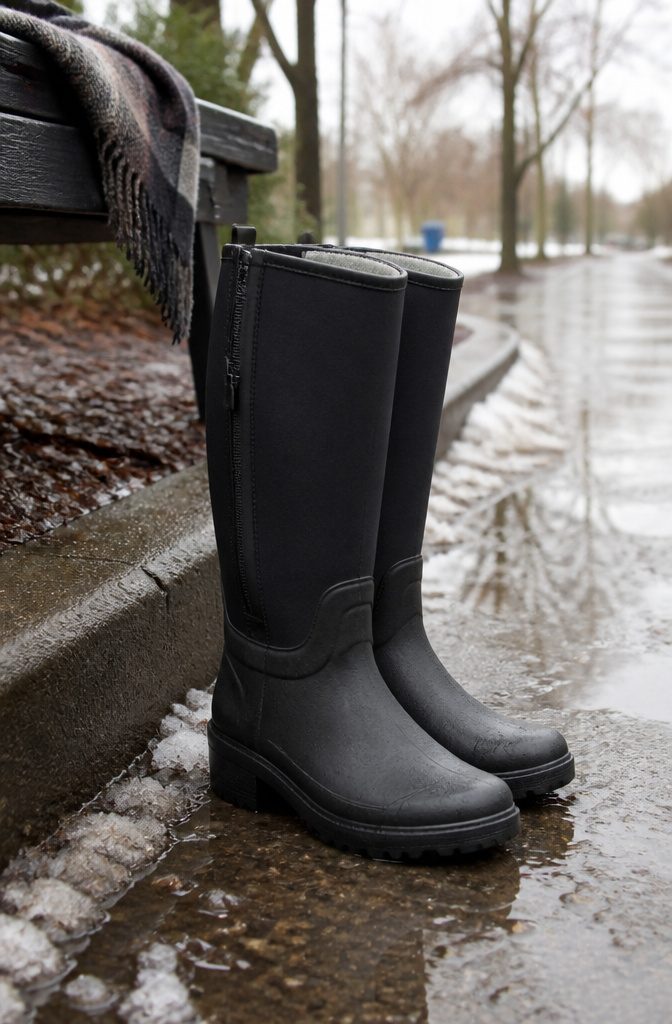
Comfort comes down to what the boot needs to do.
Waterproof construction matters if you walk through rain or slush: 100% waterproof boots made from natural rubber with a neoprene lining kept feet dry in testing, and a hidden slider at the back adjusted to fit wider calves without gaping at the top.
For cold weather, look for aluminum lining added to the upper. A 2.75-inch or 3-inch covered block heel gives you height that works for the office without pinching after a few hours on your feet.
Traction matters more than it looks like it should: a rubber outsole grips wet pavement where smooth soles slide.
If you need a boot that dresses up but still handles weather, leather with waterproof treatment and a neoprene layer does both without looking technical.
Recommended Products

COMFORT AND FIT: These pull-on heeled Chelsea boots have a padded insole with high-quality memory foam for added comfort and elastic gussets for easy entry. This boot fits tight to the foot and may fit small on wider feet. Size up if needed.
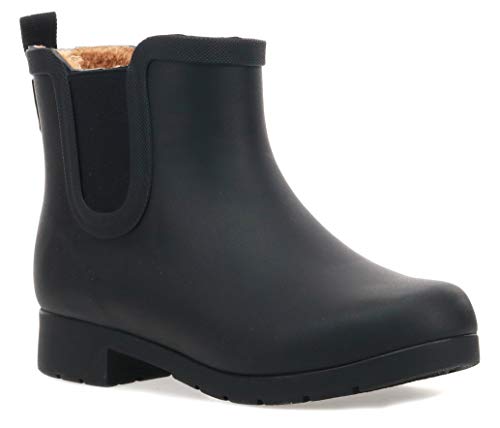
Slim Chelsea Fit: Sleek ankle-boot silhouette; Runs small, recommend sizing up

【CLASSIC WESTERN STYLE】 - Choiran square toe cowboy boots for men (botas vaqueras para hombre) combines the timeless charm of cowboy boots with the refined and stylish design of chelsea boots. It sets you apart in the fashion scene and adds a unique touch to your stylish outfits.
How to Measure Your Calves
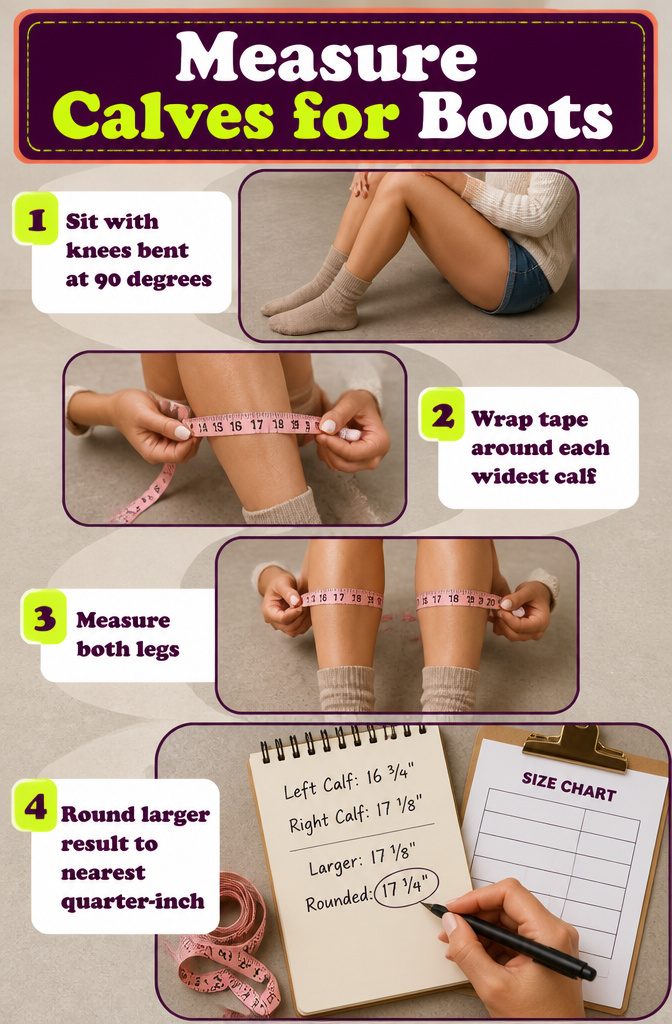
- Sit down with your legs bent at a 90-degree angle; standing compresses the muscle and throws off the number.
- Wrap a flexible measuring tape around the widest part of each calf, usually a few inches below the knee. Keep the tape snug enough that it won’t slide, but loose enough that you can slip a finger underneath.
- Measure both legs. Calves are rarely identical, and ordering boots that fit the smaller one means the larger calf won’t zip.
- Round the larger measurement up to the nearest quarter-inch. That figure is what you match to the size chart on the product page. Shaft circumference in boots is listed separately from shoe size, and getting it right is the difference between a boot that closes and one that gaps or binds.
Recommended Products

Extra Wide-Calf Design: Designed for extra wide calves and wide feet, this boot comes with an extra roomy shaft. No need to size up, it fits all leg shapes comfortably without pinching or squeezing.

Extended Sizing: Designed for wide feet and plus-size calves, these boots feature a spacious toe box and extra-wide shaft for all-day comfort without pinching or tightness.

Extended Sizing: Designed for wide feet and plus-size calves, these boots feature a spacious toe box and extra-wide shaft for all-day comfort without pinching or tightness.
Wide-Calf Sizing Is Separate From Shoe Width
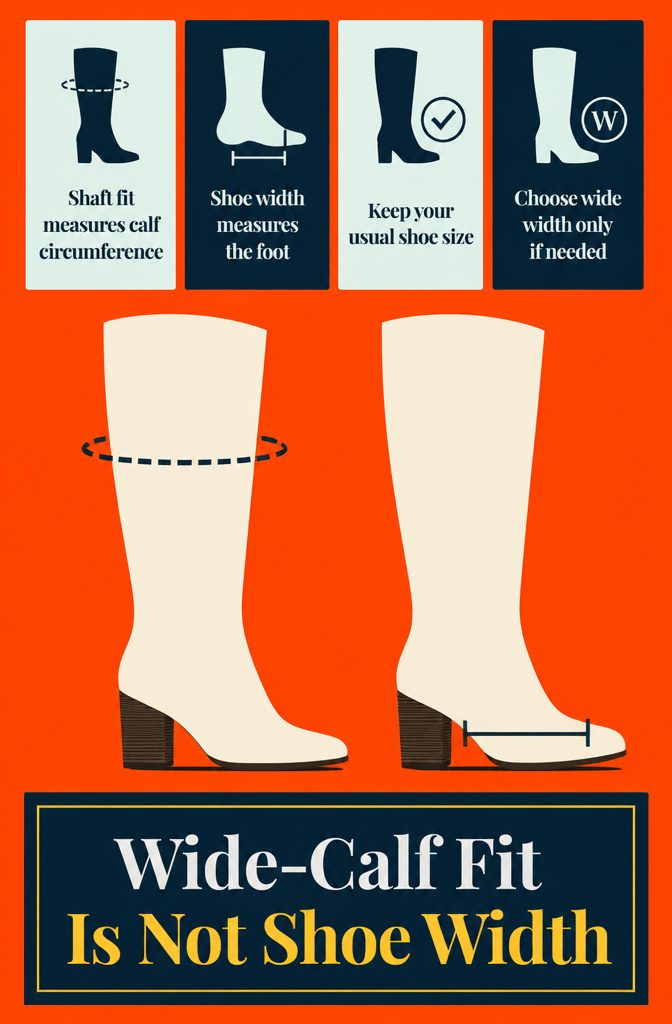
Wide-calf sizing measures the boot shaft’s circumference, not your foot width. Franco Sarto and Naturalizer both spell this out plainly: the calf fit and the shoe width are separate dimensions.
If you need extra room through the foot as well as the calf, look for styles that offer both a wide-calf shaft and a wide width option in the same boot.
You do not size up your shoe when buying wide-calf boots.
Shoe size and calf width are measured independently, so your usual size holds. A size 8 regular-width foot stays a size 8 in a wide-calf boot; you are only adding circumference higher up the leg, not length or width at the sole.
Recommended Products

[Regular & Wide Calf Options] Choose Regular for standard calves ankles and foot girth or Wide Calf for extra room at the ankle, boot opening and foot girth. Both options use the same footbed length. Measure your calf and check the size chart before ordering.
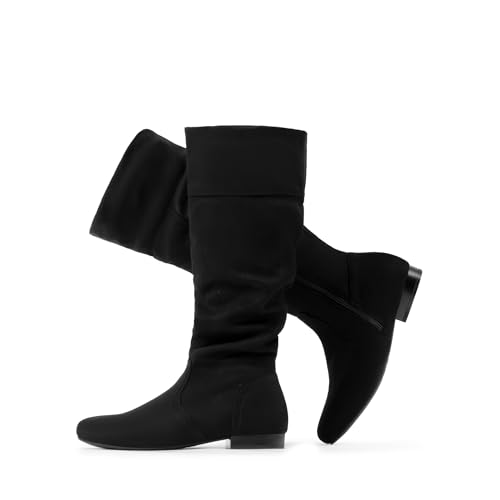
Wide Calf Boots For Women: These boots are designed to be wider than regular sizes, great for those with wide calf.

EXTRA Wide Calf: These boots are designed to be wider than regular sizes, great for those with EXTRA wide calf.
Frequently Asked Questions
Recommended Products

【Fit Options】The Wide version is designed as wide calf boots for women who also need a wide toe box, adding space through the calf and forefoot. Black, Brown, and Banana Yellow also come in a Standard fit. Check the size chart before ordering.

Wide Calf & Wide Width That Really Fit No more squeezing or binding – at the calf or the toes. These knee high boots are made with an extra roomy wide-calf shaft that fits fuller legs comfortably, AND a true wide-width sole with a spacious round toe box for wide feet. Finally, tall boots that actually fit from top to bottom.

WIDE CALF FIT FOR FULLER LEGS:Designed with a roomier shaft to better accommodate fuller and stronger calves while maintaining a clean, streamlined knee high silhouette.
How do I measure my calves for wide calf boots?
Sit with your legs bent at a 90-degree angle and wrap a flexible measuring tape around the widest part of each calf, keeping it snug but not tight.
Measure both legs and use the larger number, rounded up to the nearest quarter-inch. Match that measurement to the shaft circumference listed on the product page, which is separate from shoe size.
Do I need to size up my shoe size when buying wide calf boots?
No.
Shoe size and calf width are independent measurements, so order your usual size and select calf width separately. Sizing up just to close the zipper leaves you with a loose footbed and a heel that slips.
How do I know if I need wide calf boots?
If standard boots feel tight around your calf, won’t zip all the way, or cause pressure or discomfort through the shaft, you likely need extra room.
Measure the widest part of your calf and compare it to the shaft circumference listed in the product details.
Do wide calf boots only fit the calf, or are they wider overall?
Wide-calf sizing measures the boot shaft’s circumference, not your foot width.
If you need extra room through the foot as well as the calf, look for styles that offer both a wide-calf shaft and a wide width option in the same boot.