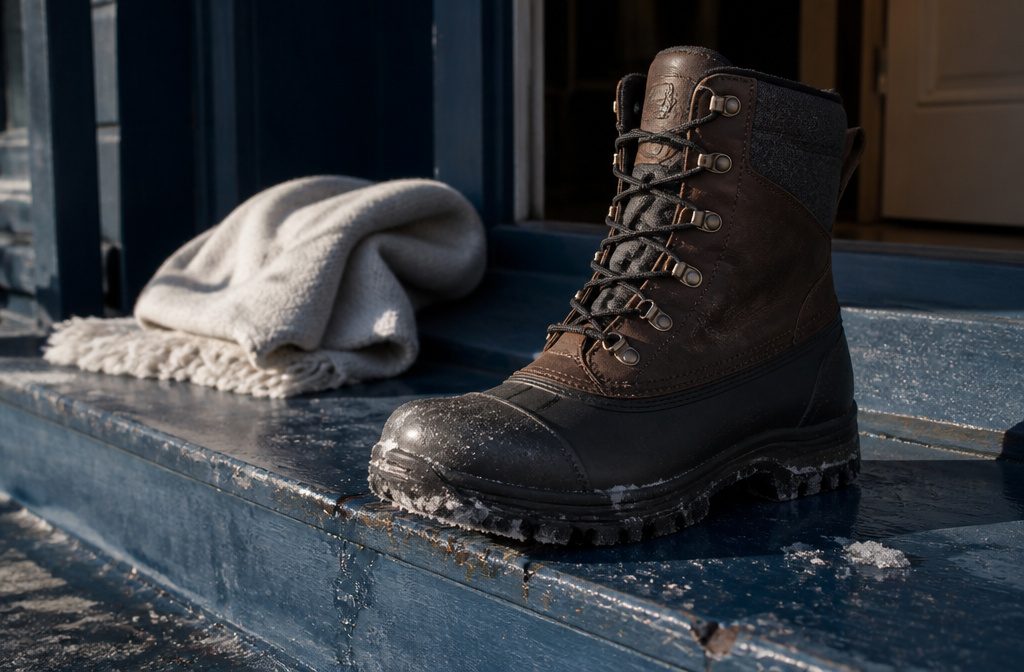
The North Face Chilkat V 400 handles town errands and outdoor chores better than any other boot here, packing 400 grams of insulation and aggressive tread into a design that moves easily between uses.
Skip it if you need something lighter for quick trips or if you’re crossing water deeper than 7 inches, where the tongue gusset lets moisture through.
1. Best Overall Winter Boot for Town and Errands
The North Face Chilkat V 400 runs $170 and packs 400 grams of Heatseeker Eco insulation into a design that moves easily between casual outings and outdoor chores.
The 8.25-inch shaft sits high enough for moderate snow, though water can enter just over 7 inches during deeper crossings, so plan routes around puddles and slush piles that run deeper than that.
A size 11 pair weighs 3.58 pounds, noticeable on longer walks but streamlined compared to bulkier pac boots at this warmth level.
The aggressive lug pattern grips pavement and rough ground equally well, wet or dry, and the leather upper holds up to regular use.
The fit runs small and narrow. Going up a full size makes room for thicker socks without cramping toes or pinching the midfoot.
The utilitarian styling and muted colors work for errands and yard work but read too heavy-duty for dressier settings. Skip this boot if you need something lighter for quick trips or sleeker for occasions beyond town wear.
Recommended Products
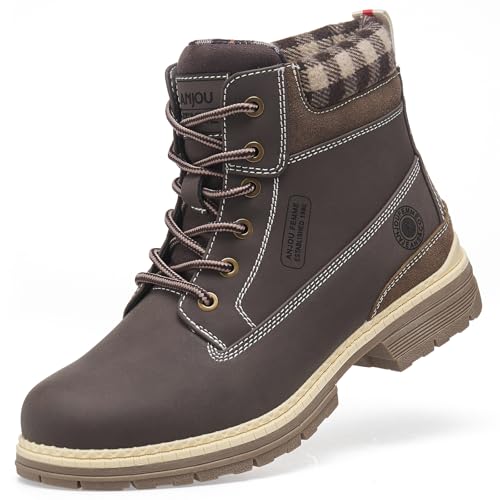
All-Weather Warrior & Day-Long Comfort: Crafted with a waterproof PU outer material, these boots keep your feet dry in sudden rain showers or light snow. The breathable plaid fabric lining wicks away moisture, ensuring a comfortable, non-sweaty feel whether you're running errands or on a long walk. They are your go-to boots for unpredictable weather.
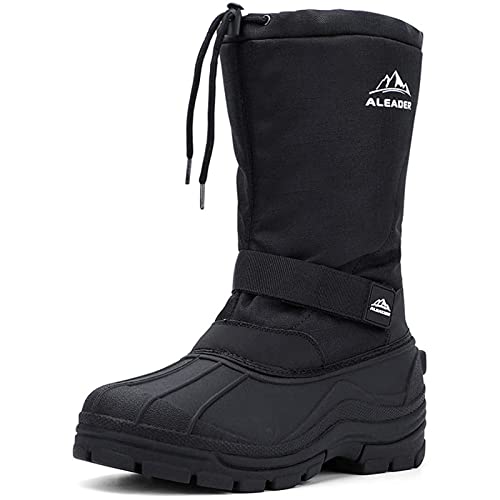
COMFORT AND WARMTH: Cushioned footbed for supportive comfort. All-cold weather protection and a toasty layer of insulation.
2. Budget Winter Boot That Keeps Feet Dry
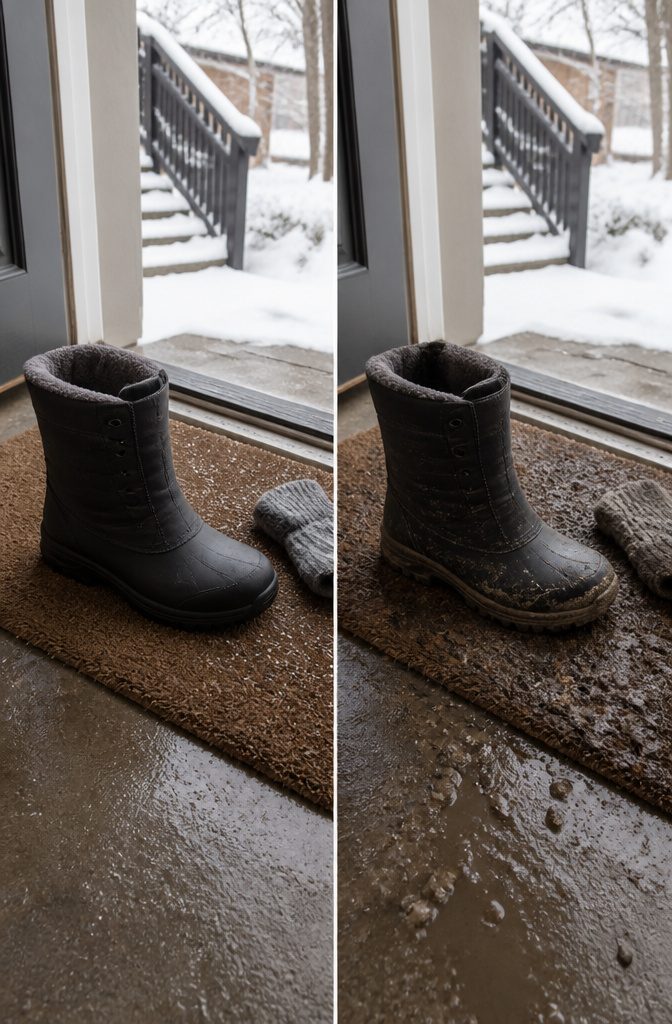
The Columbia Bugaboot III sits at $130 with a 7-inch shaft and water protection that runs all the way up, which puts it ahead of most budget boots that leave the top half exposed.
The fleece lining molds to your foot over the first few wears, and testers in Colorado cold reported no breakthrough from either temperature or moisture.
For women shopping the same price band, the Kamik Momentum 3 costs $120, adds 145g of Heat-MX insulation, and stands nearly 5 inches taller at 11.75 inches (better clearance if you’re walking through uncleared snow).
Both use seam-sealed uppers, though the Kamik’s nylon feels stiffer and can wick moisture in slushy conditions.
Skip either if you need serious warmth for standing still; the insulation works when you’re moving, not when you’re static at a bus stop or tailgate.
Recommended Products

ARCTIC-GRIP TRACTION:Diamond-tread rubber outsole + deep lugs grips black ice & 40° slopes – 3X more slip-resistant than standard boots. Never fear frozen trails again!

ADORABLE & STYLISH DESIGN: A versatile seam-sealed waterproof snow boot featuring lovely plush faux-fur collar, not drop, provides style and protection. And stylish enough to be worn year-round perfect for your winter wardrobe.
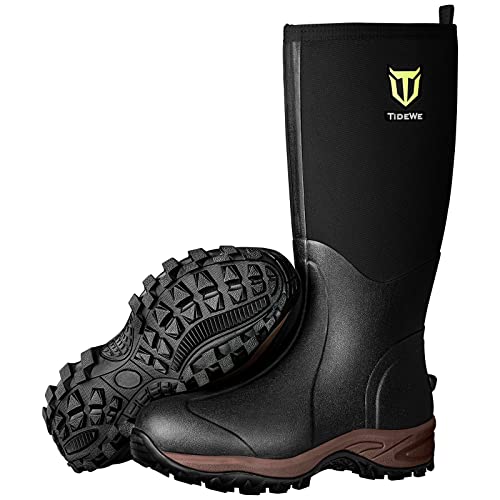
ATTENTION: PLEASE MIND THE SIZE CHART BEFORE BUYING TO ENSURE THE BOOTS FIT YOU. The sizes 11-14 displayed are for Men.
3. Outdoor Work and Chores Boot
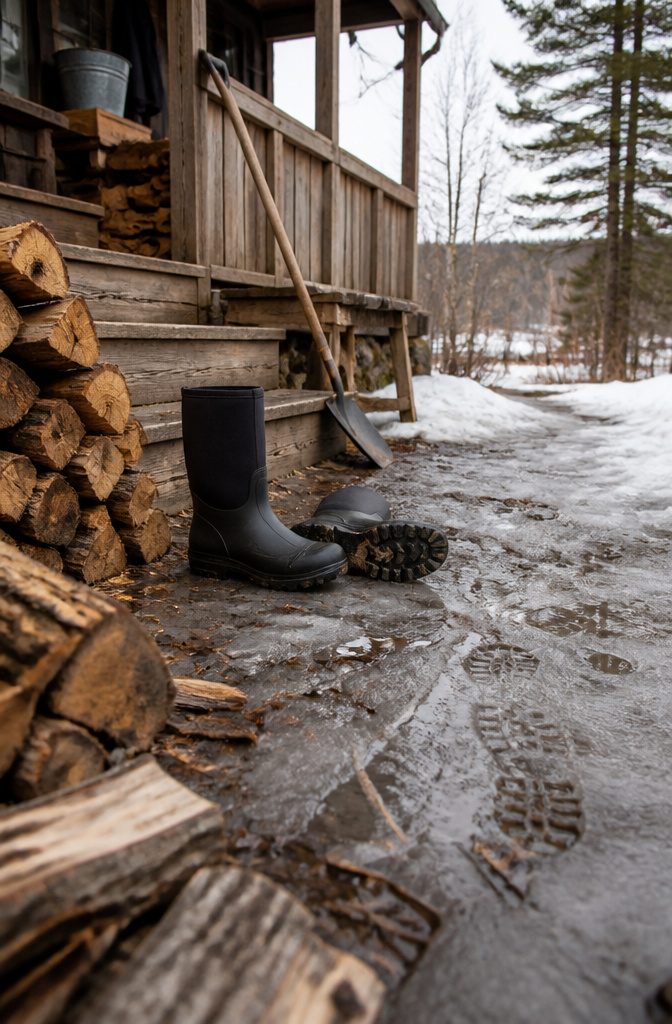
Muck Boot’s Arctic Sport Mid is built for wet outdoor work, and the slip-on design means you can kick it on without wrestling laces when you’re hauling firewood or shoveling slush off the porch.
The 13-inch shaft height gives enough coverage to keep snow out of the boot entirely, and the combination of 5mm CR Flex-Foam neoprene and a 2mm thermal foam underlay holds warmth even when you’re standing in icy puddles.
At $170, it handles the job without requiring a second mortgage. The MS-1 lug outsole sheds mud with each step, which matters if your driveway turns into a trench by February.
The fit runs loose compared to laced boots, so if you need ankle support on uneven ground or prefer a snug feel, this is not the right pick.
For taller coverage, the Arctic Sport II Tall stretches to 16.9 inches and costs $155, rated for -40 to 40°F, though getting it on and off takes more effort than the Mid.
Recommended Products

【ATTENTION】 PLEASE CHECK THE SIZE CHART AND CHOOSE THE RIGHT SIZE BEFORE PURCHASE. Pay attention to Insole Length. Camo pattern may vary slightly due to fabric cutting. Please check the official anti-counterfeit logo.

【100% waterproof protection】SUREWAY deck boots are built specifically for sport and recreational fishermen who spend long periods of time on their feet. Fishing deck boot is constructed with hand-layed durable neoprene rubber, and has 100% waterproof performance and extreme durability, withstands cold in saltwater.
ATTENTION: PLEASE MIND THE SIZE CHART BEFORE BUYING TO ENSURE THE BOOTS FIT YOU. The sizes 11-14 displayed are for Men.
4. Winter Hiking Boot for Trails and Packed Snow
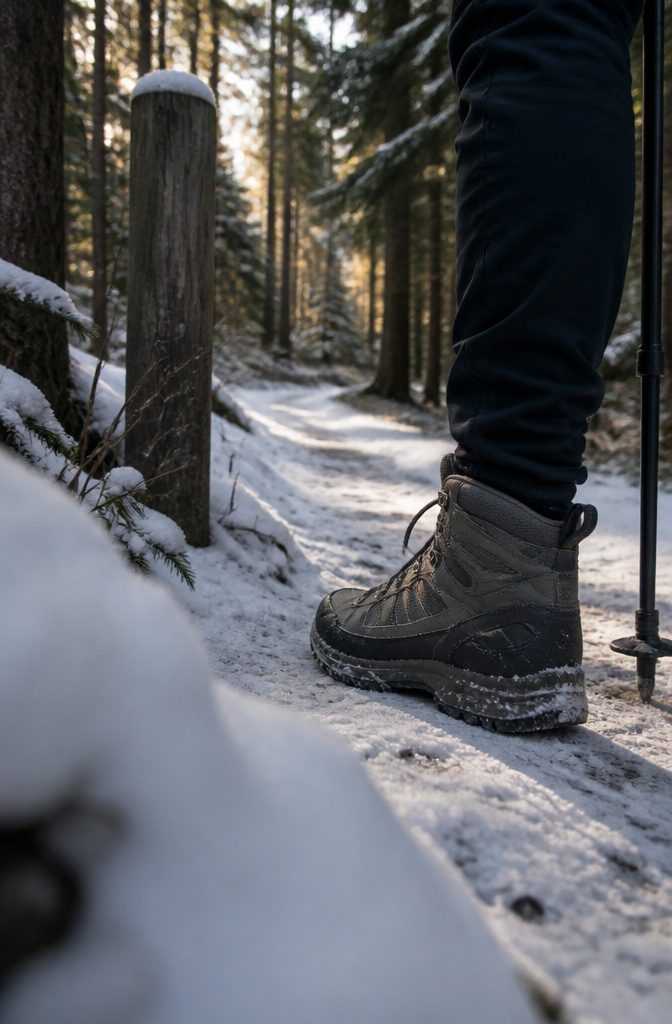
The Merrell Thermo Chill 2 Mid at $150 runs light on both insulation and height: 200g M Select WARM and a 7.5-inch shaft mean snow deeper than about six inches spills over the top, and warmth taps out faster than boots carrying twice the fill.
The trade is weight and flex: this boot moves like a trail runner, grips packed snow and icy sidewalks through a sticky rubber tread with wider contact patches, and tightens down cleanly even when eyelets freeze.
For quick winter errands, dog walks, or maintained trails where deep powder is not in the forecast, the agility pays off.
The Salomon Crosstrak Powder Waterproof at $200 packs 70 percent recycled insulation, a 4mm EVA foam sockliner, and a 6-inch shaft, holding warmth down to 5°F whether moving or standing still.
Lugs bite loose and packed snow without slipping on ice, and the structure supports uneven terrain when snow density shifts underfoot.
The bulk prevents the boot from fitting smaller racing snowshoes, and the Quicklace system leaves laces too long to tuck neatly into the pocket while wearing gloves.
Skip both if you are wading through drifts past mid-calf or need something narrow enough for lightweight backcountry gear.
Recommended Products

WARM FAUX FUR LINING: These women winter boots feature soft faux fur lining and a removable warm insole to help keep feet cozy on cold days. A practical choice for commuting, shopping, travel and everyday winter wear.

WARM FAUX FUR LINING: These women winter boots feature soft faux fur lining and a removable warm insole to help keep feet cozy on cold days. A practical choice for commuting, shopping, travel and everyday winter wear.

Waterproof Upper: The surface of these winter snow boots are made of quality Membrane waterproof and Hardy textile upper.Breathable and flexible mesh collar . It is soft, waterproof, warm and make your feet comfortable
5. Trail-to-Town Boot With a Nimble Feel
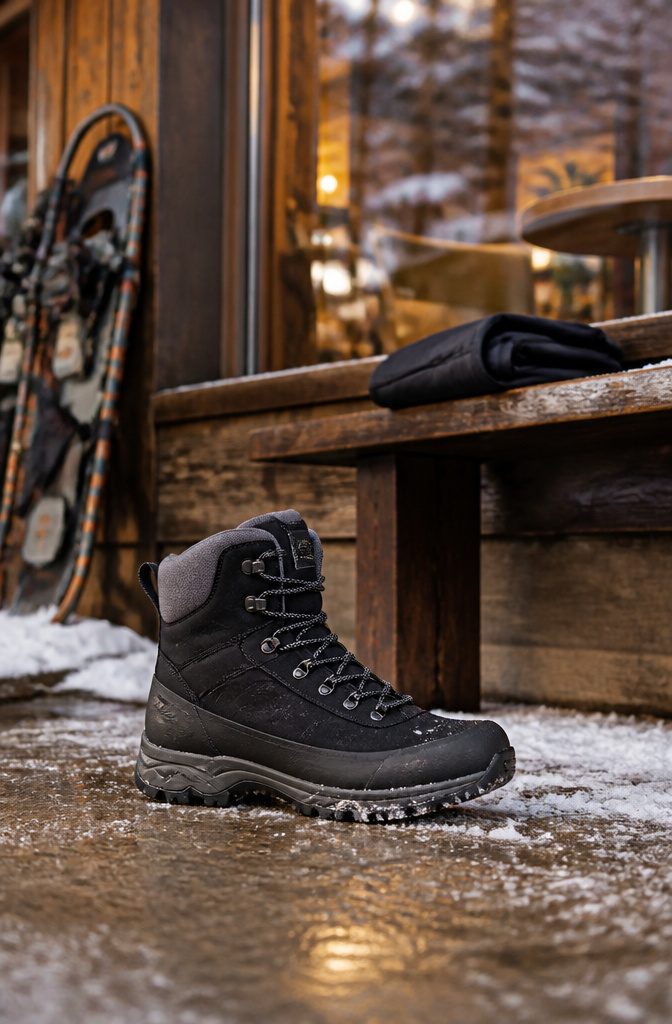
The Oboz Bridger 7" Insulated runs $230 and sits between full hiking boot and casual winter wear, lighter and less insulated than dedicated snow boots, but taller and warmer than the summer Bridger it’s built from.
The 200-gram Freeze Guard insulation and 7-inch shaft handle active winter days without overheating on the move, and the gaiter ring plus heel tab work with snowshoes.
The look holds up at dinner after a long walk, which matters if you want one boot instead of two.
Skip it if you need warmth for standing still or face truly frigid days; the light insulation leaves feet cold when output drops.
The 9-inch version with 400 grams of insulation costs $240 and closes that gap. The stiff upper takes time to break in, the heel runs narrow with thick socks, and the outsole grips soft snow but slides on ice.
6. Style for Everyday Winter Wear
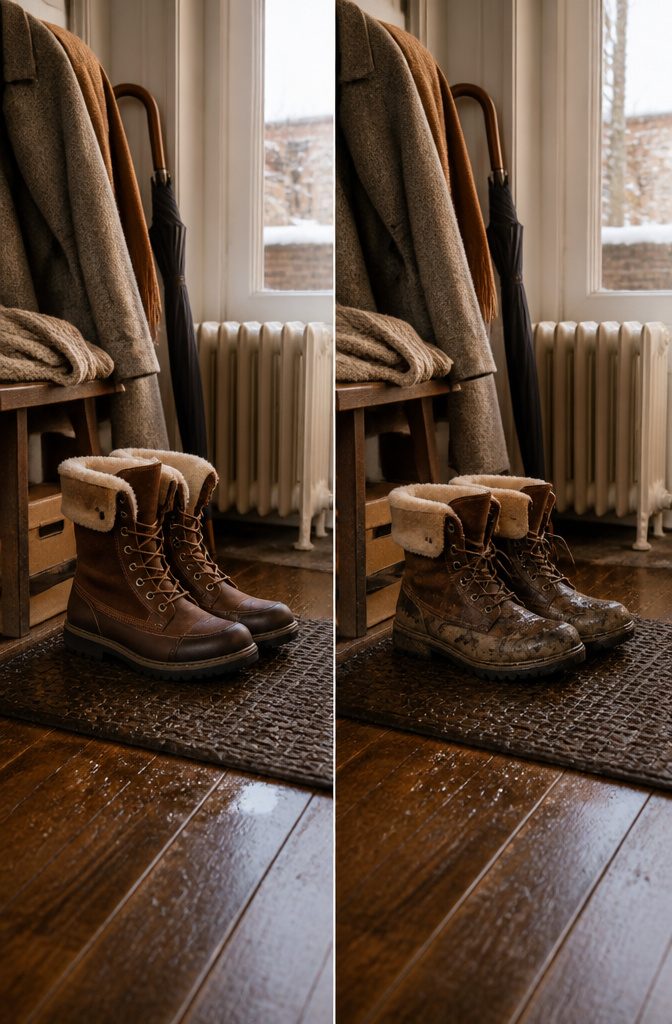
The Ugg Adirondack XXV sits at $250 with an 8-inch shaft that unfolds to 9.5 inches, giving you the option to roll the cuff down for a casual look or keep it extended when conditions call for it.
The tall version runs $75 more and adds approximately 4 inches of coverage.
I’d pick this over the now-discontinued Butte for most people: the Adirondack uses premium leather and suede with a waterproof membrane, and the natural wool liner stays warm even when wet.
The Butte, at $240, offered water entry at 6.5 inches and a lining of 60% upcycled wool and 40% TENCEL Lyocell, with slightly shallower tread and less cold tolerance.
Skip both if you run hot or plan to hike in them: the plush interior can overheat when paired with thick socks or worn through active terrain.
7. Extreme Cold Boot for Very Low Temperatures
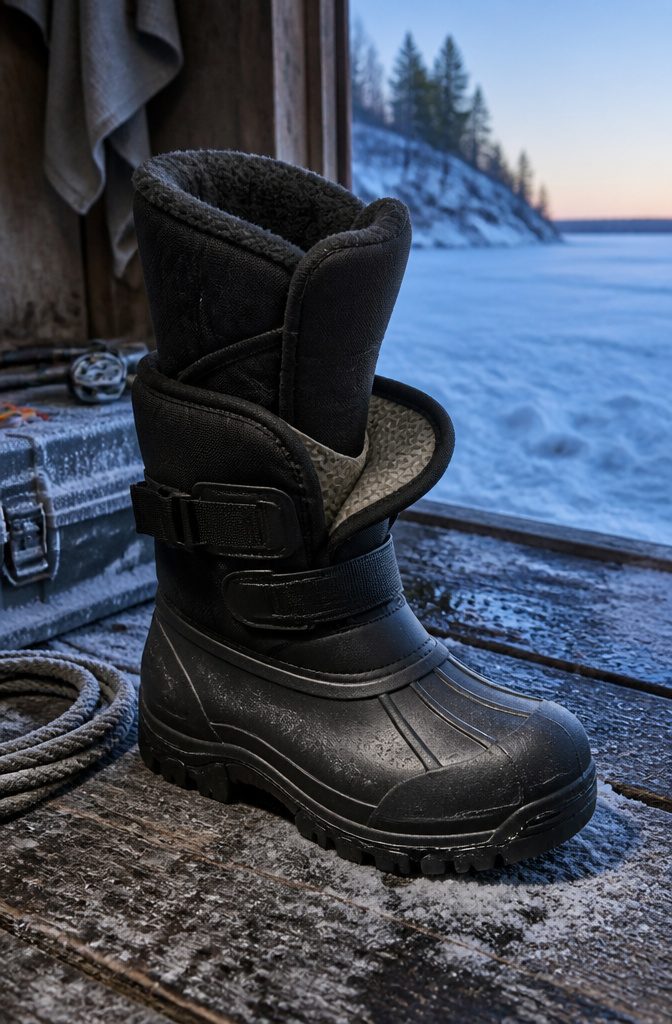
The Baffin Impact ($312) runs colder than any other boot here, built around a removable Comfort-Fit liner and Thermaplush insulation that handles temps well below zero.
The footbed sits on a honeycomb layer that traps warm air underneath, and between the fixed shell insulation and the synthetic liner, cold never gets close.
If you spend hours outside in stationary work (monitoring equipment, ice fishing, waiting for livestock), this is the boot that answers it.
The warmth comes with real bulk. These weigh enough that you feel them with every step, and the thick build makes walking any distance feel like work rather than movement.
The seam where upper meets lower is not sealed, so standing water gets in above the foot.
Skip the Impact if you hike, move around much, or rarely face single-digit temperatures. This boot solves one problem and ignores the rest.
8. Versatile Lower-Profile Boot for Multiple Uses
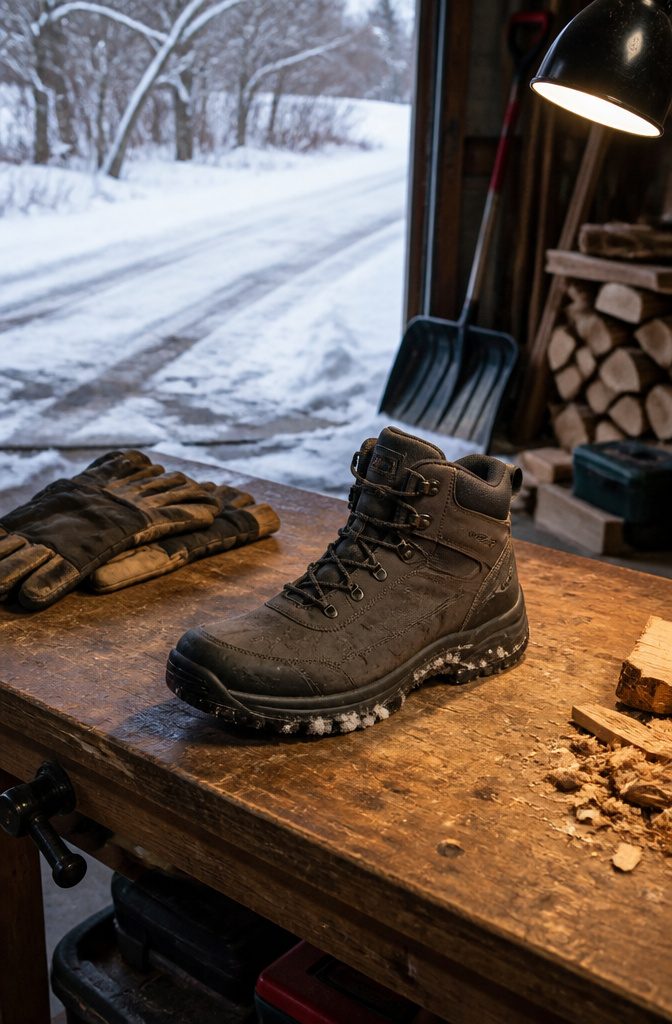
The Danner Arctic 600 Side-Zip runs $280 and fits the person who needs one boot for several jobs: a 10-mile snow hike, chainsaw work in the cold, Saturday errands.
The shaft sits at ankle height, which keeps the silhouette clean enough for town but means snow gets in when your pants ride up in deeper drifts.
Testers walked through a foot of powder and reported cuffs lifting just enough to let flakes sneak past the top. Warmth, traction, and build quality all land in the solid middle: nothing remarkable, nothing that failed.
One quirk: wet snow clumps under the arch during temperature swings, though a kick clears it. Skip this if you’re wading through knee-deep snow regularly; a taller shaft handles that better without the cleanup.
9. Supportive Boot for Winter Terrain
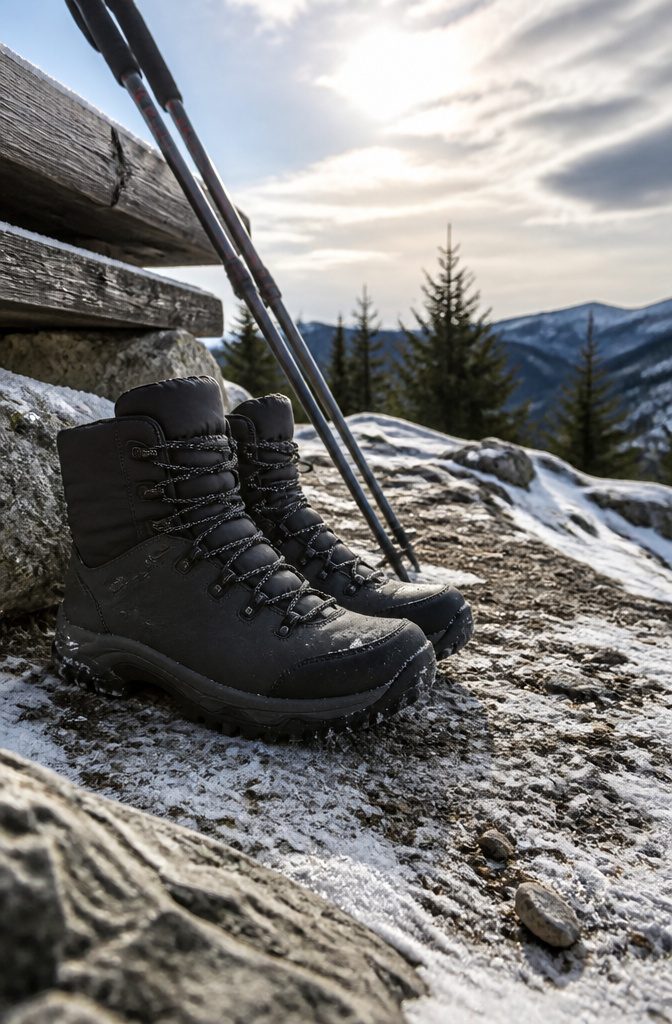
The Salomon Toundra Pro CSWP delivers ankle support that stiffer uppers and a secure lacing system make easy to dial in, and the footbed stays stable rather than collapsing underfoot the way many winter boots do.
Salomon rates them to -40°F using AeroGel Aerotherm insulation developed for spacesuits, and though I have not tested them in temperatures that extreme, they hold warmth well below freezing and perform particularly well when you are moving.
The list price sits at $220.
Customer reports of forefoot seams splitting and leaking are common enough to mention, though the two pairs tested here have held up.
Salomon has acknowledged the complaints. Skip these if you need a boot you can count on for years without wondering when a seam will go.
Recommended Products

【WARM FAUX FUR LINING】Plush faux fur lining keeps your feet cozy and warm all day, perfect for cold weather strolls, commuting, and winter outings.

1.[Heel & Height]: Features a 1.57-inch (4cm) chunky heel on a robust platform for a bold lift and stable wear. The 5.51-inch (14cm) shaft provides classic boot coverage and stylish ankle support.

𝐖𝐚𝐫𝐦 𝐅𝐥𝐞𝐞𝐜𝐞 𝐋𝐢𝐧𝐢𝐧𝐠 𝐟𝐨𝐫 𝐂𝐨𝐥𝐝 𝐃𝐚𝐲𝐬: Soft coral fleece lining surrounds the foot with winter warmth, helping keep feet comfortable during cold mornings, errands, dog walking and everyday outdoor wear.
10. Insulated Chelsea Boot for Urban Wear
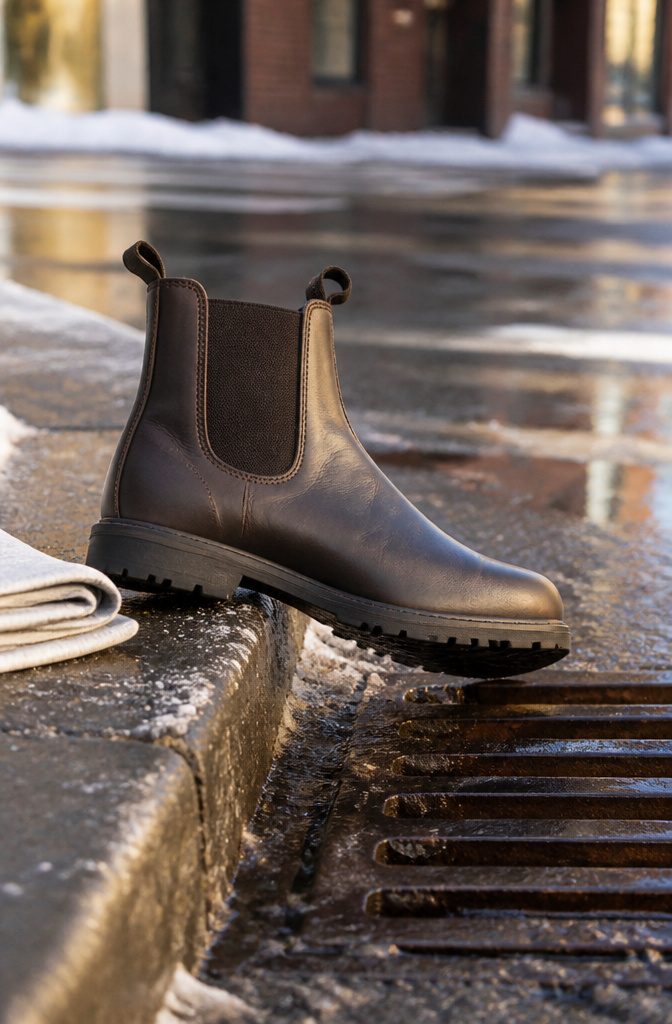
The Blundstone All-Terrain Thermal runs $285 and splits the difference between a dressed-up Chelsea and a winter boot you can trust on slick pavement.
Waterproof leather keeps snow melt out, 200g Thinsulate and a sheepskin insole handle cold mornings through the commute, and the Vibram outsole grips better than the classic Blundstone most of us already own.
The 6-inch shaft sits lower than dedicated snow boots, which makes it an honest urban choice rather than one trying to be both.
I’d condition the leather before the first snow and expect a few days of break-in before the tight opening stops fighting your heel.
Skip this if you’re clearing a driveway or hiking in deep snow.
The lugs aren’t cut for heavy accumulation, and that short shaft lets powder in past your ankle. It works for cleared sidewalks, salt-streaked crosswalks, and the occasional shortcut through a park, not for trails or unplowed streets.
11. Classic Winter Boot for All-Around Use
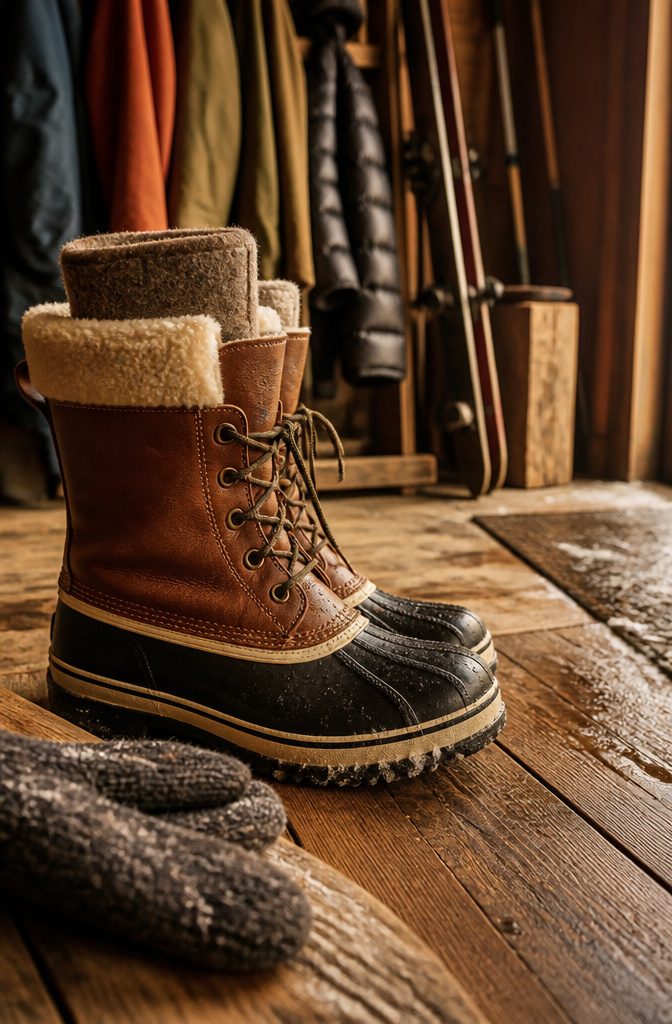
The Sorel Caribou sits at $250 with 9 millimeters of ThermoPlus insulation and a 9-inch shaft that handles deep snow without climbing too far up the leg.
The removable felt liner is worth mentioning: pull it out to dry if the interior gets soaked, then slide it back in once it has aired.
The Sherpa pile cuff and leather-rubber shell follow the traditional Pac-boot shape, which means width.
That width comes with weight. The Caribou is a full pound heavier than the Ugg Adirondack, and the bulk makes driving awkward if you wear them for the commute.
Skip this pair if you walk more than a few blocks at a time or need something that fits close to the ankle. For outdoor chores, short errands, and après-ski, the Caribou works.
12. Lightweight Boot for Cold Weather Without Bulk
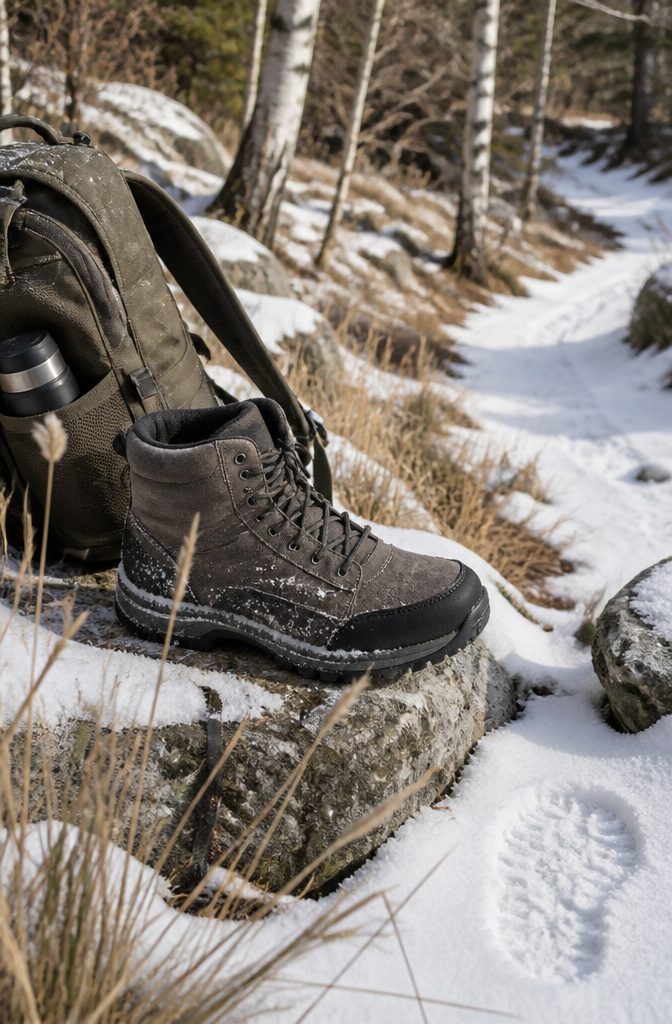
The Merrell Thermo Chill 2 Mid weighs in with 200 grams of insulation (about half what you’ll find in heavier boots) and a 7.5-inch shaft that keeps the profile low.
That combination works for cold-weather hiking and snow up to six inches, but deeper drifts spill over the top and the shorter height lets warmth escape faster than a taller boot would hold it.
The PU-coated suede and abrasion-resistant toe cap handle town wear and trail shoulders without the bulk of a full backcountry boot.
If you need more height for shoveling or deeper snow, the Columbia Bugaboot III adds shaft length without crossing into expedition territory. For even less weight in a waterproof package, the Merrell Nova 3 Thermo drops ounces and keeps agility.
Skip lightweight boots entirely if your winter involves standing still in subzero cold or wading through snowdrifts past mid-calf: 200 grams won’t hold enough heat, and the low shaft turns into a liability the moment snow depth exceeds boot height.
13. Work Boot for Uniformed or Safety Roles
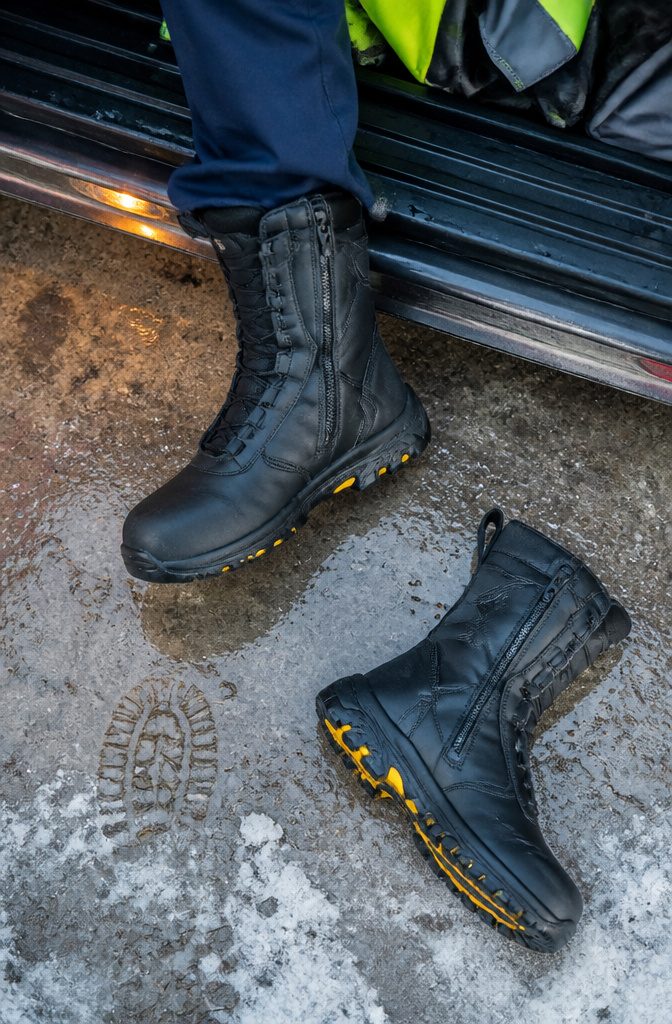
HAIX Airpower XR1 Pro Grip Xtreme stands out for grip on ice: the anti-slip sole uses yellow elements to hold over wet or dry ice, and the road/terrain profile supports heel-to-toe movement across slick surfaces.
It is NFPA quad-certified and EH resistant up to 18kv, with a GORE-TEX CROSSTECH liner that blocks water, chemicals, and bloodborne pathogens.
The HAIX zipper and lacing system makes donning and doffing fast when you are in and out of vehicles or buildings all shift. At $459, it sits at the upper end of what duty boots cost.
HAIX Enforce X High Winter offers 7-inch height and 500 g/m² insulation for roles that demand warmth and ankle support. Named options in this category run $169 to $604, with the spread driven by certification level and insulation weight.
Skip these if your work does not require safety certification. The protective features add weight and cost you will not use on a commute or weekend errands.
Waterproofing and Snow Protection
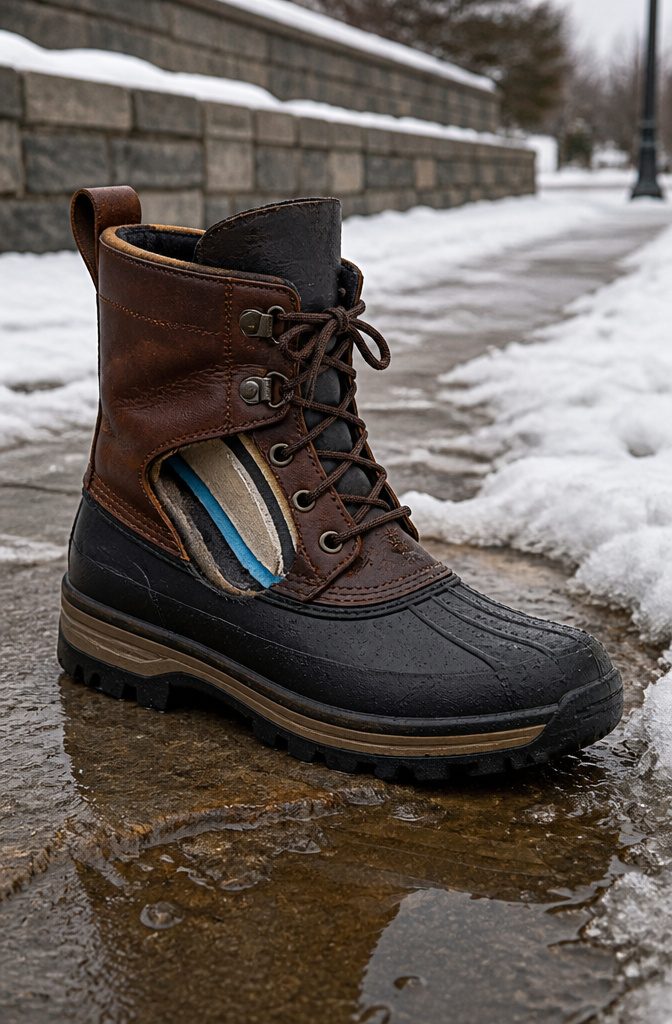
Waterproof construction starts with the membrane (GORE-TEX is common in dedicated snow boots), which sits between the outer shell and the lining to block water while letting vapor out.
Seams are sealed where the membrane meets other materials, and rubber coverage at the toe and heel provides a second barrier where abrasion is highest.
Leather and suede uppers shed water when treated, though they need reapplication over time. Merrell’s standard defines waterproof as preventing water entry under normal use conditions, which for snow boots means packed snow, shallow puddles, and slush on sidewalks.
Shaft height sets the practical limit.
The North Face Chilkat V 400 lets water in at just over 7 inches, while the UGG Butte fails at 6.5 inches, both below the top of the boot. The tongue gusset is the weak point.
A 10-inch shaft on the Shellista VI gives more clearance, but step into anything deeper than the lacing and no membrane will save you. Rubber coverage helps: boots with a higher wrap shed snow before it reaches fabric.
Insulation and Warmth Ratings
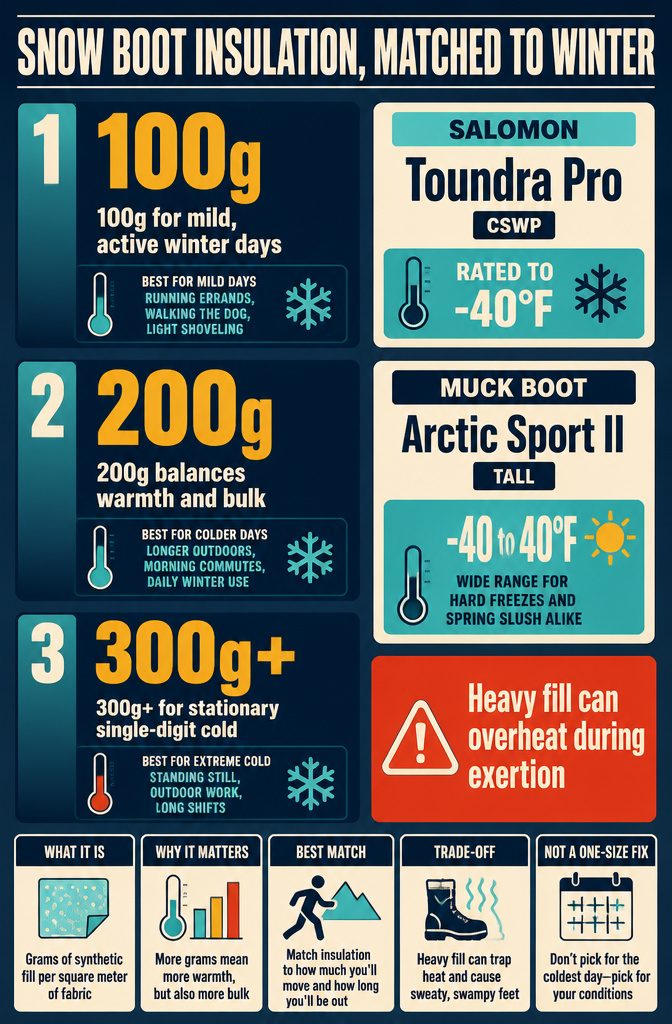
Insulation in snow boots is measured in grams of synthetic fill per square meter of fabric.
100g insulation suits mild winter days when you’re moving around: running errands, walking the dog, light shoveling. Step up to 200g for colder mornings or longer stretches outdoors; most winter boots land here because it balances warmth against bulk.
300g or higher is for standing still in single-digit temperatures or working outside through a long shift. The Salomon Toundra Pro CSWP is rated to -40°F with that heavier insulation.
The Muck Boot Arctic Sport II Tall uses 5mm neoprene and fleece rather than gram-rated fill, and the brand rates it from -40 to 40°F, a wide range that covers hard freezes and spring slush alike.
The catch with heavy insulation is overheating.
If you’re shoveling or hiking uphill, 300g can turn your feet swampy inside waterproof boots. Match the insulation to how much you’ll move and how long you’ll be out, not to the coldest day on the calendar.
Frequently Asked Questions
What makes a snow boot waterproof?
A waterproof membrane like GORE-TEX sits between the outer shell and lining to block water while releasing vapor.
Sealed seams where materials meet and rubber coverage at high-wear zones like the toe and heel add a second layer of protection. Leather and suede uppers need periodic treatment to maintain water resistance.
How much insulation do I need in winter boots?
100g handles mild winter days with activity, 200g covers most cold mornings and longer outings, and 300g or more suits standing still in single-digit temps.
Heavy insulation can cause overheating during active use, so match grams to how much you’ll move rather than the coldest possible day.
How tall should snow boots be?
Shaft height sets the practical limit for water protection.
A 6.5-inch boot fails in moderately deep slush, 7 to 8 inches handles cleared sidewalks and packed snow, and 10 inches or taller keeps powder out during deeper crossings. Water enters above the shaft no matter how good the membrane.
Are slip-on winter boots as warm as lace-up boots?
Slip-on boots like the Muck Boot Arctic Sport Mid offer the same insulation levels but fit looser, which reduces support on uneven ground.
The trade is convenience: you can kick them on for outdoor chores without wrestling laces. Thick wool socks help fill extra space and add warmth.
Do winter boots run true to size?
Many winter boots run small or narrow. The North Face Chilkat V 400 needs a full size up to fit thick socks without cramping toes, and the Oboz Bridger runs narrow at the heel.
Check fit notes before ordering and plan to size up if you’ll wear heavy socks.
Can you hike in insulated winter boots?
Lighter boots with 200g insulation like the Merrell Thermo Chill 2 Mid move like trail runners and handle packed snow and maintained paths.
Heavier boots with 300g or more feel bulky over distance and can overheat during uphill stretches. Match insulation and weight to how far you’ll walk.
What is the best winter boot for extreme cold?
The Baffin Impact handles temps well below zero with a removable liner and Thermaplush insulation around a honeycomb footbed that traps warm air.
It works for stationary outdoor work like ice fishing or equipment monitoring but weighs too much for hiking or regular walking.
Are rubber winter boots better than leather?
Rubber boots like the Muck Boot Arctic Sport stay waterproof all the way to the top of the shaft and shed mud with each step, which suits wet outdoor chores.
Leather boots need periodic conditioning but offer a more refined look for town wear. Pick based on where you’ll wear them most.