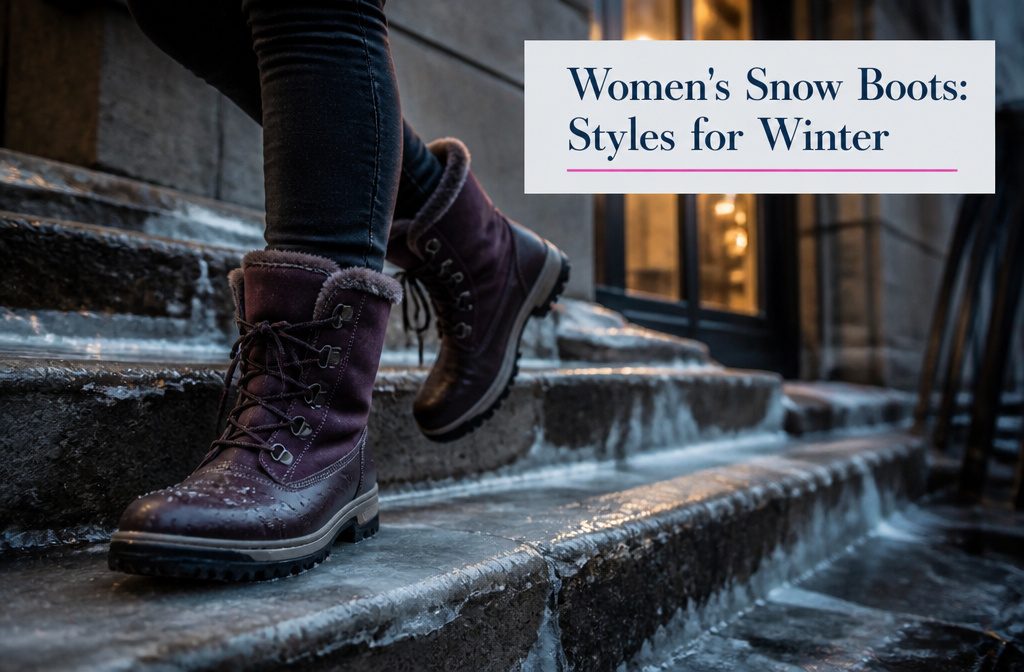
Snow boots for women are insulated, waterproof boots built to handle winter conditions without soaking through or leaving your toes numb.
Most use 200 grams of synthetic insulation rated between 0°F and −25°F, but that warmth comes with weight: a typical pair sits around 3 pounds, and lighter styles sacrifice either temperature rating or water resistance to drop below 2 pounds.
The Salomon Toundra Pro stayed planted on refrozen ice where other boots slipped in CleverHiker’s testing, holding traction at 1 lb. 4 oz. with Aerogel insulation rated to −40°F.
1. Hiking and Rugged Winter Conditions
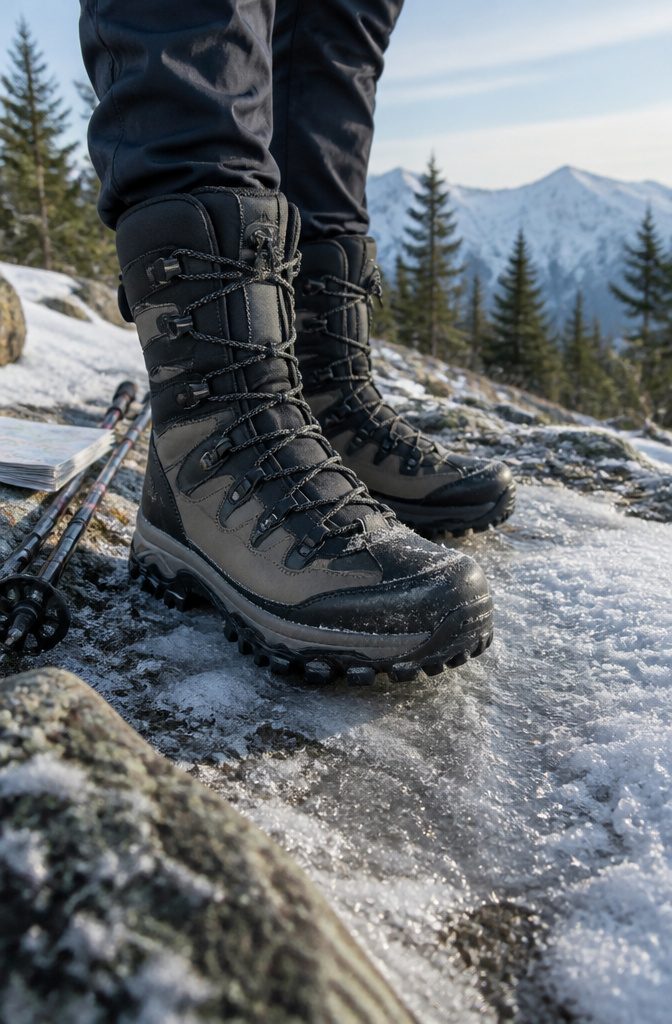
The Salomon Toundra Pro weighs 1 lb. 4 oz. and handles slick rock and ice better than anything else CleverHiker tested, staying planted on refrozen, hard-packed trails where other boots slipped.
The Aerotherm Aerogel insulation holds warmth to −40°F, which kept feet comfortable in deep powder near Little Molas Lake but ran too hot during shoulder-season hikes.
The tall shaft and half-size availability let you dial in fit without hot spots, though the boots feel slightly heavy on dry ground and will wet out after long submersions. The Toundra Pro costs $220.
The KEEN Revel IV Polar trades some of that traction for a more adjustable fit and lighter feel on technical terrain where you need ankle support but still want to move fast.
2. Everyday, Casual, and Office Wear
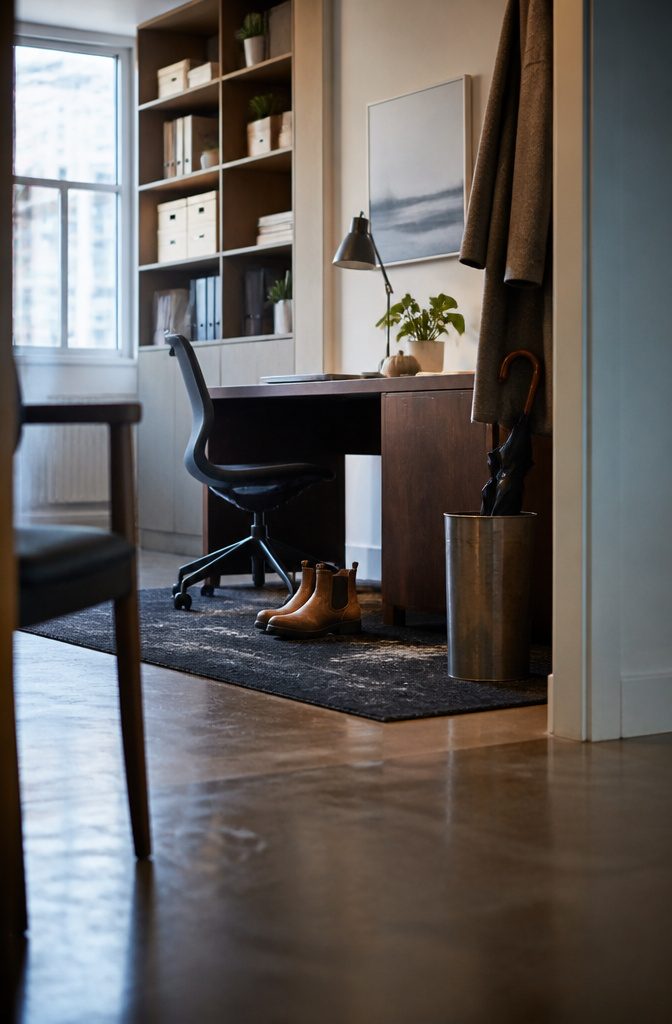
The Blundstone Thermal Chelsea works better than casual sneakers or clogs when you need something clean enough for the office but still functional in cold weather.
The boot weighs 1 lb. 13.8 oz. and uses a wool-lined insert with a leather upper, which keeps feet warm without the bulk of a tall snow boot.
The shorter upper makes them lighter and easier to move in after hours on your feet, though that same height means snow deeper than the ankle gets in.
They cost $250, which sits high for a Chelsea boot but makes sense given the construction holds up: some pairs last close to a decade with year-round wear.
The insulation is synthetic fiber rather than down, so they dry faster if they get wet.
Blundstone uses Australian sizing, so check the chart before ordering online. The tread is less aggressive than a hiking boot, which keeps them quieter indoors and makes them pass as regular footwear in most offices.
For errands, commuting, or desk work in winter, they fill the gap between a real snow boot and street shoes.
3. Deep Snow and Powder
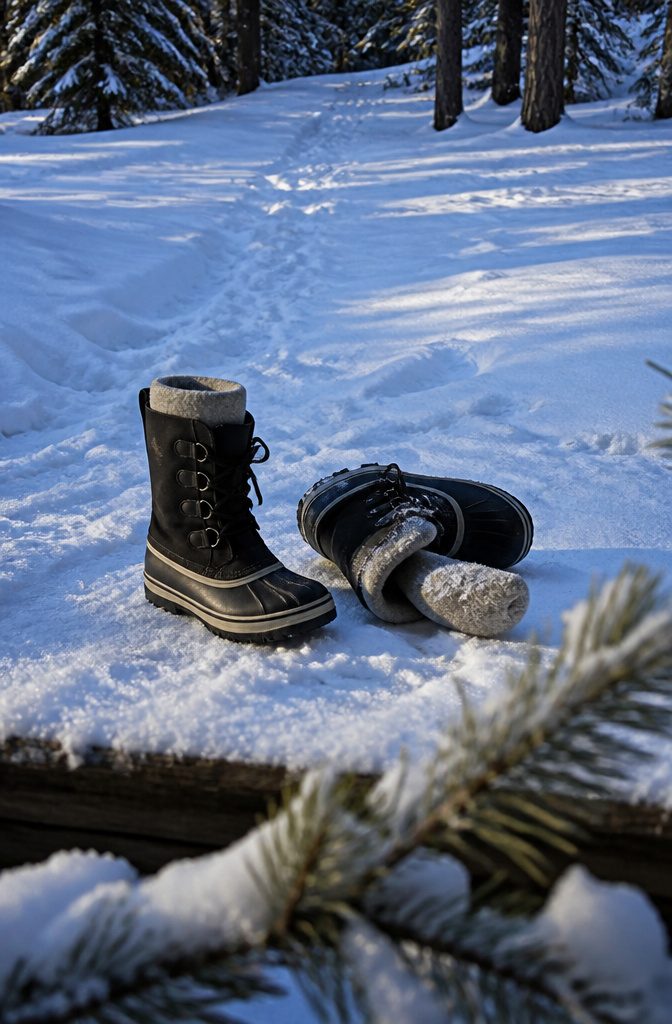
The Sorel Caribou weighs 3 lb. 6 oz. and handles powder well enough to have earned a place in rotation for years.
The boots sit 9 inches tall, and the snow collar at the top keeps powder from spilling in during deep days. The felt insert is removable, which speeds drying when the boots do get wet.
They are rated to −40°F with 9 mm recycled felt insulation, though that level of warmth means they feel heavy after extended wear. Proper sizing helps, but the weight still shows up as foot fatigue on long outings.
The price is $250, steep but backed by durability that outlasts cheaper options. The boots slip on easily, and the water resistance holds up in conditions where lighter options would soak through.
4. Wet Conditions, Slush, and Standing Water
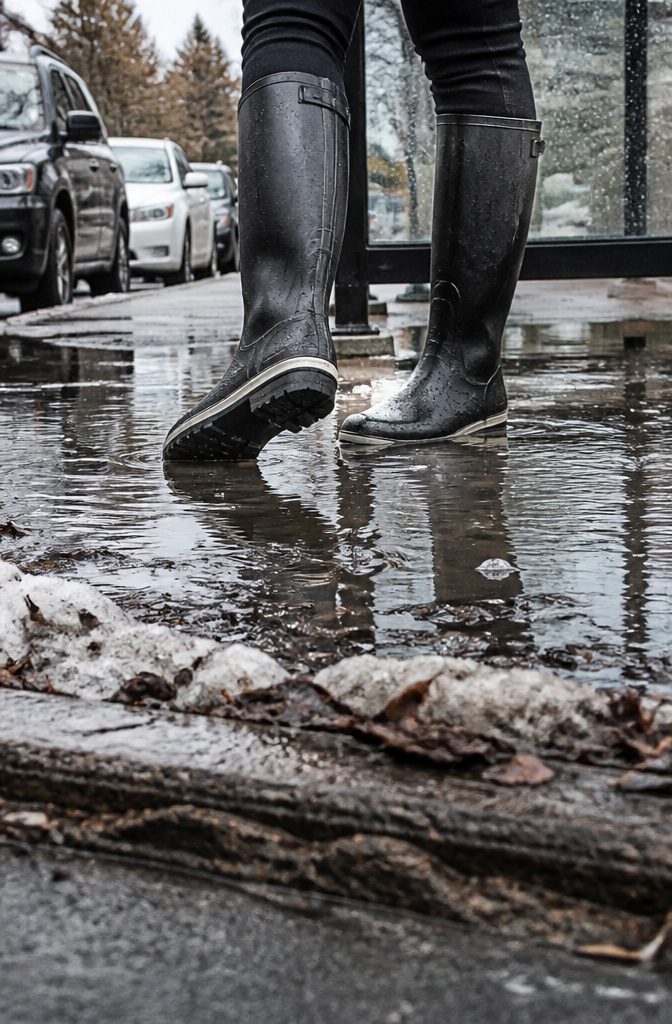
When slush puddles sit deeper than your ankle or rain turns the walk into standing water, the Xtratuf Legacy 15-inch holds up after two hours fully submerged. It weighs 1 lb.
12 oz. per boot, carries no insulation, and costs $175. The tall rubber shaft keeps meltwater out when you step through a crosswalk lake or stand in wet grass waiting for the bus.
The Bogs Neo Classic Tall ($155, 3 lb. 6 oz.) takes the same conditions but adds warmth: 5 mm neoprene insulation rated to −58°F makes it the waterproof option when temperature matters as much as staying dry.
It runs large, so size down half if you fall between. Both styles seal out water; the Xtratuf stays lighter and the Bogs keeps your feet warm.
5. Quick On-and-Off Styles
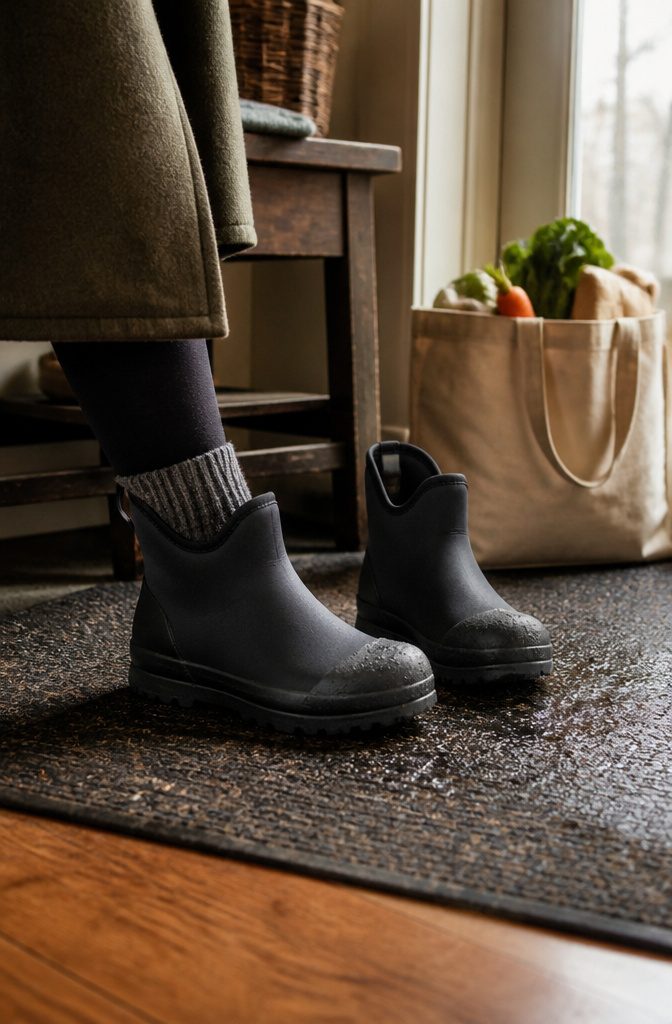
The Bogs Arcata takes 3 seconds to get on, no laces or wrestling required.
The slip-on design uses 7 mm Neo-tech neoprene that flexes as you push your foot in, then holds snug enough that the boot doesn’t shift when you walk. At 3 lb.
1 oz. for the pair, they’re heavier than a sneaker but lighter than most lace-up winter boots, and that weight includes a temperature rating down to −58°F. I’d reach for these when I’m carrying groceries or need to get outside fast (the kind of boot that lives by the door rather than in the closet).
They run true to size and cost $185, which sits in the middle of the insulated slip-on category.
6. Warm, Insulated, Cozy Styles
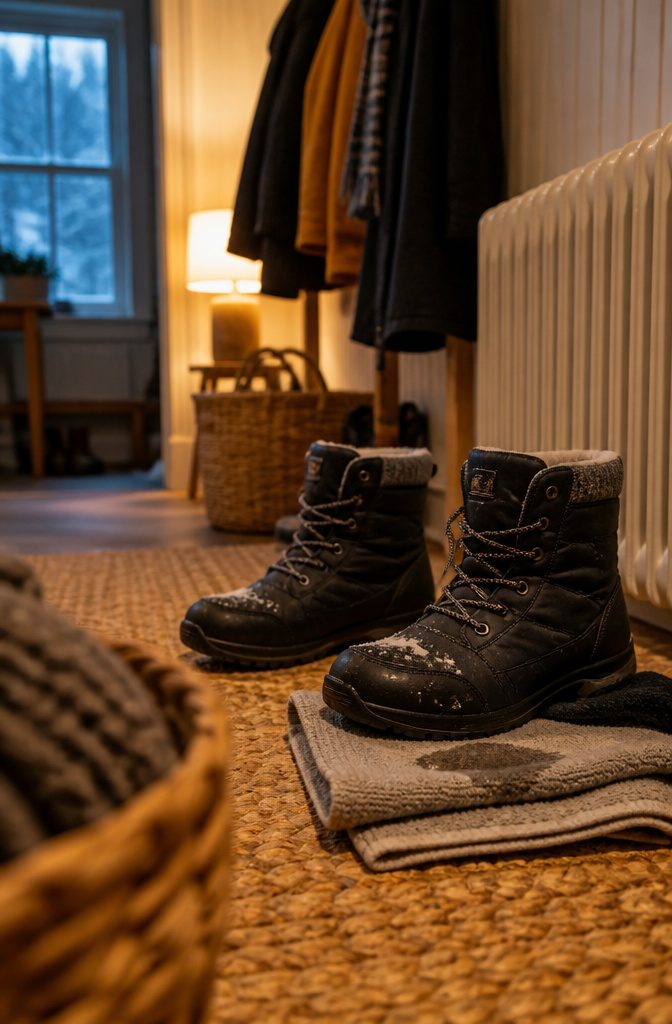
The Columbia Minx Shorty IV sits at **1 lb.
8 oz.** and carries 200 g of synthetic-fiber insulation rated to −25°F, which puts it squarely in the category of boots built for actual cold rather than the kind that look warm but leave your toes numb by the time you reach the car.
CleverHiker named it their most comfortable pick, and at $120 it runs true to sizing, so you can order your usual number and expect it to fit.
The catch: it held up for 45 minutes in water-resistance testing before absorbing moisture, which means it handles light snow and brief puddles but not standing slush.
Boots with knit collars and soft linings (Bearpaw and Koolaburra by Ugg both lean into that hibernator aesthetic) prioritize coziness over technical specs, and if your winter involves more indoor warmth than outdoor miles, that trade works.
Laces let you cinch the fit; side zippers let you skip the laces entirely when you’re already late.
7. Wide-Width and Fit-Specific Options
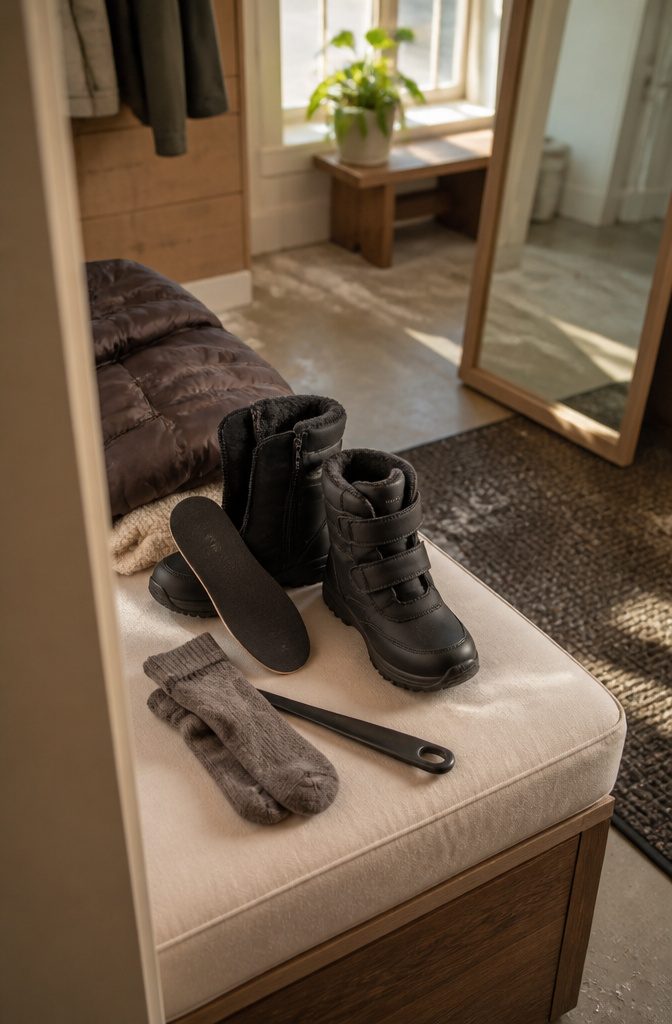
Merrell’s filter shows 29 medium-width boots and 2 wide, which tells you the wide selection thins fast if you need the extra room.
Propét routes you differently: many of their boots come built for diabetic and orthotic use, with removable footbeds that fit custom orthotics, and they qualify for reimbursement under Medicare’s Therapeutic Shoes for Persons with Diabetes Benefit.
That matters if you’re working with a medical prescription rather than just a preference for width.
The Propét styles also mark each boot with icons for the foot conditions it accommodates, so you filter by need instead of guessing from a size chart.
If you’re shopping solely on width and not on orthotic clearance, check whether the brand stocks it before you spend time on features.
Water and Weather Protection
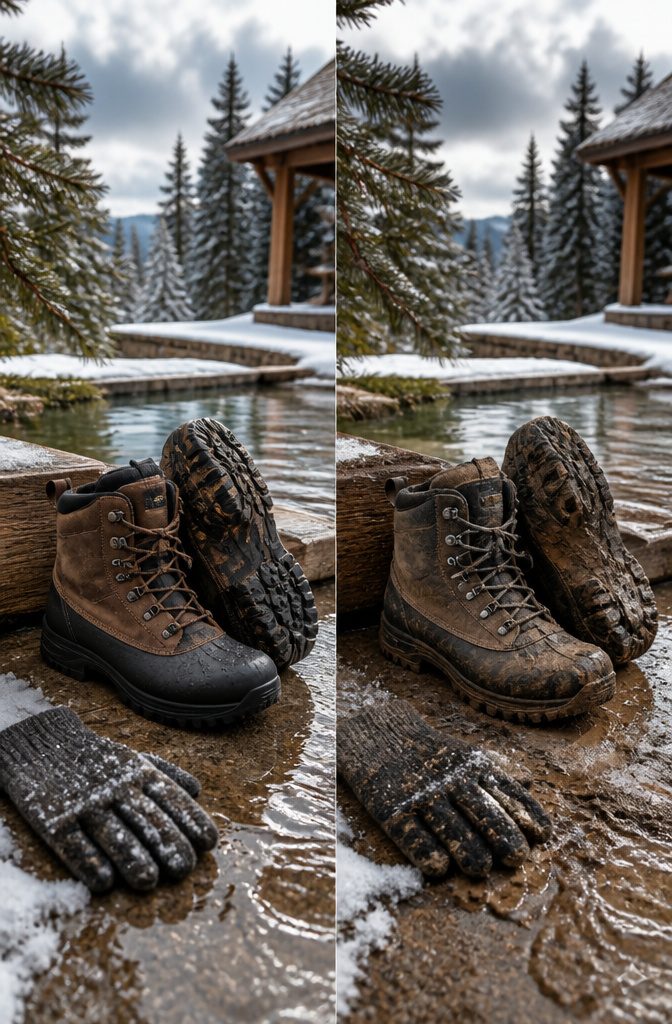
Most snow boots promise waterproof protection because winter throws rain, sleet, slush, and standing water at you on the same walk.
The Oboz Bridger 7" and UGG Adirondack both stayed completely dry inside after two hours submerged in several inches of water, which matters when you step into a hidden puddle or spend an afternoon in wet snow.
Xtratuf 15" Legacy boots deliver the same result, built as deck boots for commercial fisherwomen where water resistance is non-negotiable. Merrell alone lists 29 waterproof products in their winter boot lineup, blocking slush and snow with sealed materials.
The original design matters here: boots engineered for wet environments rather than adapted from hiking models tend to hold up longer when moisture is unavoidable.
Warmth and Insulation
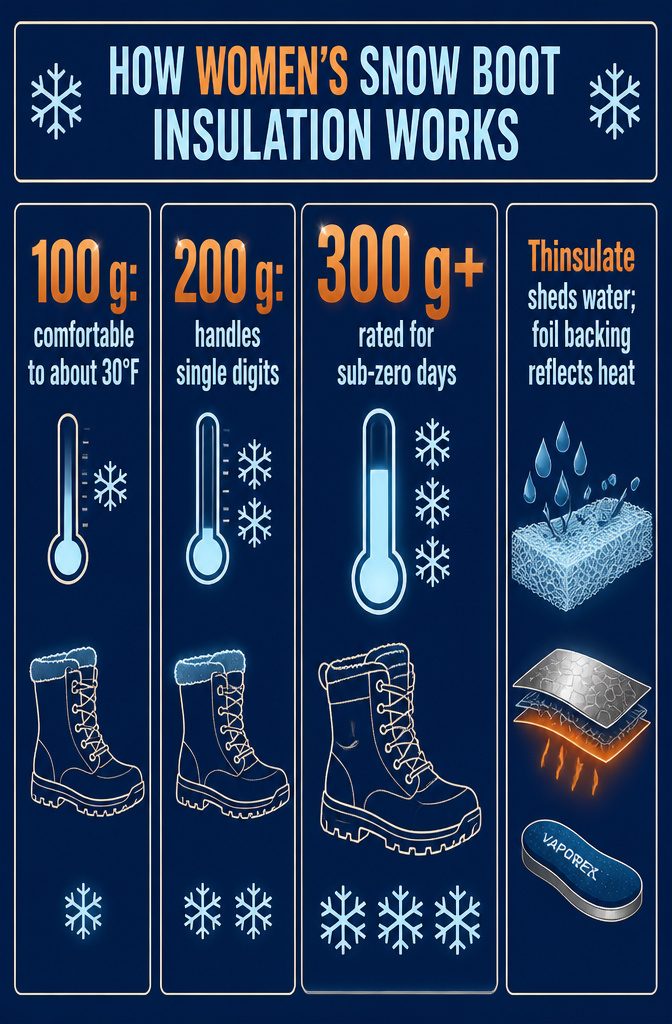
Insulation is what stands between your feet and a frozen commute.
Most women’s snow boots use synthetic fill measured in grams: 100 g keeps feet comfortable down to about 30°F, 200 g handles single digits, and 300 g or more is rated for sub-zero days.
Merrell sorts its line that way: 3 styles at 100 g in the warm tier, 23 at 200 g under warmer, and 2 at 300 g+ for warmest.
The Thermo Chill 2 Mid uses 200 g synthetic paired with a micro-fleece lining, a combination that adds bulk protection without much weight.
Propét takes a different route with 3M Thinsulate, a material built from lightweight synthetic fibers that shed water instead of soaking it up.
That matters if you’re out long enough for snow to melt against the boot. The Vaporex insole inside adds a foil backing to reflect heat rather than letting it escape through the footbed.
Traction on Ice and Snow
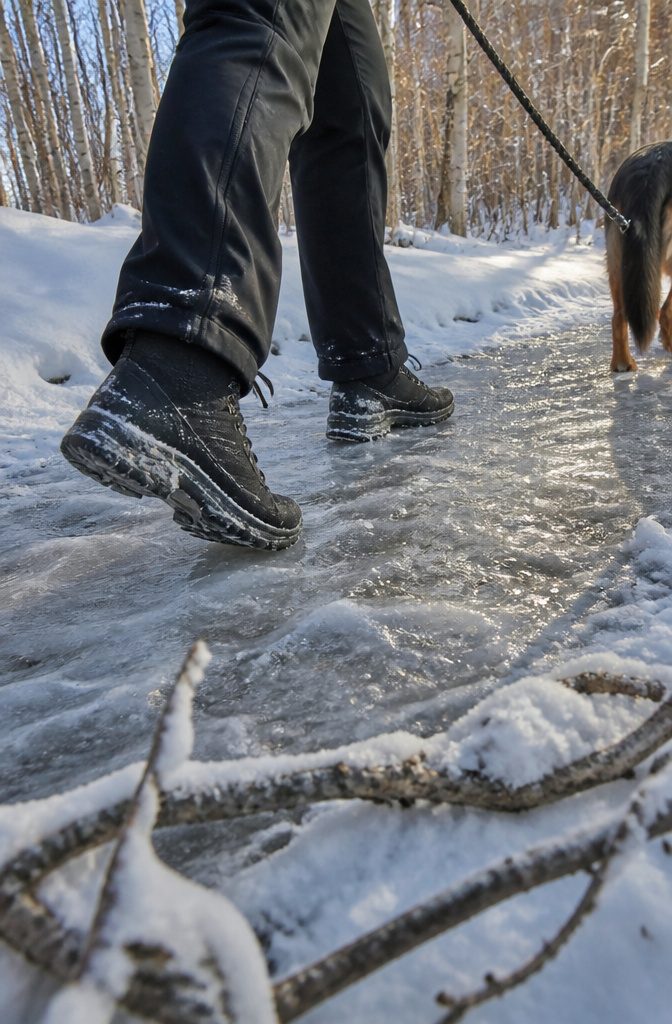
Traction comes down to grip in the kind of conditions where a misstep costs you.
The Salomon Toundra Pro outperformed every other boot in side-by-side testing on slick rock and ice, and that lab result held up on refrozen, hard-packed ice around Durango, Colorado.
Even when walking a large dog, the footing stayed secure. Snow boots in general rely on deep tread to bite into snow and ice, which matters most when the surface has gone through a freeze-thaw cycle and turned glassy.
Merrell’s Arctic Grip takes a different approach, engineered specifically for wet ice rather than just packed snow. If your winter involves a lot of ice rather than powder, that distinction decides which boot keeps you upright.
Frequently Asked Questions
What are the warmest women’s snow boots?
The Bogs Neo Classic Tall and Bogs Arcata both carry ratings to −58°F, making them the warmest options tested.
The Sorel Caribou and Salomon Toundra Pro are rated to −40°F, while the Columbia Minx Shorty IV handles −25°F. Insulation level matters: 200 g synthetic handles single digits, 300 g or more covers sub-zero days.
What are the best waterproof snow boots for women?
The Xtratuf Legacy 15-inch, Oboz Bridger 7", and UGG Adirondack all stayed completely dry after 2 hours submerged in water. The Xtratuf weighs less at 1 lb.
12 oz. and costs $175, while the Bogs Neo Classic adds insulation for wet cold conditions. The Columbia Minx Shorty IV lasted only 45 minutes before absorbing moisture, so it works for light snow but not standing slush.
What snow boots have the best traction on ice?
The Salomon Toundra Pro stayed planted on refrozen, hard-packed ice where other boots slipped, outperforming every competitor in side-by-side testing.
Merrell’s Arctic Grip technology is engineered specifically for wet ice rather than packed snow. Deep tread patterns bite into snow and ice after freeze-thaw cycles turn surfaces glassy.
How much do women’s snow boots weigh?
Weight ranges from 1 lb.
4 oz. for the Salomon Toundra Pro to 3 lb. 6 oz. for the Sorel Caribou.
Most insulated boots land between 1.5 and 2 pounds per boot. Heavier boots typically carry more insulation or taller shafts, while lighter options trade warmth for easier movement over long days.
Can you wear snow boots in the office?
The Blundstone Thermal Chelsea works as office footwear because the shorter upper and less aggressive tread pass as regular boots indoors. They weigh 1 lb.
13.8 oz., use a wool-lined insert for warmth without bulk, and stay quiet on hard floors. Snow deeper than the ankle gets in, so they suit commutes and desk work better than outdoor activity.
What women’s snow boots come in wide widths?
Merrell lists 29 medium-width boots and only 2 wide options, so selection thins fast if you need extra room.
Propét builds many boots for diabetic and orthotic use with removable footbeds that fit custom orthotics, and they mark each style with icons showing which foot conditions it accommodates.
Check whether a brand stocks wide before spending time on other features.
How tall should snow boots be?
The Sorel Caribou sits 9 inches tall with a snow collar that keeps powder from spilling in during deep snow days.
Shorter boots like the Blundstone Thermal Chelsea are lighter and easier to move in but let snow in above the ankle.
Tall rubber shafts on the Xtratuf Legacy 15-inch and Bogs Neo Classic block meltwater when you step through standing puddles.
How much insulation do snow boots need?
100 g keeps feet comfortable to about 30°F, 200 g handles single digits, and 300 g or more covers sub-zero days.
The Columbia Minx Shorty IV uses 200 g synthetic rated to −25°F, while the Bogs styles use 5–7 mm neoprene rated to −58°F. Synthetic fill sheds water better than down if snow melts against the boot.