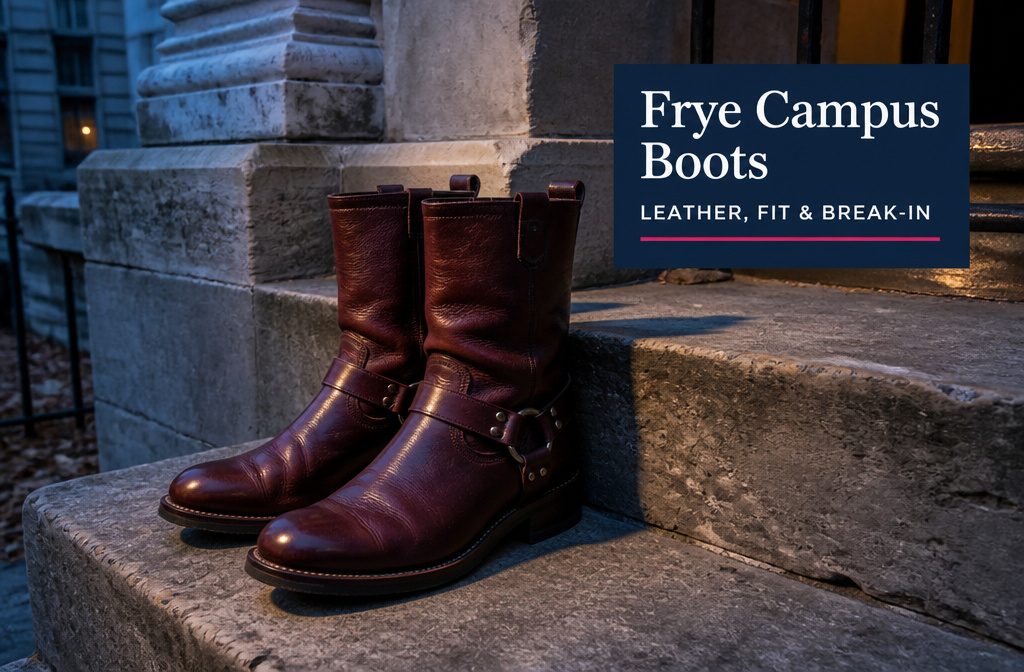
Frye Campus boots are mid-calf pull-on leather boots with a single harness strap across the shaft, built on a Goodyear welted sole that runs closer to a work boot than a Western one.
The fit runs true to size, but the stiff full-grain leather needs two to three weeks of gradual break-in before it softens enough for all-day wear.
Rush it and you double that timeline. New pairs sit around $300 to $400 retail, though resale listings move between $120 and $200 depending on how much the leather shows its age.
What Frye Campus Boots Are
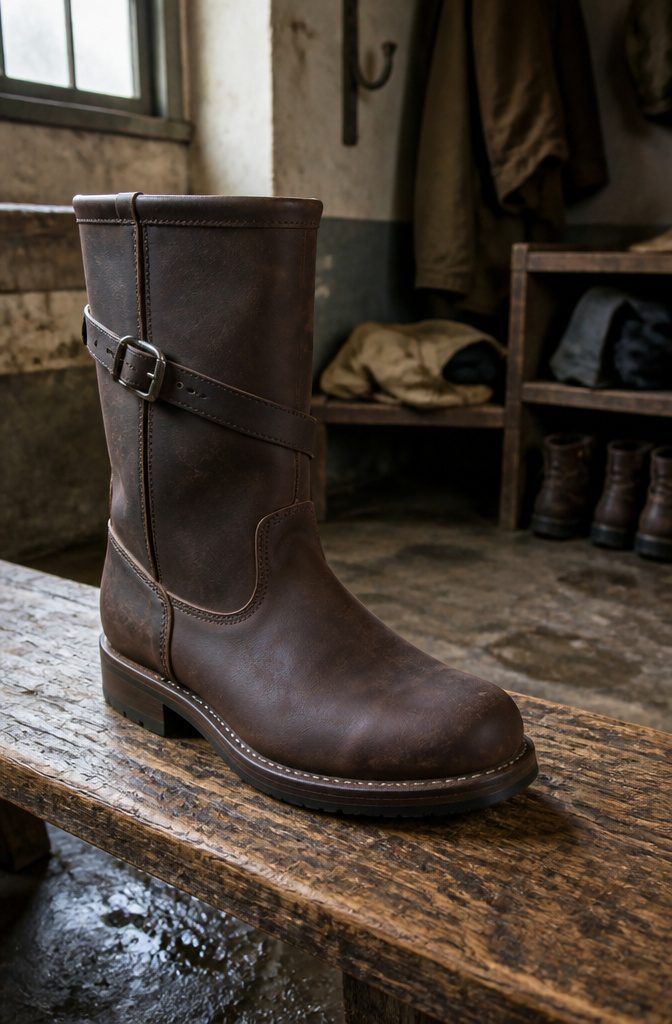
The Frye Campus boot is a mid-calf pull-on style with a single harness strap buckled across the shaft.
The strap sits a few inches below the top line and angles slightly; it started as a functional detail on riding boots and now gives the silhouette its defining mark.
The shaft runs straight rather than fitted, which means the boot slips on without a zipper and sits loosely around the calf.
Frye built its reputation on bench-made leather boots in the 1860s, and the Campus line leans into that workwear inheritance: unlined leather, Goodyear welted soles, and hardware heavy enough to last through years of daily wear.
The last is narrow through the heel and straight through the toe, closer to a work boot than a Western one.
That shape holds up better in rain and snow than most fashion boots, but it also means the break-in period runs longer.
Recommended Products

Flattering Mid-Calf Boots: Feature a perfect mid-calf height that elegantly complements your silhouette. This versatile design, paired with a round toe and subtle stitching, creates a timeless and chic look suitable for various occasions.

WESTERN DESIGN: Beat the day with these women’s work boots from Ariat’s versatile footwear collection. Showcasing seamlessly blended features of western and work boots, these will be your country fashion that won’t betray you while working at the barn.
The Leather They Use and How It Ages
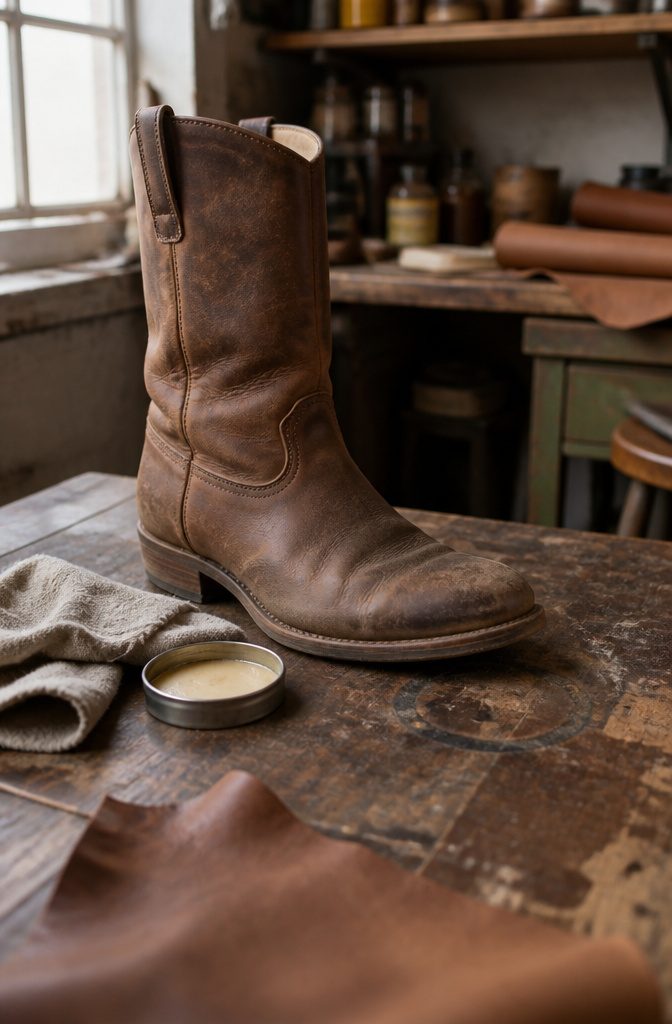
Frye builds the Campus boot from full-grain leather, the top layer of the hide that keeps the fiber structure intact.
That density is why the boot holds its shape through years of wear instead of collapsing at the ankle the way corrected-grain leather does once the finish cracks.
The patina comes from oil migration and surface scuffs accumulating unevenly: the creases at the vee of the boot darken first, then the toe cap where it meets pavement.
A pair worn daily shows visible character by six months and settles into its final color range somewhere past the year mark, though the rate depends on how often the leather sees weather.
Condition it when the surface starts to look dry rather than on a schedule; full-grain leather telegraphs its needs by going dull before it cracks.
Recommended Products
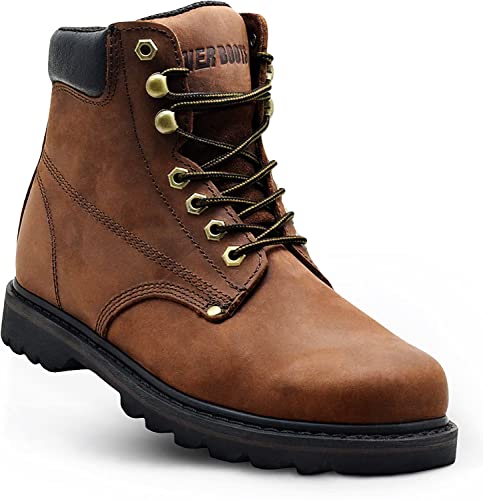
Ever Yours – Get ready to get stuff done your way. Pull on your leather Ever Boots for men and women on a mission. Your Tank boots are here to carry you at work, at home, and all points between.

Electrical Hazard footwear provides protection against live electrical currents and meets ASTM F2892-18 EH standards

Sizing Tip - Order Up for Best Fit: Belt sizing is based on waist measurement, not pant size. Most customers order 1-2 sizes up from their jean size for a comfortable fit, especially when worn with thick denim or western buckles.
How the Fit Runs
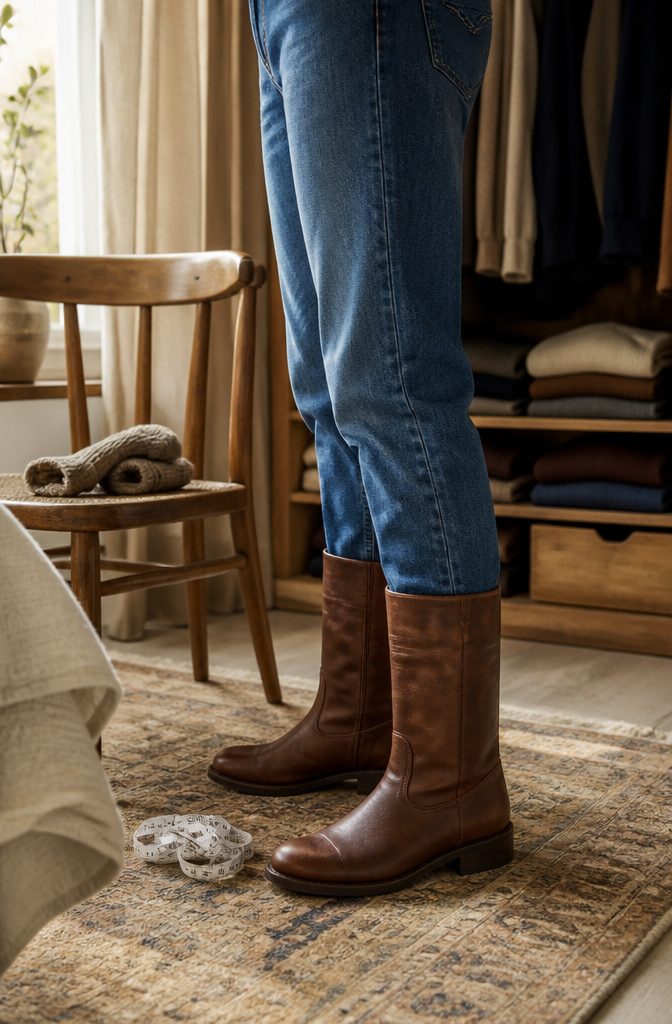
Campus boots from Frye run true to size for most wearers, but the fit depends on whether you plan to tuck jeans in or wear them over the shaft.
The leather starts stiff and molds to your foot over the first few weeks, so a snug fit at purchase usually loosens into something comfortable.
If you have wider calves, measure the circumference at the widest point before ordering. The shaft sits close and does not stretch much past its listed measurement.
I size the same as I do in other leather boots.
The toe box gives enough room that going down feels too loose once the boot breaks in, and sizing up leaves the heel slipping before the leather has had a chance to conform.
If you are between sizes and prefer thick socks, go with the larger one.
Recommended Products


Shoes have UK sizes written on their box e.g. if you order us size 8 from the drop-down menu, you will receive UK size 7 written on the shoes
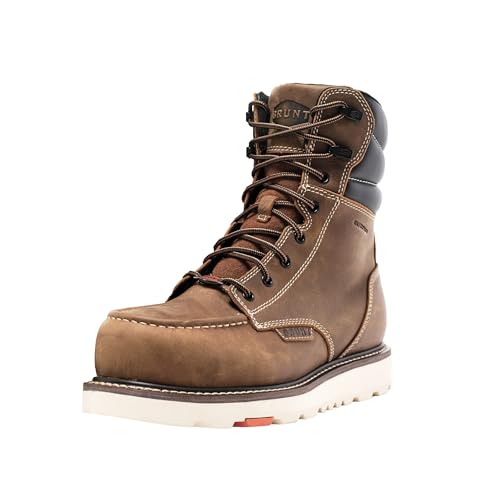
WORK BOOT - Engineered with a resoleable Goodyear welt construction to extend the overall life of the boot, the Marin 8” Welted is built for heavy-duty jobsites. This ultra-durable boot delivers additional support and stability & next-level comfort.
What They Cost New and Where Prices Sit Used
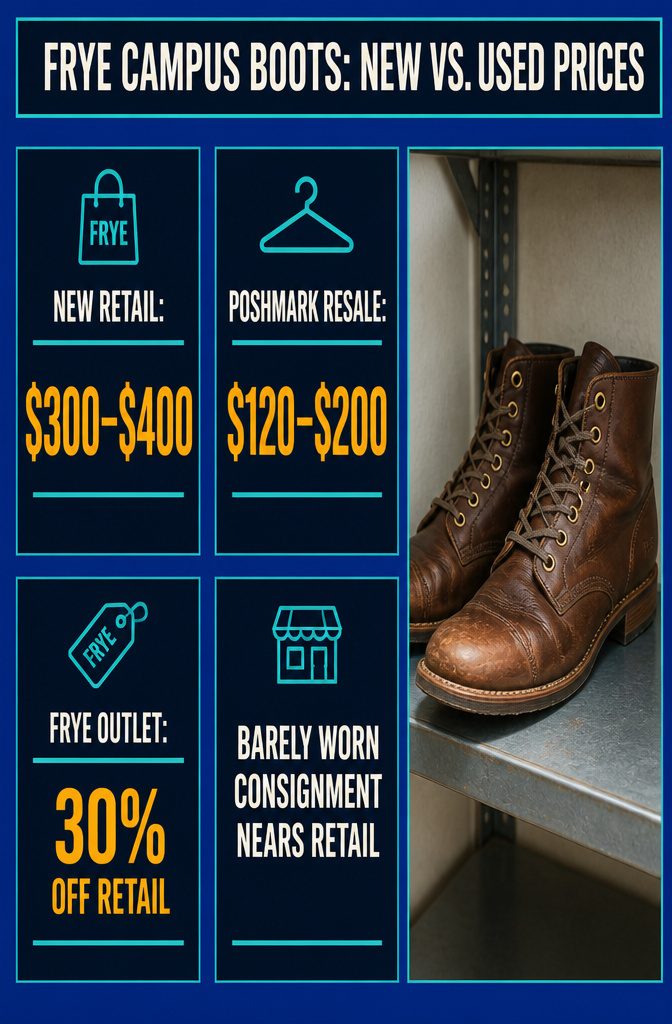
New Campus boots sit around $300 to $400 retail, though prices vary by style and whether you catch a sale. The Frye site runs promotions a few times a year, and Nordstrom or Zappos sometimes discount older colorways.
The resale market moves fast.
Gently worn pairs on Poshmark typically list between $120 and $200, depending on condition and how much the leather shows its age. eBay pricing runs similar, though auction listings can go lower if the photos are poor or the size is unusual.
Consignment shops price them closer to retail when they’re barely broken in, which defeats the point unless you want someone else’s arch already molded in.
Outlet stock is inconsistent. When Campus boots land at a Frye outlet, expect 30% off retail, but the selection skews toward less popular leathers.
Recommended Products

Color: Brown Leather, Silver Colored Hardware

DURABLE FULL GRAIN LEATHER: Full Grain leather is made from the strongest part of the animal hide and therefore makes the most durable and most water-resistant form of leather. Additionally Over the time with use it will get glossy.

COATED LEATHER: These Men's Harness Cowboy Boots are made of coated leather with a genuine leather base and a protective polymer coating (not full-grain). They offer uniform in color, weather and scratch resistant, with a long-lasting high-gloss finish
How I Style Them With Jeans
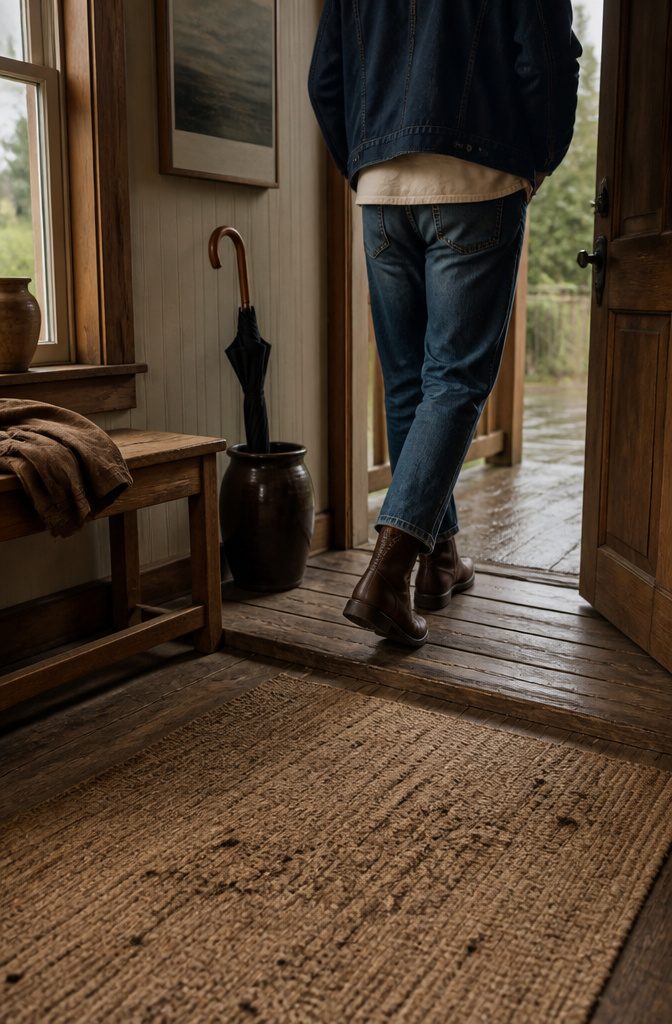
I wear mine most often with straight-leg jeans that hit just above the ankle, so about an inch of the boot shaft shows when I stand. The slight taper keeps the line clean without competing with the boot’s bulk.
Skinny jeans work if you tuck them in, but the opening on the Campus boot runs narrow enough that anything heavier than lightweight denim bunches at the calf.
I cuff once if the hem would otherwise cover the pull tab (losing that detail flattens the silhouette).
On top, something structured enough to match the boot’s weight: a denim jacket, a cotton work shirt, or a cropped leather jacket that ends at the natural waist so the proportions don’t tip heavy.
The Western stitching on the shaft reads louder with a plain tee than with anything else competing for attention, so I leave patterns and prints for when I’m wearing something quieter on my feet.
Recommended Products

Flattering Silhouette: Designed with a rounded square toe and a straight shaft, these knee-high boots create a sleek, structured profile and naturally elongate your legs.

Flattering Silhouette: Designed with a rounded square toe and a straight shaft, these knee-high boots create a sleek, structured profile and naturally elongate your legs.

Flattering Silhouette: Designed with a rounded square toe and a straight shaft, these knee-high boots create a sleek, structured profile and naturally elongate your legs.
What to Avoid When Breaking Them In
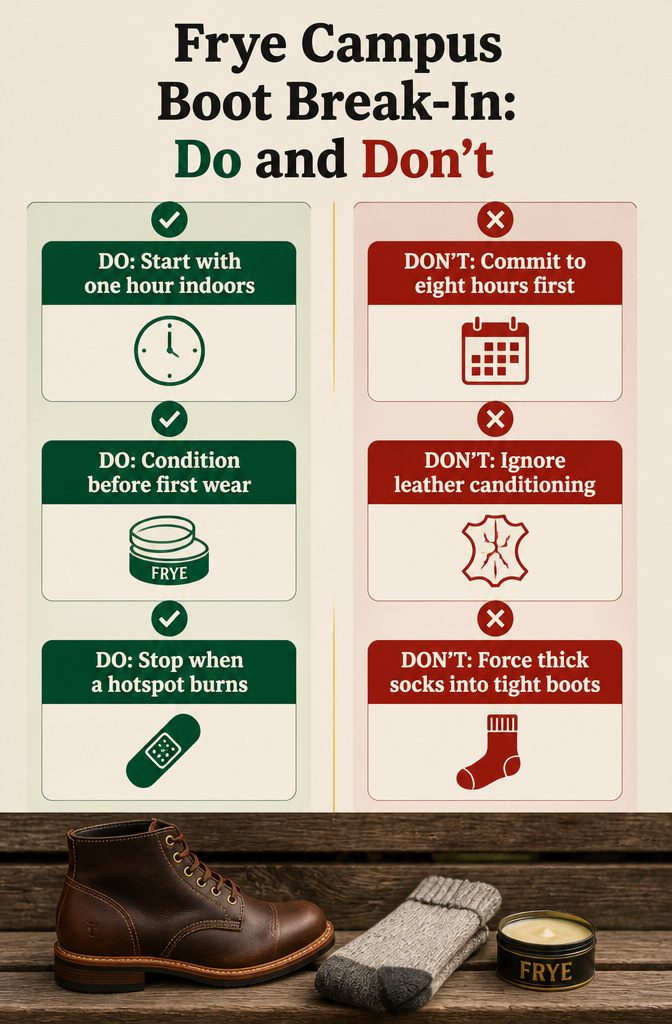
The first few wears decide whether the leather shapes to your foot or carves a blister into it. A few missteps stretch that window from two weeks to two months.
- Don’t wear them for a full day right away. Start with an hour around the house, then two, building to half a day before you commit to eight hours or a long walk. The leather needs time to relax at the ankle and across the vamp, and pushing it too soon leaves you limping.
- Skipping leather conditioner dries the hide out. Condition before the first wear and again after the first week. Dry leather cracks instead of bending, and a crack near a flex point won’t heal.
- Ignoring a hotspot turns it into a blister by midday. If a spot burns or rubs, stop and either add a bandage or switch shoes. The same spot will hit harder tomorrow, not softer.
- Thick socks sound helpful but can backfire. They cushion, but they also take up room the boot wasn’t sized for, which tightens the fit exactly where the leather is stiffest. A medium-weight sock gives enough protection without jamming your toes forward.
Most Campus boots soften enough for all-day wear within two to three weeks if you build up gradually. Rush it and the timeline doubles.
Recommended Products

All-Day Comfort: These women's slouchy mid-calf boots come with a super soft latex insole that feels like you're walking on clouds. Whether you're standing or walking for hours, you'll love how comfy and supportive these mid-calf boots for women are.

WATERPROOF LEATHER UPPER - The upper of ankle boots is made of light- Faux Leather material — spill-resistant. Synthetic leather is also easy to handle and care for. Perfect for a chic and contemporary look. The insole is soft and fully cushioned, which feels good against the foot and reduces impact when walking. They are also highly breathable

Sizing Tips: This boot features a non-stretch shaft without zipper, which may feel snug when putting on, especially around the ankle. Once on, the fit at the instep and toe area is true to size. If you have wider ankles or higher insteps, consider sizing up for easier entry.
Frequently Asked Questions
Recommended Products

GIVE YOUR JOURNAL OR NOTEBOOK A STYLISH HOME: Add a touch of chic and class to your diary, notebook or journal with this simple yet stylish XL Journal Cover. Made with Full Grain Leather and típico textiles from the highlands of Guatemala, it will provide your journal with a sturdy, reliable and classy home. Please note: Notebook NOT included with purchase.

[6 months Manufacture Guarantee]Sureway digs deep into every detail of a work boot should be and brings out a more comfortable& durable,better quality work boot.We appreciate & value each one of our customers and try to provide the best customer services.So no more worries,no more hesitation.You will be shocked by the level of quality craftsmanship comfort of our boots.

FULL-GRAIN LEATHER boots, rigorously tested for strength and durability, featuring the lightweight Danner Trailguard TPU shank for stability and underfoot protection on uneven terrain
Do Frye Campus boots run true to size?
Yes, they run true to size for most people.
The leather starts stiff and molds to your foot over the first few weeks, so a snug fit at purchase loosens into something comfortable. If you’re between sizes and wear thick socks, size up.
How long does it take to break in Frye Campus boots?
Most Campus boots soften enough for all-day wear within 2 to 3 weeks if you build up gradually.
Start with an hour around the house and add time each wear instead of forcing a full day right away. Rushing the process doubles the timeline.
What kind of leather are Frye Campus boots made from?
They’re made from full-grain leather, the top layer of the hide that keeps the fiber structure intact. That density is why the boot holds its shape through years of wear instead of collapsing at the ankle once the finish cracks.
How much do Frye Campus boots cost?
New Campus boots retail around $300 to $400, though prices vary by style and sale timing. Gently worn pairs on resale sites like Poshmark or eBay typically list between $120 and $200, depending on condition.
How should I style Frye Campus boots with jeans?
Wear them with straight-leg jeans that hit just above the ankle so about an inch of the boot shaft shows when you stand.
Cuff once if the hem would otherwise cover the pull tab, and pair with something structured on top like a denim jacket or cotton work shirt.