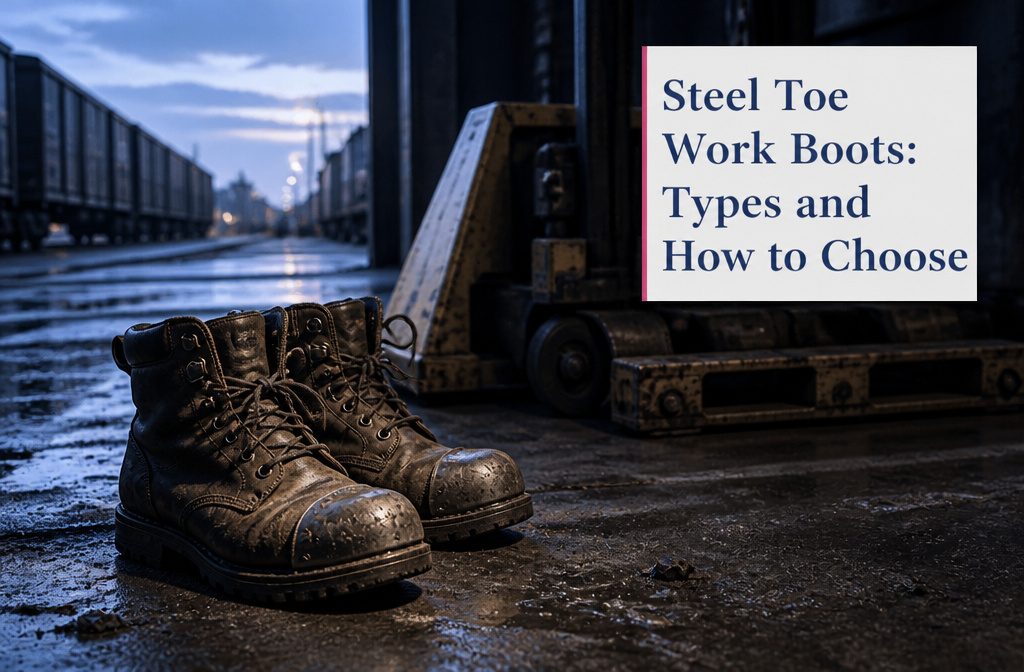
Steel toe work boots place a hardened cap over the toes to handle impact and compression from falling objects or rolling equipment.
The protection comes at a weight cost that composite toes avoid, which is why Wolverine now stocks 87 composite models against 53 steel, even though steel costs less and meets the same ASTM F2413 ratings.
Both Carolina and Wolverine build steel-toe boots across waterproof, insulated and metatarsal-guard styles, so the choice depends on which tradeoff matters more on your site.
1. Steel-Toe Boots
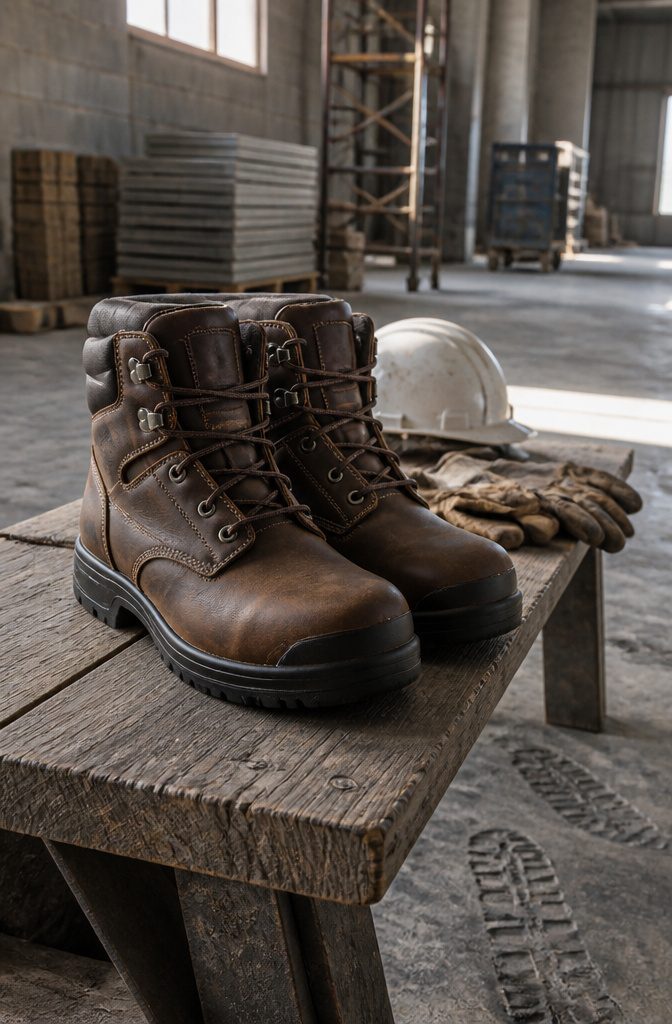
Steel-toe protection is what you see most often on a job site, and the numbers back that up.
Wolverine stocks 53 steel-toe models, Carolina 41, both lines built around the same core promise: a steel cap over the toes to absorb impact from falling or rolling objects.
Carolina describes the threat plainly: heavy equipment and objects. Steel handles it without adding much bulk to the boot itself.
All Wolverine safety toe footwear meet ASTM standard F2413-11 M I/75 C/75 EH to keep you protected from falling or rolling objects.
Both brands meet ASTM F2413 standards, though Wolverine cites the F2413-11 M I/75 C/75 EH specification and Carolina references F2413-18.
The difference is the revision year; either way, the boot passed impact and compression testing at 75 foot-pounds and 2,500 pounds respectively, and includes electrical hazard protection.
Steel remains the industry standard because it works, costs less than composite, and fits into boots that already clear most height restrictions on a site.
Recommended Products

Enhanced Toe Protection: These work boots for men feature a steel toe and rubber toe cap meets ASTM 2413-18 standard, that protect your feet from falling objects and accidental compression

Waterproof full-grain leather upper to keep your feet dry in wet conditions

Premium waterproof full-grain leather
2. Waterproof Steel-Toe Boots
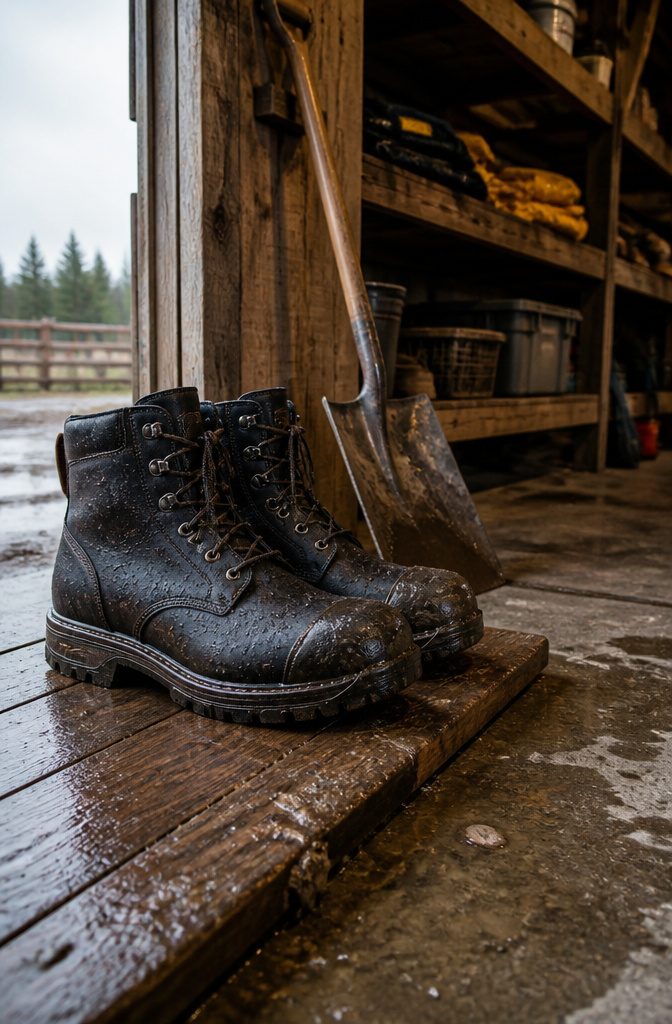
Wolverine’s Floorhand Waterproof Steel-Toe 6" Work Boot sits at the center of their 115 waterproof options, filtered by steel toe and rated for electrical hazard.
The membrane keeps wet conditions out while the DuraShocks footbed handles concrete floors. Carolina answers with the Elm 8" Waterproof Logger at $199.99, built on a Pillow Cushion 1 footbed and a triple-rib steel shank for shovel work.
The logger cuts higher and costs more, but the shank matters if you spend time on uneven ground or digging.
Wolverine leans toward 6-inch heights and composite toes in the waterproof range, so the steel-toe choices thin out past the Floorhand.
Carolina keeps steel through the 8-inch logger styles, and the Elm holds $35 under most of their waterproof composite boots in the 28 Series.
Recommended Products
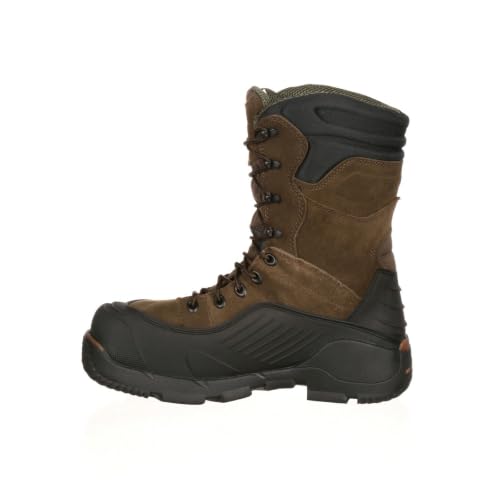
ASTM F2413 Electrical Hazard Standard

Anti-Fatigue Technology: A comfort system designed with shock-absorbing, geometrical technology that returns energy back to the foot to deliver all-day support and comfort.

Heavy-Duty Protection: Featuring a steel toe and 7mm rubber waterproof material with a breathable sandwich lining, these rubber work boots provide superior protection, durability, and comfort for rugged outdoor conditions
3. Insulated Steel-Toe Boots
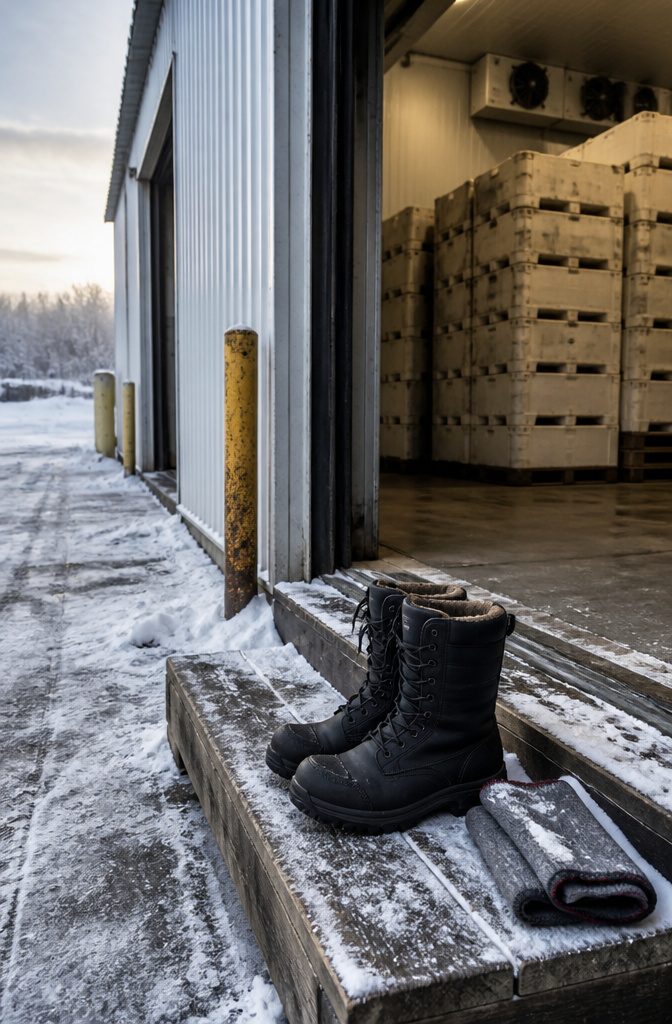
When job sites drop below freezing, standard work boots become a liability.
Wolverine’s I-90 DuraShocks Waterproof Insulated Steel Toe keeps feet warm without the bulk that makes twelve-hour shifts exhausting, and the waterproof membrane stops slush from soaking through to your socks by midmorning.
Carolina’s Surveyor 8" Insulated Waterproof Work Boot offers a taller shaft that keeps snow and debris out when you’re kneeling or crouching in deep conditions.
For warehouse freezers and outdoor sites where the cold goes well below zero, Carolina’s Freezer boot is built specifically for -20°F environments.
That level of insulation matters when you’re stationary for long periods rather than moving constantly, though the added thickness means these run heavier and need a half size up to accommodate thicker socks without pinching your toes.
Recommended Products

Anti-Fatigue Technology: A comfort system designed with shock-absorbing, geometrical technology that returns energy back to the foot to deliver all-day support and comfort.

4LR SUPPORT: These boots are designed with Ariat’s 4LR technology that provides comfort, cushioning, stability, and ASTM F2413-11 Mt 75 rated metatarsal protection for ideal use at the warehouse, construction site, factory or farm.
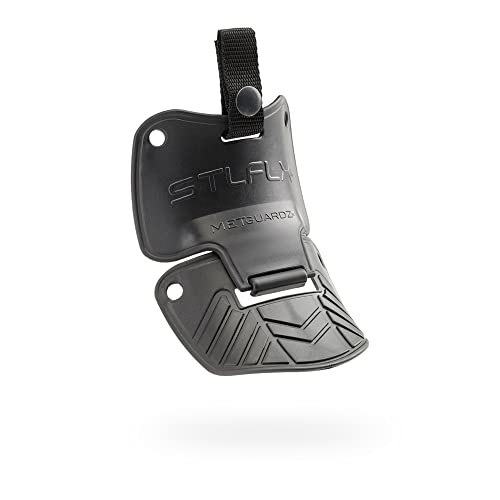
Provides Superior Protection - Grab a pair of STLFLX MetGUARDZ. With a revolutionary, patent pending design for optimal safety, our metatarsal protector fully shields your feet and working boots from falling objects and hazardous materials in and around the workplace.
4. Metatarsal-Guard Boots
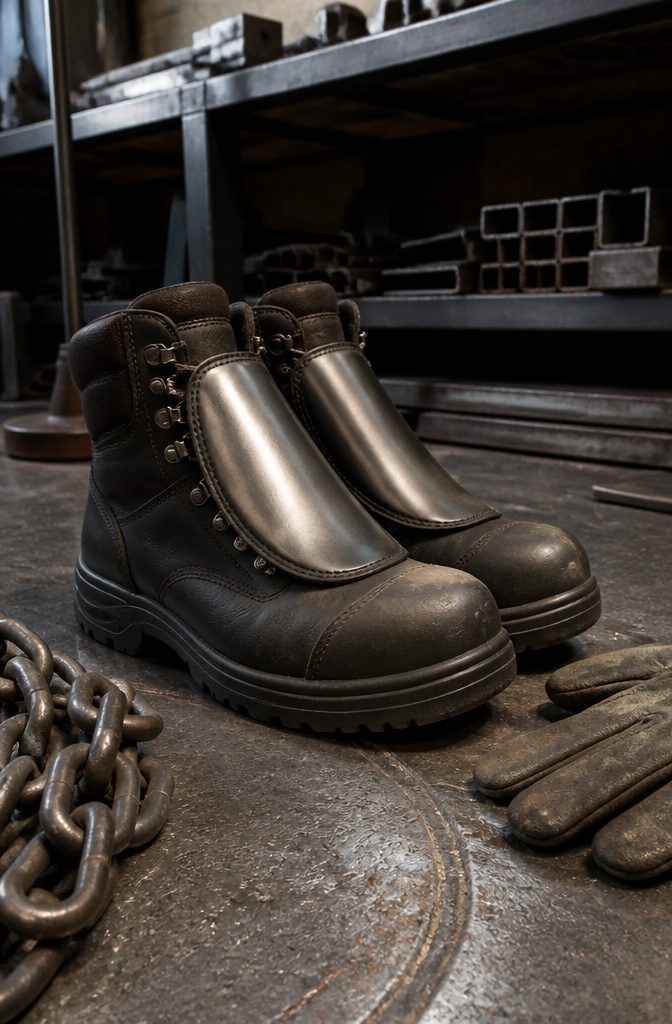
Metatarsal-guard boots extend coverage beyond the toe box to shield the upper foot bones (the metatarsals that run from mid-foot to the base of each toe).
The guard sits either externally, strapped or bolted over the boot’s instep, or internally between layers of the upper.
Carolina builds boots with internal met guards, which keep the profile lower and sit closer to the foot. Wolverine lists met-guard options as well, all meeting ASTM F2413-11 standards for impact and compression.
You need metatarsal protection when the hazard assessment calls for it: job sites where heavy objects drop from height, or where rolling equipment crosses paths with workers on foot.
OSHA does not mandate met guards universally the way it does toe protection in construction, but specific employers or job classifications require them.
The guard adds weight and stiffness compared to a standard steel-toe boot, so most workers skip it unless the site demands otherwise.
Recommended Products

Composite Toe ASTM F2413-11 M I/75 C/75 EH

Composite Safety Toe. Identifies protection against impact and compression hazards with a composite (non-metallic) safety toe. Composite toes meet ASTM F2413-24 standards.

Composite Toe Safety Work Boots: Carbon Nanofiber Bubba Toe with Flyknit molded toe cap provides lightweight impact and compression protection, meeting ASTM F2413-18 M/I/C EH safety standards for demanding jobsite environments
5. Electrical-Hazard Protection
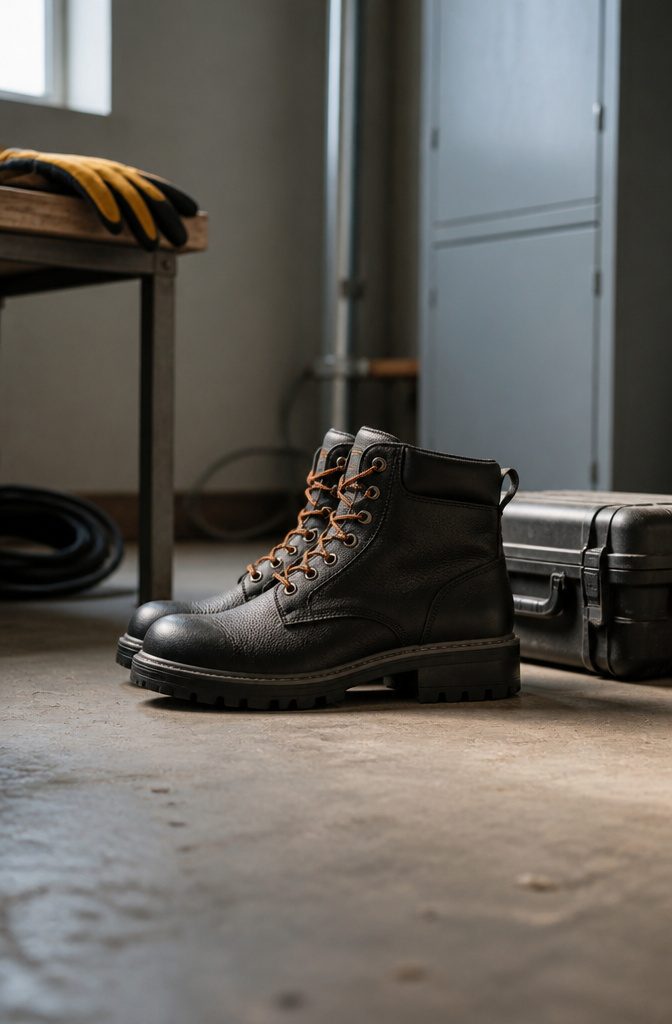
Electrical-hazard protection matters when your boots could complete a circuit through your body.
EH-rated boots insulate you from live electrical sources up to 600 volts in dry conditions, which is why electricians, utility workers and anyone handling live panels or high-voltage equipment need them on the job.
The protection comes from a non-conductive sole and heel that break the path to ground.
Both Wolverine and Timberland PRO build electrical-hazard protection into their steel-toe lines and test to ASTM F2413 standards, the same spec that governs impact and compression ratings.
Wolverine alone lists 102 models with EH protection, so the feature shows up across price points and styles rather than forcing you into a single boot.
If your worksite requires EH protection, check that the tag or product page calls it out specifically. Not all steel-toe boots include it by default.
Recommended Products

Breathable leather upper

Steel Toe protects against impact and compression (ASTM F2413-18)

This product is intended for use as personal protective equipment. Made with PFAS chemicals
Steel Toe Against Composite Toe
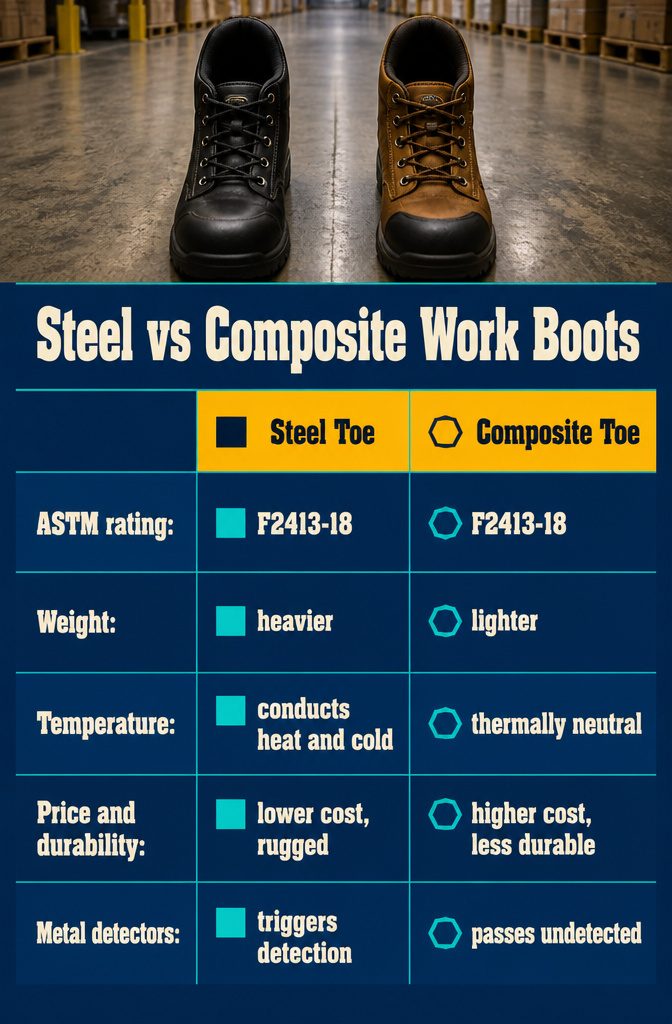
Steel toe is the standard for a reason: it meets ASTM F2413-18 compression and impact ratings, costs less than composite, and holds up to the kind of abuse that warehouse floors and construction sites hand out.
Steel weighs more: enough that the difference registers by midday if you walk a lot.
It conducts cold in winter, heat in summer. Wolverine carries fifty-three steel-toe models against eighty-seven composite; the inventory tilt tells you which one most buyers skip now.
Composite toes hit the same ASTM standard but weigh less, stay thermally neutral, and pass through metal detectors without a fuss. Carolina calls them non-conductive and non-metallic, which matters if you work around electrical panels or extreme temperatures.
Steel wins on price and durability. Composite wins on comfort over a twelve-hour shift and on jobsites where a metal toe is a liability.
Recommended Products

STEEL TOE: Left and right asymmetrical uniquely anatomically correct steel toe design provides a roomier toe box for maximum comfort and unobtrusive fit; The Lansing Mid meets or exceeds ASTM F2412 and F2413 I/75 and C/75 Standards

Waterproof full-grain leather upper to keep your feet dry in wet conditions

Steel Safety Toe: Metallic, asymmetrical-shaped toe cap that meets US safety standards including ASTM F2412-18a and ASTM F2413-18 I and C impact and compression safety standards.
How to Choose by Fit and Width
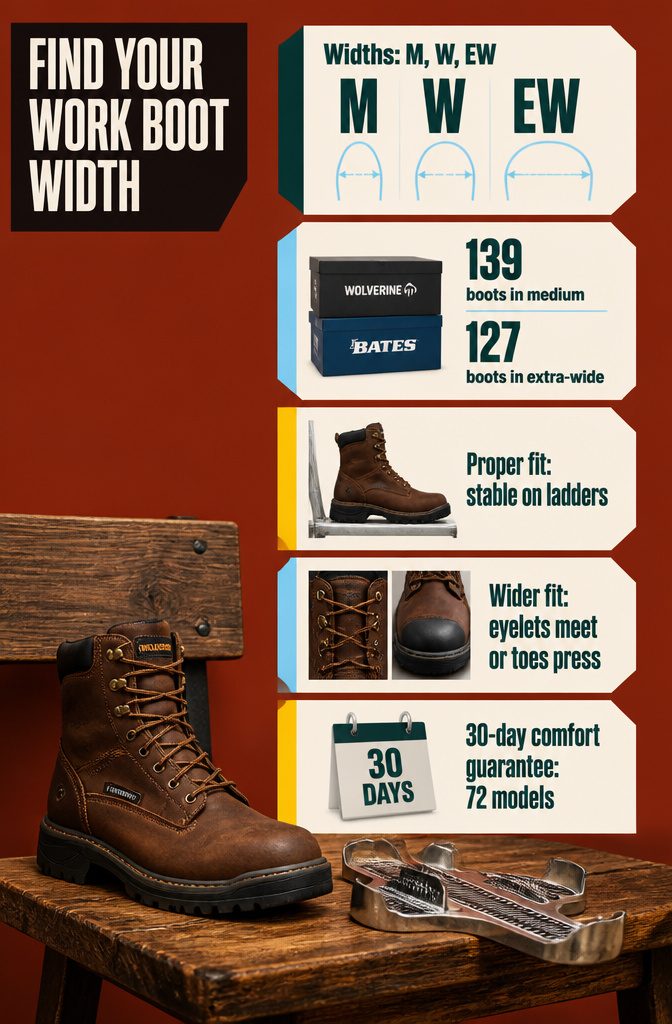
Sizing past the standard D width separates a boot you can wear from one that shuts circulation off after an hour.
Both Wolverine and Bates give you M (medium), W (wide), and EW (extra-wide) across most steel-toe styles (139 boots in M, 127 in EW), so a high instep or wide forefoot does not force you into a size up that leaves the heel slipping.
A boot that fits properly holds the foot still during ladder work and keeps hot spots from forming during long shifts on concrete.
The 30-day comfort guarantee Wolverine runs on 72 models gives you time to test fit under actual job conditions rather than guessing in a store aisle.
Order your usual length and go wider if lace eyelets meet in the middle or the steel cap presses the toes together.
Recommended Products
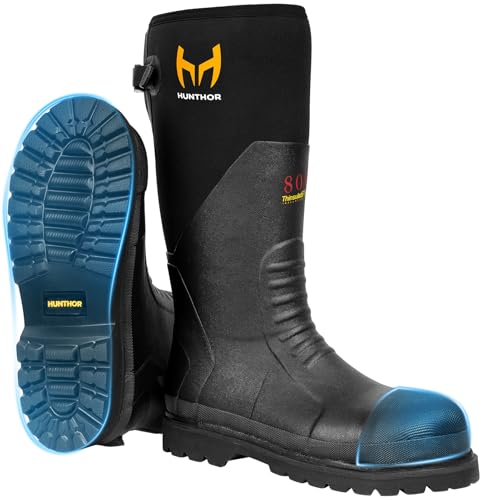
Exceptional Warmth & Breathable: The 3M 800g Thinsulate Ultra insulation, combined with 7mm neoprene, traps and retains body heat while allowing for air circulation. Wearing these insulated boots will keep you warm and protected at work, even in cold weather

New Fabric Technology: Featuring Xerogel thermal linning, these steel toe rubber work boots provide up to 30% more warmth and 25% less weight compared to traditional 400g insulated work boots for cold-weather performance,keep your feet warm on 0°F to 20°F outdoor

5 mm neoprene provides comfort and flexibility, along with excellent waterproofing, shock absorption and heat retention properties; adjusts to your foot shape to resist blisters and chafing
What Slip Resistance and Oil Resistance Mean
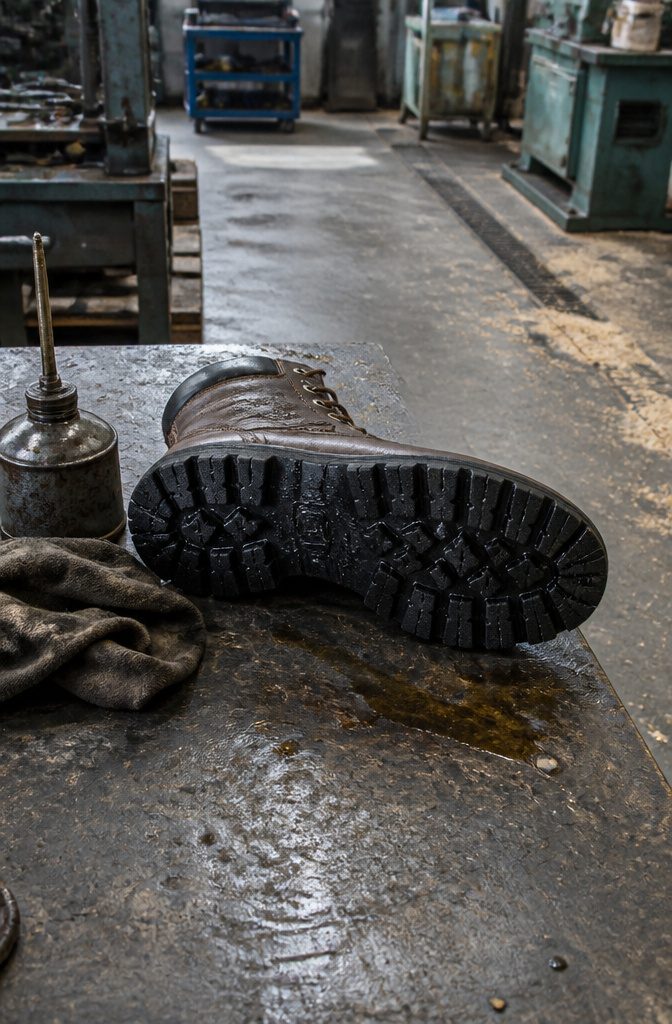
Slip-resistant outsoles grip wet floors, oily concrete, and surfaces covered in sawdust or mud.
The tread pattern matters more than the rubber compound alone: deeper lugs and more channels shed liquid instead of trapping it underfoot. Wolverine lists 112 slip-resistant options across its catalog, making it a standard feature rather than a specialty add-on.
Oil resistance refers to the outsole’s ability to resist breakdown when exposed to petroleum products, not just its grip on oily floors. Untreated rubber swells and cracks after repeated contact with oil, shortening the boot’s working life by months.
You need slip resistance if you work in food service, on factory floors that use cutting fluids, in warehouses with occasional spills, or outdoors after rain.
Oil-resistant outsoles make sense for mechanics, equipment operators, and anyone working around hydraulic fluids or fuel.
Carolina lists both features in its filter options, treating them as separate choices because a boot can grip well on dry surfaces but fail in the shop bay.
Frequently Asked Questions
Recommended Products
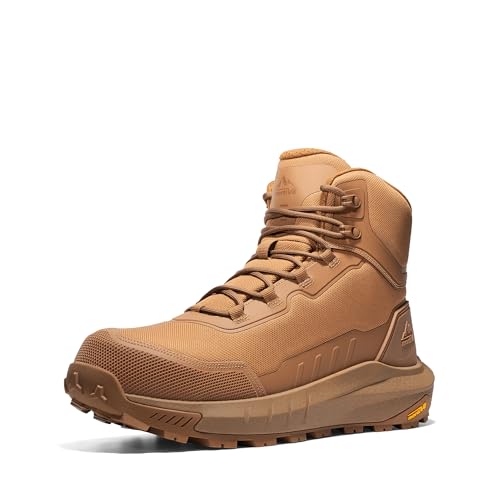
Lightweight and Comfortable: Each boot only weighs approx. 22.5 oz (based on size 9), these men's industrial and construction boots feature a thick E-TPU midsole that offers high energy return and long-lasting durability, reducing foot fatigue during prolonged standing or walking.
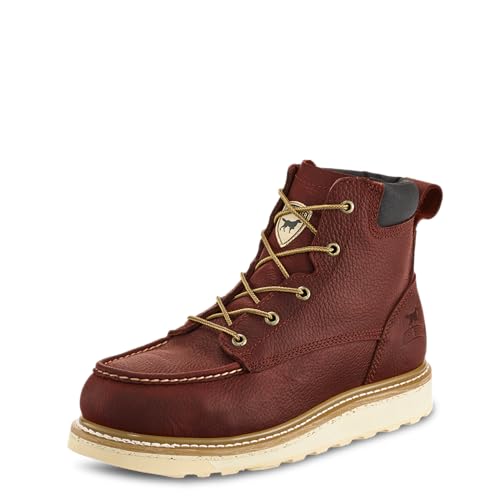
Meets ASTM Safety Standards: This leather aluminum safety toe work boot with HRO designed rubber-EVA Traction Tred outsole is heat, slip, impact, compression, and electrical hazard resistant to meet ASTM F2413-18, M/I/C, EH and ASTM F3445-21, SR safety standards.
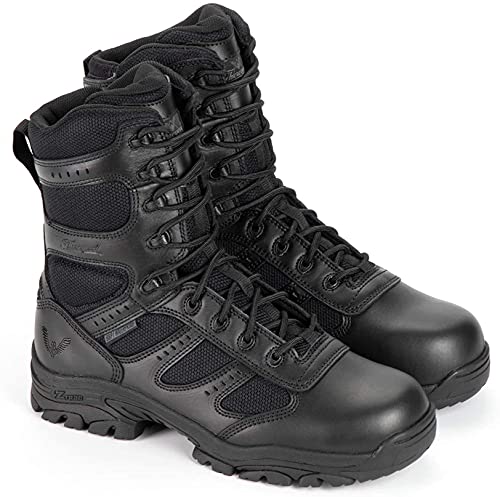
COMPOSITE SAFETY TOE protects your feet from on-site impact and compression hazards while the design keeps them light and flexible, making the Deuce series some of the best safety toe boots for dangerous jobs. Meets ASTM F2413-18 Safety Toe Standards
What is the difference between steel toe and composite toe boots?
Steel toe boots meet ASTM F2413-18 standards, cost less, and handle warehouse and construction site abuse better, but they weigh more and conduct temperature.
Composite toes hit the same safety rating while weighing less, staying thermally neutral, and passing through metal detectors. Steel wins on price and durability; composite wins on comfort during long shifts and on sites where metal toes create problems.
Do steel toe boots have electrical hazard protection?
Not all steel toe boots include electrical hazard protection by default.
EH-rated boots insulate you from live electrical sources up to 600 volts in dry conditions through a non-conductive sole and heel. Check the tag or product page for EH certification if your worksite requires it.
What does metatarsal guard mean on work boots?
A metatarsal guard extends coverage past the toe box to protect the upper foot bones that run from mid-foot to the base of each toe.
The guard sits either externally over the boot’s instep or internally between layers. You need one when job site assessments call for protection against heavy objects dropping from height or rolling equipment.
Are steel toe boots slip resistant?
Slip resistance is a separate feature from steel toe protection and depends on the outsole’s tread pattern and rubber compound.
Deeper lugs and more channels shed liquid instead of trapping it underfoot. Check product specifications, as not all steel toe boots include slip-resistant outsoles.
How should steel toe work boots fit?
A properly fitted steel toe boot holds your foot still during ladder work without the heel slipping or the steel cap pressing your toes together.
Order your usual length and go wider if lace eyelets meet in the middle. Widths run from M (medium) to W (wide) to EW (extra-wide) across most styles.