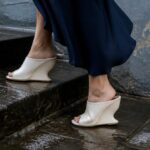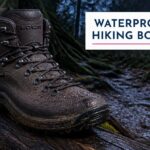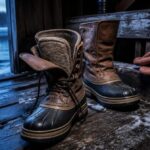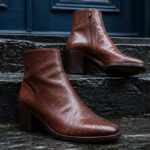
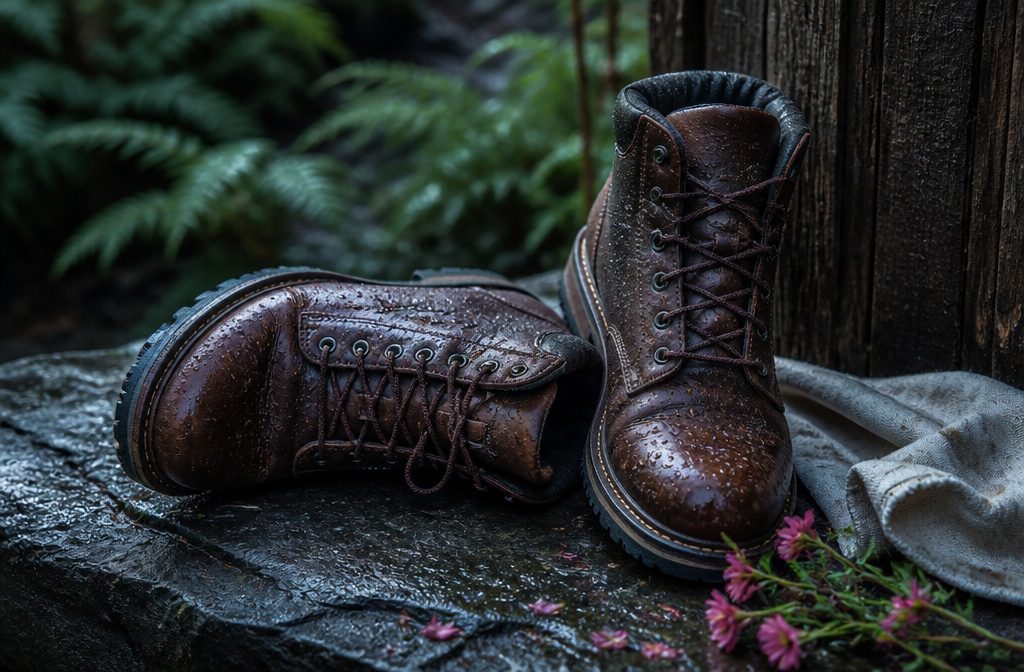
Waterproof leather boots are work boots, hiking boots, motorcycle boots, ankle booties, or knee-highs treated to repel water instead of absorbing it.
The treatment wears off with use, which means you reapply wax or spray on a schedule or watch the leather soak through again.
Wolverine alone lists 178 waterproof work boots, most priced between $100 and $150, and nearly all of them need that first coat of protection the day you open the box.
1. Work Boots Built for Jobsite Water and Safety
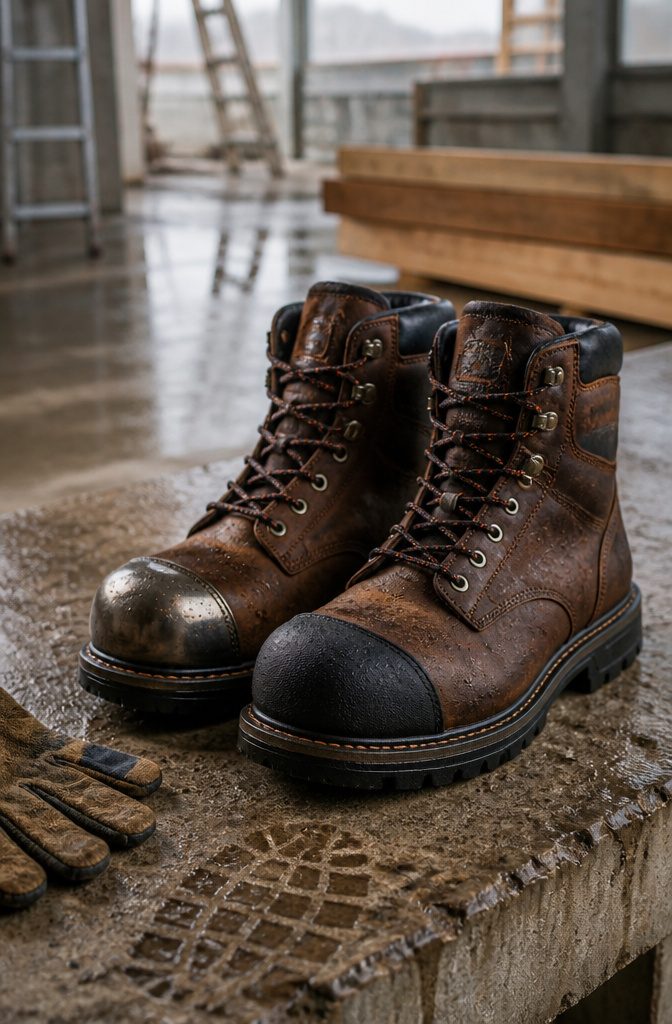
Wolverine alone lists 178 waterproof work boots, 177 of them explicitly marked waterproof, with pricing tiers set at $50–$100, $100–$150, and $150 and up.
The catalogue skews heavily male (165 men’s styles against 13 women’s), but the construction is consistent across both: composite or steel safety toes, electrical hazard protection, and slip-resistant soles rated for wet jobsites.
Choose from waterproof work boots made with protection and technologies, such as DuraShocks, Gore-Tex, and Contour Welt, as well as a 30 day comfort guarantee applied to most styles.
That 30-day window lets you break them in on actual wet concrete before committing. Justin offers 71 waterproof work boots (66 men’s, 5 women’s) with similar safety features and two boot heights: mid at 10–12 inches, short at 9 inches.
Their Bolt 11" Waterproof runs $194.95, the Fireman 11" Waterproof $239.95, both built on waterproof-treated leather that forms a protective barrier rather than relying on a membrane alone.
Boot World stocks Wolverine’s Farmhand Safety Toe Waterproof Electrical Hazard Boot, Avenger’s composite toe EH model, Timberland Pro Direct Attach, and Hoss waterproof work boots. The Hoss includes puncture resistance but stock runs seasonal.
Recommended Products

EverDry Waterproofing Technology 35,000 Steps - Unique 4 layer protection in the membrane, bootie, glue, & stitching to ensure your feet will stay warm and dry. Our premium quality leather is built for heavy duty work & other recreational activities.

Iconic 6-Inch Rugged Boot Style – Bold, heritage-inspired design delivers a timeless look that anchors casual wear with confidence.

EverDry Waterproofing Technology 35,000 Steps - Unique 4 layer protection in the membrane, bootie, glue, & stitching to ensure your feet will stay warm and dry. Our premium quality leather is built for heavy duty work & other recreational activities.
2. Hiking Boots That Work Outdoors and On the Job
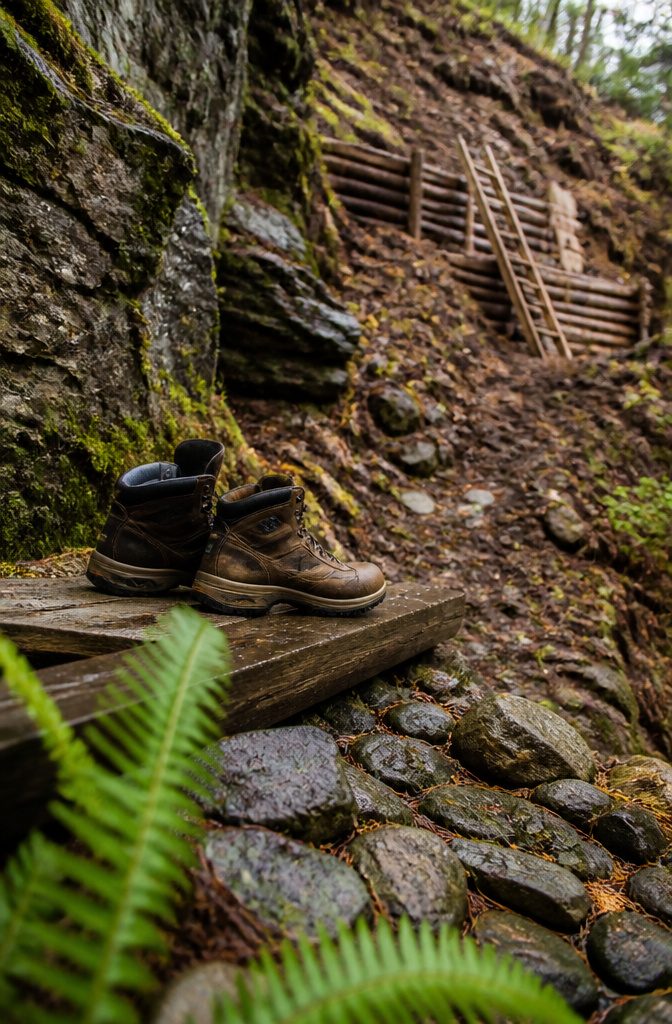
Hiking boots bring puncture resistance and slip protection to trails and work sites that share the same terrain. The Danner Trakwelt waterproof 6" work boot and Timberland Mount Maddsen waterproof mid-hiker both handle rock faces and construction ladders without switching pairs.
These models layer moisture-wicking linings inside water-repellent treated leather, which matters when you’re moving hard enough to sweat regardless of weather.
The athletic build (more flex through the ankle than a traditional work boot allows) makes them better for climbing stairs or scrambling over uneven ground than standing in place on concrete.
I’d choose them for outdoor labor or utility work before I’d wear them in a shop, but they cover both if the job moves.
Recommended Products

WATERPROOF: KEEN.DRY waterproof breathable membrane keeps your feet dry and comfortable all day long by allowing vapor out without letting water in

WATERPROOF: The boots features DRY Membrane waterproof, waterproof mesh upper and moisture-wicking mesh lining that keeps your feet dry and warm during walks

Mens hiking boots made of premium synthetic suede. SL-TEX waterproof membrane prevents water from entering and volatilizes water vapor. Ultra-light weight: 1.25lb (size 10)
3. Motorcycle and Lifestyle Boots for Everyday Wear
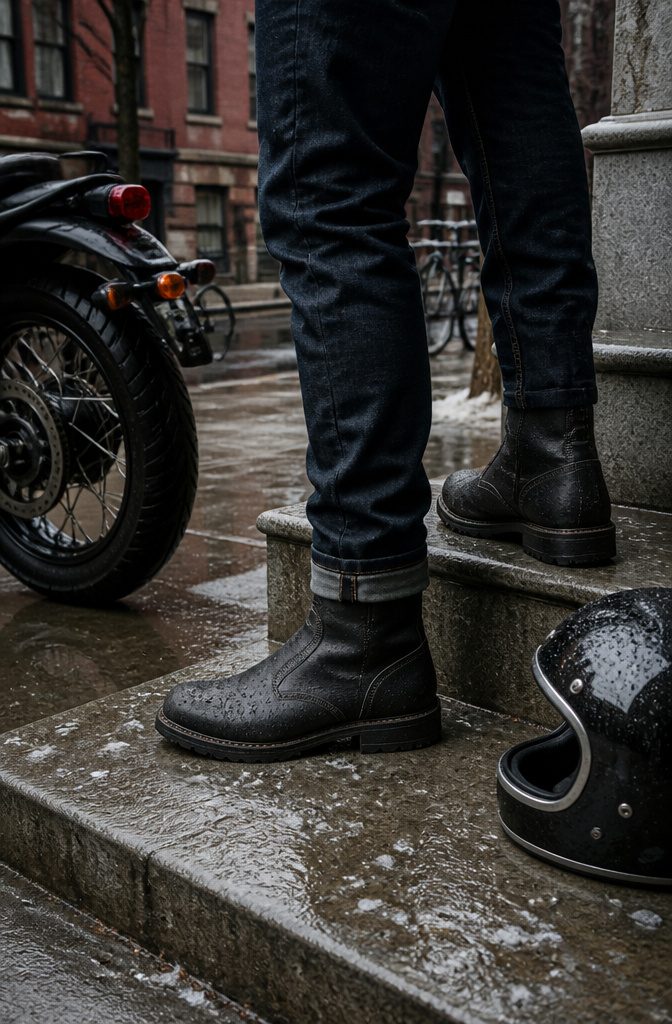
Motorcycle boots share the same demands riders place on work boots: ankle support, thick leather, and protection from the elements.
The Harley Davidson "Gavern" Waterproof Boot brings that crossover to street level, with a silhouette that works under jeans and holds up to eight hours on your feet.
Wolverine’s Rancher Waterproof Square Toe Boot skews closer to traditional Western work boots, so it reads more jobsite than lifestyle depending on what you already wear.
Timberland Pro’s Waterproof Hazard Boot splits the difference: protective toe cap, but cleaner lines than most steel-toe options.
The advantage here is durability that exceeds what fashion brands deliver.
Motorcycle gear is built to slide across asphalt and still protect the rider, so daily rain and sidewalk salt barely register. If your style already leans workwear or you want boots that survive more than two seasons, this category delivers.
Recommended Products

Waterproof Leather Riding Shoes | The Milwaukee leather riding shoe is crafted crafted from Full Grain Premium 2.2mm Thick Cowhide Waterproof Leather in a Unique Brown Caramel Color. This high-quality cowhide leather not only gives the shoes a premium look and feel, it waterproofs your feet to stay dry in wet conditions, making them suitable for various environments.

Waterproof full grain leather upper

DURABLE CONSTRUCTION: Built to endure and withstand the elements. Premium heavy duty full-grain oiled leather + Goodyear welt construction. Protective on the road or in harsh working environments.
4. Ankle Booties for Rainy Days
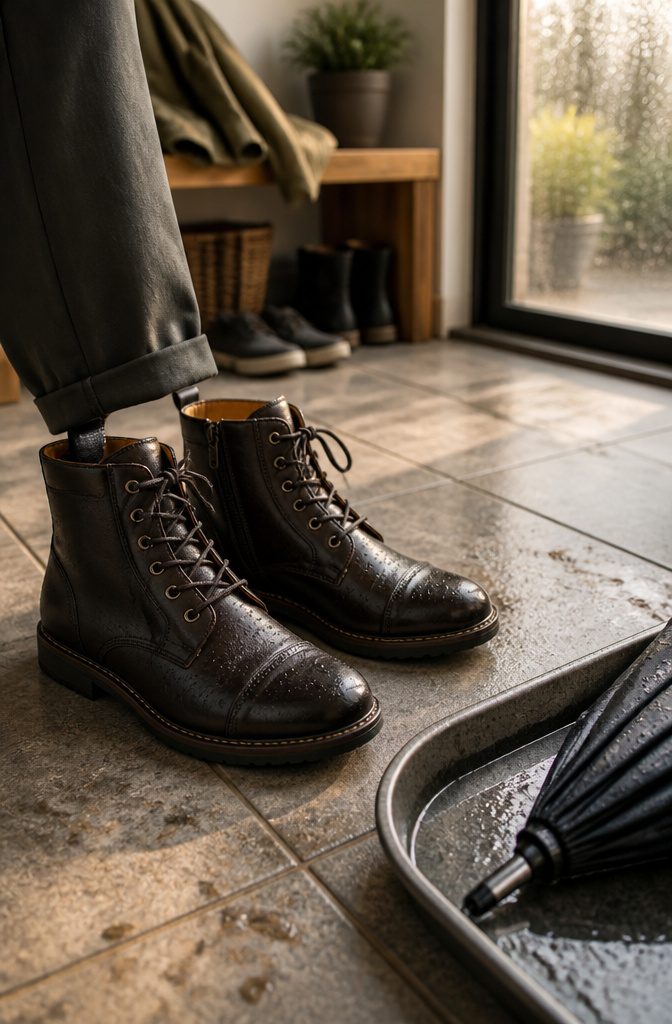
Combat boots don’t usually land on a rainy-day shortlist, but the Crave ankle bootie makes the case.
Lacing runs the full height for a snug fit around the ankle, and a side zipper means you skip the lace-up routine once you’ve dialed in the tension.
The Curves & Pods dual-density removable footbed inside gives arch support that holds up through a day of errand running or commuting, which matters when wet pavement already puts more load on your feet.
The silhouette works with cropped trousers or tucked denim without the bulk of a taller shaft, and the edging detail keeps them from reading too utilitarian when you’re headed somewhere other than a trail or a jobsite.
Recommended Products

【Waterproof Vamp】Made of quality Waterproof Leather.Boots for women waterproof will ensure all-day dry comfort by blocking rain,snow,or any other liquid from invading and easy to clean with cloth.

ENHANCED NON-SLIP OUTSOLE: The outsole of these non slip work boots is covered with professional non slip patches, the special material and well-designed pattern of the non slip patches enhances the grip of the boots, which helps you to stay stable on slippery or oily floors.

𝗣𝗿𝗲𝗺𝗶𝘂𝗺 𝗟𝗲𝗮𝘁𝗵𝗲𝗿 𝗠𝗮𝘁𝗲𝗿𝗶𝗮𝗹: These ankle boots for women are crafted from genuine leather, offering both luxury and durability. Perfect for braving winter conditions while maintaining a stylish look. Ideal for anyone seeking high-quality fur boots, these womens boots are a standout choice in the world of womens shoes.
5. Knee-High Boots When You Need More Coverage
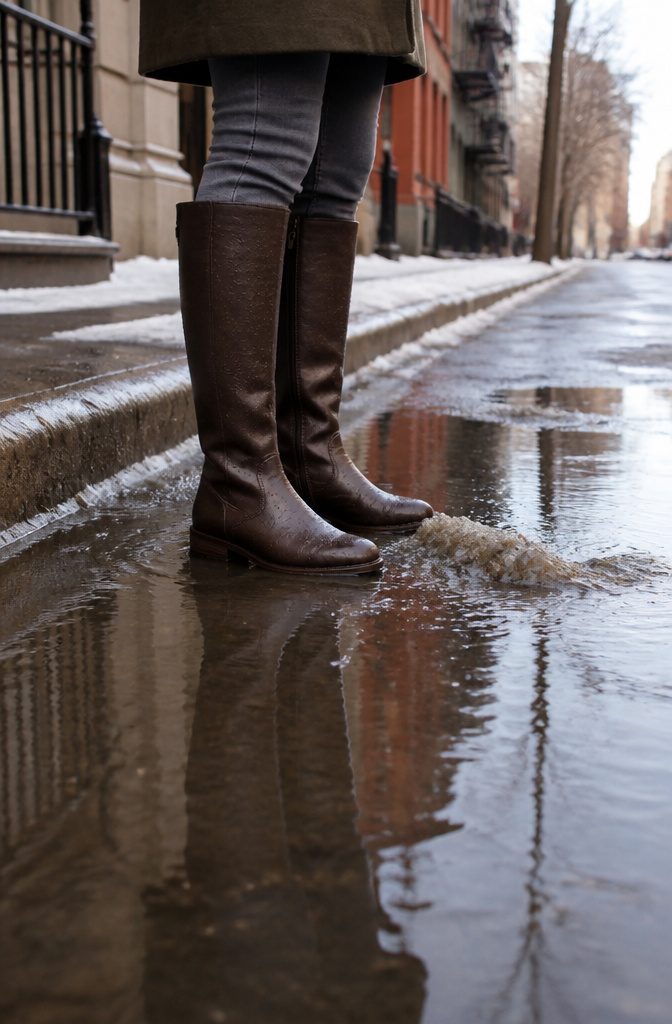
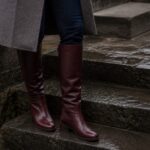
Knee-high boots matter when you’re dealing with deeper puddles or slushy streets that would soak through an ankle boot in seconds.
The extra shaft keeps water from running down into the boot when you step off a curb into standing water, and in heavy rain or snow melt, that coverage is the difference between dry socks and soggy ones by the time you reach your desk.
The height also means you can tuck pants inside without bunching at the ankle, which keeps the hem from wicking water up your legs.
I’d reach for knee-highs on days when the forecast calls for steady rain or when snow is piled high enough that shorter boots won’t clear it.
They’re overkill for a light drizzle, but when conditions turn serious, ankle booties leave you exposed right where you need protection most.
Recommended Products

All-Day Comfort: With a 3.14-inch heel and a 0.25-inch platform, these women's knee-high boots provide an ideal balance of stability and style.

Footbed: Removable plush PU-like EVA footbed with microfleece topcover.

Cowhide Leather | These biker boots are meticulously crafted from full-grain premium 2.2mm thick cowhide black skin, offering waterproof and impermeable leather for reliable defense against wet conditions. The uppers of these leather motorcycle boots are strongly constructed to ensure exceptional quality and long-lasting durability.
Why Leather Needs Protection in Wet Conditions
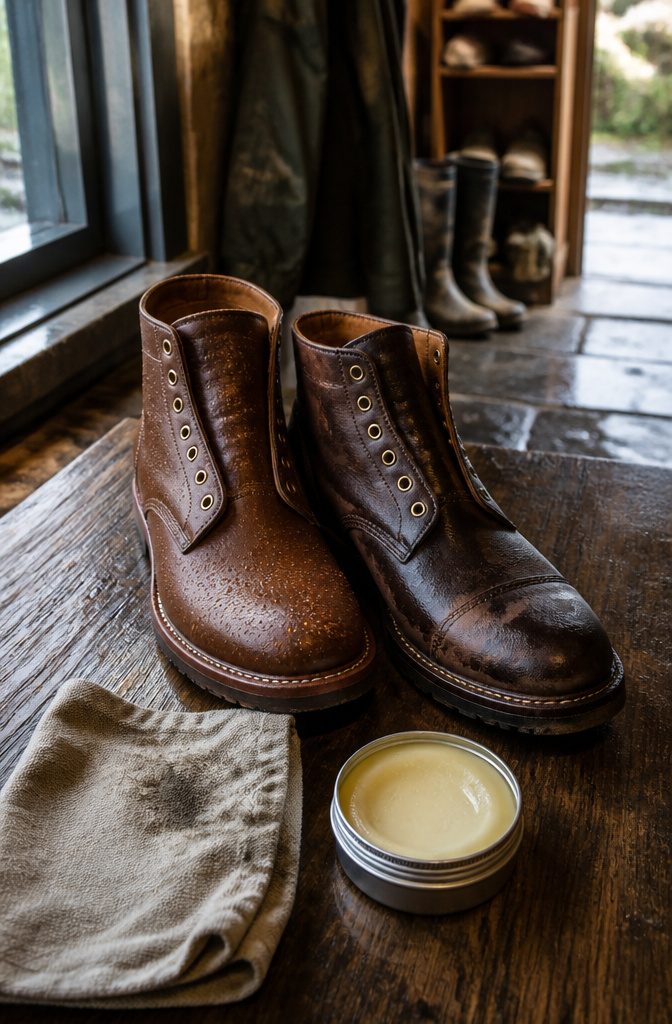
Leather absorbs water unless you treat it first. Source 1 makes the point plainly: spray or wax your boots the moment you unbox them, before you step outside.
That protective layer causes water to bead off instead of soaking through, and untreated leather changes color and shape when it dries wet. Suede never goes out in rain at all.
The protection does more than keep your socks dry.
Waterproofing regulates foot temperature, cuts down on sweating, and stops moisture from breaking down the leather itself. Without it, boots are open to mold, mildew, stains, and the kind of discoloration that marks them as damaged rather than worn in.
Clean boots before you protect them; dirt that soaks in with the water stains worse than either one alone.
Recommended Products
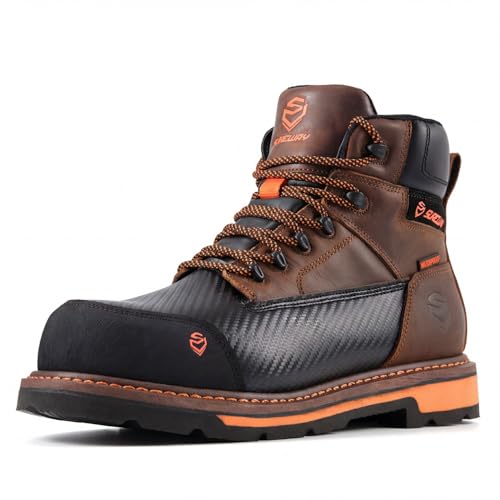
【Premium Waterproof Full-Grain Leather】Crafted from durable full-grain leather with advanced waterproof sealing technology for 100% protection against water, oil, and liquid spills. Keeps feet dry in harsh conditions while maintaining a professional look.

SUPERIOR PROTECTION: Waterproof membrane and electrical hazard safe design provide essential safety features for work boots for men in demanding environments

【Premium Waterproof Full-Grain Leather】Crafted from durable full-grain leather with advanced waterproof sealing technology for 100% protection against water, oil, and liquid spills. Keeps feet dry in harsh conditions while maintaining a professional look.
How to Apply Waterproofing Treatment
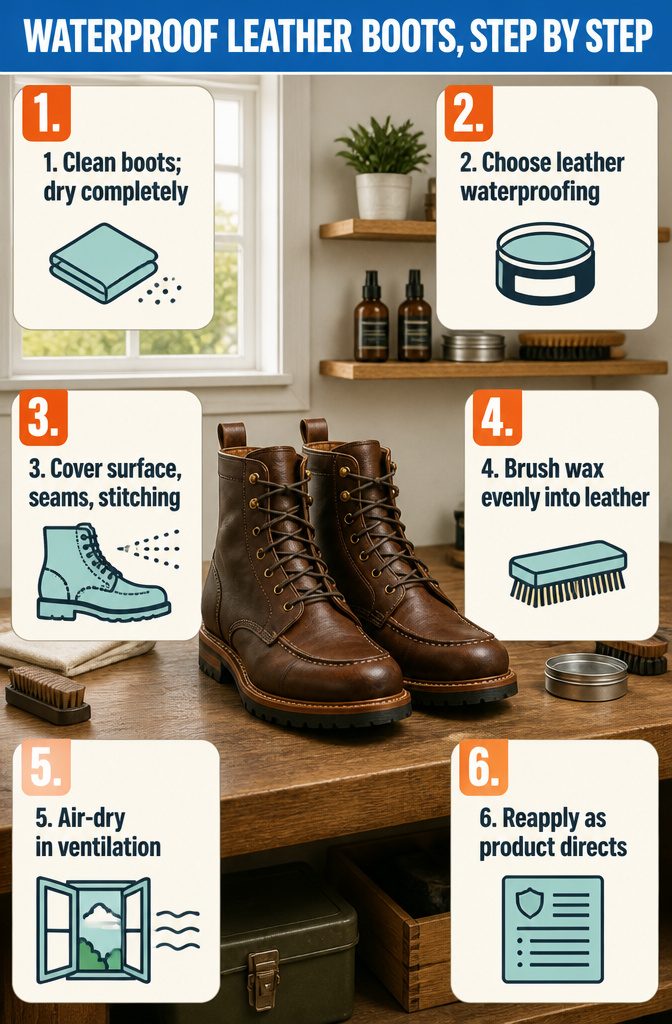
- Clean your boots with a dry cloth to remove surface dirt, or use a leather cleaner if they’re particularly muddy. Let them dry completely before moving to the next step.
- Choose a waterproofing product designed for leather: silicone spray, oil or cream, or wax. Silicone spray goes on fast but needs frequent reapplication. Wax lasts longest. It requires heating and at least one day to dry, but the protection holds up better over time.
- Apply the spray or wax across the entire boot surface, covering all seams and stitching where water sneaks in most easily. Pay extra attention to the toe box and sole.
- If using wax, spread it evenly with a soft-bristled brush or cloth to work the product into the leather.
- Place the boots in a well-ventilated area to dry. Drying time runs from several hours to a full day, depending on the product and humidity.
- Reapply as directed on the product label; waterproofing wears off with regular use.
Recommended Products

UPPER: Performance mesh with durable overlays provides lightweight durability

WATERPROOF & PROTECTION: KEEN.DRY breathable membrane keeps feet dry and comfortable by allowing vapor out without letting water in; Bruise plate for protection on uneven surfaces; High abrasion rubber toe guard for added durability

WATERPROOF & PROTECTION: KEEN.DRY breathable membrane keeps feet dry and comfortable by allowing vapor out without letting water in; Bruise plate for protection on uneven surfaces; High abrasion rubber toe guard for added durability
What to Do After Boots Get Wet
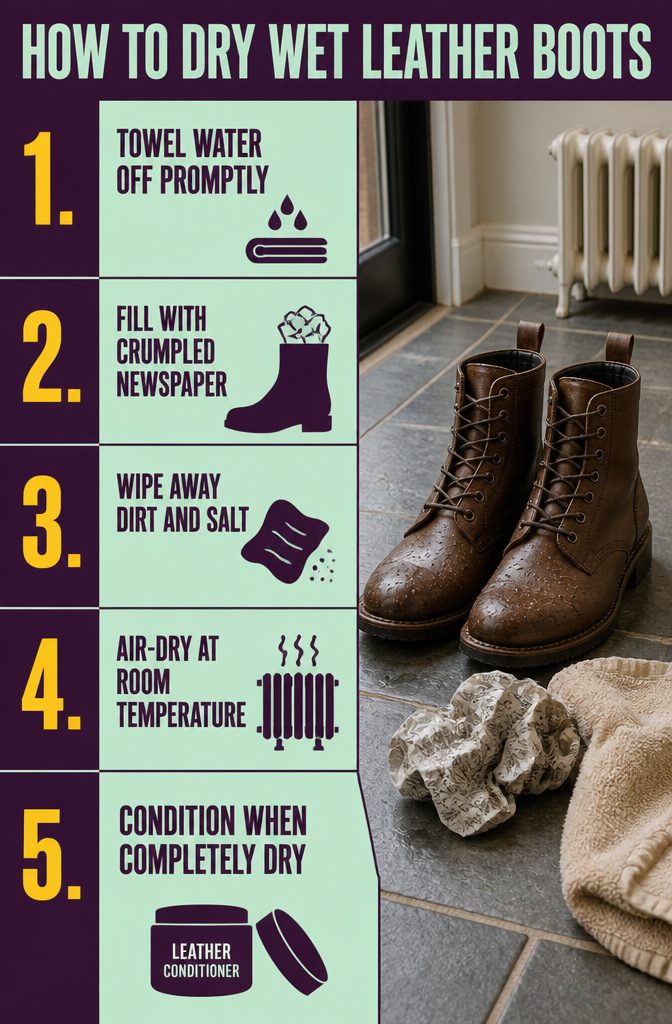
- Towel the boots dry as soon as you come in, wiping water off the surface before it soaks deeper into the leather.
- Fill them with crumpled newspaper to pull moisture out from inside and hold the shape while they dry. Change the paper once if it gets saturated.
- Wipe away any dirt or salt left on the surface. Salt especially will dry the leather out and leave white stains if you leave it.
- Let them air-dry at room temperature, away from direct heat. Radiators and hair dryers crack leather.
- Apply a leather conditioner once they’re completely dry. Wet leather loses its oils, and conditioner puts them back so the material stays supple instead of stiff.
Leaving wet boots by the door to dry on their own skips all of this and usually leaves you with misshapen, stiff boots that crack sooner.
Recommended Products

Waterproof full grain leather upper

Waterproof Leather Riding Shoes | The Milwaukee leather riding shoe, is crafted from Full Grain Premium 2.2mm Thick Cowhide Waterproof Leather. This high-quality cowhide leather not only gives the shoes a premium look and feel,it waterproofs your feet to stay dry in wet conditions, making them suitable for various environments.

Made of premium full grain 2.2mm thick cowhide leather for durability and comfort
Frequently Asked Questions
Recommended Products
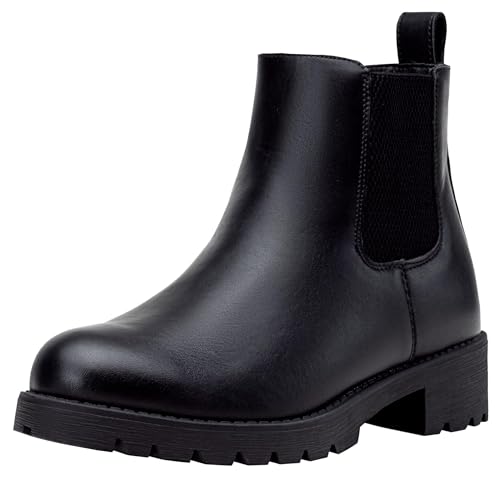
[CHELSEA ANKLE BOOT STYLE]: Designed as women's flat boots with a clean round toe, elastic side panels, and a pull-on profile, these booties bring an easy casual dress look to jeans, leggings, skirts, and fall outfits

ENHANCED NON-SLIP OUTSOLE: The outsole of this women's non slip work boot is made from a special slip-resistant material and has a carefully designed tread pattern. This design provides excellent grip, ensuring you stay secure even on wet and oily floors. It's perfect for use in the food service industry.

【Anti-slip & Water-resistant】Womens combat boots are made of superior anti-slip outsole, the pattern design of the outsole makes the snow boots have a stronger grip.That creates anti-slip black boots, you can wear them in snow.And the pu leather upper features water-resistant.
Are leather boots waterproof?
Leather is not waterproof on its own. It can get wet and recover without damage, but untreated leather absorbs water and changes color and shape as it dries.
You need to apply a waterproofing spray or wax before wearing them to make water bead off instead of soaking through.
What to do when your boots get wet?
Towel them dry immediately, then fill them with crumpled newspaper to pull out moisture and hold their shape.
Wipe away any dirt or salt, let them air-dry at room temperature away from direct heat, and apply leather conditioner once they’re completely dry. Never leave them by the door to dry on their own.