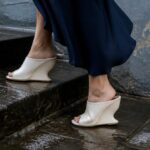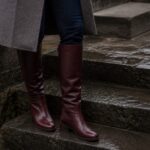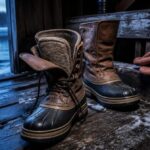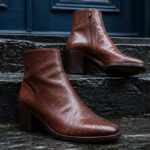
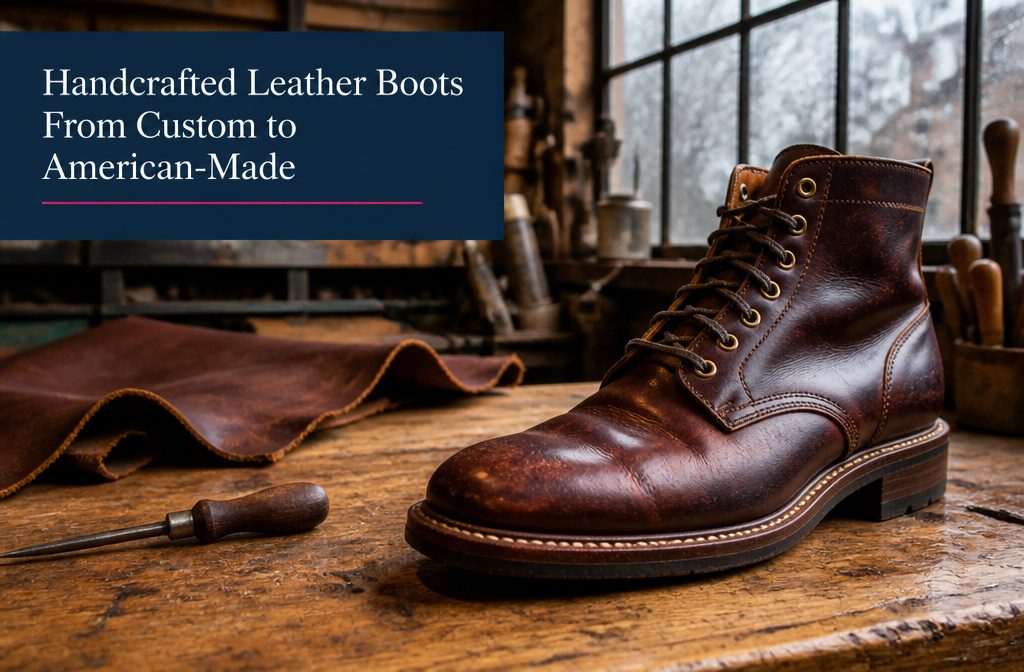
Handcrafted leather boots are built by hand using traditional construction methods like Goodyear welt, stitchdown, or handsewn moccasin techniques, but what counts as handcrafted varies wildly by maker.
Some use double-row stitchdown with over 90 nails holding 7-ounce leather, while others stitch thinner chrome-tanned hides on automated equipment with hand finishing. Prices start at $219 for made-to-measure boots from Hockerty and climb past $7,500 for archive cowboy boots from Paul Bond.
Custom-Designed Boots Built to Your Measurements
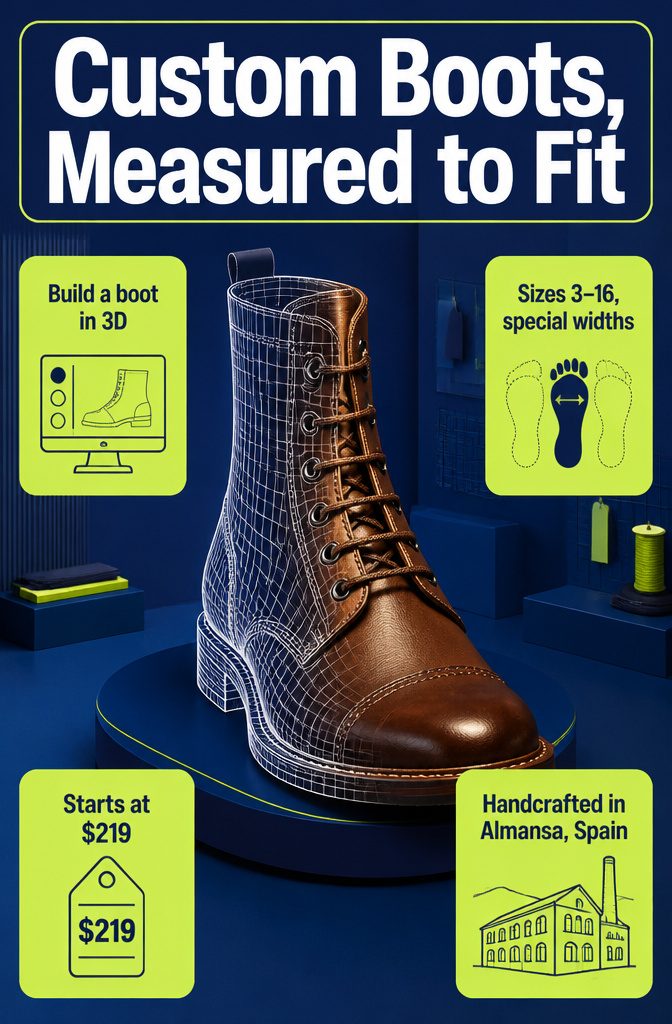
Hockerty runs an online designer that lets you build boots from scratch: pick a base style, then walk through materials, sole type, and silhouette options until you land on something that looks like what you had in mind.
The whole thing happens in 3D, and if the designer allows the combination, their shoemakers in Almansa, Spain will make it: a city where boot construction goes back more than a century and the skills still sit in the same workshops.
Sizes run 3 to 16 with special widths, and the site includes a fit recommender if you are between standard measurements or unsure where you fall.
Boots start at $219, which is low for made-to-measure but reflects the fact that you are doing the design work yourself rather than sitting for a consultation.
Each pair is handcrafted rather than run through a factory line, so lead time stretches longer than off-the-shelf orders.
Recommended Products

THE PERFECT FIT - We recommend ordering the size you typically wear in leather boots or dress shoes, or ½ size smaller than you typically wear in sneakers. If you have any questions, need help finding your size, or need to exchange for a different size, our team is always here to help! (Last: Encore)

Built to Be Resoled: Goodyear welt construction stitches the upper, welt and sole together instead of gluing them, so when the outsole wears through, a cobbler can replace it and you keep the boot

Iconic Heritage Design: The Classic Moc 6-inch boot features the unmistakable moc toe silhouette that has defined heritage boots for over 70 years, blending timeless style with the rugged appeal of men’s leather boots
Made-to-Order Boots From Mexican Artisans
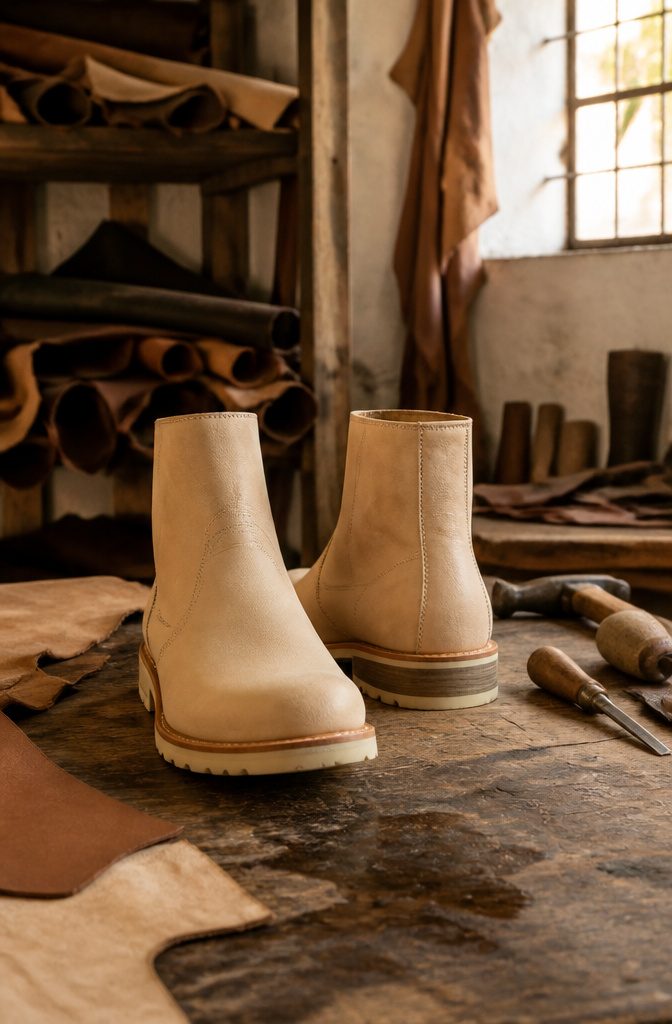
Cordobes makes boots to order in Mexico, built by hand through a network of artisans who work with leather from local tanneries.
The ecological sourcing and ethical practices sit at the center of the operation, though the final product still lands at mid-range pricing rather than luxury territory.
Two lasts shape how the boot fits: the D-25 runs dressier and narrower, while the C-100 favors comfort over formality. Engineer Boots run $439, Captoe Boots $329, both in chrome-tanned leather that breaks in soft and stays light on the foot.
One buyer who wears a 10.5 in sneakers sized down to a 10 in the C-100 last and found the fit right after the leather settled.
The ecorubber soles wear faster than traditional leather, and at least one customer reported the heel stack pulling apart after exposure to water. If you plan to resole within a few months anyway, the tradeoff may not matter.
Recommended Products

Cowhide Leather | These biker boots are meticulously crafted from full-grain premium 2.2mm thick cowhide black skin, offering waterproof and impermeable leather for reliable defense against wet conditions. The uppers of these leather motorcycle boots are strongly constructed to ensure exceptional quality and long-lasting durability.

Extra Slim Calf Boot, calf size starts from 12" for size 6 and increases to 13" for size 10. This boots are also available in Slim 13" calf size for size 6 and increased as the size gets larger to 14" for a size 10.

Durable, flexible, lightweight, rubber outsole diagnoses foot condition during first weeks of wearing the shoes
American-Made Boots Sorted by How You’ll Wear Them
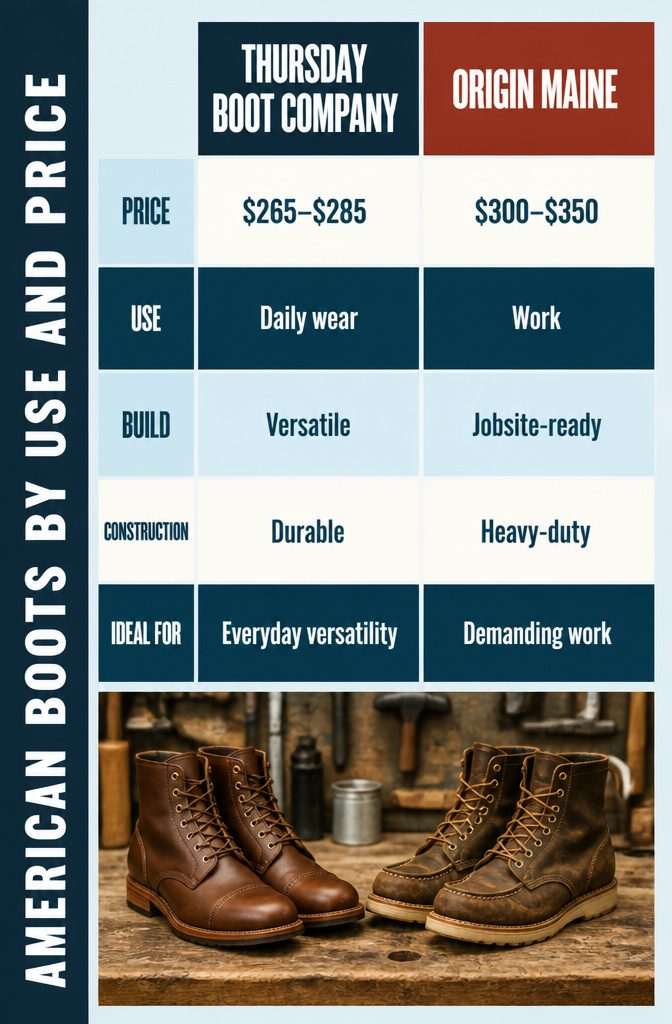
Stridewise launched in 2018 with the idea that American boot buyers need sorting by use, not just by brand.
The site’s 2025 list of ten American-made options breaks down this way: Thursday Boot Company at $265–$285 for versatile daily wear, Red Wing Heritage at $300–$350 for casual styles, and Origin Maine at the same price point when the job involves actual work.
Allen Edmonds lands at $550 if you need something that reads as dress rather than workwear.
Nicks Handmade Boots runs $600–$650 and earns the toughness slot. Russell Moccasin sits around $700 for moc-toe construction, Alden comes in near $700–$750 for luxury, and Oak Street Bootmakers prices between $460–$520.
The approach assumes you know whether you are dressing up, beating the boot to death on a jobsite, or just wearing it three days a week with jeans.
Recommended Products

Steel Toe Protection: ASTM F2413-24 certified. Designed to meet safety standards, this boot features a reinforced steel toe for maximum impact protection in tough work environments.

🥃 Have a shot in our Mexican Boot shot glass. Made out of authentic real leather and hand designed.

IMPORTANT SIZING INFORMATION Please check the size chart carefully before ordering. We do not offer half sizes. Choose your usual whole US size. Genuine leather may soften and mold to your foot with wear. If you have wide or thick feet, please consider whether choosing a larger size may provide a more comfortable fit for you.
Nicks Boots: PNW Construction Since 1964
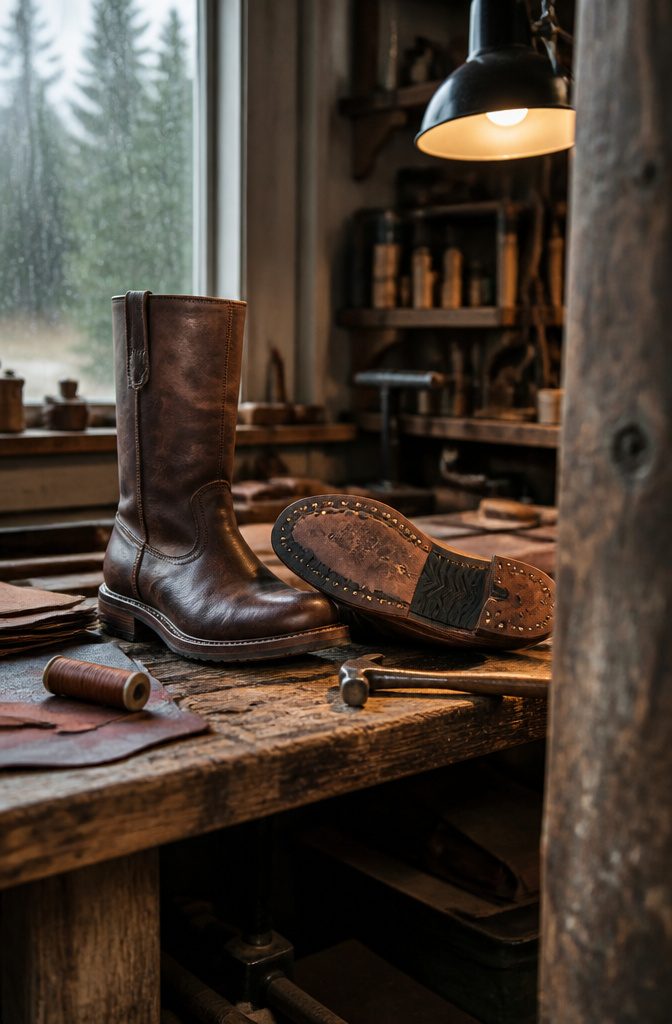
Nicks has operated in the Pacific Northwest since 1964, building boots with double row stitchdown construction reinforced by over 90 nails and leather thicker than 3 millimeters.
The Americana stands 6 inches tall, uses 6.5 oz USA-tanned leather, and rides on an HNW moderate arch last suited to all-day wear.
Drop to the Comstock if you want a 3-inch casual boot with a classic rounded toe that works under jeans.
The Marshal Duty Boot brings 365 Stitchdown Construction (sole flexibility and water resistance) with an 8IR rubber midsole, polyurethane wedge for impact, and a full-length 6 to 7 oz leather insole you can pull and replace as it wears.
Widths run far past what most makers stock, so fit lands closer to precise.
Recommended Products

AMERICAN MADE with USA and globally sourced components by the skilled craftsmen and women at Thorogood’s US plants

AMERICAN MADE with USA and globally sourced components by the skilled craftsmen and women at Thorogood’s US plants

AMERICAN MADE with USA and globally sourced components by the skilled craftsmen and women at Thorogood’s US plants
Handmade Cowboy Boots From Paul Bond
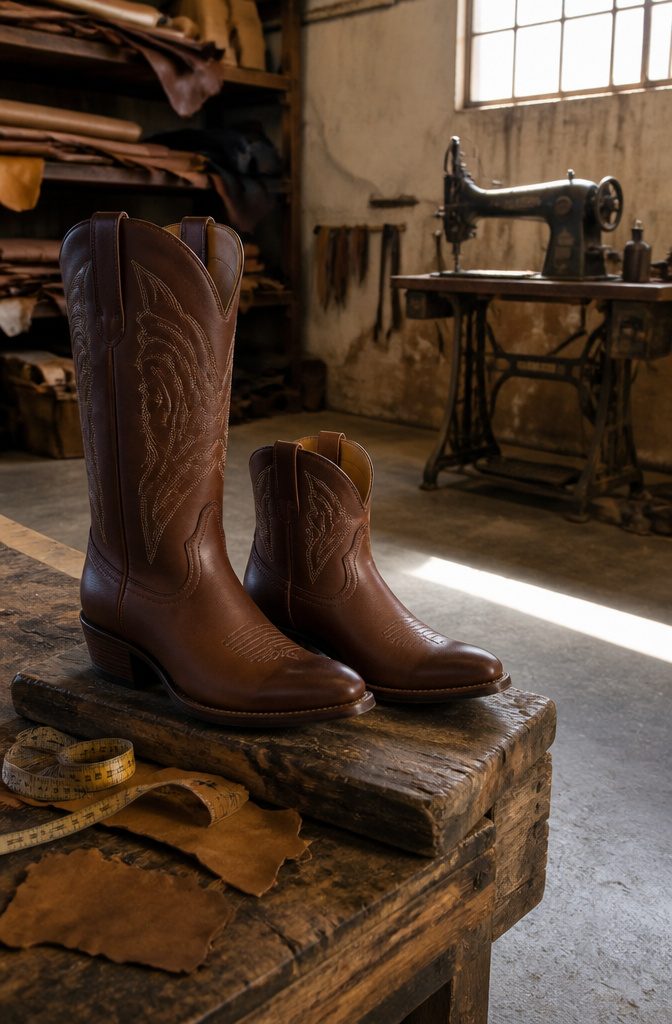
Paul Bond has been building boots in Nogales, Arizona since 1946, and the line still runs on heritage patterns and measured work. The catalog splits into ready-to-order models and made-to-order pieces that take longer and cost more.
Four stock styles cover most of what people actually wear. The Pendleton runs a 10-inch shaft with a 1½-inch heel, starting at $375.
The Sterling adds two inches of shaft and a quarter-inch of heel for $395. The Margaret stretches to 13 inches at $385, and the Thistle drops to a 6½-inch ankle boot at the same price, both on 1½-inch heels.
The Heritage Collection pulls from archive designs and gets built to order in roughly three months. Prices land between $995 and $4,940 depending on leather and inlay work.
A limited run called the Semiquincentennial sits at $7,500 and moves through the same made-to-order queue. Bond Boots can be exchanged for size within 30 days if the first pair does not fit.
Recommended Products

【CLASSIC WESTERN STYLE】 - Choiran square toe cowboy boots for men (botas vaqueras para hombre) combines the timeless charm of cowboy boots with the refined and stylish design of chelsea boots. It sets you apart in the fashion scene and adds a unique touch to your stylish outfits.
THE PERFECT FIT - We recommend ordering the size you typically wear in leather boots or dress shoes, or ½ size smaller than you typically wear in sneakers. If you have any questions, need help finding your size, or need to exchange for a different size, our team is always here to help! (Last: Encore)

COMFORT AND FIT: These Cuban heel ankle boots have a padded insole with high-quality memory foam for added comfort and an inside zipper for easy entry.
How Handcrafted Construction Actually Differs
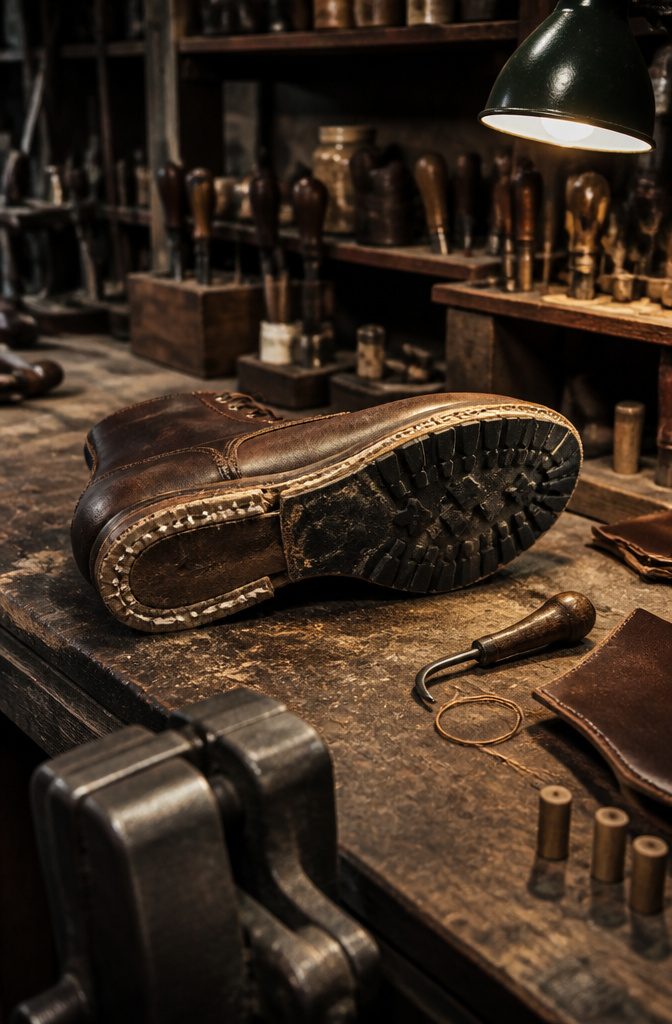
The main split sits between construction methods and how much is still done by hand.
Goodyear welt construction, stitchdown, and handsewn moccasin techniques all count as handcrafted when skilled workers cut, stitch, and finish the boot rather than feeding material through automated lines.
Nicks uses double row stitchdown with over 90 nails holding the sole to uncommonly thick leather, around 7 ounces, roughly 50 percent heavier than standard work boots.
Russell Moccasin makes genuine handsewn mocs, where a single piece of leather wraps the foot and stitches to a plug on top; it’s actual upside-down construction, not the stamped lookalike most brands call a moc toe.
Paul Bond builds on Goodyear welt with lemonwood shank pegs, brass nails, and 10- to 12-ounce vegetable-tanned leather soles.
Hockerty’s Almansa craftsmen cut and stitch by hand using multigenerational techniques. What handcrafted means depends entirely on which maker you’re buying from.
Recommended Products

Handcrafted in Leon, Mexico: Made in small batches by bootmakers in Leon, Guanajuato, with Goodyear welt construction that stitches the upper to the sole, so a cobbler can replace the outsole when it wears down

Handcrafted in Leon, Mexico: Made in small batches by bootmakers in Leon, Guanajuato, with Goodyear welt construction that stitches the upper to the sole, so a cobbler can replace the outsole when it wears down

Featuring 100% genuine leather with hand finished upper
Leather Types and What They Mean for Wear
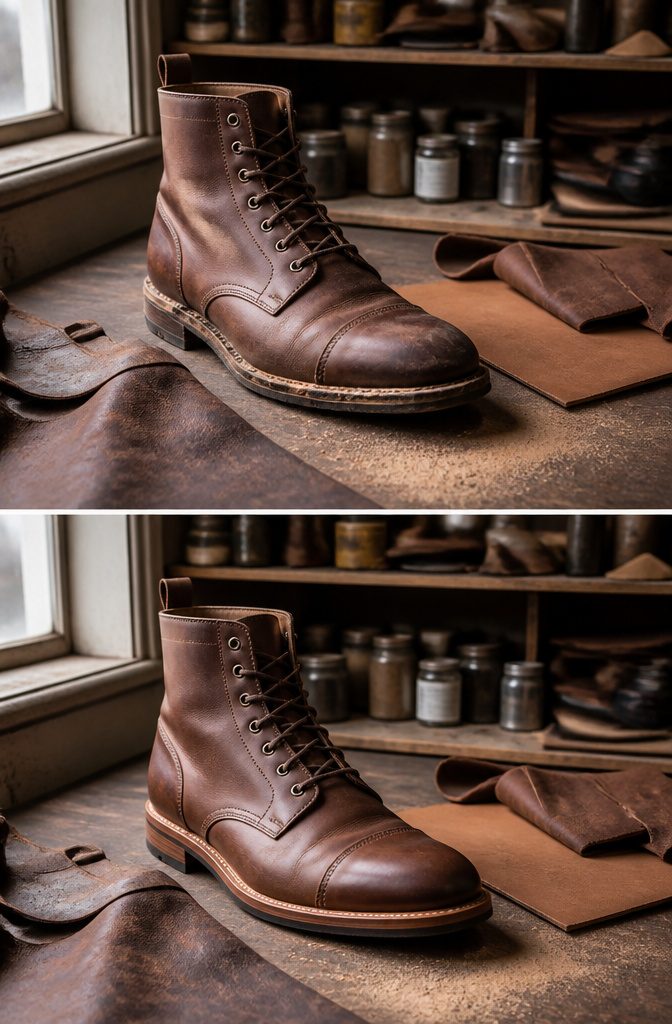
The leather matters more than most marketing suggests.
Full-grain leather, taken from the top layer of the hide, wears harder and longer than corrected or split grades, and it picks up a patina that makes each pair look like your own after a season of use.
Chrome-tanned leather, common in many handcrafted boots, stays soft and flexible from the start. Vegetable-tanned leather (Paul Bond uses 10–12 oz weight for outsoles) takes longer to break in but holds its shape through years of resoling.
Construction shows up in the welt.
A Goodyear welt stitches the upper, insole, and outsole together in a way that lets a cobbler replace the sole without touching the rest of the boot. Vibram outsoles grip better than plain leather and last longer in wet conditions.
Linings vary: calfskin-lined boots feel softer inside and wick moisture better than synthetic options. Some makers source leather domestically; others work with tanneries in Mexico or Europe where certain finishing techniques have been standard for decades.
Recommended Products

Durable, flexible, lightweight, rubber outsole diagnoses foot condition during first weeks of wearing the shoes
Cowhide Leather | These biker boots are meticulously crafted from full-grain premium 2.2mm thick cowhide black skin, offering waterproof and impermeable leather for reliable defense against wet conditions. The uppers of these leather motorcycle boots are strongly constructed to ensure exceptional quality and long-lasting durability.

Durable, flexible, lightweight, rubber outsole diagnoses foot condition during first weeks of wearing the shoes
Choosing by Style and What You’ll Actually Do in Them
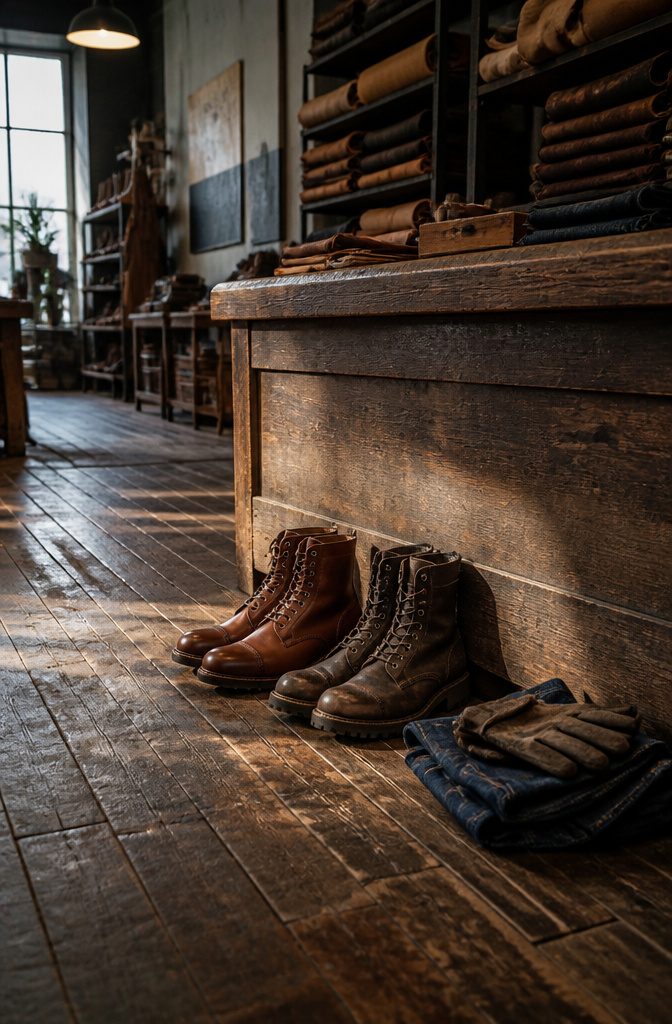
Handcrafted leather boots break down into dress, casual, work, outdoor, engineer, service, and cowboy styles, and the makers I looked at mostly frame the choice around what the wearer actually plans to do rather than pushing one silhouette as universal.
Oak Street Bootmakers designs its Trench and Field models after World War I and II military service boots, priced $460–$520, for casual city wear with hand lasting and refined lines.
Nicks offers the AB64 for a polished, minimalist look and the Ivan Boot for a more rugged outdoor option, though both share the same heavy construction and long break-in that makes them unsuitable if you want something you can dress up.
Work boots skew toward the Pacific Northwest logger tradition: thick leather, stiff at first, built for heavy-duty tasks rather than versatility.
Cowboy boots from specialists like Paul Bond follow their own fit and aesthetic rules. The choice comes down to whether you need performance in rough conditions or prefer the artistry and labor of a casual boot made with rare techniques.
Recommended Products

🥃 2 oz Texan Boot Shot (1 Piece). Includes ONLY ONE (1) tequila shot boot.

Cowboy Leather Cowboy Handmade Luxury Boots

All-day comfort: Designed with exceptional cushioning, these boots incorporate shock-absorbing technology and high-traction soles to minimize fatigue and ensure stability on any surface.
Fit Guidance: Sizes, Lasts, and Width Options
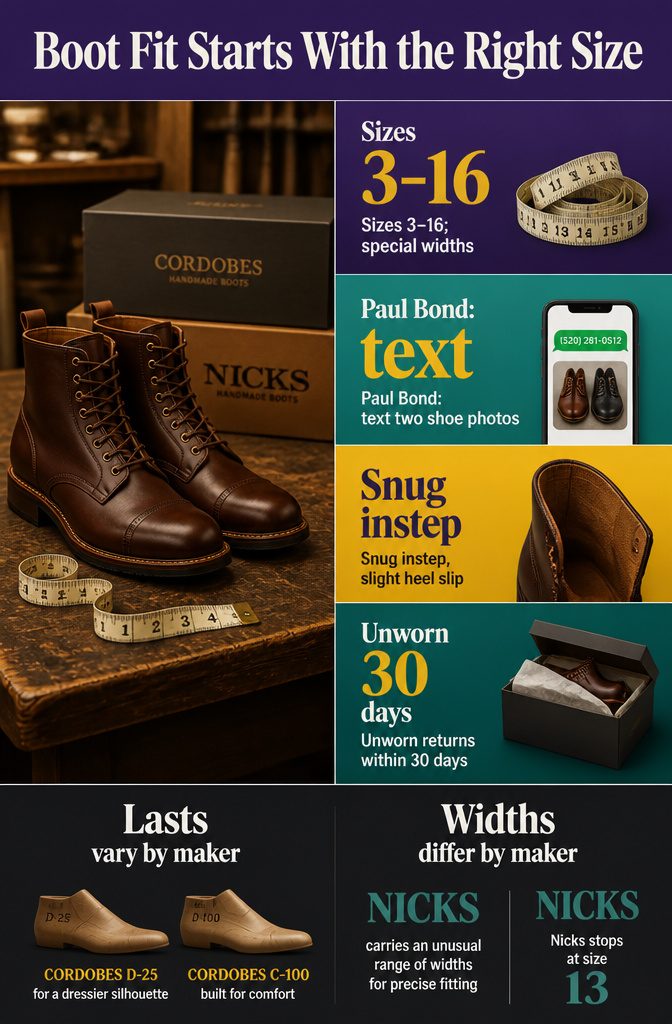
Sizes run from 3 to 16 at Hockerty, with special widths available through their online recommender tool.
Most makers ask you to measure at home or reference shoes you already own. Paul Bond wants you to text photos of two pairs with their sizes to (520) 281-0512, and they reply same day with a recommendation.
A snug instep and slight heel slip are normal in a new boot; the leather settles after a few wears.
If the fit is wrong, most shops take unworn returns in the original box within 30 days and ship the correct size at no charge.
Lasts vary by maker and change how a boot hugs your foot.
Cordobes offers a D-25 for a dressier silhouette and a C-100 built for comfort, both shaped for different lifestyles. Nicks carries an unusual range of widths for precise fitting, though their sizes stop at 13 and they skip extra-wide options.
Recommended Products
AMERICAN MADE with USA and globally sourced components by the skilled craftsmen and women at Thorogood’s US plants

AMERICAN MADE with USA and globally sourced components by the skilled craftsmen and women at Thorogood’s US plants

AMERICAN MADE with USA and globally sourced components by the skilled craftsmen and women at Thorogood’s US plants
Cleaning, Conditioning, and When to Resole
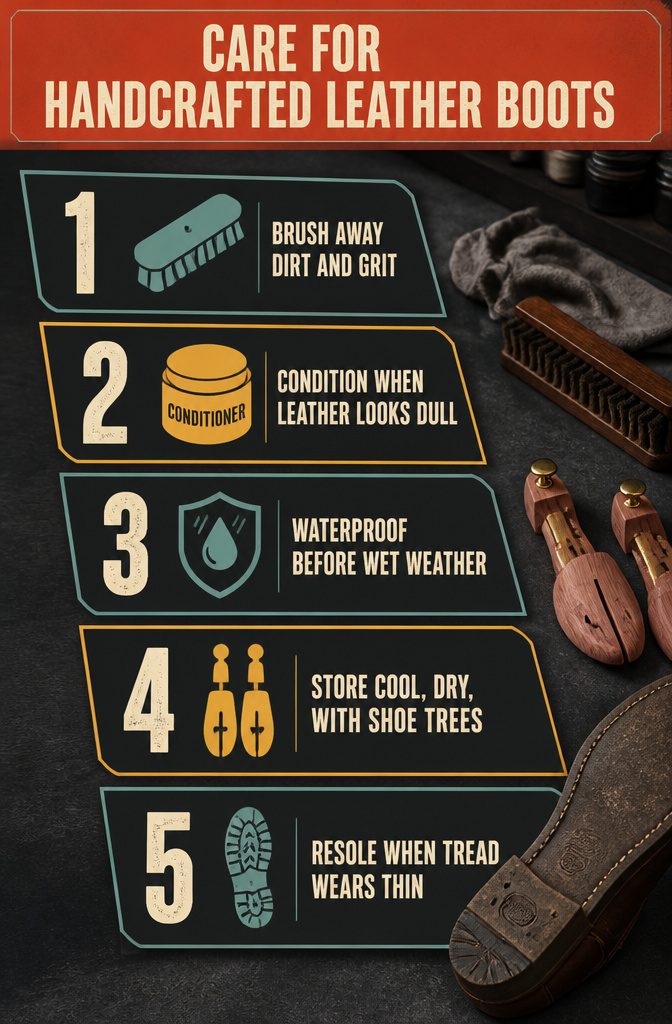
- Brush off dried dirt and mud with a horsehair brush or soft cloth before it works into the grain. Wipe the leather down with a damp cloth if grit remains.
- Apply leather conditioner every few months or when the leather looks dull. A quality conditioner keeps the material supple and stops cracking before it starts.
- Waterproof before exposure to wet conditions. Many handcrafted boots handle rain and snow once properly treated, but the protection wears down and needs reapplication.
- Store boots upright in a cool, dry spot away from direct heat. Cedar shoe trees help them hold shape between wears.
- Plan for resoling when tread wears thin or the sole feels soft underfoot. Handcrafted boots are built for this: Nicks offers resoling and full rebuild services, and most makers design their construction to be taken apart and put back together multiple times.
Recommended Products

[Knee High Boots Low Heel]: Heel Height: about 1.57 inch/4 cm.The chunky low heels allow you to walk easily. If you have any size problems, please feel free to contact us.

CLASSIC STYLE: The Medfield features clean lines and a burnished finish and comes in a variety of patterns.

Handcrafted Excellence: Each pair of our women's cowboy boots is meticulously handcrafted, ensuring superior quality and unique detailing.
Why American-Made Matters Beyond the Label
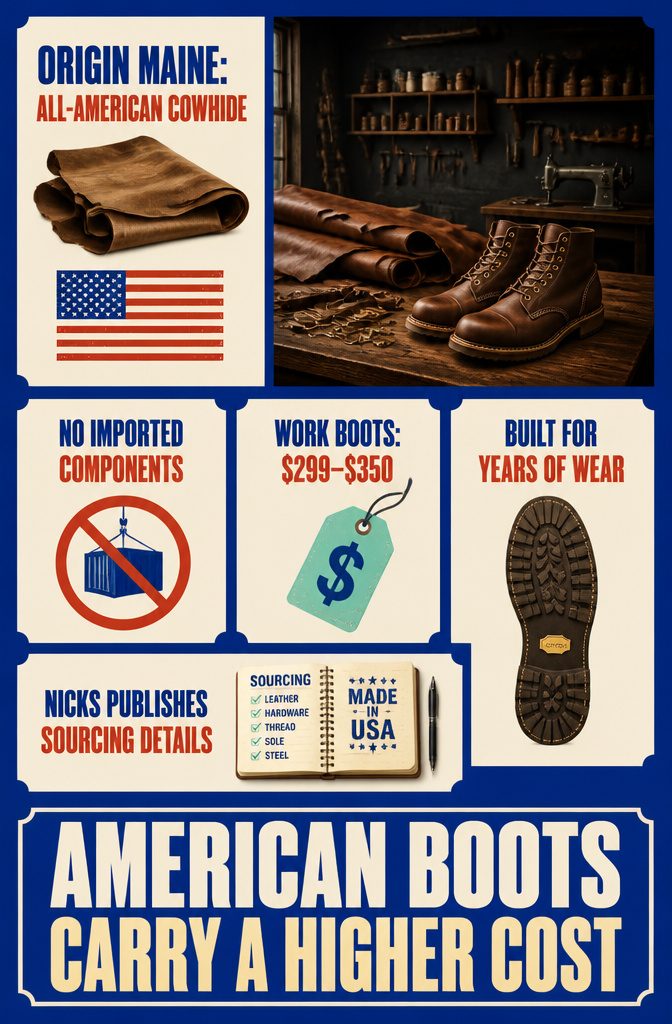
American-made boots come from workshops where makers source domestic leather, control every stage of construction, and stand behind their work.
Origin Maine builds boots entirely from American cowhide with no imported components, which matters if you want to keep dollars in the domestic economy or support local tanneries and shoemakers.
The cost runs higher (Origin’s work boots land between $299 and $350) but the construction holds up to years of wear where imported boots may need replacement twice over.
The label or stamp tells you where a boot was made, but transparency separates full domestic production from boots assembled here with overseas leather or hardware.
Brands like Nicks Boots publish their sourcing and make everything in-house, so you know what you are paying for.
Boots made partly abroad may still be good; the difference is whether supporting American craft and keeping manufacturing skills alive is worth the upfront premium to you.
Frequently Asked Questions
What makes handcrafted leather boots different from factory-made boots?
Handcrafted boots are cut, stitched, and finished by skilled workers rather than run through automated lines.
Nicks uses double row stitchdown with over 90 nails holding 7-ounce leather, Russell Moccasin builds genuine handsewn mocs where a single piece of leather wraps the foot, and Paul Bond uses Goodyear welt with lemonwood shank pegs and brass nails.
What handcrafted means depends entirely on which maker you’re buying from.
How can I tell if a boot is genuinely American made?
Look for a label or stamp indicating origin, then check whether the brand publishes its sourcing and manufacturing process.
Origin Maine builds boots entirely from American cowhide with no imported components, while Nicks makes everything in-house and sources domestically. Some boots assembled in the US use overseas leather or hardware, so transparency separates full domestic production from partial.
What are the benefits of full-grain leather in handcrafted boots?
Full-grain leather, taken from the top layer of the hide, wears harder and longer than corrected or split grades.
It picks up a patina that makes each pair look like your own after a season of use. Full-grain holds its shape through years of resoling, unlike lower grades that break down faster.
How should I care for handcrafted leather boots?
Brush off dried dirt with a horsehair brush, then wipe with a damp cloth if grit remains. Apply leather conditioner every few months when the leather looks dull, and waterproof before exposure to wet conditions.
Store boots upright in a cool, dry spot away from direct heat, and plan for resoling when tread wears thin or the sole feels soft underfoot.
Can I have my handcrafted boots resoled or repaired?
Handcrafted boots are built to be taken apart and put back together multiple times.
Nicks offers resoling and full rebuild services, and most makers design their construction to allow a cobbler to replace the sole without touching the rest of the boot. Goodyear welt and stitchdown construction both support this.
Why are American-made boots more expensive than imported options?
American-made boots come from workshops that source domestic leather, control every stage of construction, and stand behind their work.
Origin’s work boots land between $299 and $350, higher than imports, but the construction holds up to years of wear where imported boots may need replacement twice over. The upfront premium pays for local tanneries, shoemakers, and manufacturing skills kept alive.
What styles of handcrafted leather boots are available?
Handcrafted boots break down into dress, casual, work, outdoor, engineer, service, and cowboy styles.
Oak Street Bootmakers designs military service boots at $460–$520 for casual city wear, Nicks offers work boots built for heavy-duty tasks, and Paul Bond makes cowboy boots following their own fit and aesthetic rules.
The choice comes down to whether you need performance in rough conditions or prefer the artistry of a casual boot made with rare techniques.
How do I choose the right size in handcrafted boots?
Sizes run from 3 to 16 at Hockerty with special widths available, and most makers ask you to measure at home or reference shoes you already own.
Paul Bond wants you to text photos of 2 pairs with their sizes to (520) 281-0512 and they reply same day with a recommendation.
A snug instep and slight heel slip are normal in a new boot; the leather settles after a few wears.
What materials are commonly used in handcrafted boots?
Full-grain leather forms the upper in most handcrafted boots, with chrome-tanned leather staying soft and flexible from the start.
Vegetable-tanned leather takes longer to break in but holds its shape through years of resoling, and Paul Bond uses 10–12 oz weight for outsoles.
Vibram outsoles grip better than plain leather and last longer in wet conditions, while calfskin linings wick moisture better than synthetic options.