
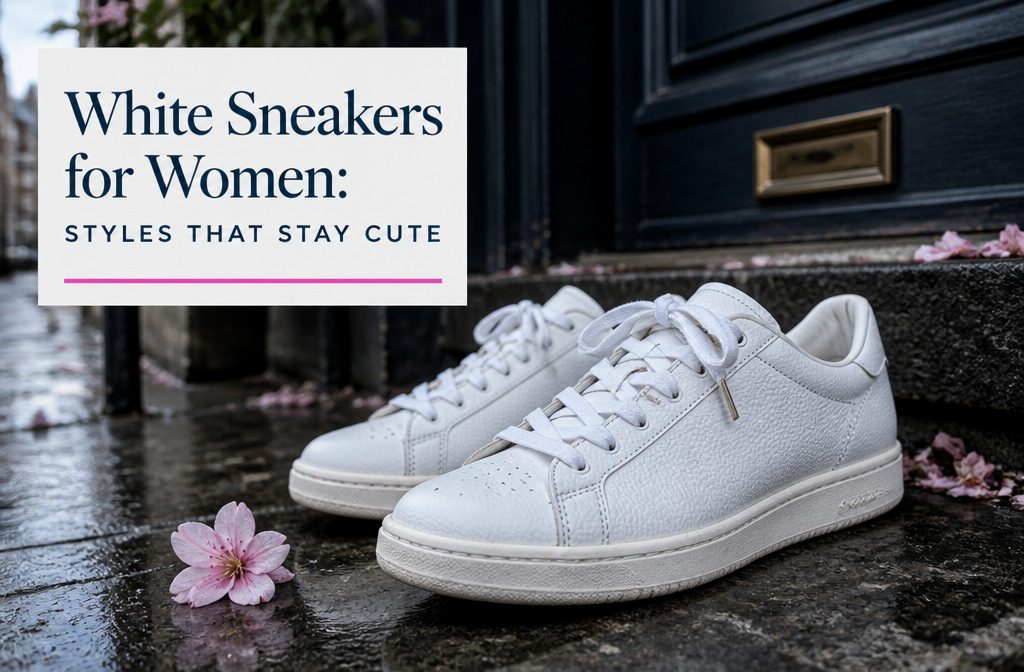
Cute white shoes are white sneakers that keep a clean, minimal look without reading too sporty or technical.
The category starts at $30 for a Vans slip-on and runs as high as $850 for a woven leather platform, though most pairs here sit between $70 and $150.
Court styles in pebbled leather last longer than smooth finishes if you’re walking more than a parking lot.
1. Everyday White Sneakers That Work With Everything
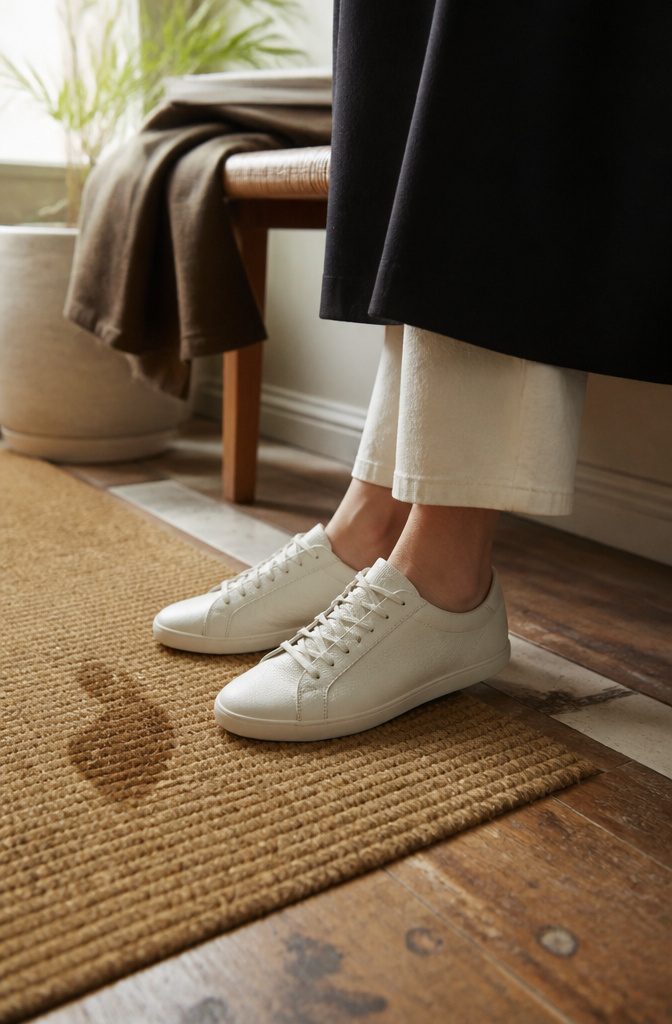
The Triple White Premium Leather Sneaker runs $149.00 and uses pebbled leather soft enough to forget you are wearing shoes.
That texture matters if you plan to walk more than a parking lot: the give in pebbled leather flexes where smooth full-grain can bind.
Cariuma plants two trees per pair, which does nothing for fit but lands well if you care where the money goes after the sale.
Reebok’s Club C 85 Vintage sits in off-white rather than stark white, reading slightly broken-in from the first wear. The 85 silhouette keeps a low profile that disappears under cropped trousers or midi skirts without the chunky sole that dates faster.
Sizes run 5 to 11, and the pair lasts long enough that owners mention restocking the same style years later rather than rotating through trends.
2. White Sneakers Built for Walking and Travel
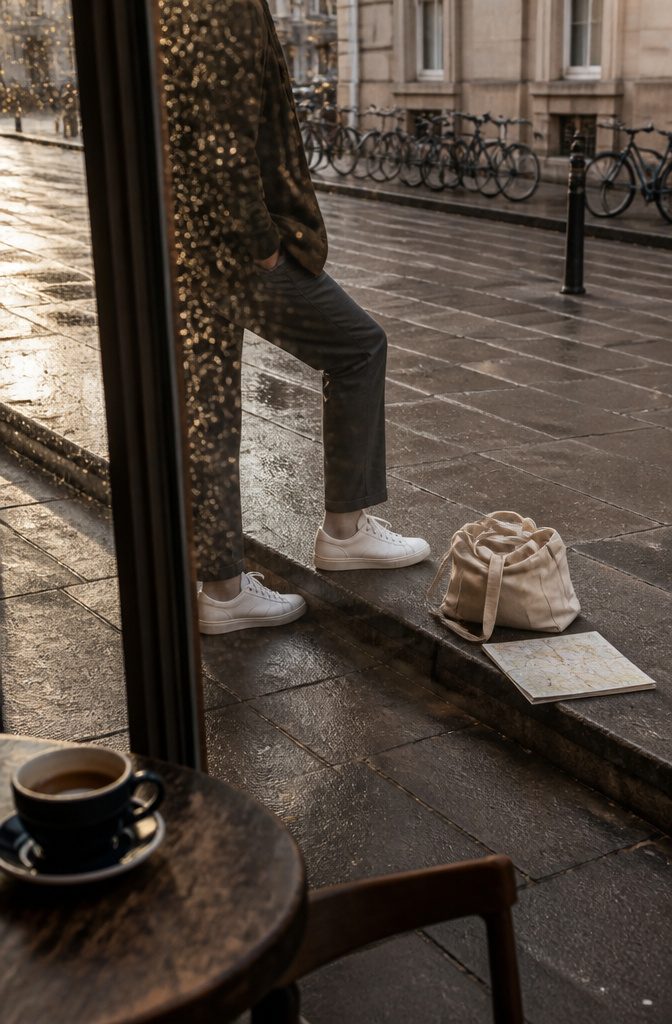
The Howell Lace Up Sneakers handle over 10 miles a day without complaint, according to someone who walks city blocks for a living.
That matters if you’re spending a week in a place where the good stuff is twenty minutes apart on foot. The design keeps it simple: white leather, lace-up closure, and enough cushioning that your feet aren’t done by mid-afternoon.
One pair survives repeat trips, which makes the investment reasonable when you consider how many days of sightseeing you can pull from them.
Style stays clean enough for dinner after you’ve been out since breakfast, and the sole grips pavement without looking technical.
If your travel day starts at a museum and ends at a restaurant across town, this is the pair that gets you there.
3. Running and Gym Sneakers in White
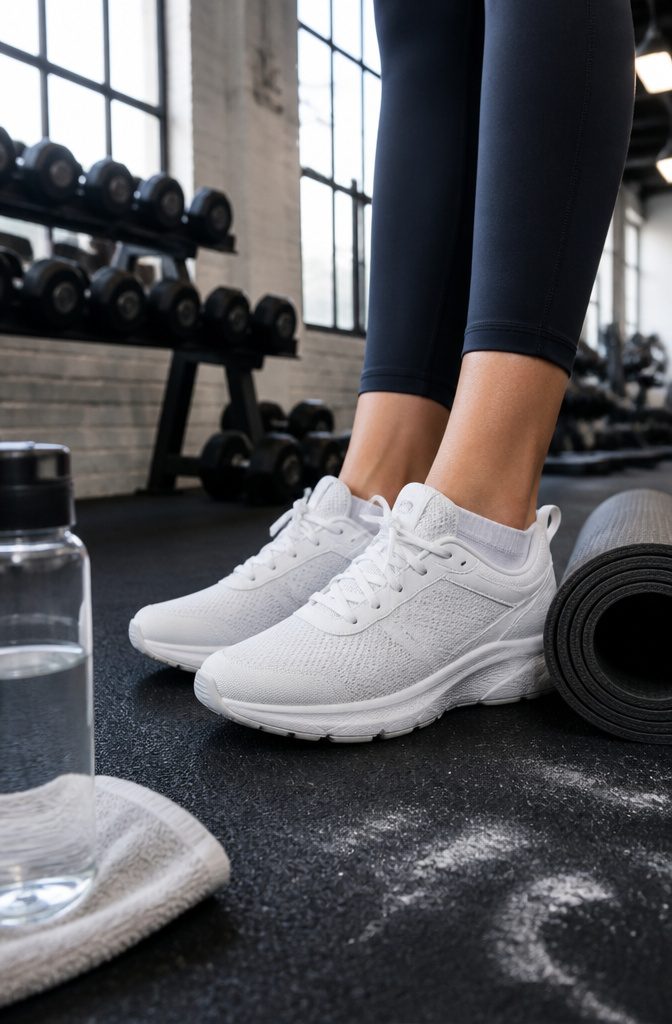
The Arahi 7 from Hoka works for both daily runs and gym sessions, built on the same stable platform the brand uses across its running line.
On calls it the 5 Running Sneaker comfortable enough for all-day wear, and customers who bought them for work and workouts recommend sizing up a half size the way you would with most athletic shoes.
The Arahi sits at $139.99 and runs through women’s sizes 5 to 11.
For cross-training, look at the white models in Source 2’s running and training catalog: anything labeled for gym use handles lateral movement better than a shoe designed only for forward motion.
I’d pick based on whether you’re mostly running (forefoot cushioning matters more) or lifting (a flatter, firmer sole keeps you stable under weight).
4. Court Styles and Classic Low-Tops
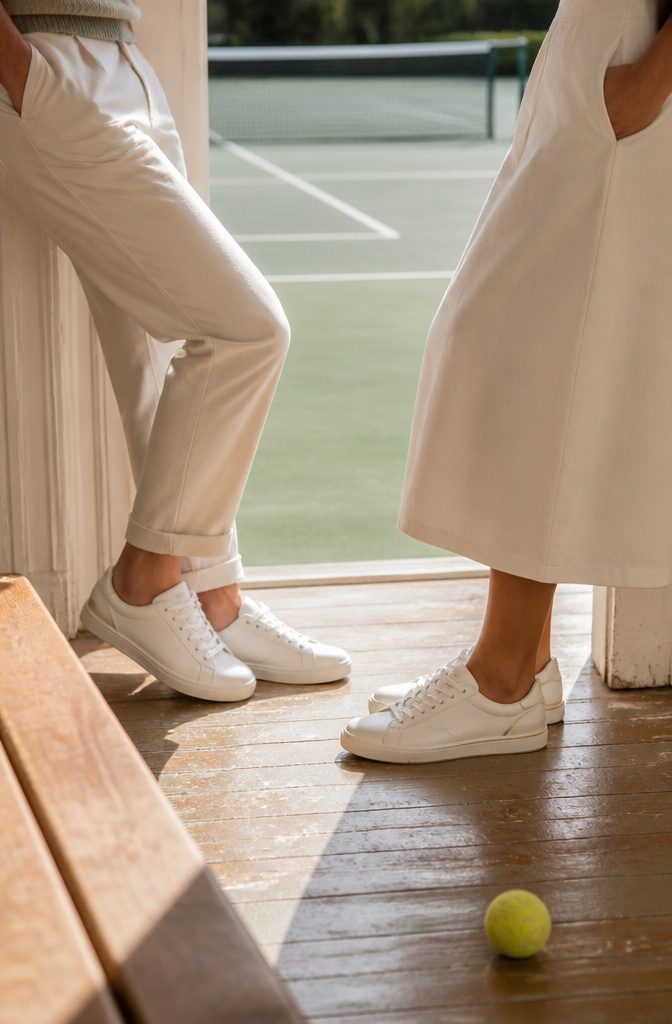
Court shoes strip away the cushioning and branding that running sneakers carry and keep a flat, low silhouette.
The Nike Court Vision Low sits at $67.97 on sale and delivers that tennis-inspired look in sail with metallic bronze trim, though the heel sits slightly higher than what you get from a true court sole.
Superga’s 3843 Court follows the same template but skims closer to the ground, which reads cleaner with cropped trousers or a midi skirt.
The Brighton, a newer court-style option, runs $6–10 and customer reviews call out footbeds like walking on clouds paired with soft leather uppers.
That combination matters if you plan to wear them longer than an hour at a time, since most court shoes trade comfort for the streamlined shape.
All three stay minimal enough that the shoe disappears into the outfit rather than competing with it.
5. Platform Sneakers for Extra Height
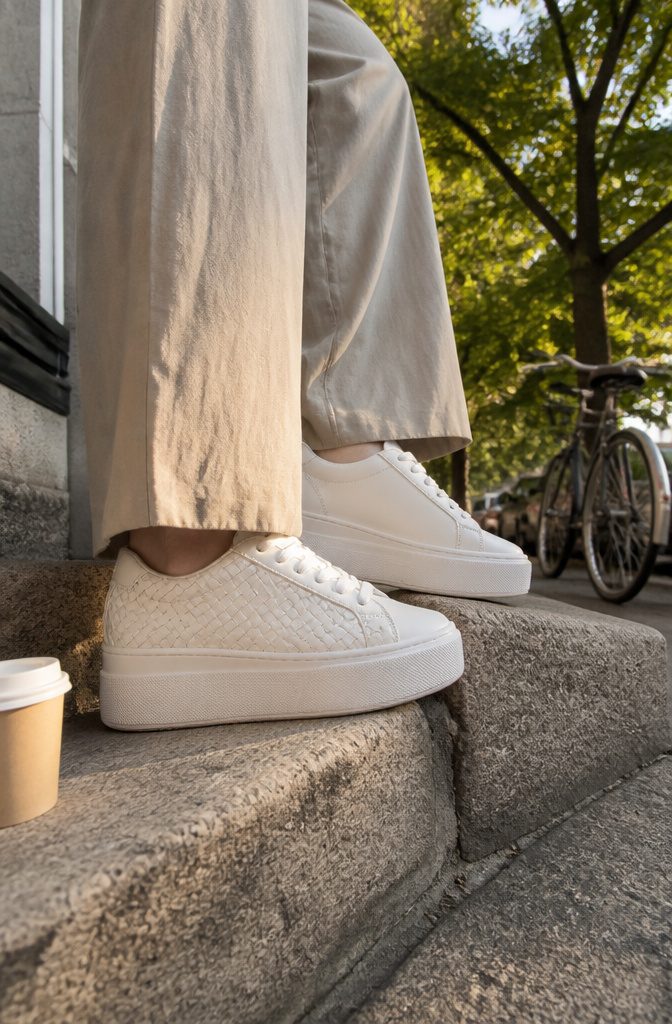
Platform sneakers give you anywhere from an inch to an inch and a half of lift without the pitch of a heel, so your posture stays level and the shoe still works for walking.
The Pippy Platform Sneaker lands in that taller category and runs through size 11; one buyer called them "super comfy and versatile" and said she recommends them to everyone she knows.
The Nama Woven Platform Low Top Sneakers sit at $850, which prices them past most of the other picks here, but the woven leather and the lift have made them a repeat street-style fixture.
A customer review noted tons of compliments and called them flattering, which tracks; the platform sole visually lengthens your leg without changing how you stand.
6. Slip-On White Sneakers
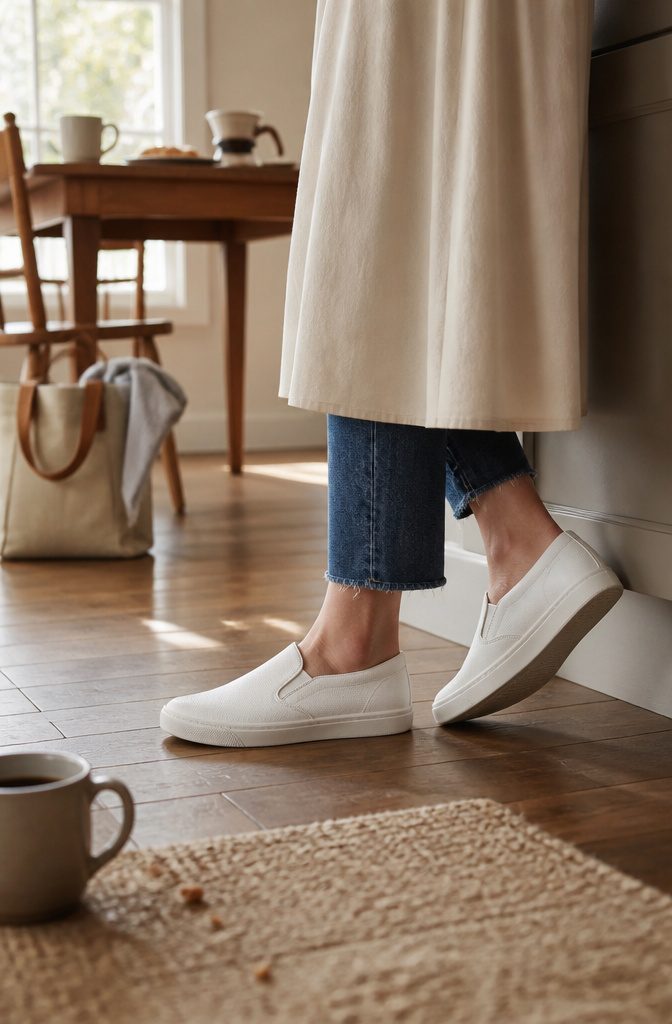
Vans slip-ons skip laces without looking like you are trying too hard.
The Fu Classic Slip-On sits at $29.98 from $75.00 and earned a 4.9 out of 5 rating for a reason: you slide them on before the coffee is poured and they stay put through errands, lunch, and the walk home.
The Classic Slip-On in Sherpa Tan runs $19.50 down from $65.00 if you want the same silhouette in a warmer finish.
Both styles work with cropped jeans and midi skirts, and the elastic goring flexes enough that you never feel like you are forcing your foot in.
I reach for slip-ons when comfort matters but sneakers with visible lacing feel too sporty for the outfit.
7. Waterproof White Sneakers
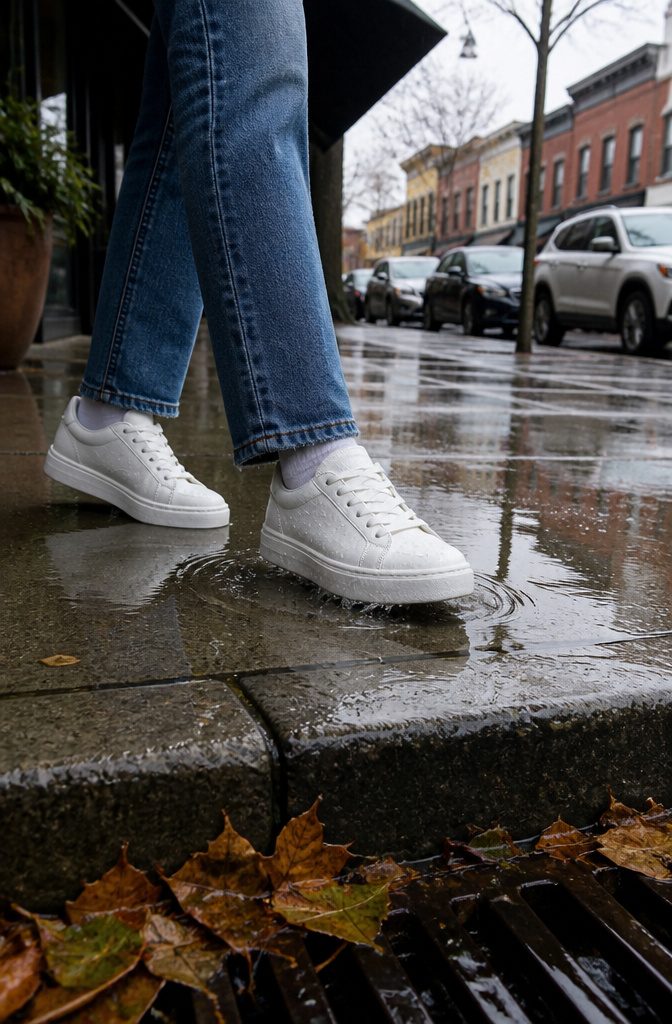
SOREL’s Out N About™ IV Low Sneaker Waterproof handles wet sidewalks and light rain without the bulk of a boot.
The waterproof membrane keeps your feet dry when you’re running errands on a drizzly morning or walking through slush that hasn’t been cleared yet.
I’d reach for these when the forecast shows rain all day but you still need something that looks clean enough for coffee with a friend.
The low-top silhouette works under straight-leg jeans or joggers, and the white colorway stays versatile even with the slightly sporty build.
Waterproof construction adds a bit of weight compared to canvas sneakers, but the tradeoff makes sense if you live somewhere wet or walk to work year-round.
These aren’t technical hiking shoes. They’re for pavement in weather that would soak through regular sneakers in 10 minutes.
8. White Sneakers With Color Accents
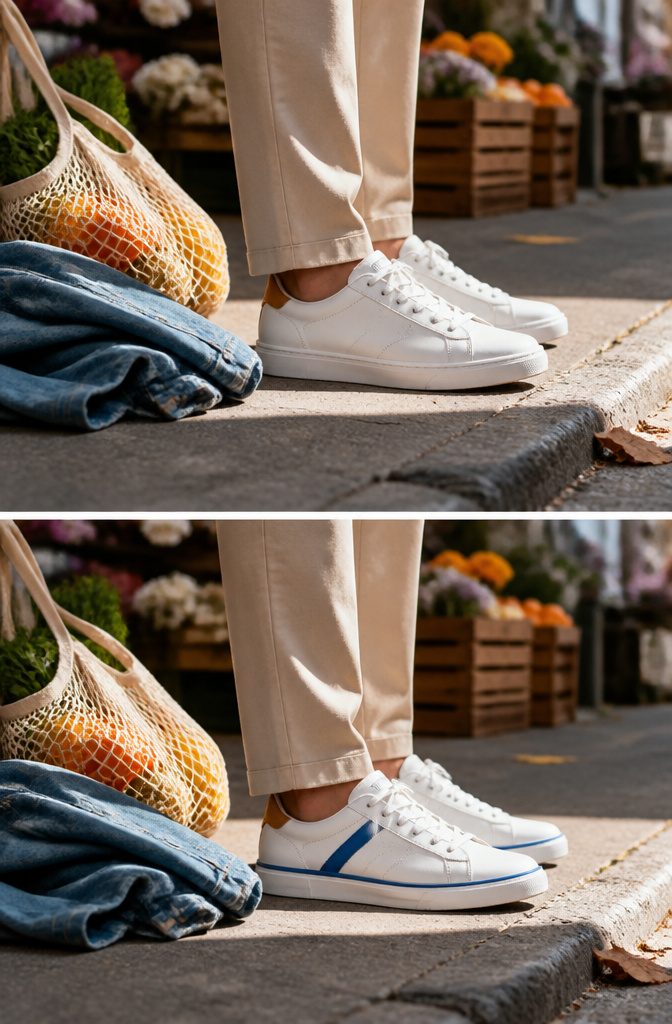
A white base with a pop of color on the heel tab, sole edge, or side stripe keeps the shoe easy to style while adding just enough personality that it reads as a choice rather than a default.
The Nike Cortez in white with blue and tan accents is the textbook example: the contrast lands where you notice it without competing with what you’re wearing.
I’ve found that these work better than all-white when you want the sneaker to feel intentional but still pair with most of what’s already in rotation.
Right now that approach is sitting at sharp discounts. The Nike Pacific in White/Light Crimson runs $40 down from $80, and New Balance’s 442 cleat in Sea Salt/Pink Heat is $44 from $110.
The Sam Edelman Miles in White/Yellow Freeze drops to $36 from $120 (70% off puts it in impulse range if the colorway works for you). SOREL’s Ona Drift pairs Sea Salt with Crimson Fire at $50, half its original price.
The color stays subtle enough that the shoe still functions as neutral in an outfit, but the detail gives it enough character that you’re not just wearing the safe option everyone else picked.
How Much Support Your Feet Actually Need
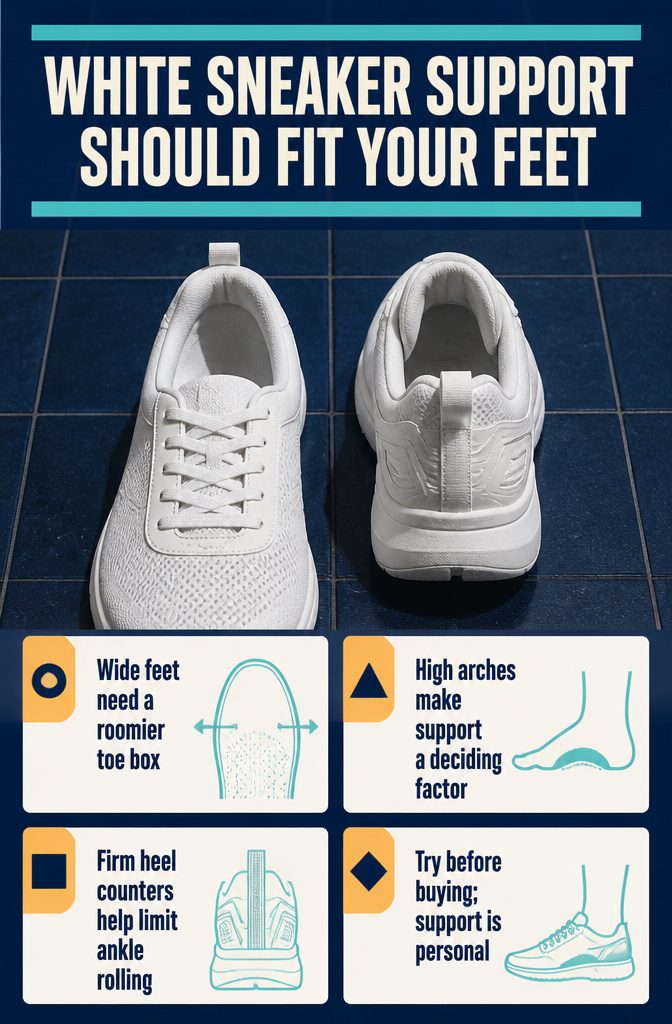
Support needs differ by foot shape and body mechanics, and inadequate support could increase wear on the body and risk injury.
Rebekah Broe, director of product for performance footwear at HOKA, points to that risk when you choose a sneaker without the right structure for how you move.
Wide feet, high arches, and stability concerns all shift which sneaker works.
Customer feedback on these sneakers regularly flags arch support as the deciding factor between comfort and blisters by midday. Some mention needing a wider toe box, others want a firmer heel counter to keep the ankle from rolling.
What feels supportive to one person reads as too stiff or too loose to the next, so trying before buying matters more here than it does for casual styling alone.
When Activity Type Changes Which Sneaker Works
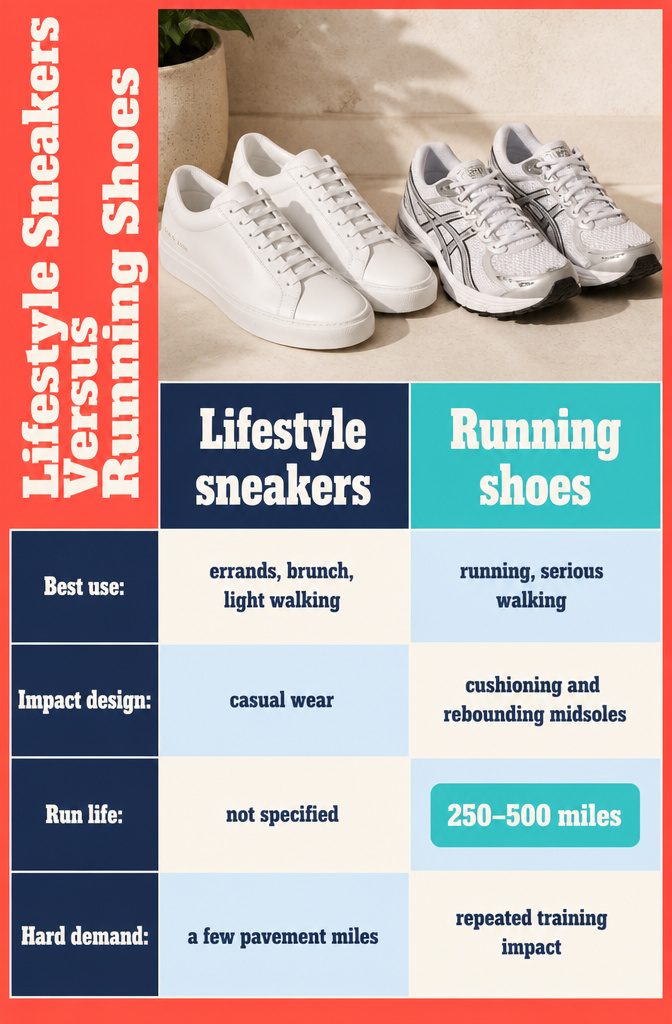
Lifestyle sneakers like the Common Projects and the Adidas Stan Smith handle errands, brunch, and light walking without trouble.
Running shoes are built differently. Running shoes are engineered for 250–500 miles of repeated impact, with cushioning systems and midsole compounds that compress and rebound thousands of times before they lose their structure.
A lifestyle sneaker worn for a 10K will feel fine for the first two miles, then leave your arches wondering what happened.
Running shoes have a mileage range that is around 250-500.
— Yahoo
That range matters if you run regularly or log serious walking miles.
For casual wear, the distinction is simpler: pick based on where you’ll actually wear them. A pair that crosses categories works if your hardest demand is still a few miles on pavement, not interval training.
How Long White Sneakers Last and When to Replace Them
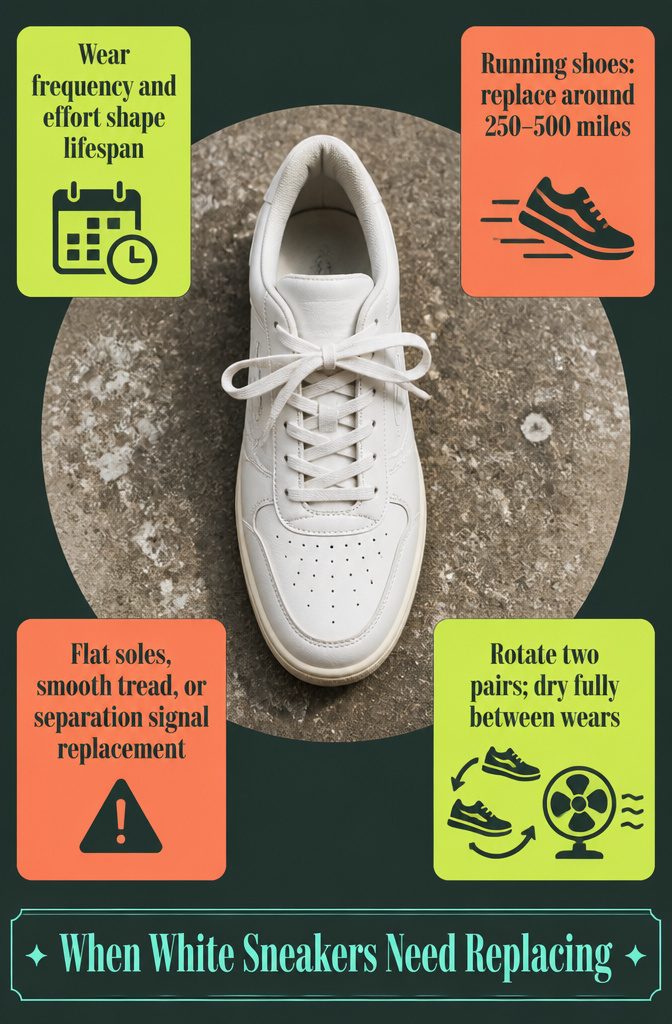
Lifespan hinges on how often and how hard you wear them. Running shoes hit their limit around 250–500 miles, but everyday sneakers last longer if you rotate pairs and let them dry completely between wears.
Wear frequency, duration, activity level, storage conditions, weather exposure, and surface type all shorten or extend how long a pair holds up.
Signs you need new ones: the sole feels flat underfoot, the outsole tread is visibly worn smooth, the upper material starts separating from the sole, or you notice new aches in your feet or knees after wearing them.
Rotating between two pairs and keeping them dry before each wear adds months to both.
Frequently Asked Questions
How much support should I have in my sneakers?
Support needs differ by foot shape and body mechanics, and what works for one person may not suit another.
Inadequate support could increase wear on the body and risk injury. Wide feet, high arches, and stability concerns all shift which sneaker works, so trying before buying matters more than styling alone.
Is there a difference between lifestyle and running shoes?
Running shoes are engineered for 250–500 miles of repeated impact, with cushioning systems that compress and rebound thousands of times before losing structure.
Lifestyle sneakers handle errands and light walking without trouble but will leave your arches complaining if worn for serious distance.
Pick based on where you’ll actually wear them: a pair that crosses categories works if your hardest demand is still a few miles on pavement, not interval training.
How long should white sneakers last?
Lifespan hinges on how often and how hard you wear them. Running shoes hit their limit around 250–500 miles, but everyday sneakers last longer if you rotate pairs and let them dry completely between wears.
Replace them when the sole feels flat underfoot, the outsole tread is worn smooth, the upper separates from the sole, or you notice new aches in your feet or knees.