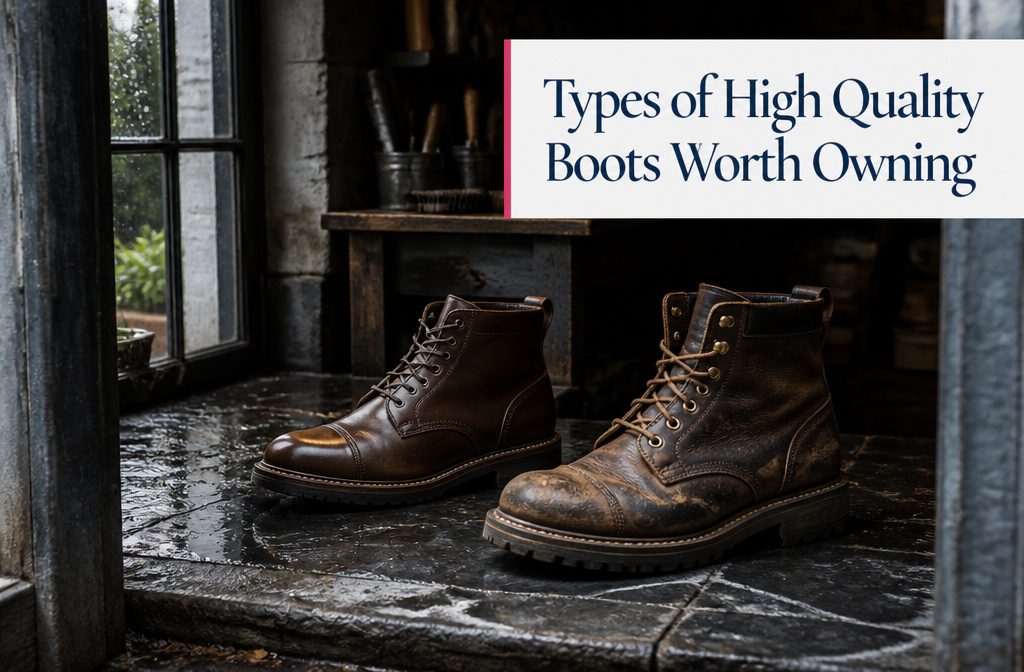
Grant Stone’s Diesel delivers Goodyear-welted construction and 3mm vegetable-tanned insoles at $380, which undercuts Allen Edmonds by 30 percent while matching or exceeding the stitching density and finishing work.
If you need something tougher than that, leather thick enough for wildland firefighting, a boot that takes literal chainsaw work, Nicks Americana runs $649 and uses 3mm upper leather as the starting point, not the whole story.
1. Work and Heritage Lace-Up Boots
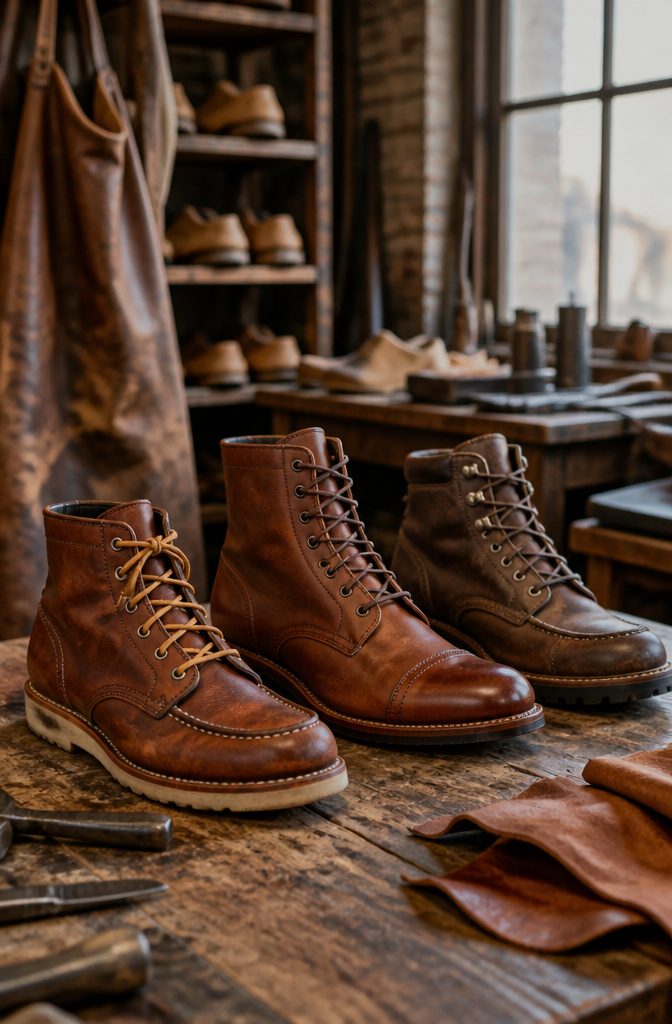
Thorogood’s moc toe and round toe work boots are built in Wisconsin, with 91 models still made in the USA. The company has been employee-owned since 2000.
I’ve seen these hold up under consistent abuse, which makes sense given the brand’s roots in serious work footwear dating back to 1892. Their 1892 line leans more casual if you want the same construction without the work boot look.
White’s has been at it since 1853, making them America’s oldest surviving bootmaker. The seven-inch Semi Dress was designed during the Depression for men who needed one boot that worked in the ditch and at dinner, and it still does both.
The upper leather runs at least 3mm thick, which puts it in a different weight class than most heritage boots marketed for style alone.
Danner, founded in 1932, keeps its stitched-construction models in Portland while cemented boots are made overseas. They mark which is which on the site.
The Mountain Light and Danner Light lean toward hiking, but the build quality carries over if you want a lace-up that handles weather and doesn’t look like you borrowed it from a trail crew.
2. Moc-Toe Boots
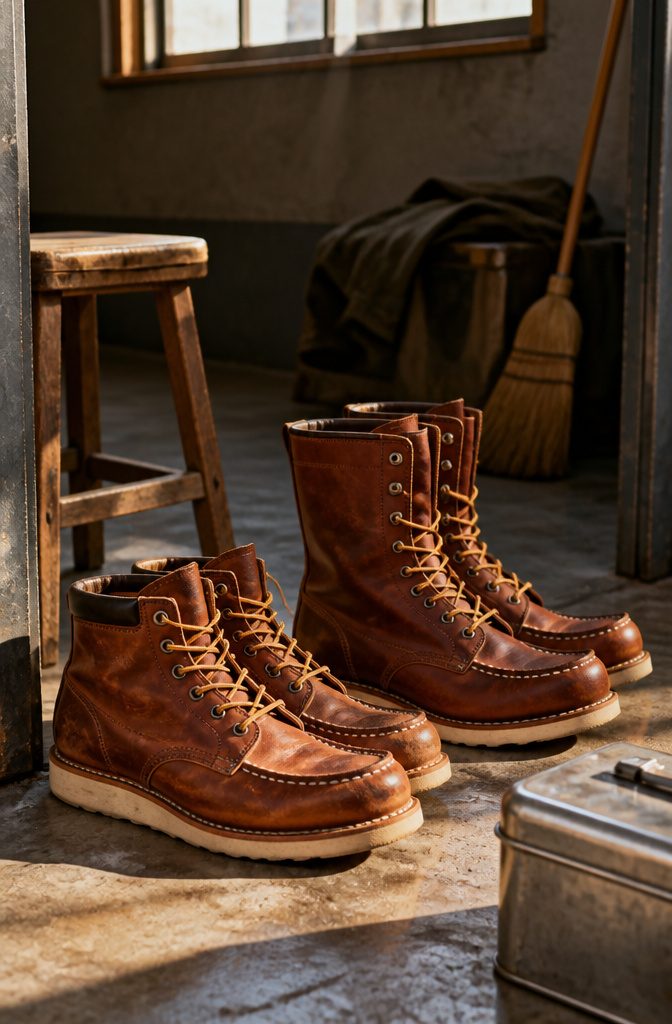
Red Wing’s Classic Moc is the boot that made the style popular, and it’s held on since the 1950s for reasons that still matter.
The wedge sole spreads support across your foot more evenly than a heel does, which helps if you’ve had knee or back trouble from standing all day.
Prices start at $299.99, and the Oro Legacy leather ages better than nearly anything else at that price.
The full-grain leather and cork midsole break in to feel custom-fitted, though that means the boot looks larger than it ends up feeling once the leather wraps around your foot.
For actual work sites, Thorogood’s Steel Toe Moc Toe runs $274.95 and comes in soft-toe, six-inch, and eight-inch versions.
The sole grips better on concrete than Red Wing’s or Danner’s, and it’s low-maintenance enough that you won’t avoid wearing it when the job gets messy.
Red Wing’s 877 is the eight-inch version of the Classic Moc, also available in six-inch cuts in Oro Legacy, Briar, or Black Prairie leather.
3. Chelsea Boots
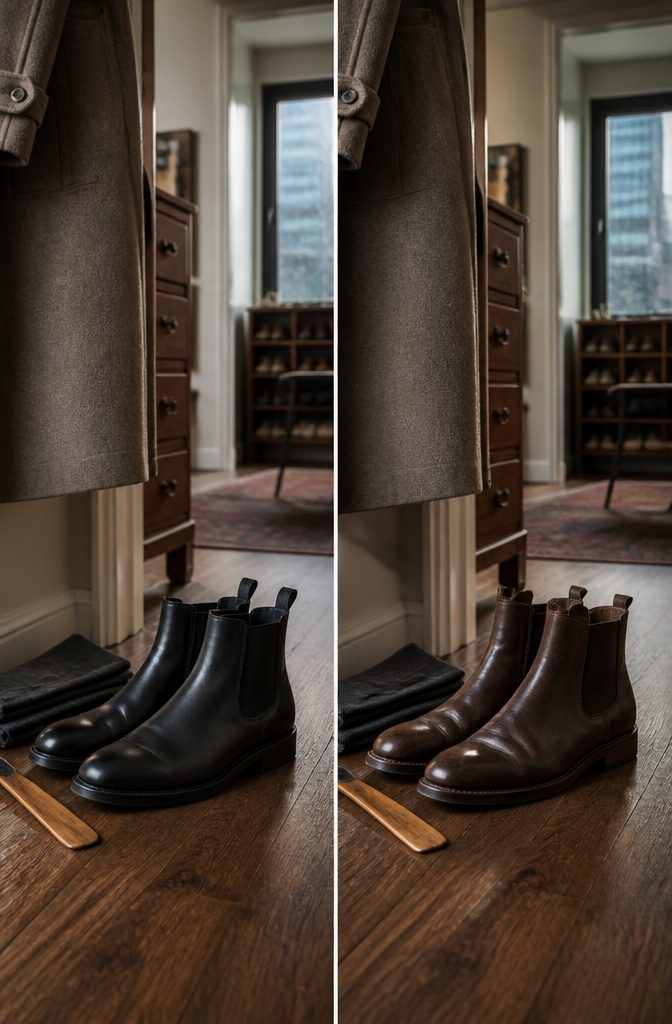
The two elastic side inserts that define a Chelsea boot make it faster to pull on than anything with laces, and the slimmer profile means it works with tailored trousers as easily as it does with jeans.
The Beckett Simonon Bolton sits at the dressier end, usually priced between $220 and $260, with leather soft enough that reviewers report ordering a second pair the moment the first one arrives.
You wait 6–8 weeks while the boots are made to order, though the brand keeps you updated throughout. The shape is classic rather than trendy, which makes it easier to wear for years without looking dated.
For something ready sooner, the Borden Isidro Chelsea runs $349 and ships faster because it’s made to order in smaller batches rather than on a preorder cycle.
The Unmarked Chelsea Eco, at $389, blends Mexican shoemaking tradition with modern materials and sits somewhere between heritage craft and contemporary design. Both skip the long lead time of the Bolton but cost more for it.
4. Western and Cowboy Boots
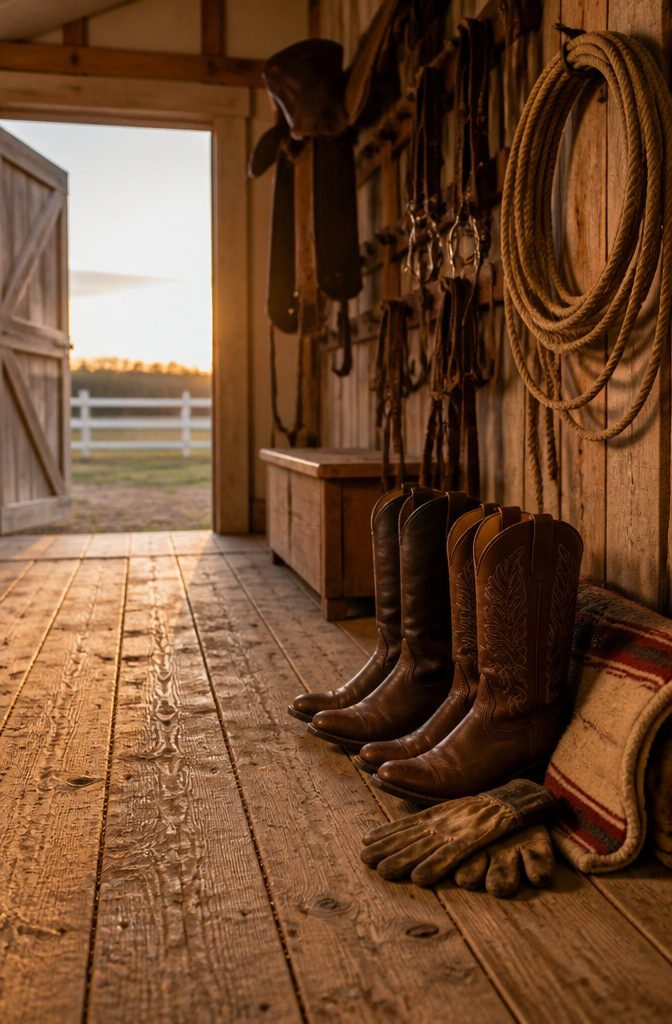
Tecovas offers handcrafted Western boots with a streamlined approach that works whether you ride or just want the style.
The brand has been making cowboy boots for about a decade, covering everything from exotic leather styles to side-zip boots and Chelsea silhouettes.
Cowboy boots typically feature ornate designs, stacked heels, and shafts of 10 inches or more, though Tecovas leans toward cleaner lines that pair with chinos or slim jeans without much effort.
For traditional bootmakers, Justin has been building Western boots since 1879, and Nocona dates to 1925. Both focus on durability and heritage construction.
Rios of Mercedes, in business since 1853, takes five times longer than average bootmakers to finish a pair, loading more weight and material into each boot for working cowboys who need equipment that holds up to riding and ranch work daily.
5. Chukka and Desert Boots
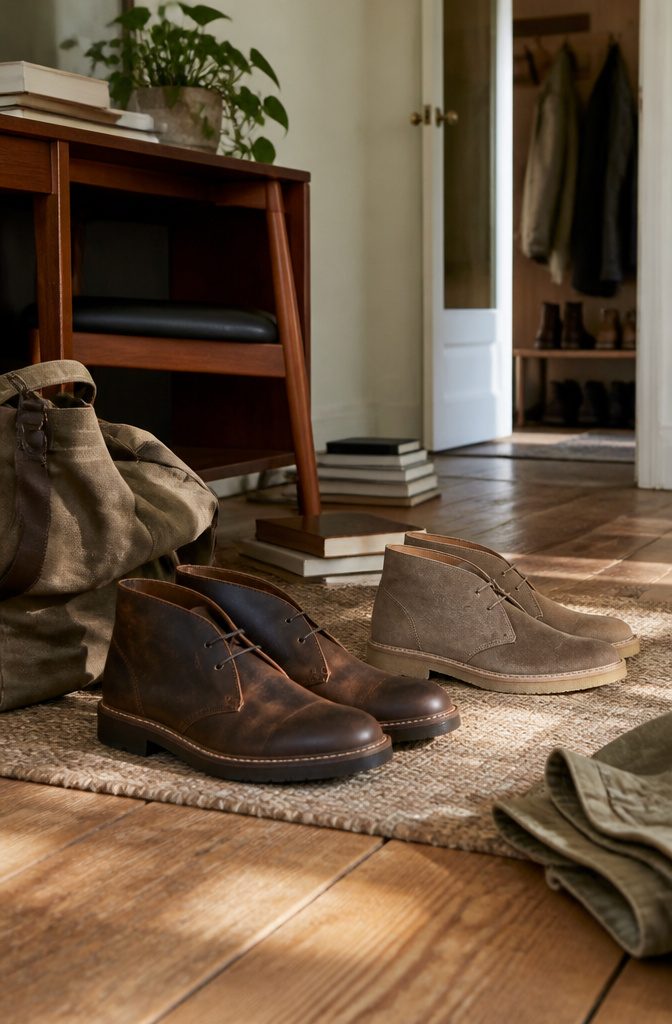
Thursday Scout sits at $160 with a rubber studded sole and steel shank, which makes it more durable than most chukkas that lean too casual.
The leather upper has contour through the waist and toe instead of collapsing into slipper territory the way a Clarks Desert Boot does after a season.
Two eyelets keep it minimal, though a third would help with ankle support. The stacked leather heel and studded sole let it move between dressed-down office days and weekends without looking out of place either time.
Clarks Desert Boot is the original: beeswax leather or suede over a crepe rubber sole, the style British soldiers wore in World War II.
It breaks in with wear but stays casual. The crepe sole gets dirty faster than rubber.
Astorflex uses sustainable leather-aging processes and crepe soles light enough to forget you’re wearing boots. Too casual for a suit, but they work for business casual or jeans without trying to be anything but laid-back.
6. Cap-Toe and Service Boots
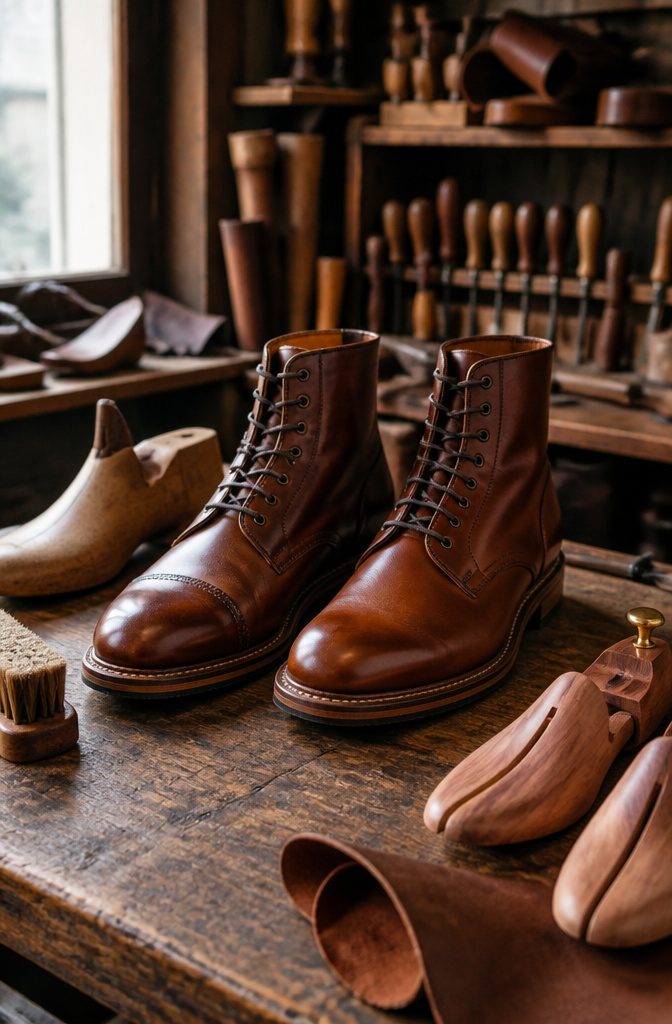
The Thursday Captain runs $199 and comes Goodyear-welted in sixteen leather colors, standard and wide widths both. That construction lets a cobbler resole the boot years down the road, so the frame lasts longer than cemented alternatives at this price.
Red Wing’s Iron Ranger sits in the same weight class but narrower through the toe box, which matters if your foot needs room up front.
Viberg’s Service Boot starts at $860 and earns it through small-batch assembly and materials that hold up to daily wear. The brand opened in 1931 and still builds in limited runs, so sizing can sell out fast.
All three styles work as lace-up boots you can wear daily without looking too technical or too dressy, though the Viberg reads more refined than workwear at that price.
7. Dress Boots
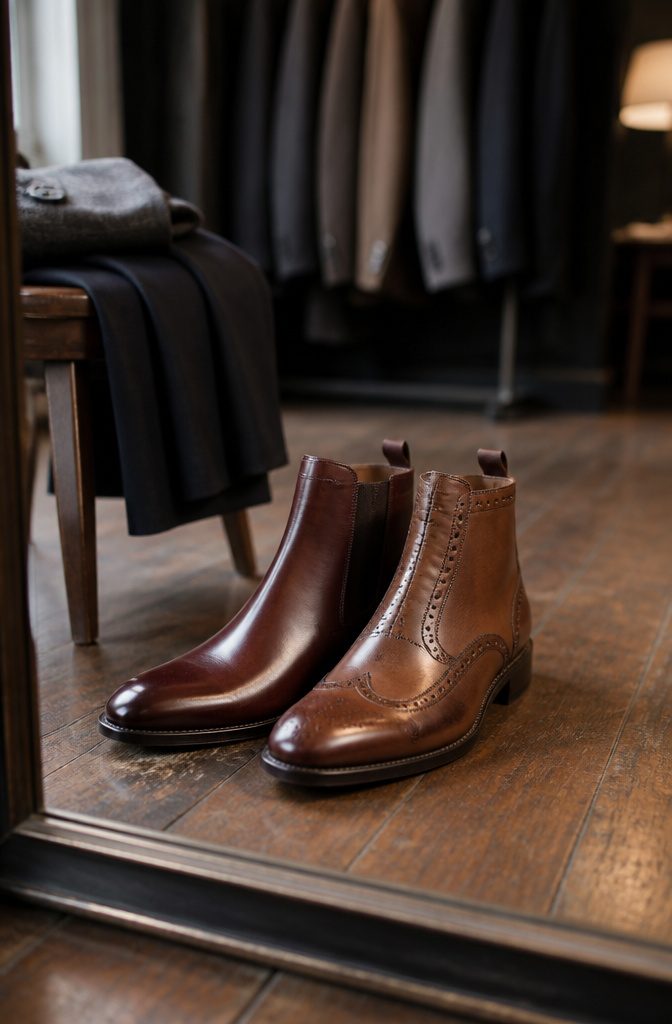
Beckett Simonon’s Elliot ($259) builds like an Oxford dress shoe (Blake-stitched construction, no seams on the vamp) but the shaft comes up past the ankle.
That clean front gives it range: it pairs as easily with a suit as it does with dark denim. The leather comes in five colors, and the whole boot skews formal without looking like you raided your grandfather’s closet.
Grenson sits at the other end of the price bracket.
Most styles run north of $500, and the detailing gets specific: wingtip perforations on the Fred, brogue punchwork on several others, rich tan and burgundy finishes that look right in a boardroom or walking through the countryside.
The construction backs up the aesthetic: these are British-made boots with nearly 160 years of know-how behind them, and the difference shows in the leather weight and the way the sole flexes underfoot.
8. Engineer Boots
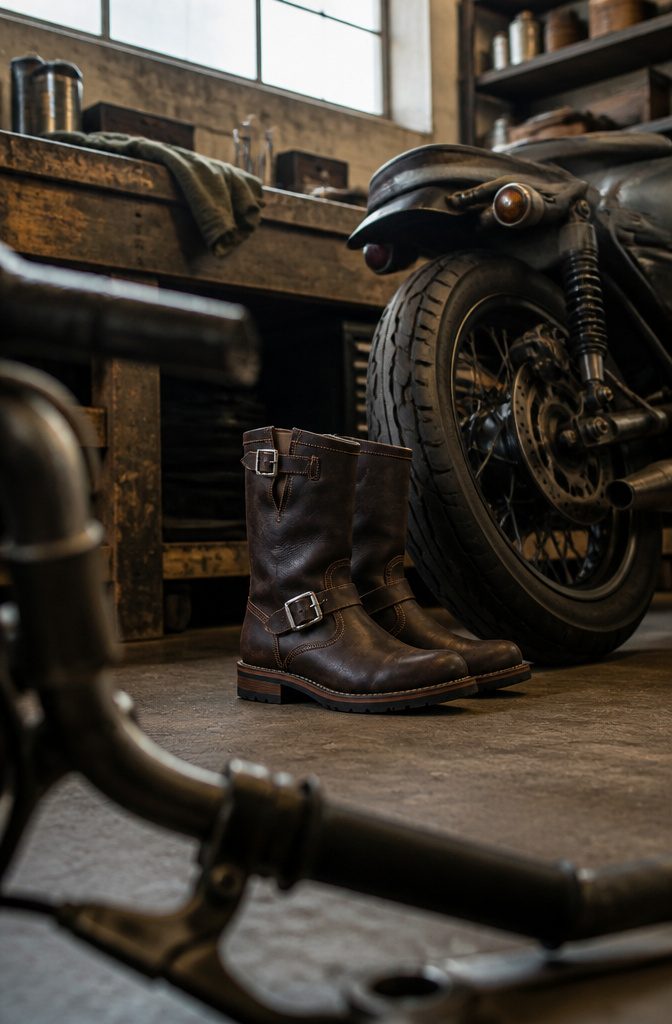
Engineer boots are built around a buckled strap at the calf and another at the ankle, no laces at all, which gave riders a clean silhouette and eliminated anything that could snag on motorcycle controls.
Wesco’s Boss remains one of the longest-running examples, cut from Chromexcel or Horsebutt and built on a doubled leather sole.
Clinch works from Japanese shell cordovan and hand-welts each pair, which puts most models past $2,000. Role Club sits between the two on price and favors vintage patterns pulled from mid-century workwear catalogs, then reconstructed in heavyweight leather.
The strap hardware and plain toe give them a blunt, utilitarian look that splits people cleanly: you either want that or you reach for something else.
9. Hiking Boots
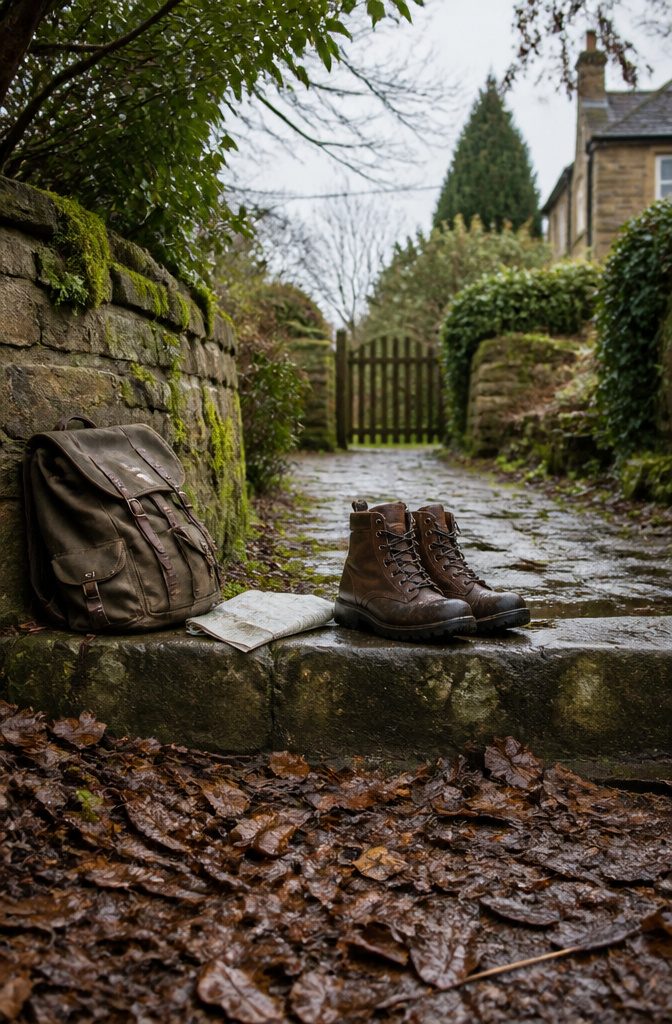
Danner has worked from a Portland factory since 1932, and the stitched hiking boots they still make there (Mountain Light, Mountain Pass, Danner Light) hold up season after season if you are willing to pay for construction that can be resoled.
The cemented models cost less and ship faster, but they are made overseas and you replace them instead of rebuilding them when the sole wears through.
For technical trail use, look past Danner’s heritage styles toward boots built with modern footbeds and waterproof membranes; the leather heritage boots work better as casual wear than as serious mileage on muddy switchbacks.
If you want a hiking boot that doubles as everyday footwear around town, the leather Danner models do that job without looking like you forgot to change after the trailhead.
10. Wingtip Boots
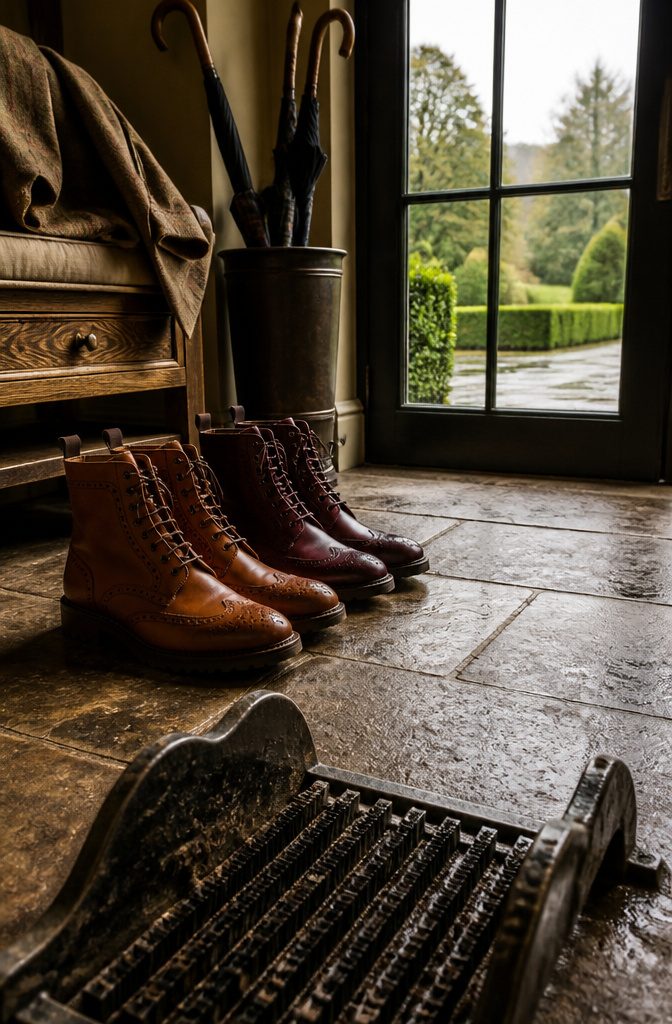
Grenson’s Fred Wingtip Boot sits at the formal end of the boot spectrum, with brogue perforations and a classic wingtip toe cap that read more boardroom than trail.
The detailing (those decorative punch-holes along the seams and across the toe) comes from nineteenth-century British shoemaking, and Grenson leans into that history while building on chunky, field-ready soles that keep the silhouette from tipping into full dress shoe territory.
The result lands somewhere between country estate and city pavement, in shades of rich tan, burgundy, and black suede.
Expect to spend north of $500, which puts them in line with other heritage British makers but well above most American work boots.
The wingtip pattern limits how casual you can dress them. They look wrong with shorts, but paired with wool trousers or dark denim, they close the gap between a lace-up boot and an Oxford.
11. Alden Indy
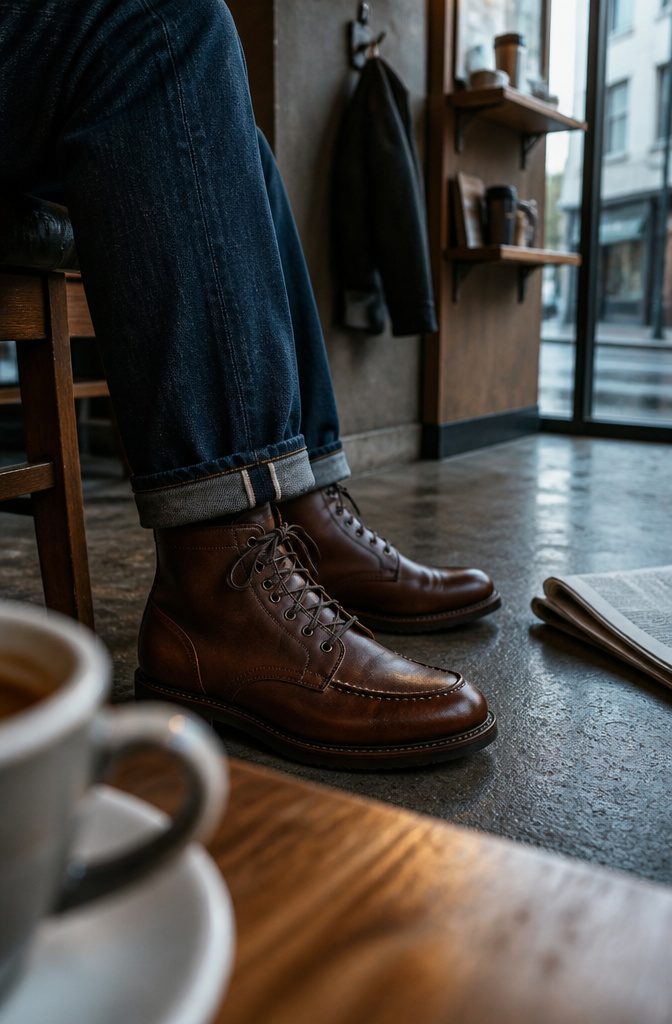
Alden, founded in 1884, stands as the last surviving New England shoemaker from a region that once employed nearly 40,000 cobblers.
The Indy boot refines the moc toe into something you can wear on a coffee run or to dinner without changing your whole outfit around it.
The construction bridges workwear styling with dress-shoe finish.
The moc toe stitching at the vamp gives the Indy its character, but if that detail feels too casual for your wardrobe, Alden makes a plain-toe version that keeps the same profile without the visible stitch.
Both versions move between chinos and denim without looking like you dressed for the wrong occasion.
Alden also offers a chukka cut on similar lasts if you want the quality without the height.
The Indy earned its name from a fictional archaeologist who wore them on screen, though the boot itself needs no backstory to justify the price.
12. Grant Stone Diesel
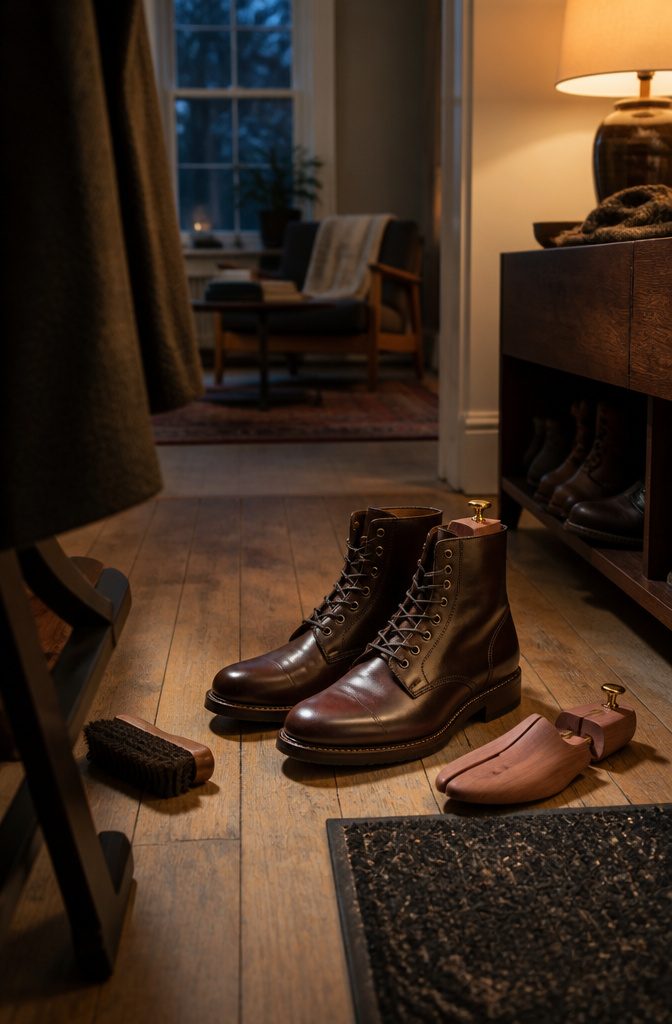
Grant Stone bridges the gap between workwear and precision manufacturing in a way few brands manage at $380.
The Diesel runs on a 360-degree Goodyear split welt (the kind of construction that lets you resole the boot five times over) with full cork filling and a steel shank underneath.
The insole is 3mm vegetable-tanned steer hide, thick enough that it won’t collapse under years of weight.
I’d take the Diesel in Horween Chromexcel if the choice were mine.
The leather breaks in fast, holds a shine without much fuss, and the boot skips the long stiff phase that makes most Goodyear-welted pairs miserable for the first month.
It’s a plain-toe service boot, so you’ll want cedar shoe trees to keep the vamp from creasing into a fold.
The quality outpaces Allen Edmonds at 30% less, and reviewers consistently say the stitching density and finishing work show no shortcuts. If you’re moving past entry-level boots, this is where the money lands well.
13. Nicks Americana
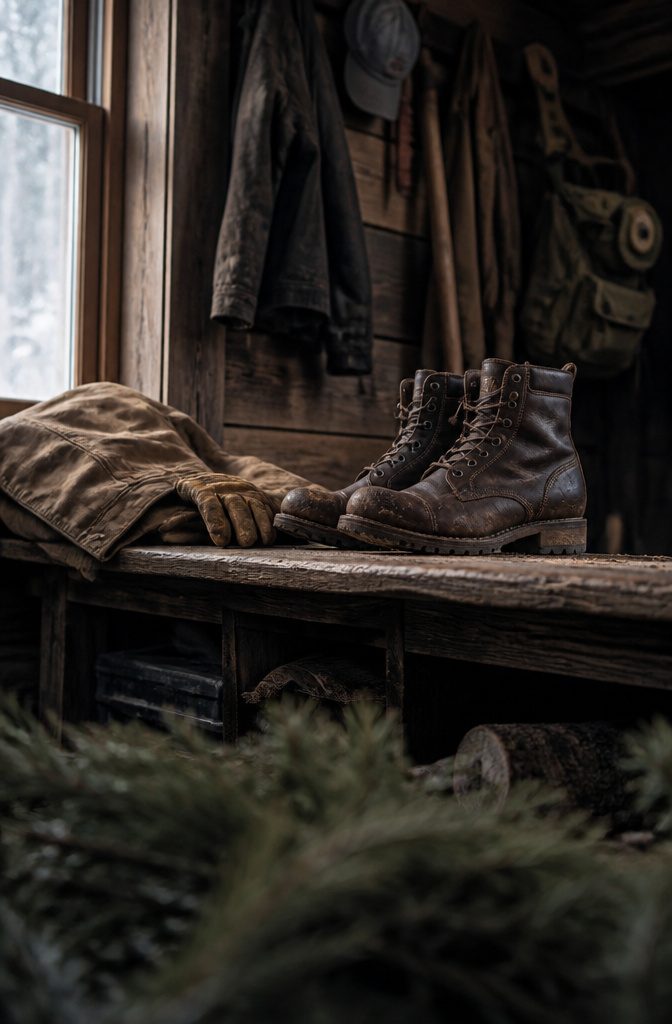
Nicks Americana runs $649 and uses construction methods meant for wildland firefighters, which tells you everything about how long it will last.
The upper leather measures at least 3mm thick, heavier than what most casual boots use, and the toe cap and heel stack even more leather on top of that base.
A one-inch toplift sits under the heel, and the whole boot is built to take chainsawing, trekking through brush, and literal fire exposure without failing.
They hurt straight out of the box. Breaking them in takes commitment, but once the leather finally bends to your foot, you end up with a boot that barely shows wear after months of daily use.
If you need something for serious physical work or just want a boot you will not replace for years, the Americana delivers that durability without looking purely utilitarian.
14. Made-in-USA Boots
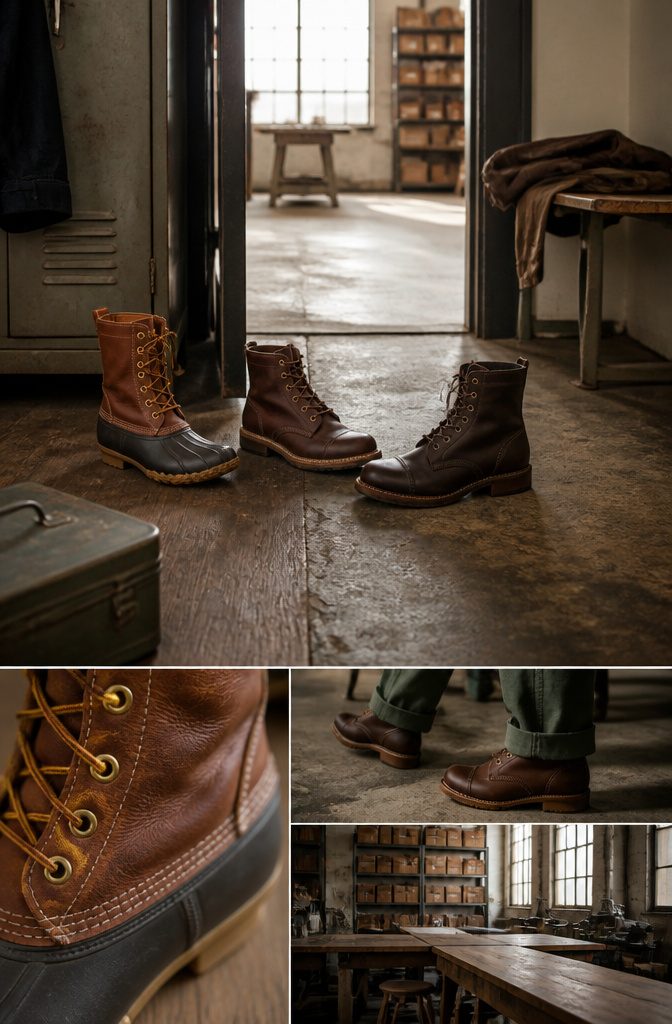
L.L. Bean has built every Bean Boot in Maine since 1912, offered now in 6-, 8-, and 10-inch heights.
Thorogood boots come from Weinbrenner’s Wisconsin factories, where the company has worked since 1892; their line runs from wellingtons to postal shoes, and a large portion is still made domestically by workers in Merrill and Marshfield.
Chippewa, founded in 1901, labels boots clearly: some carry "Made in the USA with global parts" when components come from elsewhere, a transparency worth noting when comparing claims.
Georgia Boot started in Atlanta in 1937 with the goal of dependable, low-priced work footwear and remains an industry name.
Domestic production alone does not decide durability or fit, but it does mean shorter supply chains and traceable labor standards, which matter to some buyers more than the boots’ country of origin matters to others.
15. Specialist Boot Brands
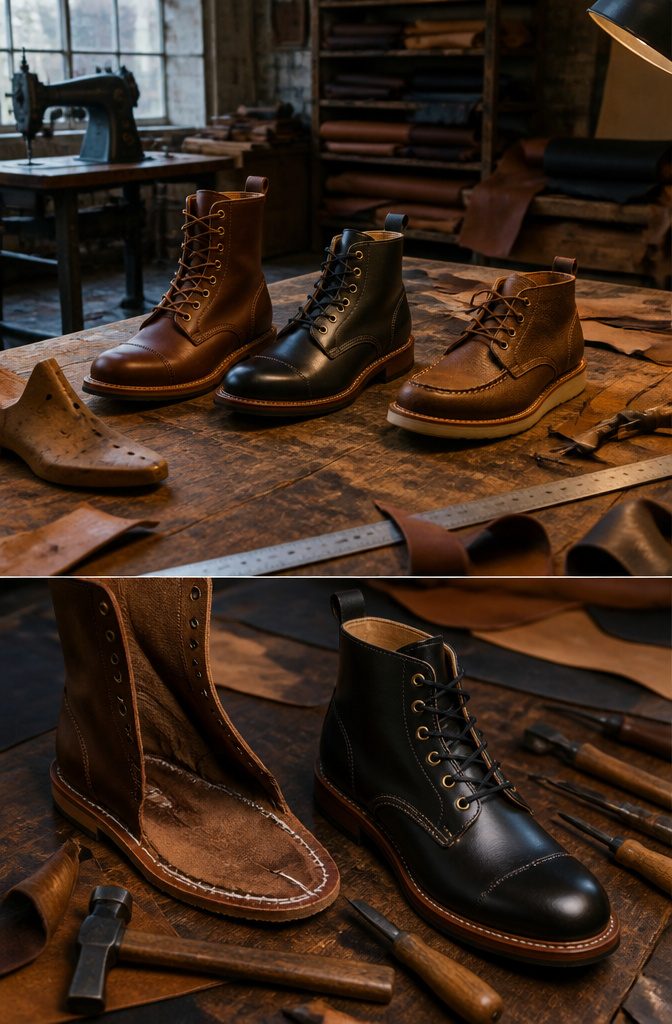
Brandle, the small-batch arm of Nick’s Handmade Boots, holds production to 20 pairs a month so each boot gets the maker’s full attention rather than assembly-line treatment.
The 1925 model starts at $1,200, which places it in serious-money territory but reflects six decades of technique behind every cut and stitch.
Kreosote operates at an even smaller scale: one maker, JD Gabbard, hand-welts and hand-lasts boots that pull from 1940s construction methods, spending 40 to 50 hours per pair and capping annual output at 50.
The Nail Shank and 1940 MS-3 MCB are the models to watch if you want something nobody else at the coffee shop will own.
Caswell produces in Spain and prices the Stanton in washed kangaroo at $379.99, a middle ground if Alden’s aesthetic appeals but you want a different maker’s take.
Milwaukee Boot Company prices men’s boots between $225 and $265, extends a 15 percent discount to service members and first responders, and backs everything with SA8000 certification and a lifetime quality guarantee.
Frequently Asked Questions
What makes a boot high quality?
High quality boots use full-grain leather at least 3mm thick, Goodyear welt or stitchdown construction that allows resoling, and cork or leather midsoles that mold to your foot over time.
Brands like White’s, Nicks, and Viberg build boots this way, which is why they last 10+ years with proper care while cheaper cemented boots need replacing after 2 seasons.
Are Red Wing boots worth the money?
Red Wing’s Classic Moc starts at $299.99 and delivers full-grain Oro Legacy leather that ages well, a cork midsole that custom-fits to your foot, and construction a cobbler can resole multiple times.
The upfront cost is higher than fashion boots, but the per-year price drops when the same pair lasts a decade instead of 2 years.
What is the difference between a service boot and a work boot?
Service boots like Thursday’s Captain or Viberg’s Service Boot have a plain toe or cap toe with a dressier profile that works with jeans or chinos, while traditional work boots like Thorogood’s moc toe use thicker leather, wider lasts, and wedge soles built for standing on concrete all day.
Service boots bridge the gap between workwear durability and everyday style.
How long do quality boots last?
Boots with Goodyear welt construction from makers like Alden, Grant Stone, or Nicks can last 20+ years if you resole them every 3–5 years and rotate them with other pairs so the leather dries between wears.
Cemented boots from fast-fashion brands typically fail after 1–2 years because the glued sole cannot be replaced.
What are the best boots made in the USA?
White’s (since 1853), Nicks Americana ($649), Thorogood (91 models still made in Wisconsin), and L.L. Bean (every Bean Boot made in Maine since 1912) lead domestic production for quality work and heritage boots.
Alden remains the last surviving New England shoemaker from a region that once employed 40,000 cobblers, and their Indy boot is built entirely in Massachusetts.
Are Chelsea boots good quality?
Chelsea boots from Beckett Simonon ($220–$260) or Borden ($349) offer the same construction quality as lace-up boots but with elastic side panels that let you pull them on faster.
The slimmer profile works with tailored trousers or jeans, though you sacrifice some ankle support compared to a laced boot.
What is Goodyear welt construction?
Goodyear welt construction stitches the upper leather to a welt strip, which is then stitched to the sole, allowing a cobbler to replace the sole without damaging the upper.
Boots like Thursday’s Captain ($199) and Grant Stone’s Diesel ($380) use this method, which costs more upfront but lets you resole the boot 5+ times over its life instead of throwing it away when the sole wears through.
How much should I spend on quality boots?
Entry-level quality boots with resoleable construction start around $200 (Thursday Captain, Red Wing Classic Moc at $299.99), mid-tier heritage boots run $380–$650 (Grant Stone Diesel, Nicks Americana), and specialist makers charge $860–$2,000+ (Viberg, Clinch, Kreosote).
Spending less usually means cemented soles you cannot repair; spending more gets you thicker leather, hand-welted construction, and makers who limit output to 20–50 pairs monthly.
What is the most durable boot?
Nicks Americana uses construction methods designed for wildland firefighters, with leather measuring at least 3mm thick and a build meant to survive chainsaw work and fire exposure.
White’s and Wesco engineer boots also qualify, built from 3mm+ leather on double leather soles that hold up to decades of heavy use if you maintain them.