1. Best Overall Hiking Shoes for Varied Trails
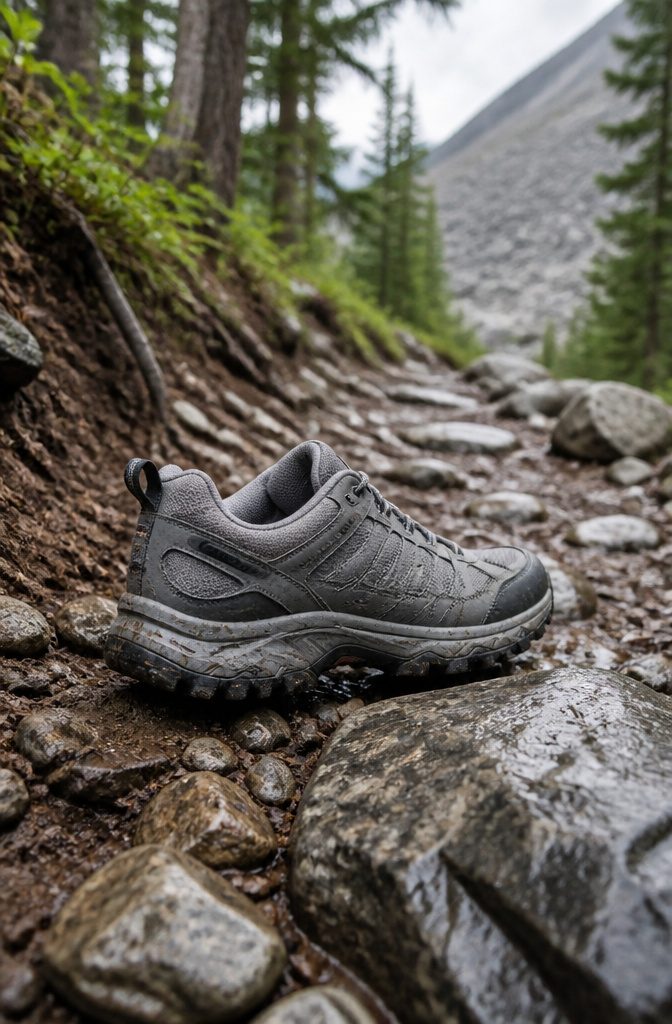
The Salomon X Ultra 5 Low at $155 and 1 lb. 6 oz. per pair holds up across the widest range of trail conditions without forcing you to pick between traction and weight.
The 11 mm drop keeps your stride natural on mixed terrain, and the outsole grips equally well on wet rock, mud, gravel and off-camber sections where lighter shoes slide.
I found no durability concerns after testing through creek crossings and steep descents, which matters when a shoe has to handle singletrack one day and scree the next.
The stability platform underneath prevents roll on uneven ground without the bulk of a full hiking boot, so you move quickly without second-guessing your footing.
For someone hiking variable trails rather than specializing in one surface or distance, this balances the priorities better than anything lighter or more protective.
Recommended Products

Women's lightweight hiking shoes made in part with a blend of recycled and renewable materials

The aggressive lug pattern delivers grip on both pavement and dirt with the AT Tread outsole system.
2. Stability and Cushioning on Uneven Ground
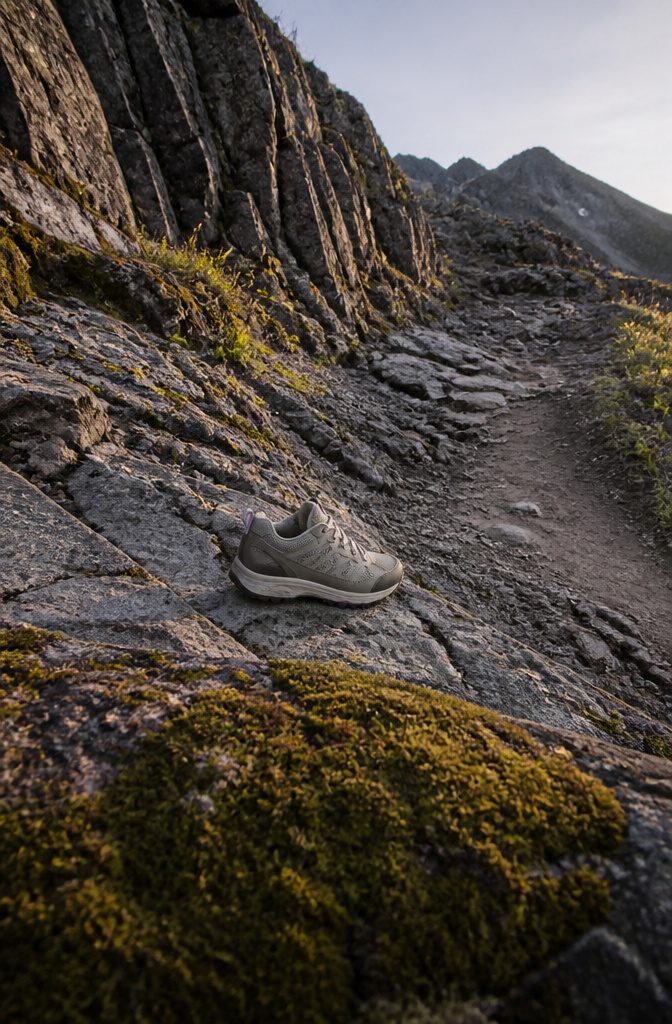
The HOKA Speedgoat 7 sits at $165 with a broad, cushioned platform built for uneven ground. The 5 mm drop and wide base deliver stability on off-camber sections without the clunky feel you sometimes get from tall-stack shoes.
I found the Vibram Megagrip outsole held confidently on rock, mud, and dirt, and at just over 1 pound per pair, it stays light enough for all-day wear.
As soon as we slipped the Hoka Speedgoat 7 on our feet, we felt the immediate comfort of the soft and flexible upper and moderate cushion underfoot.
That cushion absorbs impact on technical trail without adjusting your stride. The fit runs narrow and long, so size up if you are between.
The tapered toe box favors narrower feet, though HOKA sells a wide option. The tradeoff for that comfort is durability: the soft foam and minimal rand overlays wear faster on rugged terrain than a leather hiker would.
Recommended Products

THIS WOMEN'S SHOE IS FOR: Trail runners and outdoor adventurers seeking a versatile off-road shoe with the trusted comfort of the Ghost series—engineered for dry, rocky, and technical terrain with all-terrain grip and durability to explore confidently in any backyard or backcountry setting.

Kinetic Fit Advanced footbed contours to your foot for a more comfortable stride.

3. Long-Distance Hiking Comfort and Protection
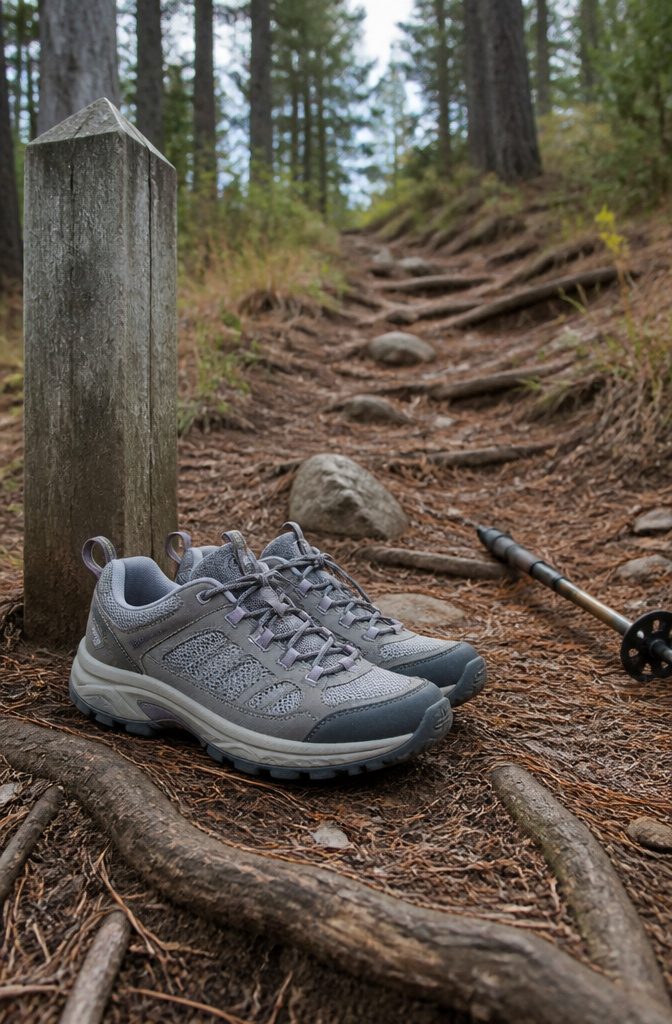
The Altra Olympus 6 is built for the miles that count, with a roomy toe box that lets your feet swell without punishing you on day three of a trip.
The zero-drop platform and 1 pound 5.9 ounces per pair make it lighter than a traditional boot, but that weight still exceeds a trail runner because the midsole is stacked high enough to protect your feet from root strikes and rock bruising over consecutive days.
The tradeoff sits in structure: a shoe this cushioned gives up some of the rigid support you’d get from a stiffer hiker, so ankle stability on technical ground comes from your own conditioning rather than the footwear.
For long stretches on established trail where comfort matters more than scrambling grip, that exchange pays off. Size up to account for thick socks, especially if you’re crossing water or hiking in wet conditions where your feet will expand further.
Recommended Products

TOTAL WATERPROOF PROTECTION: These hiking boots feature a sealed waterproof membrane that locks out rain, slush, and mud. Your feet stay dry and comfortable during all-day outdoor adventures, from forest trekking to wet camping mornings

TOTAL WATERPROOF PROTECTION: These hiking boots feature a sealed waterproof membrane that locks out rain, slush, and mud. Your feet stay dry and comfortable during all-day outdoor adventures, from forest trekking to wet camping mornings

TOTAL WATERPROOF PROTECTION: These hiking boots feature a sealed waterproof membrane that locks out rain, slush, and mud. Your feet stay dry and comfortable during all-day outdoor adventures, from forest trekking to wet camping mornings
4. Lightweight Shoes for Fast Hiking
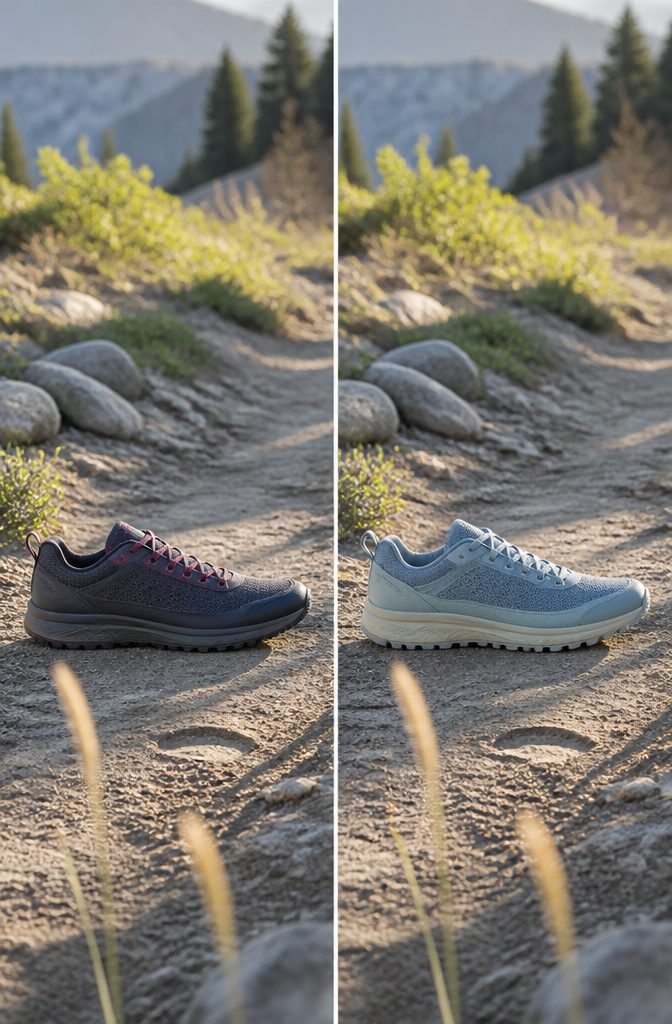
The Saucony Peregrine 16 weighs 1 lb. 0.8 oz. and runs $150 with a 4 mm drop, responsive enough for tempo but lighter on underfoot armor than burlier picks.
It works when you want pace over maximum protection on established trail. The Topo Athletic Ultraventure 4 sits at $155, 5 mm drop and **1 lb.
0.4 oz.**, shaving a few tenths off and keeping a similar low-profile build. Both give you a faster ride than the heavy hikers, though neither offers the cushioning or shank of a shoe meant for pack weight or technical rock.
If the trail is smooth enough that ankle support matters less than moving quickly, either one fits. The Topo edges lighter, the Saucony slightly lower to the ground.
Recommended Products

THIS WOMEN’S SHOE IS FOR : Trail enthusiasts seeking confidence on any terrain, the Cascadia 19 features a grippy TrailTack Green outsole, responsive DNA LOFT v3 cushioning, and the upgraded Trail Adapt System for enhanced stability and adaptability over mountain trails and rugged landscapes. The Cascadia 19 is a certified carbon neutral product. Predecessor: Cascadia 18.

The aggressive lug pattern delivers grip on both pavement and dirt with the AT Tread outsole system.

FRESH FOAM CUSHIONING - Precision-engineered Fresh Foam midsole delivers ultra-cushioned, lightweight comfort for confident strides on rugged trails and paved paths alike
5. Everyday Hiking Shoes for Moderate Trails
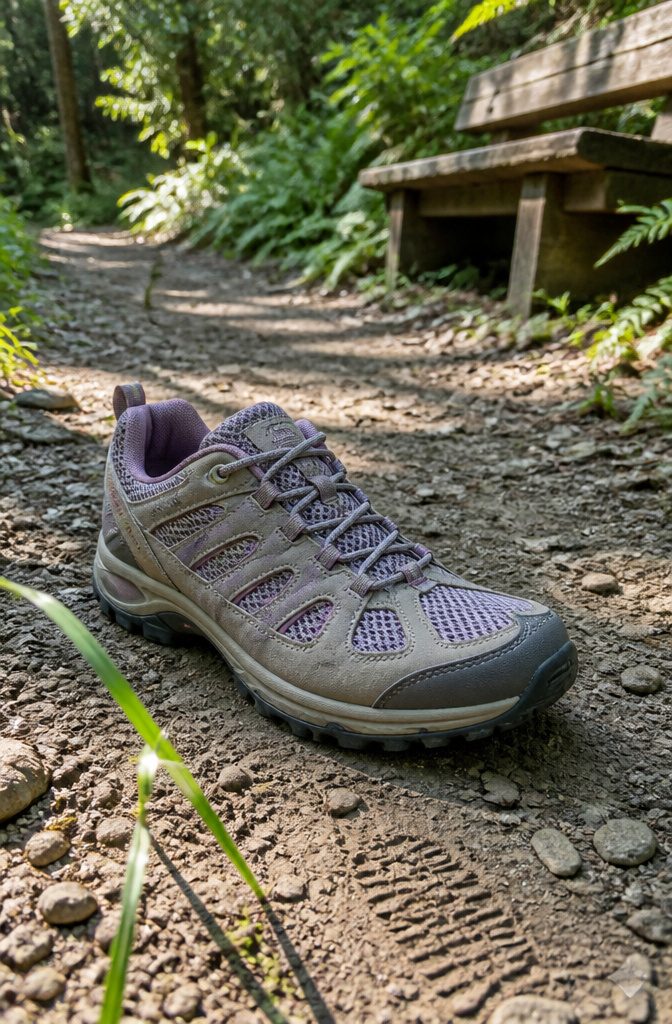
Maintained trails call for a shoe built around roomy space at the toes rather than technical ankle support.
On moderate terrain without constant rocks or roots, a low-cut shoe keeps weight down and lets you move faster than a mid-height boot would.
The fit should still lock the midfoot in place for stability when the path shifts underfoot, but the front of the shoe needs enough room that your toes are not pressed forward on downhills or squeezed once your feet swell an hour in.
Lightweight construction matters here because the trail is not punishing enough to demand heavy armor.
A breathable upper that dries quickly works better than waterproofing you will not need on dry-weather hikes, and traction designed for packed dirt and gravel does the job without the aggressive lugs required for loose scree.
Several models in this category require no break-in period, which means you can wear them on a weekend trip the same week they arrive.
Recommended Products

【Lightweight Hiking Shoes 】OUTJET womens hiking shoes are only 10.7 oz each. They are very light and can fully release the burden on your feet. You will feel very comfortable wearing our shoes.

Excellent Comfort: Nortiv 8 women's waterproof hiking boots use our lightweight, durable midsole, and advanced traction rubber soles, which can be slip-resistant on rugged ground. If you prefer a looser fit, consider choosing the wide toe box version.

Waterproof membrane seals out water and lets moisture escape
6. Trail-to-Town Shoes That Work Everywhere
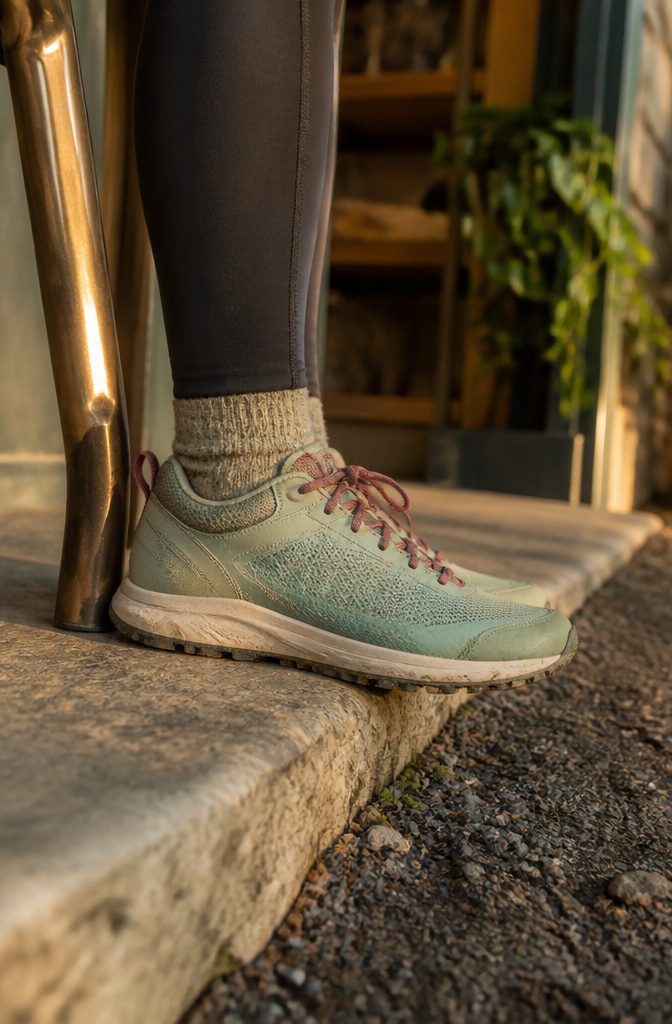
The Altra Lone Peak 9 runs $145 and weighs 1 pound 2.6 ounces per pair, with a zero-drop platform and a low profile that passes for a regular sneaker.
The shape skips the bulky midsole and aggressive lugs that mark most trail shoes, so it works at the grocery store or the coffee shop without looking like you just stepped off a trail.
One Reddit thread asked for exactly this: hiking shoes under $100 that don’t scream "hiking" for someone who can only afford one decent pair at a time.
The Lone Peak sits above that budget, but it answers the question: trail grip and foot protection in a silhouette that moves through town without standing out.
Recommended Products

Lightweight Design: Weighing only 9.7 oz, these women’s hiking shoes are comfortable for light hikes, casual outings, and city walks. These lightweight hiking shoes are a practical choice for travelers and those with active lifestyles.
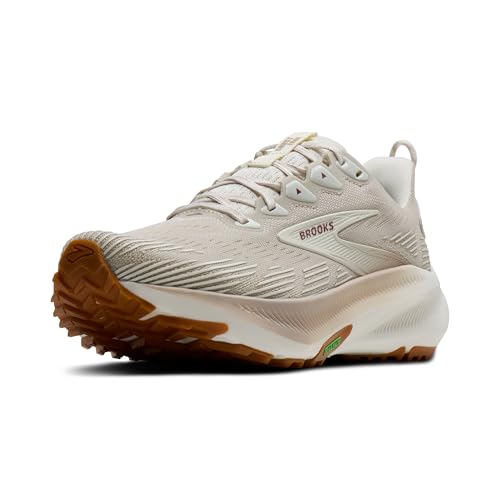
THIS WOMEN'S SHOE IS FOR: Trail runners and outdoor adventurers seeking a versatile off-road shoe with the trusted comfort of the Ghost series—engineered for dry, rocky, and technical terrain with all-terrain grip and durability to explore confidently in any backyard or backcountry setting.

CONSCIOUSLY CREATED: KEEN sources hides from Leather Working Group certified tanneries
7. Budget Hiking Shoes Under $150
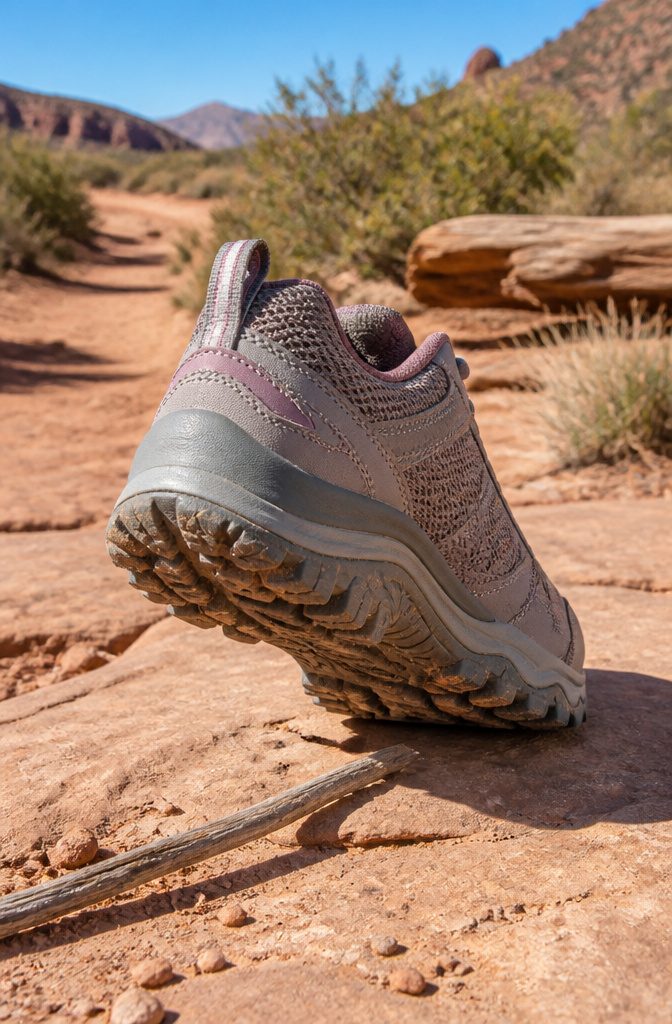
The Merrell Moab 3 sits at $145 and weighs 1.70 pounds in a women’s size 8.5, making it the value pick when you need real support without spending $180.
The Super Rebound Compound midsole works especially well for high arches, and the Vibram TC5+ outsole grips better than earlier versions thanks to a multi-directional lug pattern.
The 11.5 mm drop puts your heel noticeably higher than your forefoot, which some people find more comfortable on long descents.
The weight is the tradeoff. At nearly two pounds for the pair, the Moab feels heavier than lightweight trail runners but still lighter than most mid-height boots.
The mesh upper breathes well on hot desert trails or low-elevation summer hikes, though the same mesh could snag on technical terrain.
Lacing attachments are mesh and webbing rather than metal, which keeps the price down but may not hold up as long under heavy use.
Recommended Products
THIS WOMEN'S SHOE IS FOR: Trail runners and outdoor adventurers seeking a versatile off-road shoe with the trusted comfort of the Ghost series—engineered for dry, rocky, and technical terrain with all-terrain grip and durability to explore confidently in any backyard or backcountry setting.

Durable mesh upper for trail-ready protection
8. Lighter Alternatives to Traditional Hiking Shoes
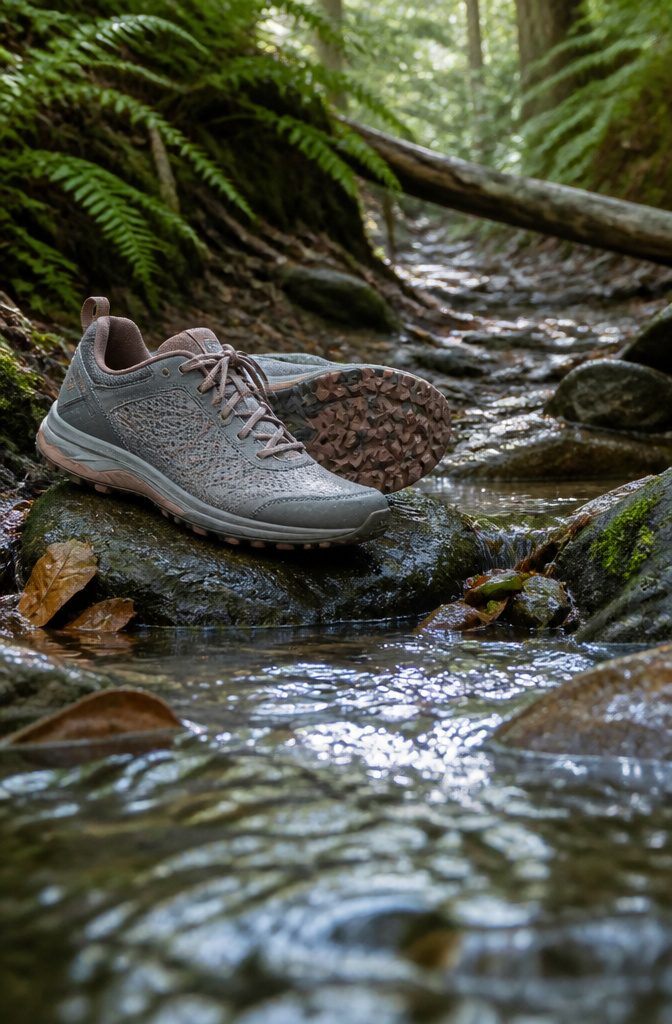
Trail runners weigh less and flex more than traditional hiking shoes, which makes a noticeable difference on longer days.
They are built from thinner, more breathable material, so they dry faster on multi-day trips where stream crossings and rain are likely.
The Saucony Peregrine 16 sits at $150, and the Merrell Moab Speed 2 comes in at $145 for a lighter, more athletic build than the standard Moab.
You give up durability. Thinner material wears through faster on rough terrain, and the flexibility that makes them comfortable over distance means less ankle support on steep or uneven ground.
Choose trail runners when speed and weight matter more than longevity, or when you are covering high mileage and want your feet to move naturally rather than locked into a stiffer sole.
Recommended Products

Long Distance Running Shoes - Engineered for distance, the Arc'teryx Norvan LD 4 delivers lightweight durability, breathability and all-day comfort. Plus, the tongue pocket keeps laces tidy and snag-free.

Lightweight Design: Weighing only 9.7 oz, these women’s hiking shoes are comfortable for light hikes, casual outings, and city walks. These lightweight hiking shoes are a practical choice for travelers and those with active lifestyles.
9. Maximum Cushioning and Underfoot Protection
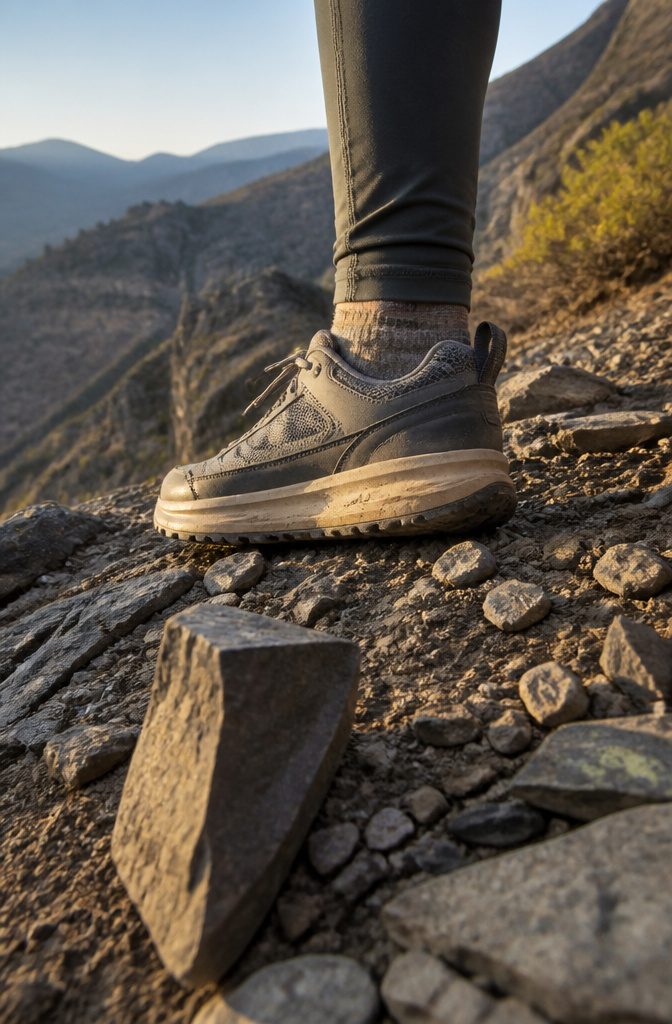
The Altra Olympus 6 runs $185 and weighs 1 lb. 5.9 oz., which puts it on the heavier end for a hiking shoe but delivers 33 mm of cushioning underfoot in return.
That stack height absorbs impact on rocky descents and multi-day treks where your feet take sustained pounding, and the zero-drop platform keeps your stride natural even when the cushioning piles up.
The weight shows up most on steep climbs and technical scrambles where you lift each foot hundreds of times per mile, so this is a shoe that makes sense when comfort over distance matters more than speed.
If you cover rough ground for hours at a stretch, the extra ounces are worth carrying.
Recommended Products
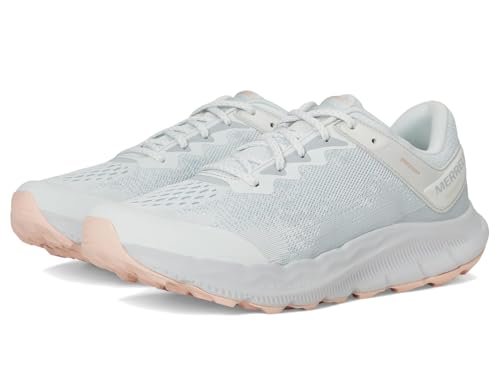

【BREATHABLE & ULTRA-DURABLE UPPER】Constructed from a high-strength, breathable mesh and reinforced with abrasion-resistant overlays, the upper ensures optimal ventilation and lasting durability.

HIGH-CUSHION COMFORT – The Topo Athletic Ultraventure 5 trail running shoes feature a high-cushion 35 x 30 mm platform that delivers exceptional comfort and protection for long trail runs, hiking, road-to-trail adventures, and everyday outdoor exploration on mild to moderate terrain
10. Waterproof Shoes for Wet Conditions
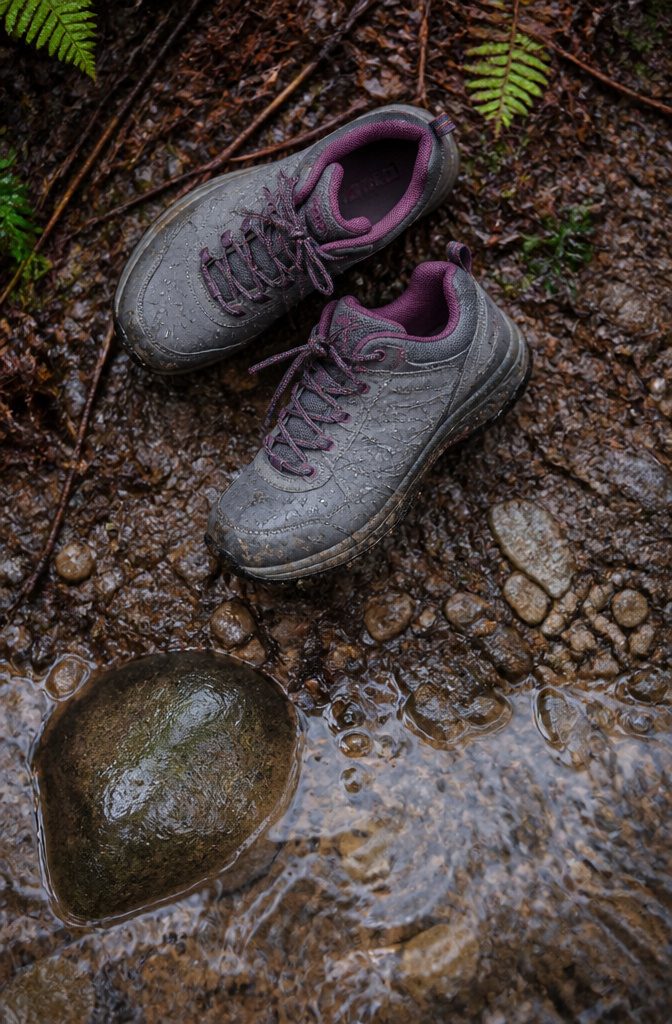
The La Sportiva Spire GTX costs $219 and weighs 1 lb. 10.2 oz., making it one of the heavier and pricier options built for wet trail conditions.
The GORE-TEX Surround membrane keeps water out to a 3.75-inch flood level, and the construction breathes better than most waterproof shoes, though you may still feel warmth building inside during summer hikes at lower elevations.
Waterproof membranes trap heat alongside moisture, so your feet can end up damp from sweat even when the outside stays dry.
The Spire handles stream crossings and accidental submersions without issue, but that protection adds weight and stiffness you would not need on a dry, well-maintained trail.
The fit runs narrow through the forefoot and about a half size small, with a longer break-in period than lighter shoes. If your route stays dry most of the time, a non-waterproof shoe breathes better and cuts the weight.
Recommended Products

Waterproof membrane seals out water and lets moisture escape
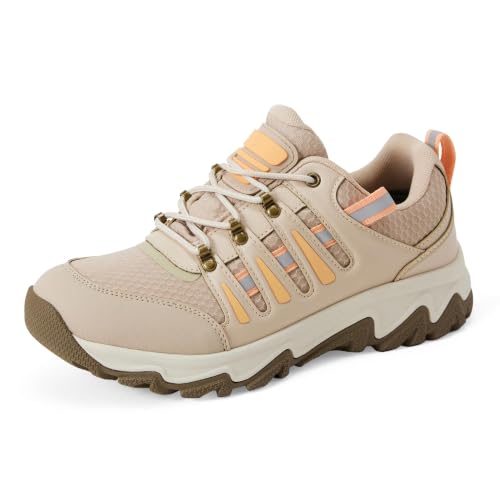
COMFORT AND FIT: These waterproof hiking shoes feature a padded collar for no-rub comfort, flex notches that cradle the ankle and allow natural foot movement, a rubber outsole for excellent traction, and a EVA midsole for compression and rebound that keeps you comfortable and supported on the trail all day long.

COMFORT AND FIT: These waterproof hiking shoes feature a padded collar for no-rub comfort, flex notches that cradle the ankle and allow natural foot movement, a rubber outsole for excellent traction, and a EVA midsole for compression and rebound that keeps you comfortable and supported on the trail all day long.
11. Technical Terrain Shoes with Aggressive Grip
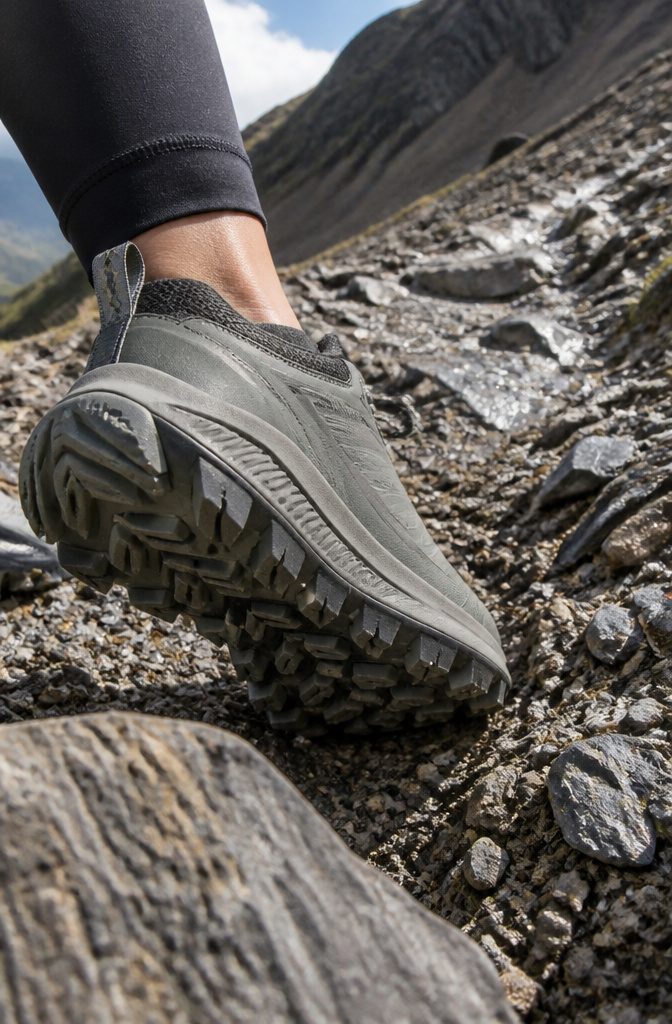
Technical terrain calls for a shoe that locks your foot in place and grips when the trail turns into loose scree or wet rock.
The Salomon X Ultra 5 Gore-Tex scores here: the Contagrip sole uses a chevron lug pattern that catches on unstable surfaces, and the welded synthetic upper holds the forefoot and heel tight enough for scrambling.
The toe box is roomier than older X Ultra versions, but the fit still runs narrow and suits higher arches better than flat feet.
Support matters as much as traction. Vibram Megagrip soles grip confidently on rock, dirt and mud, especially descending, and midsoles built for stability keep you upright on uneven ground without going so soft you lose trail feel.
Gore-Tex liners seal out water during crossings and rain, which prevents blisters on long days.
The structure is more rigid than a running shoe, adding support at the cost of a bit more weight, but flexible enough that your foot doesn’t fight the shoe over technical miles.
How Fit Affects Performance on Trail
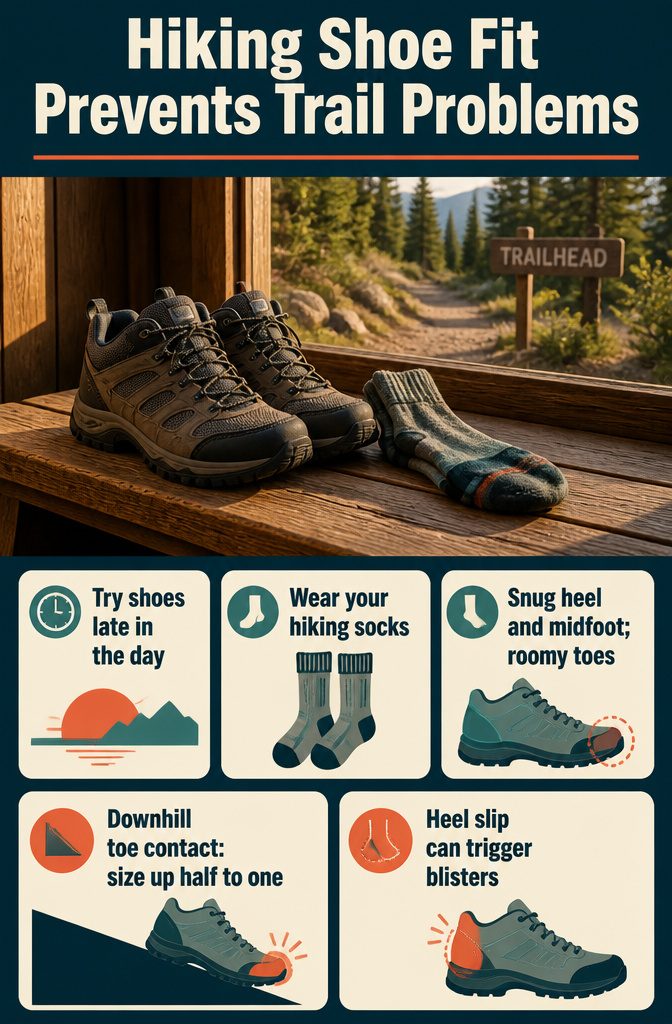
Feet swell during a hike, sometimes enough to make a boot that felt right in the shop squeeze by midafternoon.
Try shoes on late in the day when your feet are closer to their hiking size, and wear the socks you plan to hike in; a thicker or thinner pair throws the fit off.
The boot should feel snug through the heel and midfoot and roomy at the toes.
On a downhill test, your toes should not hit the front of the boot. If they do, size up half to a full size.
A secure midfoot stops your foot from sliding forward on descents and keeps your heel from lifting on climbs, which prevents blisters. Wiggle room at the toes lets them spread as your feet swell and saves toenails on long downhills.
If the heel slips even after lacing firmly, the boot is too big or too low in volume for your foot; narrow heels may need more cushioning or heel-lock lacing to stay put.
A tapered toe box works for narrow feet but feels sloppy if your forefoot is wider, and high-volume shoes can let your foot shift side to side on steep or off-camber ground.
Traction for Rock, Dirt and Mud
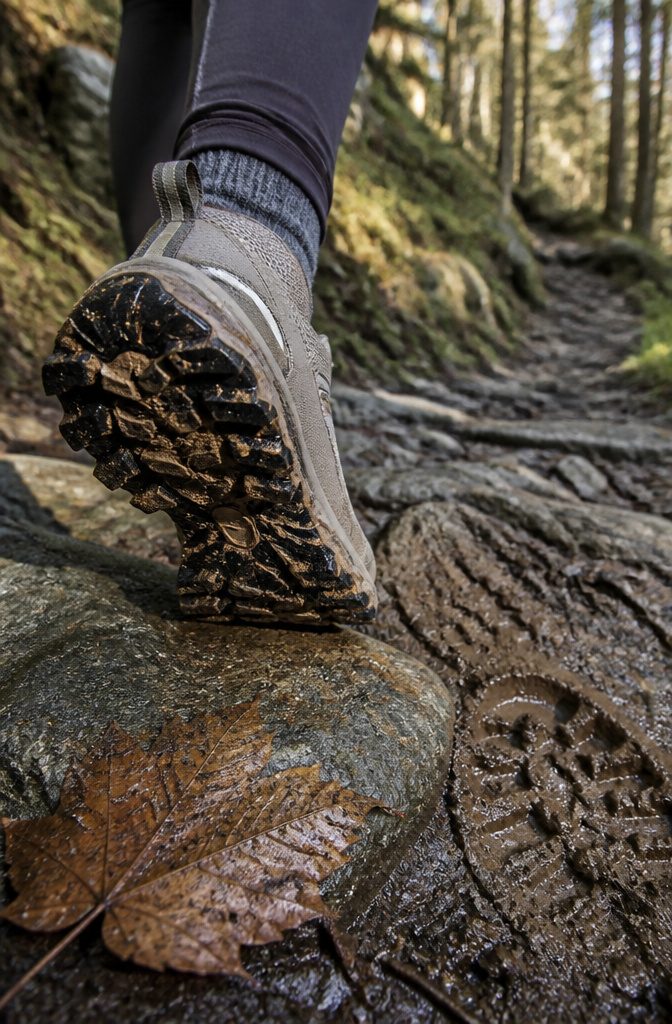
Grip matters most when the trail turns slick or steep.
Vibram Megagrip outsole rubber holds confidently on rock, mud, dirt, and uneven ground, and the Speedgoat 7 pairs it with 5 mm lugs that bite into soft surfaces without feeling clunky on hardpack.
The Lone Peak 9 uses MaxTrac rubber, which handles dirt, gravel, and mud well but loses purchase on wet rock.
If most of your hiking happens on dry trails with occasional stream crossings, MaxTrac is fine. For mixed conditions where wet stone is common, Megagrip wins.
Lug depth and rubber compound work together.
Deeper lugs shed mud faster and grab loose dirt, while softer rubber compounds conform to rock texture. The Cloudrock Low uses Missiongrip rubber, which testers found grippier than some approach shoes on slippery, high-traffic trails.
Budget options often skip Vibram entirely; the Newton Ridge Plus uses Omni-Grip rubber, adequate for dirt and moderate rock but noticeably less aggressive.
Waterproofing Versus Breathability
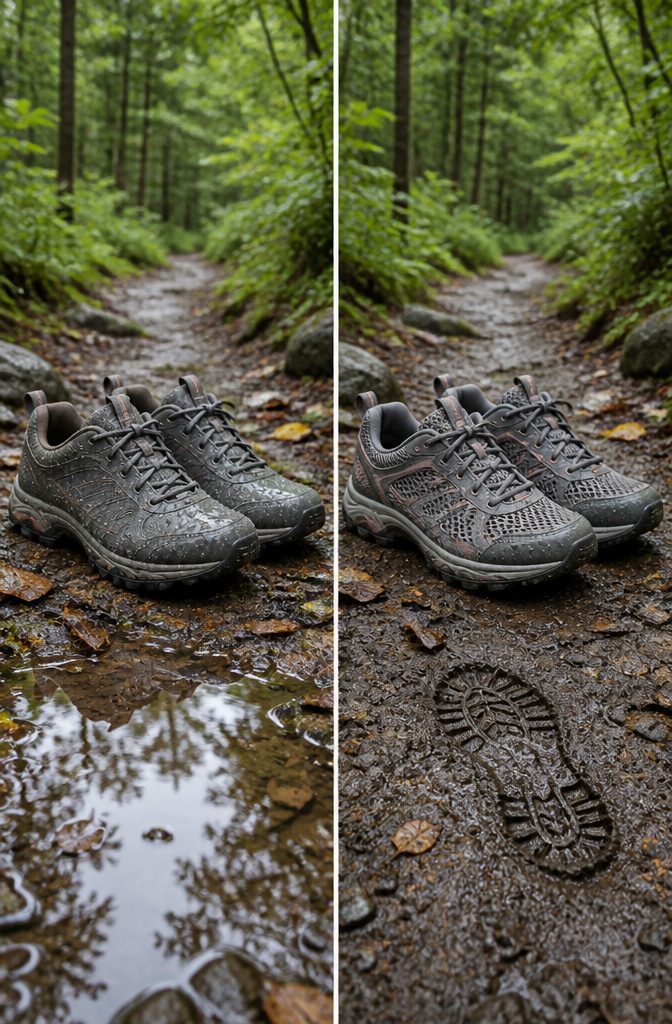
Waterproof membranes keep rain and stream crossings from soaking your feet, but they also hold in the heat your body generates.
In summer or on any hike where you work up a sweat, waterproof shoes can trap moisture inside and leave your feet clammy.
Non-waterproof shoes breathe better and dry faster if they do get wet, which matters more on multi-day trips where you cannot swap into a second pair.
I stick with waterproof construction in winter, during shoulder seasons, or when cold rain is likely.
When temperatures climb or I am backpacking, I go non-waterproof and accept that my feet might get wet, because they will dry by the next morning instead of staying damp inside a sealed shoe.
The choice turns on whether keeping water out matters more than letting heat escape.
Weight and Durability Tradeoffs
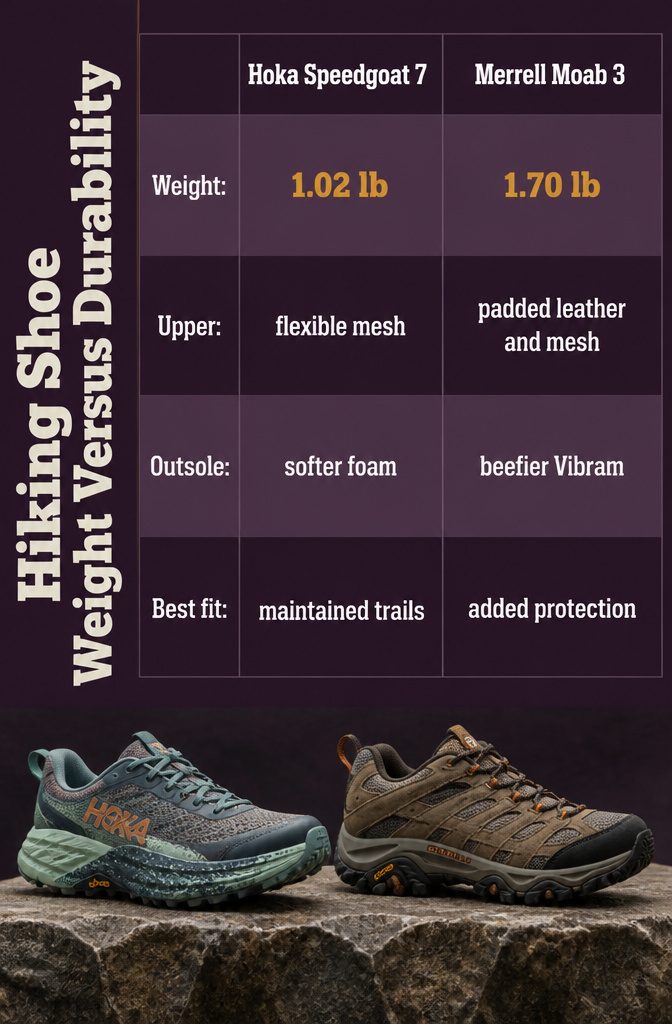
Lightweight shoes give you speed and all-day comfort at the cost of longevity.
The Hoka Speedgoat 7 weighs 1.02 pounds per pair and trades the durability of leather uppers for a soft, flexible mesh construction with minimal rand overlays (fine for maintained trails, vulnerable on technical terrain where the softer foam midsole and thin toe cap take more abuse).
The Merrell Moab 3, at 1.70 pounds, builds in more protection with a padded leather and mesh upper and a beefier Vibram outsole, though the mesh lacing attachments and upper panels still raise questions about snagging on rock.
Trail runners sit at the lightest end and dry fast when wet, but their synthetic materials won’t outlast a structured hiking shoe.
If you want boot-like support in a low-cut package, expect to carry the weight: the La Sportiva Spire GTX hits 1 pound 10.2 ounces and needs a longer break-in, but the firm build holds up on rugged trails where flexible designs wear through.