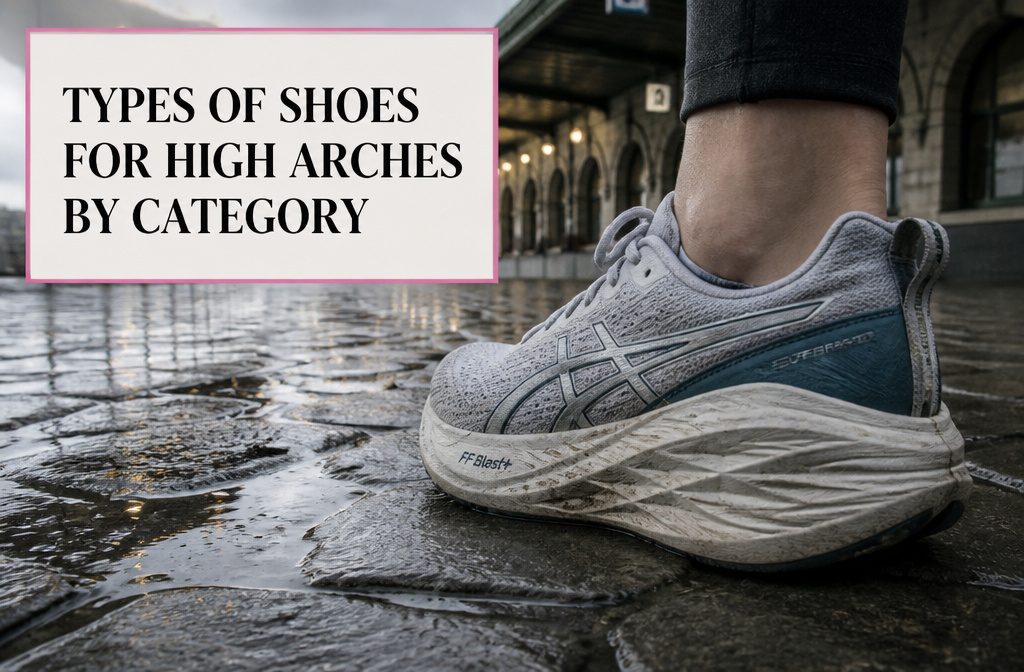
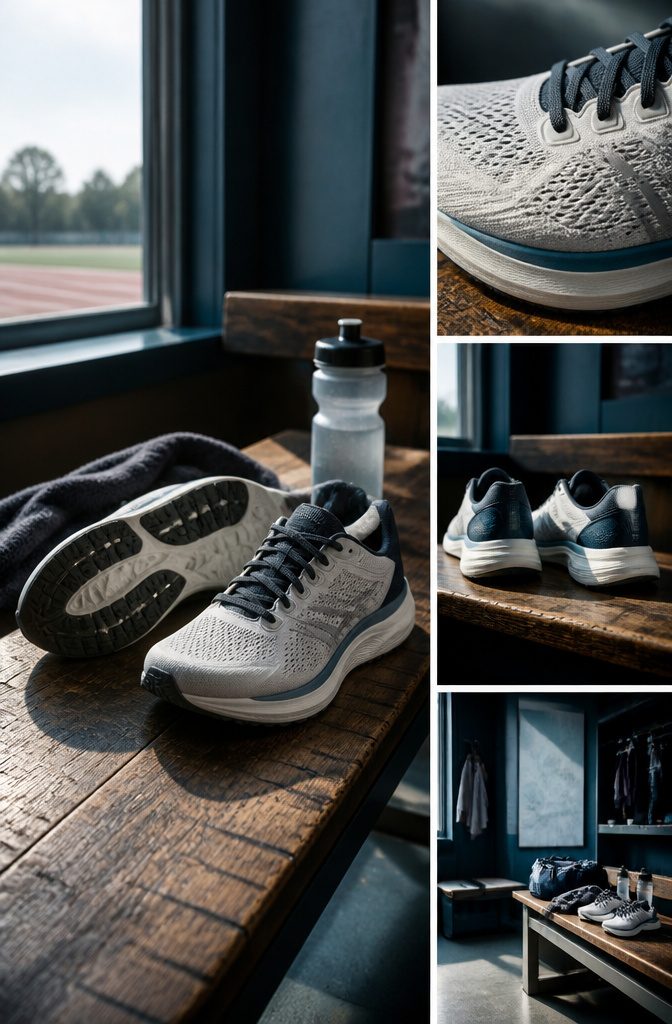
The ASICS Superblast 3 wins for high arches that need recovery-level cushion without the weight penalty: 46mm of soft, compliant foam in the heel compresses easily under a rigid arch, and at 8.4 ounces it stays light enough for everyday miles or marathon distance.
If your arches flatten under load rather than staying rigid, firm midfoot support will feel better than soft foam, and around 43 percent of Fleet Feet’s 5 million scans show high arches that behave that way.
1. Running and Daily Training Shoes
The Puma MagMax Nitro sits at $180 with an 8mm drop and handles long runs without the dead-leg feeling that comes from slapping pavement mile after mile.
It bounces enough on toe-off to keep the stride moving forward rather than grinding to a stop, and it works well the day after a hard session when your legs need cushion more than speed.
The ASICS Superblast 2 costs $200 at the same 8mm drop, while the Hoka Mach 6 drops to $140 but uses a lower 5mm drop that some runners prefer for a more grounded feel.
The Puma Velocity Nitro 4 is a $140 option that runs versatile: easy miles, recovery days, some speedwork, even long runs if you keep the midsole stack modest.
The NITROFOAM midsole stays responsive without going soft, and the PUMAGRIP outsole holds up over time. It fits true to size in length but runs narrow in the toebox, so it will not work if you need width.
The 10mm drop keeps the heel higher than most of the pack, which some runners find easier on the Achilles during high-volume weeks.
2. Walking and All-Day Shoes
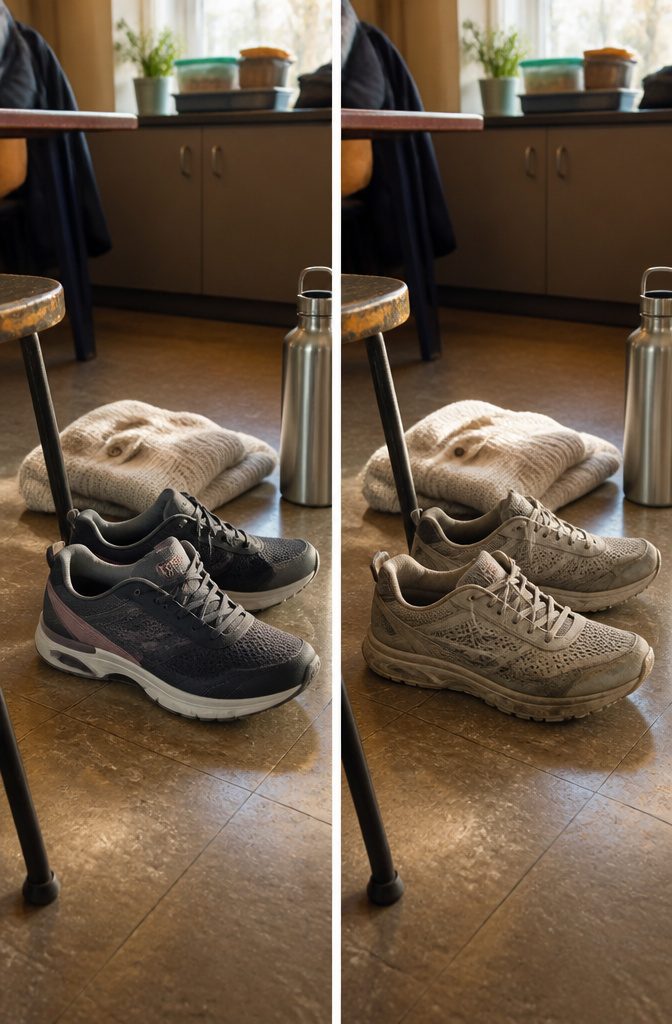
The Brooks Addiction Walker 2 is built for standing and pacing, not running: 12.9 ounces in a women’s size 9, heavier than most trainers here, with a structured upper that holds the foot in place through a shift.
At $140, it runs in sizes 5 through 12 and uses a 12mm drop.
The Ghost 15, at $109.88, weighs 8.8 ounces and comes in narrow through extra-wide, though it runs tight even in wide; after a few days the mesh gives and the midsole shapes to the arch.
The Ghost 17 drops to 10mm from the 15’s 12mm and adds stack height for cushioning that matters by hour six, priced at $119.95 in sizes 5 to 13.
Kuru Flex Via ($129, 9.6oz, 11mm drop) is aimed at plantar fasciitis but works for all-day wear when arch pain shows up late in the day.
On Cloudrunner 2 is 8.1 ounces at $125. Mephisto Rush costs $395 and the Aetrex Danika Arch Support Sneaker runs $149.95, sizes 5 through 12.
3. Casual and Everyday Shoes
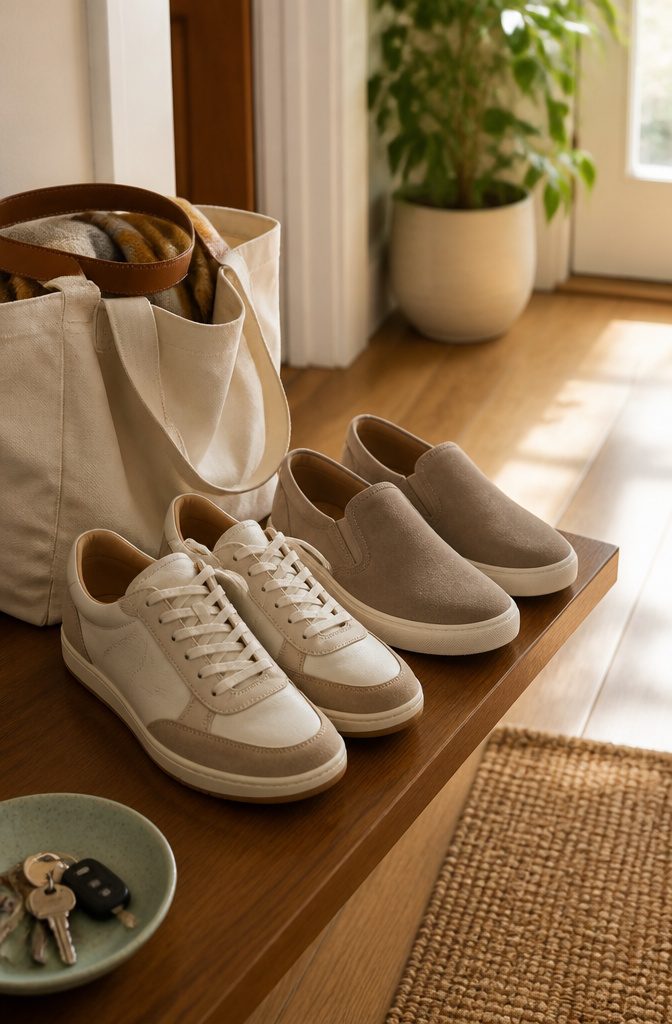
Everyday sneakers and slip-ons built for high arches tend to run lighter and more flexible than their running counterparts, often using leather or suede uppers instead of technical mesh.
The Mephisto Rush fits here as a casual pick with structured arch support, while the Olukai Huia slip-on covers errands and light walking without laces.
Vionic’s Uptown Loafer hides orthotic-grade arch support inside business-casual styling that packs flat for travel. The upper squishes down in a bag but holds its shape once you put it on.
What crossover picks work depends on whether you want athletic looks or something closer to street shoes.
The Aetrex Danika and Skechers Go Walk Arch Fit 2.0 both lean casual enough for daily wear, though the Skechers edge out at a lower price point.
Slip-ons like the Olukai win when you’re in and out of the car all day; lace-ups give you more adjustability if your foot swells by evening.
4. Recovery Shoes
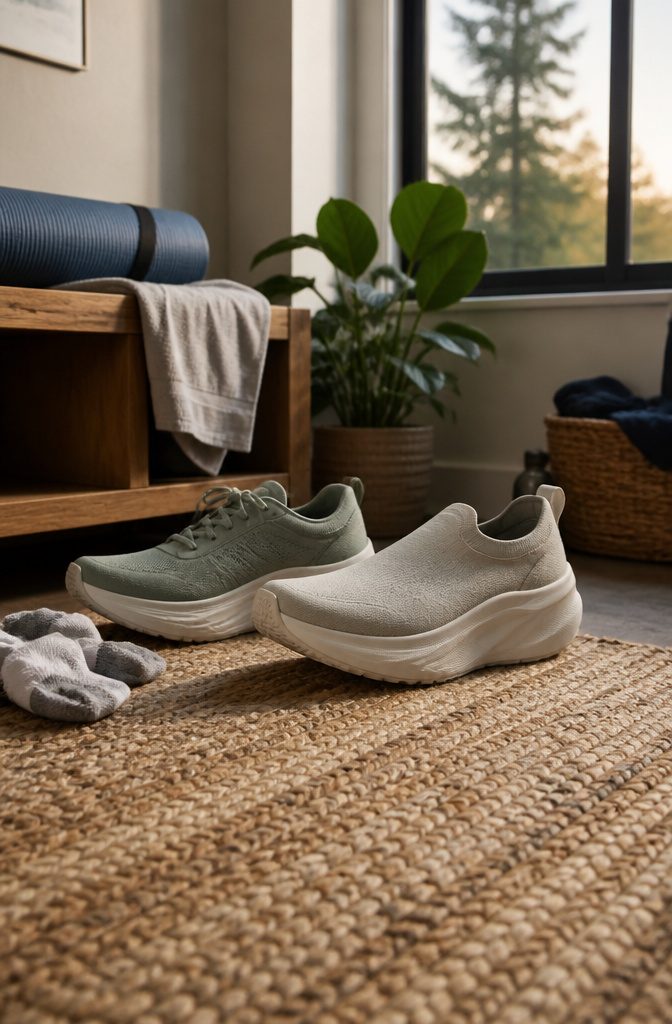
Recovery shoes deliver cushion softer than what you train in, and the difference matters when your legs need a break between hard sessions.
The Superblast 3 sits at the top here for high arches: its FF Leap and FF Blast+ foam compresses easily under the arch without trying to control where your foot lands, and the 46 mm heel and 38 mm forefoot stack pack a lot of give into a shoe that still weighs just 8.4 ounces.
The rocker geometry rolls you forward without much effort, which keeps you moving on tired legs. It works for recovery jogs, everyday miles, or marathon day if you prefer soft over snappy.
The Nike Vomero Plus runs close (same plush, compliant ride), but the Superblast’s rocker makes it feel more propulsive when your stride starts to drag.
Oofos applies that same recovery-foam approach to a slip-on walking shoe with its Club+ sneaker, using high-impact-absorbing Oofoam and elastic laces, though it tends to run large.
5. Speedwork, Racing, and Race-Distance Shoes
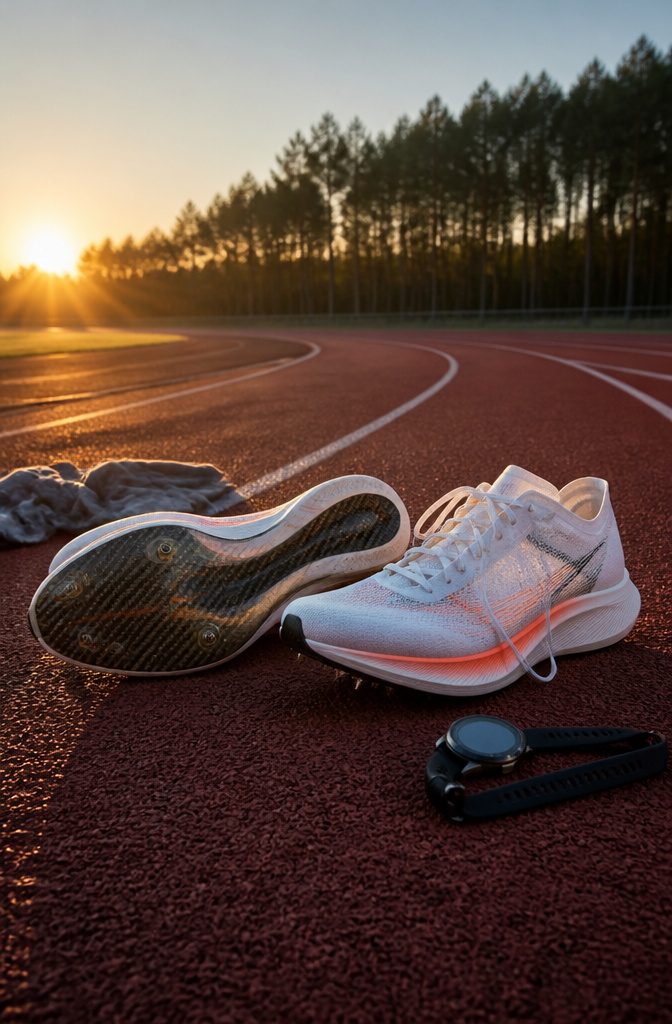
Speedwork asks less of the foam and more of the plate.
A carbon-fiber plate positioned through the midfoot returns energy at turnover; paired with a lightweight upper and a thinner stack, that construction suits runners holding faster than 4:30 per kilometre or 7:00 per mile.
The New Balance SC Elite V6 weighs 7.6 ounces and lands in the racing category: built for 10K distance and shorter efforts where ground feel matters.
The Rebel V5 sits half an ounce heavier at 7.9 ounces and covers tempo runs and threshold work; it runs narrow through the midfoot, though a 2E width is offered.
For marathon distance, a slightly taller stack absorbs impact over longer time on feet without adding much weight. I’d pick the lighter option for intervals and the Rebel for race-pace sessions that go past forty minutes.
6. Work Shoes
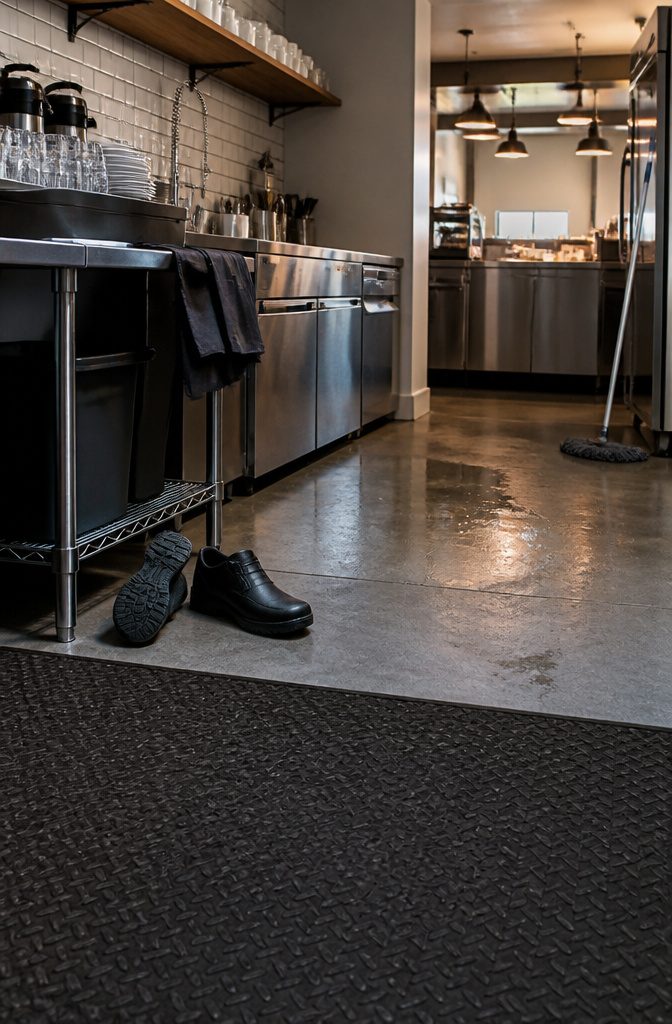
The Brooks Addiction Walker 2 holds up best when you spend the day on your feet, with a structured midsole that resists compression over a full shift.
The leather upper cleans easily, and the outsole is slip-resistant on tile or polished concrete.
If your workplace leans business-casual, the Mephisto Rush reads as a clean sneaker rather than an athletic shoe, though it weighs more and costs about twice what the Brooks does.
Several walking models transition to work without modification. The Aetrex Danika Arch Support Sneaker works for jobs that allow athletic footwear, and the Olukai Huia slip-on fits dress codes that accept streamlined sneakers.
Both carry arch support through long standing periods, but neither has the abrasion resistance of a shoe built specifically for industrial or kitchen environments.
7. Shoes for Narrow Feet
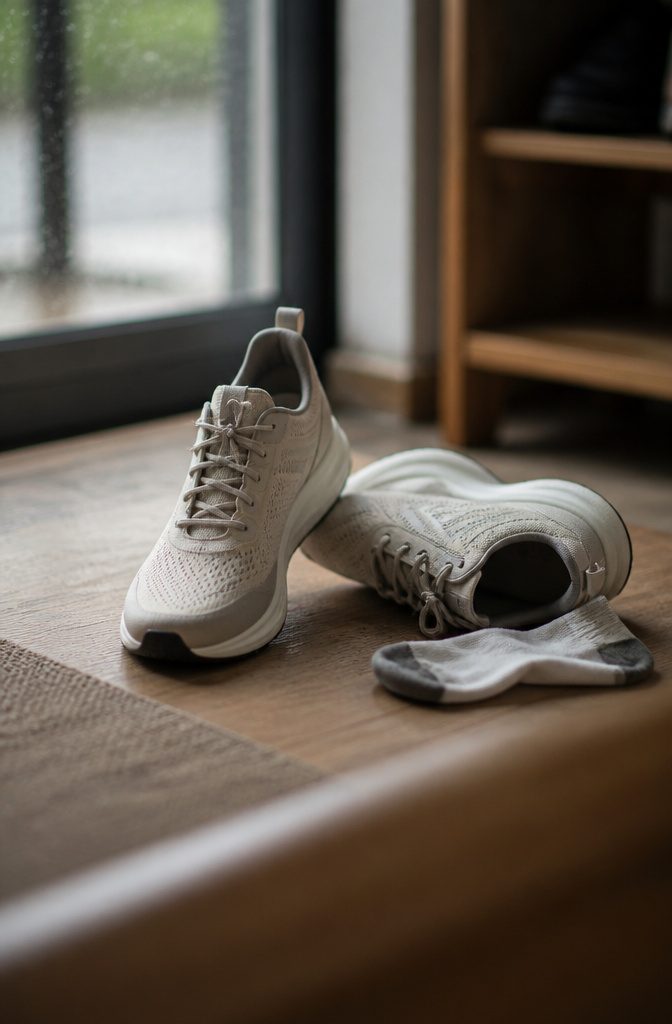
The Brooks Ghost 15 fits runners with high arches who need a narrower profile, though the fit runs so slim that even the wide width feels snug across the toes.
The shoe comes in narrow, medium, wide, and extra-wide options (sizes 3 to 13), but the baseline cut is tight enough that you may need to order one width wider than usual.
The 12 mm drop and cushioned midsole give solid arch support once the shoe breaks in, and after a few days of wear the upper molds closer to the foot and stops pinching.
For walking, the Ghost 15 works well.
Long periods of standing can bring soreness if the fit stays too snug, but movement lets the 8.8-ounce shoe flex and settle. This version is being phased out for the next Ghost, so stock is limited.
If you want a slim-fitting shoe with structured midsole support that handles daily errands as well as longer walks, this one delivers. Just size carefully and expect a narrow cut even in the wider widths.
8. Shoes for Wide Feet
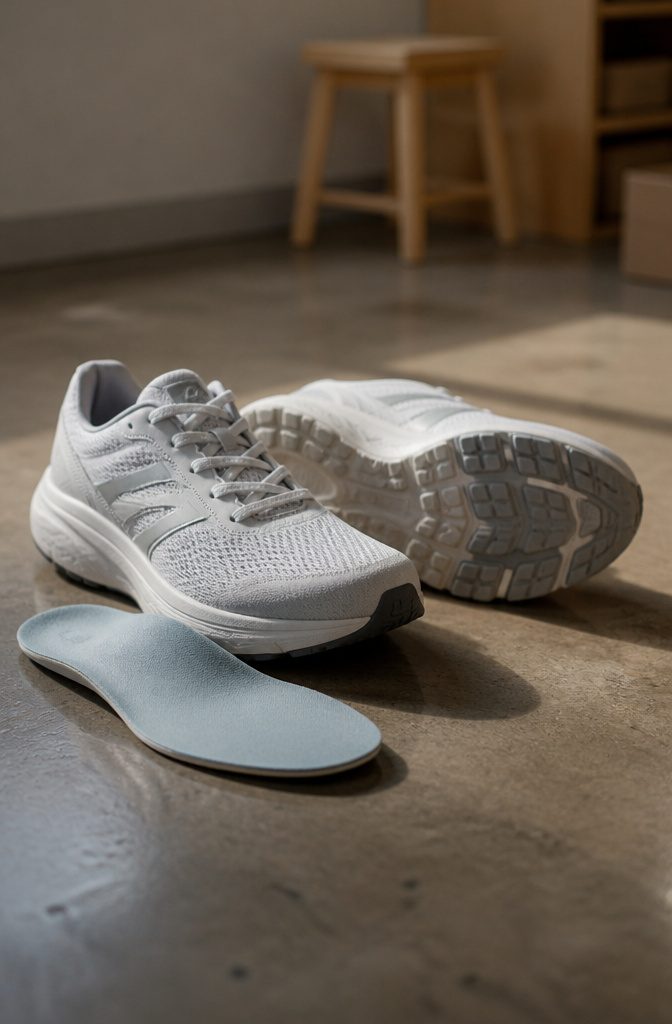
Brooks Ghost 17 and several New Balance models come in 2E and 4E widths that make room for both natural foot spread and aftermarket insoles.
Width matters here because a narrow toebox compresses the arch support into a position that no longer lines up with your actual arch, and an orthotic that fits at home can buckle or shift once the shoe tightens around it during a stride.
New Balance leans harder into wide sizing across its range, so if you routinely need a 2E or wider, start there.
The Ghost 17 stops at 2E for women but runs generous through the midfoot, which works if you need a little extra room without jumping a full width category.
Both brands build the midsole support to stay consistent across widths rather than thinning it out to save material, so a 4E shoe delivers the same arch geometry as the standard width.
9. Shoes for Plantar Fasciitis
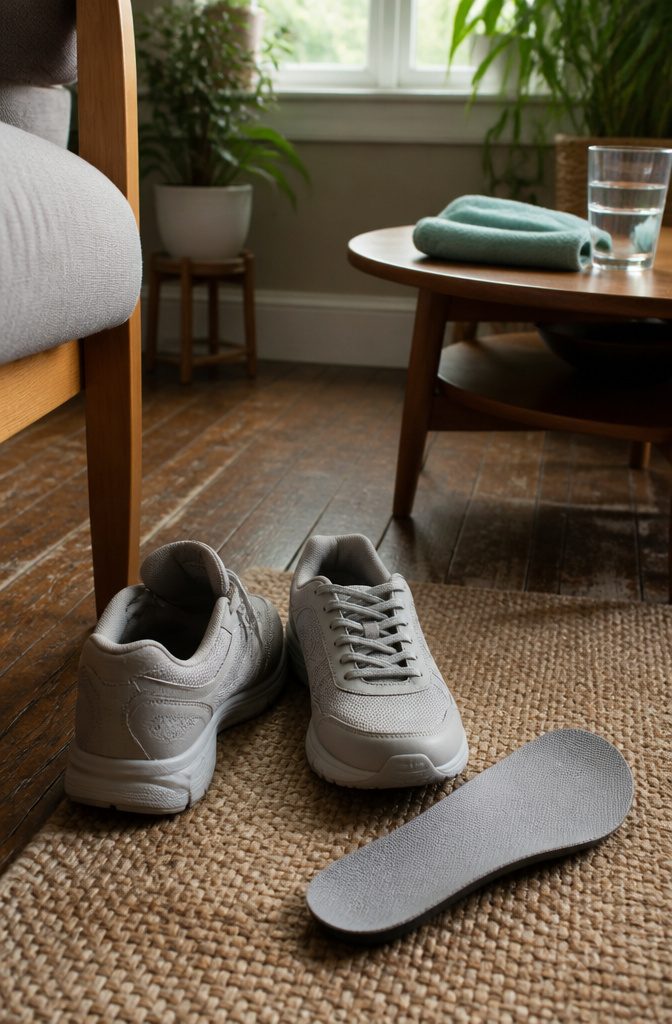
Plantar fasciitis and high arches often show up together because the arch does not flatten enough to absorb shock, leaving the plantar fascia stretched tight from heel to forefoot.
Shoes built for plantar fasciitis typically add structured arch support and extra cushioning in the heel, which is exactly what a high arch needs to stop that band of tissue from pulling with every step.
Look for models with removable insoles if you plan to use custom orthotics.
A shoe designed around its factory footbed may not have enough volume left once you pull the original liner and drop in a thicker orthotic, so check the depth before you commit to the purchase.
Heel counters should be firm enough to hold your foot in place without letting it roll inward or outward as you land.
10. Budget Shoes
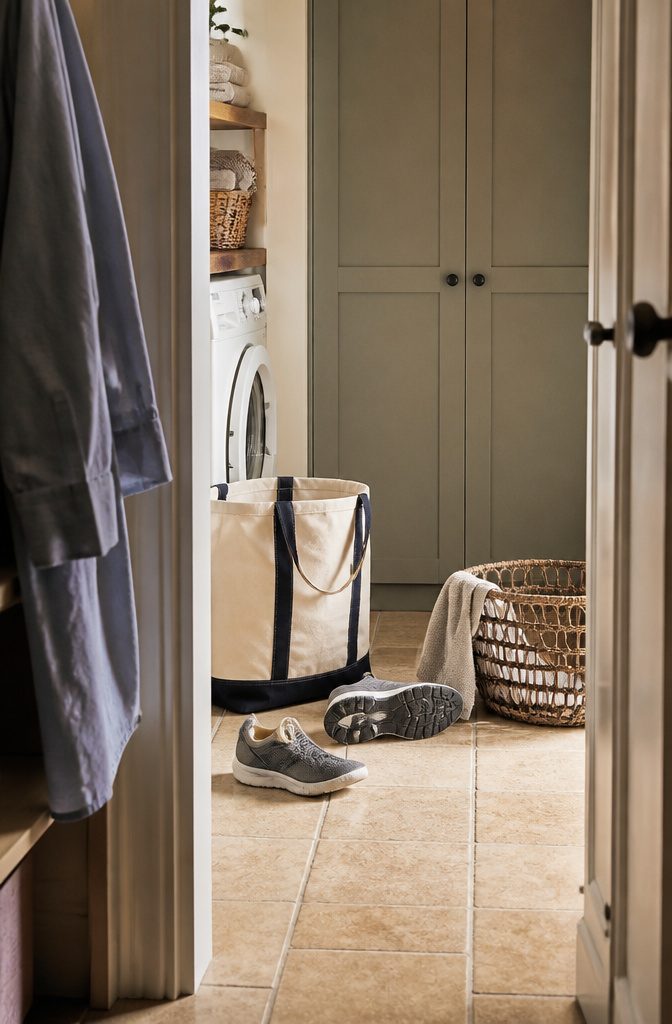
The Skechers Go Walk Arch Fit 2.0 comes in at a lower price point than most supportive shoes, though still not exactly cheap.
The memory foam footbed and built-in arch support work well for walking or standing through long stretches, and the machine-washable construction adds practical value.
Sizing runs limited in both length and width, so fit may not suit everyone. The shoes feel snug at first and soften slightly after a week of wear.
Some versions offer a hands-free slip-on design. The structure reads as somewhat clunky when walking but provides good stability when standing, which cuts down on foot fatigue.
For walking rather than running, the Brooks Ghost 15 sits around $109.88 and offers more refined fit options if budget allows a bit of stretch.
11. Lightweight Shoes
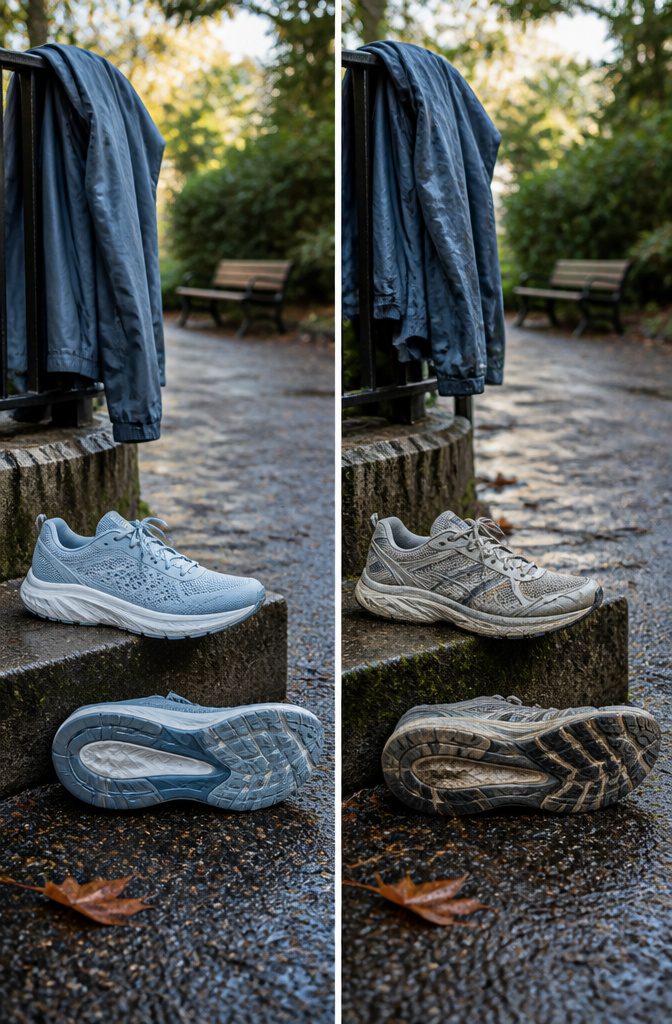
The Hoka Clifton 10 weighs 8.8 ounces and delivers full arch support without the bulk that usually comes with it.
The Cloudlike cushioning sits in a package light enough that lifting your foot through a full stride takes less effort, which matters when you’re on your feet all day or covering distance.
The On Cloudrunner 2 comes in at 8.1 ounces, and the Brooks Ghost 15 matches the Clifton at 8.8 ounces.
Weight drops further with racing builds: the New Balance SC Elite V6 hits 7.6 ounces, and the Rebel V5 sits at 7.9 ounces. Both sacrifice some cushioning to get there, which is the tradeoff high arches face in lightweight shoes.
Less foam underfoot means the arch bears more of the load directly, so a racing flat built for speed may not be the right call for a recovery run or a shift where you’re standing more than moving.
The Clifton keeps enough material under the arch to spread impact without feeling like you’re hauling extra weight through each step.
12. Court and Racket-Sport Shoes
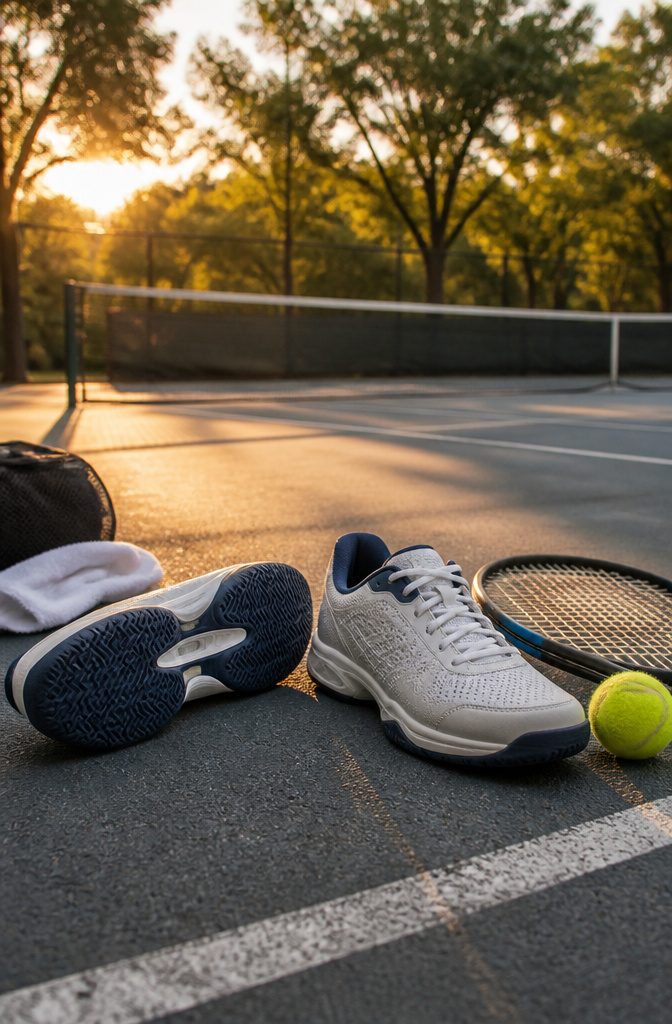
Court shoes solve a problem running shoes don’t: stopping and changing direction hard without your foot sliding across the footbed.
PB5star’s W’s PB5 Court2 gives high arches what they need on a tennis or pickleball court: structured midfoot support that holds up through lateral cuts, plus enough cushion under the arch to take the load off after a two-hour match.
The midsole is firmer than what you’d lace up for a 5K, which matters when you’re pushing off sideways instead of straight ahead.
Racket sports put different forces through the arch than distance running does.
You plant, pivot, and explode laterally dozens of times a set, and a soft, bouncy sole that feels great on pavement will let your foot roll when you need it locked in.
The PB5 Court2 balances that: supportive enough to keep your arch stable through quick directional changes, forgiving enough that you’re not walking off the court sore.
13. Hiking Shoes and Boots
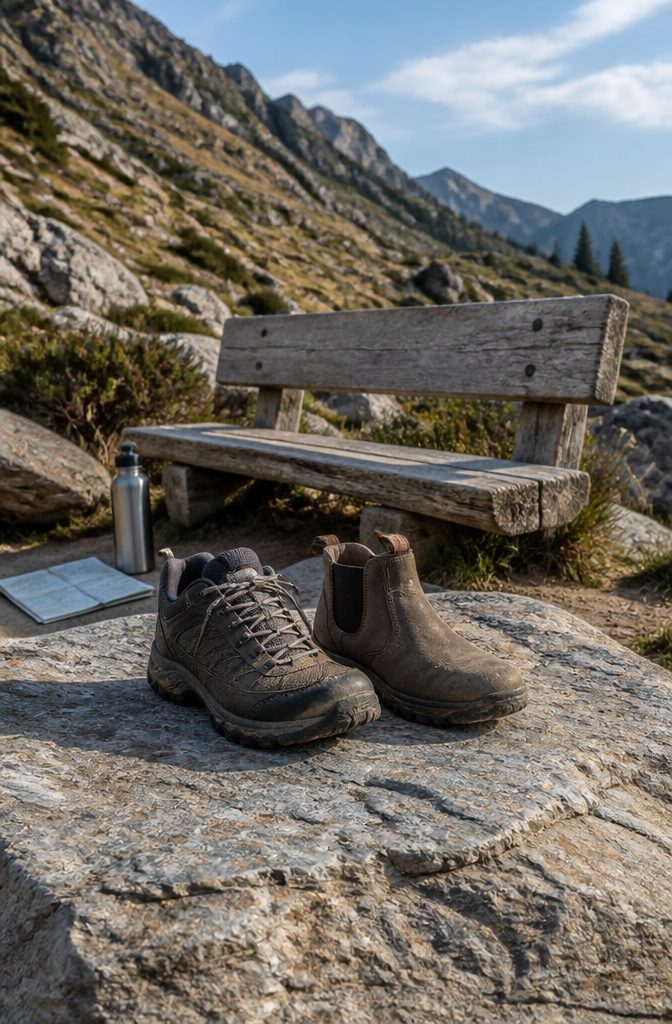
Hiking footwear puts ankle stability and traction on uneven ground ahead of the cushioned forward roll you need for pavement running, though the arch support principle stays the same: a contoured footbed that cradles the instep and distributes weight evenly across the sole.
Merrell’s Moab 3 with Gore-Tex ($195) combines a Kinetic Fit footbed that lifts the arch with a molded nylon shank for midfoot rigidity and Vibram soles that grip wet rock.
At 16.36 ounces per shoe it weighs more than a trail runner, but that mass translates to stability on loose scree.
Birkenstock’s Highwood slip-on leather boot ($210) borrows the brand’s Deep Blue Footbed (the same anatomical trace that made their sandals work for high arches) and wraps it in a Chelsea silhouette that works on a trail or a city block.
Suede lining softens the break-in.
14. Sandals and Flats
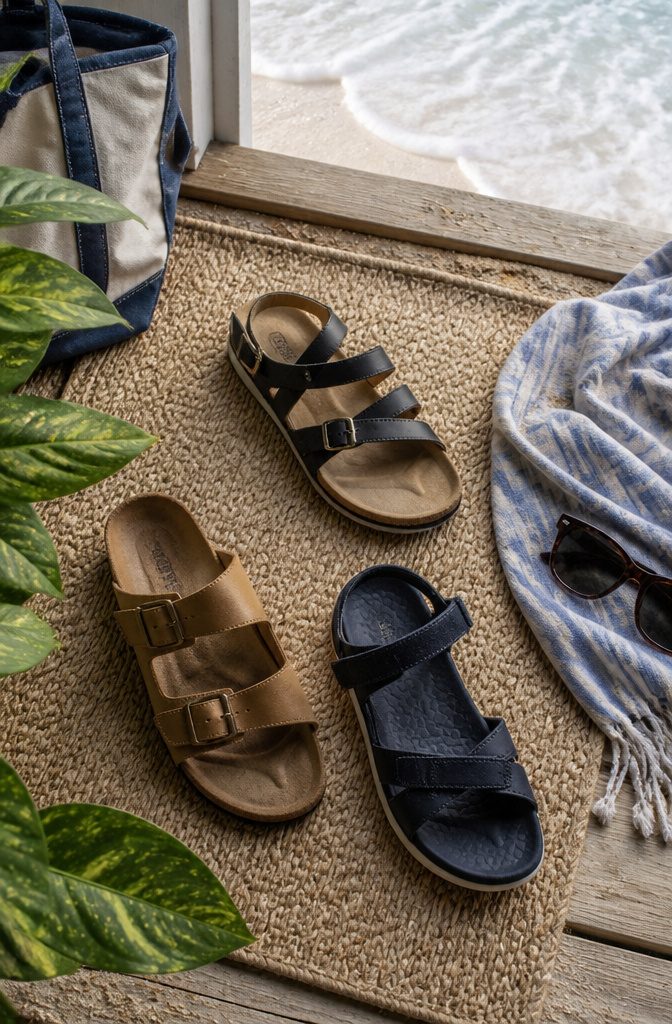
Birkenstock’s Arizona Big Buckle sandal starts at $60 and delivers the same deep footbed the brand built its reputation on since the 1930s.
The footbed cradle keeps your foot from sliding forward, which matters when there’s no lacing to cinch things down.
The waterproof EVA version trades the classic cork and latex core for splash-friendly foam, so it works at the beach without the weight.
Vionic’s Walk Max Wanderer sandal runs $150 and puts arch support in both the footbed and the midsole. The hook-and-loop straps adjust across the instep and ankle, which gives you control over how snugly the sandal holds your arch in place.
That adjustability makes the difference: a fixed strap either gaps or pinches, and neither one keeps your arch seated where the support actually sits.
Open footwear supports high arches when the footbed is contoured enough to cup the arch and the straps hold your foot against it. A flat sandal with no shaping leaves your arch unsupported no matter how thick the sole.
What High Arches Need in a Shoe
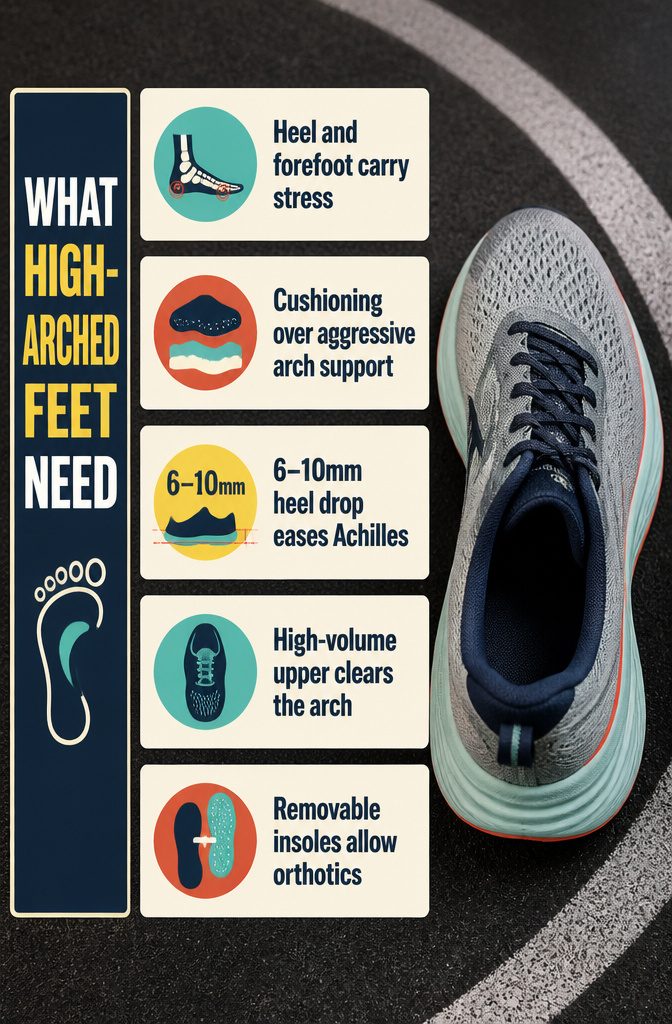
High arches redistribute loading stress to the heel and forefoot, so cushioning and a flexible forefoot matter more than aggressive arch support pressing into an already-rigid midfoot.
Neutral geometry with a curved or semi-curved last works for most rigid high-arched feet; stability features help if you overpronate, and motion control suits supinators, but around 43 percent of Fleet Feet’s 5 million scans show high arches that behave differently under load than they do standing still.
Some flatten during movement, which makes firm midfoot support more irritating than useful.
A 6–10mm heel drop relieves the Achilles without the instability of a tall stack; very low drops (0–4mm) demand more from tight calves, and drops past 12mm can feel tippy for feet that roll outward.
Look for a high-volume upper to clear the arch, a snug heel counter, and a wider toe box if you lean toward bunions or hammertoes.
Removable insoles let you swap in an orthotic if a medical professional recommends one, but check that the replacement matches the original’s thickness and drop or the fit changes.
Frequently Asked Questions
What shoe features help high arches?
High arches need cushioning and a flexible forefoot rather than aggressive arch support pressing into an already rigid midfoot.
Neutral geometry with a curved or semi-curved last works best, along with a 6–10mm heel drop to relieve the Achilles without instability. A high-volume upper that clears the arch and removable insoles for custom orthotics complete the picture.
What heel drop is best for high arches?
A 6–10mm heel drop works best for high arches, giving the Achilles relief without the instability of a taller stack.
Very low drops (0–4mm) demand more from tight calves, and drops past 12mm can feel tippy for feet that roll outward.
Do high arches cause problems?
High arches redistribute loading stress to the heel and forefoot because the midfoot stays rigid instead of flattening to absorb shock.
This pattern can lead to plantar fasciitis, shin splints, and stress fractures if the shoe does not compensate with enough cushioning.
What brands design the best supportive shoes?
Asics, Brooks, Hoka, New Balance, On, and Saucony each make supportive models, though most are designed for overpronators rather than high arches specifically. Birkenstock and Vionic build arch support into a wider range of casual and walking shoes.
Are Brooks or Hoka better for high arches?
Both Brooks and Hoka offer cushioning that suits high arches, but the choice depends on fit and use case.
The Hoka Clifton 10 weighs 8.8 ounces and delivers full arch support in a lighter package, while the Brooks Ghost 17 adds more width options (up to 2E) and a slightly taller 10mm drop that some runners prefer.