Closed-back slippers win for most people because they stay on when you walk and keep your heel covered without adding bulk.
If you need something for outdoor errands, moccasins with their harder rubber or leather sole handle pavement better than any fabric-lined style will.
The line between house shoe and street shoe comes down to sole construction. A soft rubber base keeps you comfortable indoors; a firmer one lets you step outside without switching footwear.
Sandal slippers with a leather strap, slip-on scuffs that leave the heel bare, and novelty styles shaped like animals all serve different needs, and matching the construction to where you wear them decides which pair works.
1. Sandal Slippers With a Strap
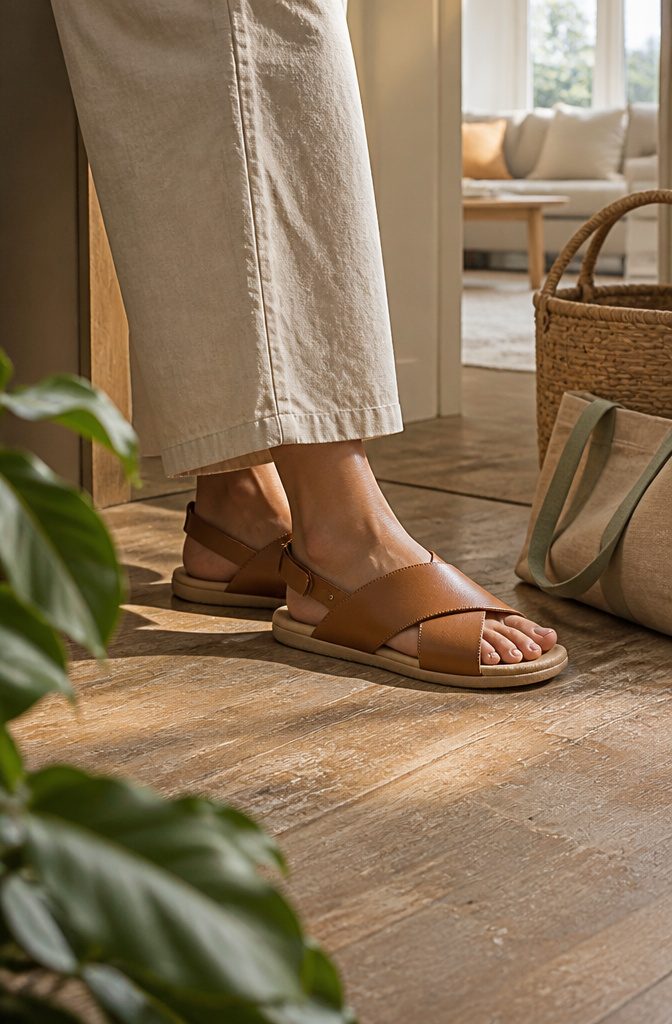
Sandal slippers use soft rubber or fabric soles paired with a leather strap that wraps around the foot.
The construction keeps the design minimal while the cushioning handles long stretches on your feet. That strap placement gives enough security without the bulk of a closed shoe, which is why they work equally well indoors and for quick errands.
The comfort claim centers on that cushioned sole.
The rubber flexes with your step rather than fighting it, and the fabric option tends to mold to your foot shape after a few wears. The leather strap stays put without digging in, so you get stability without pressure points.
They have made a comeback because the silhouette looks deliberate rather than thrown-on, and you can wear them out of the house without looking like you forgot to change.
2. Slip-On Slippers That Leave the Heel Bare
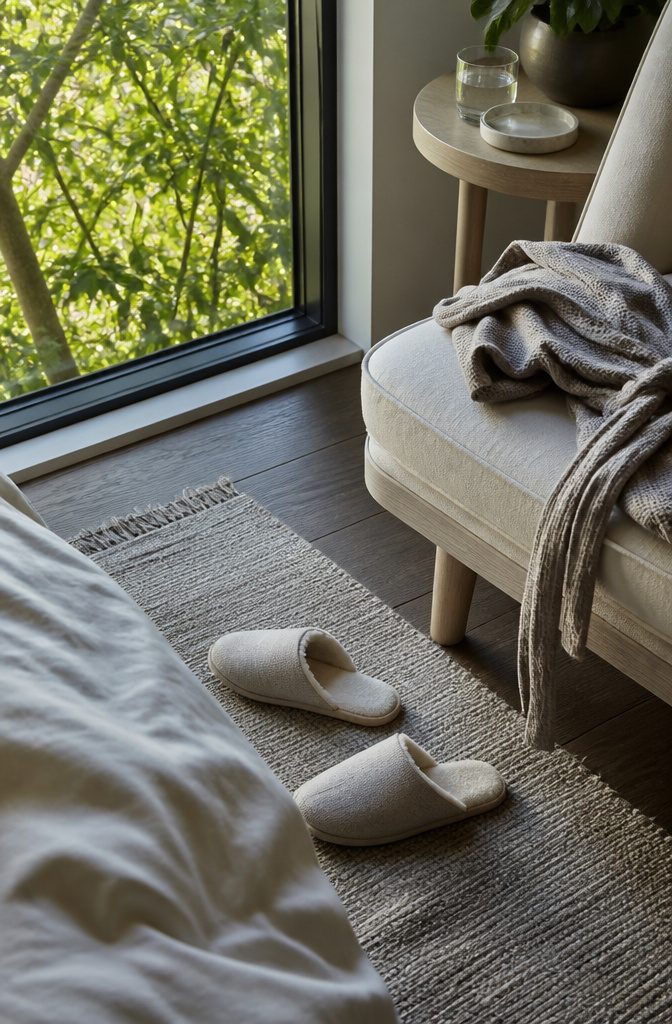
Fabric wraps the toes and top of the foot, and the heel stays exposed: that construction is what makes a slip-on slipper faster to get into than closed-back styles.
No need to work your heel past a back panel or tug anything into place; you slide your foot forward and you’re done. The rubbing sound they sometimes make when you walk is where the "scuff" name comes from.
Soft rubber or fabric soles keep them lightweight, and most are made from polyester, fleece-lined materials or faux fur.
The exposed heel means less coverage than a full slipper, so they work best indoors or for short trips where you won’t be on your feet long.
That exchange (speed of entry against warmth) is the reason they show up in getting-ready routines but not in winter loungewear guides.
3. Closed-Back Slippers
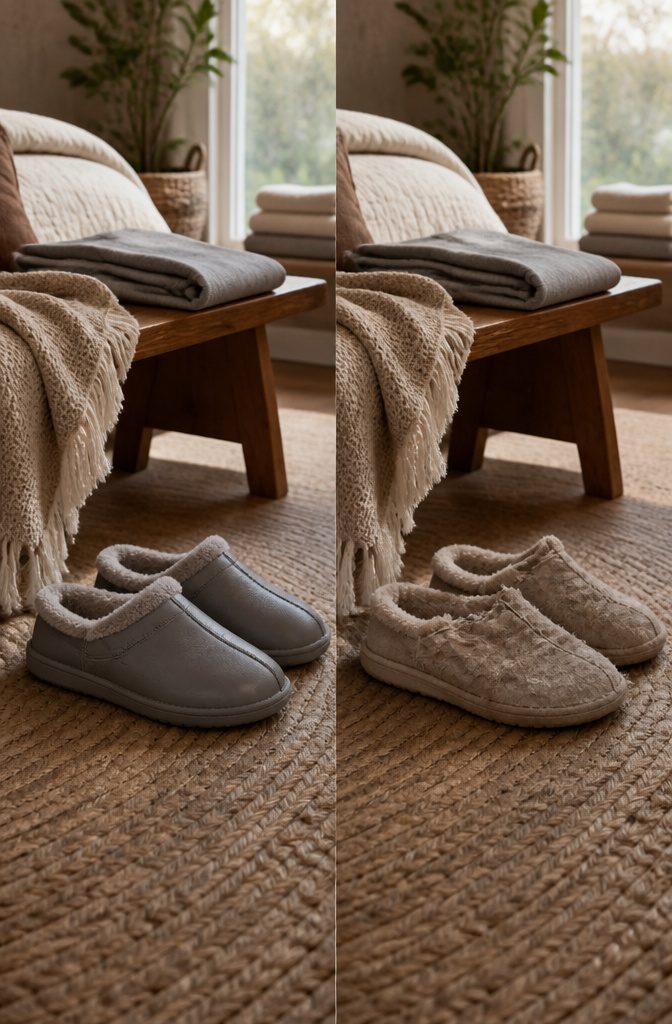
Closed-back slippers differ from scuff styles by covering the heel entirely, which keeps your foot warmer and the slipper more secure when you walk around the house.
The construction pulls from a range of materials: polyester for a lightweight feel, fleece-lined leather when you want something softer against your skin, acrylic that holds its shape through repeated wear, and faux fur for texture.
The variety means you can pick a pair that matches how you already dress at home without settling for one generic look.
They take a second longer to slip on than an open-back scuff, but your heel stays covered and the slipper stays put.
Colors and patterns run the full spectrum, so a neutral gray works as well as a brighter option if that suits your style better.
4. Moccasins for Outdoor Wear
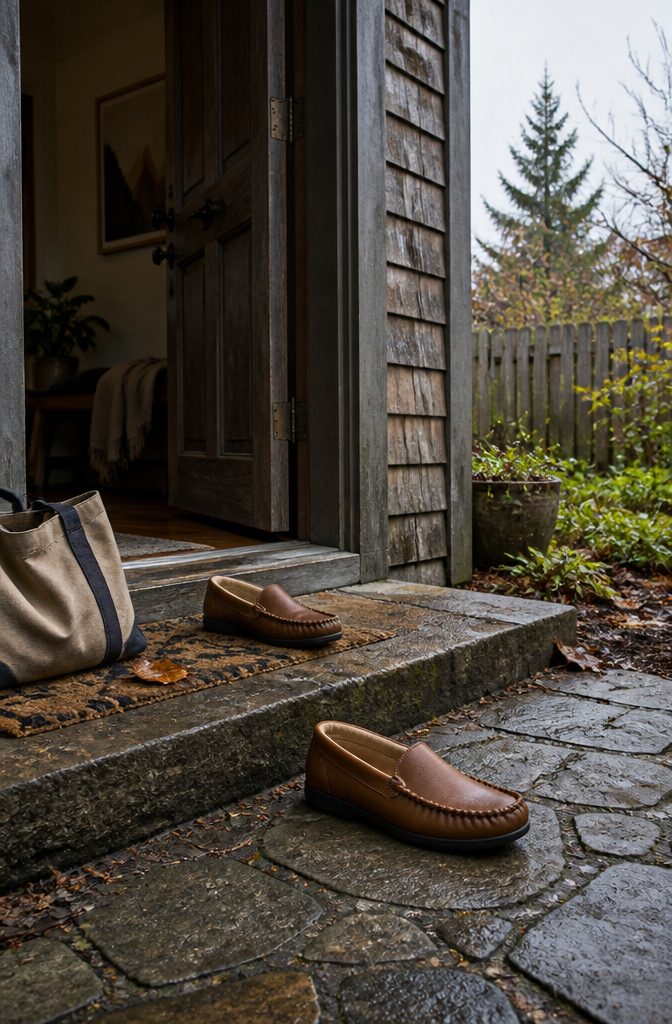
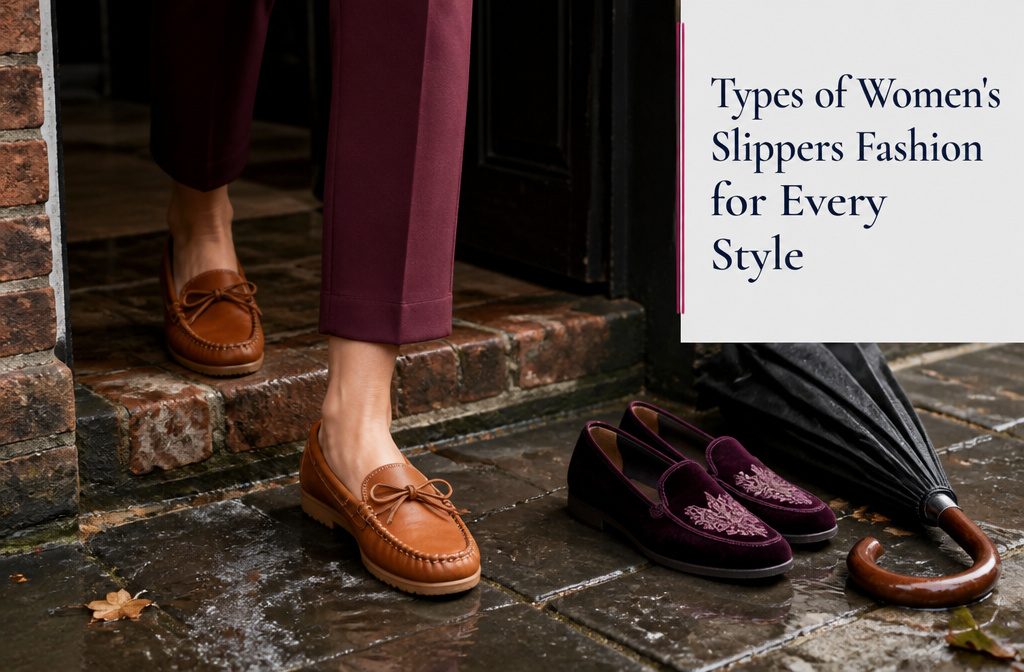
Moccasins sit at the border between slipper and shoe. They are made of soft leather or synthetic material with a hard rubber or leather sole.
That harder sole sets them apart from every other slipper style and makes outdoor wear possible. You can walk to the mailbox or run a quick errand without switching shoes.
The construction explains the crossover appeal.
Most slippers use fabric or cushioned rubber underfoot; moccasins use a firmer base that holds up on pavement. Pair that with the leather upper and you get something that reads more like a casual loafer than indoor-only footwear.
They work in the boardroom as easily as they do at home, which is more than you can say for slip-ons or novelty styles.
5. Novelty Slippers Shaped Like Animals
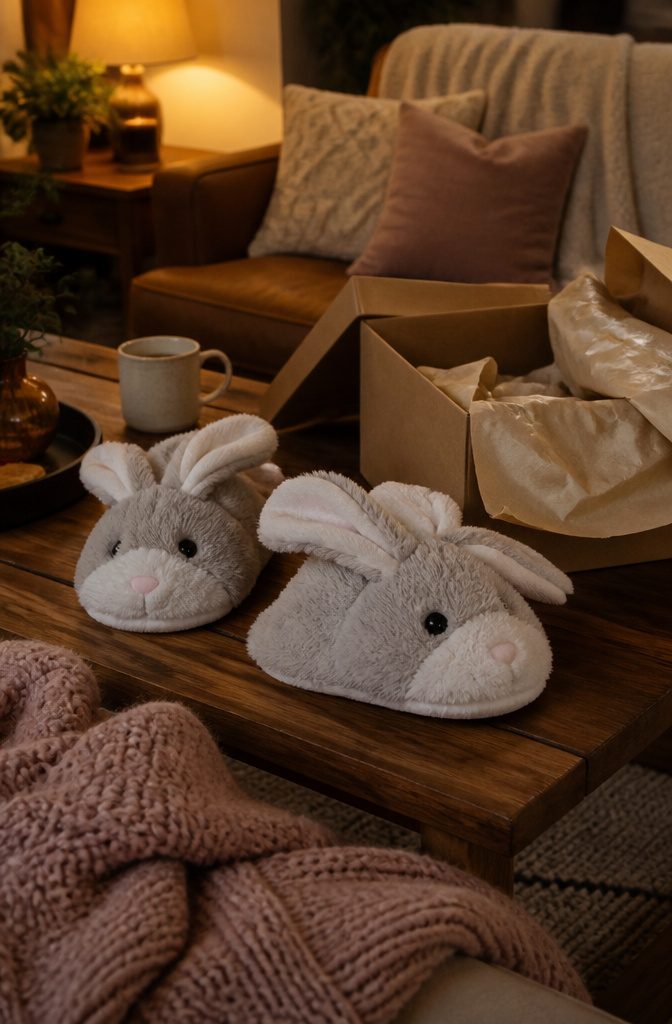
Soft, oversized slippers shaped like ducks, rabbits, dogs or cows are worn indoors and make a popular gift option.
The construction uses very soft material in a larger size that covers the entire foot, often decorated to resemble a cartoon character or animal. These slippers prioritize warmth and novelty over sleekness.
The appeal comes down to presentation: they look adorable, which makes them easy to wrap and hand someone who already has functional footwear.
You would wear them at home rather than stepping outside, since the soft material and whimsical design are built for relaxation rather than pavement.
If you want something you can take to the office or dinner, moccasins or closed-back styles work better for that.
Pairing Slippers With Midi Dresses and Denim
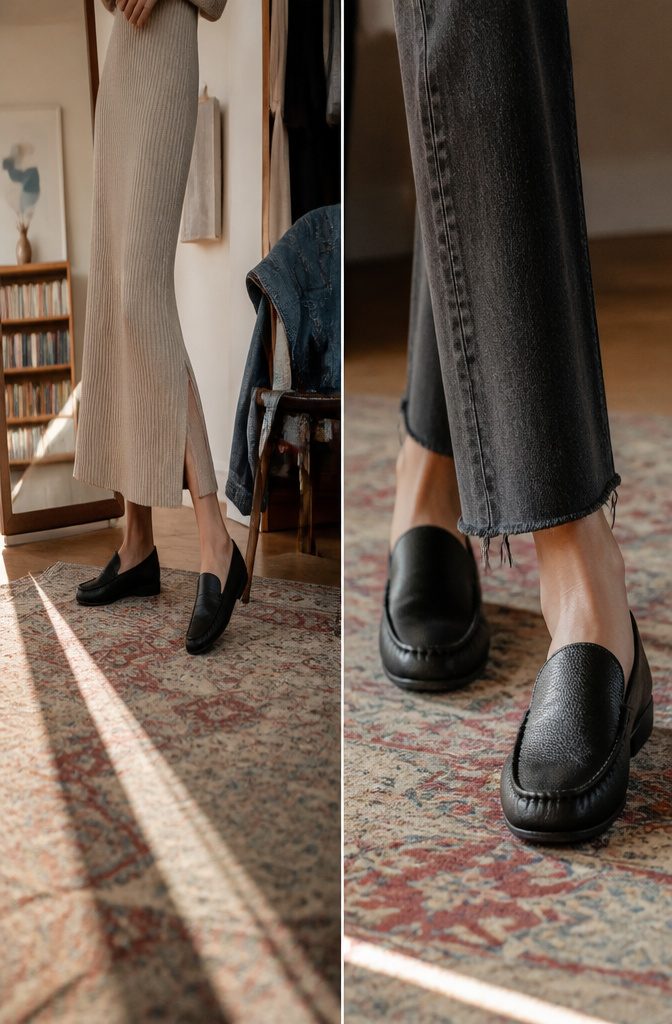
The Fly FLOT Acquapendente Bordeaux slippers work with midi dresses and denim alike because their design sits between house shoe and proper footwear.
The closed construction and refined finish mean you can pair them with something structured (a knit midi dress, dark jeans) without the outfit reading as unfinished.
I would not call them formal, but they hold their own in a way open-back scuffs do not.
The claim that slippers go to the office, the bar, and just about anywhere holds for closed styles and moccasins, not for novelty or fleece-lined pairs.
A black leather moccasin reads as a casual flat; a cartoon rabbit slipper does not.
The line is construction: if the sole is hard rubber or leather and the upper structured enough to keep its shape off your foot, it crosses into daywear.
Why Soft Materials and Cushioned Soles Win
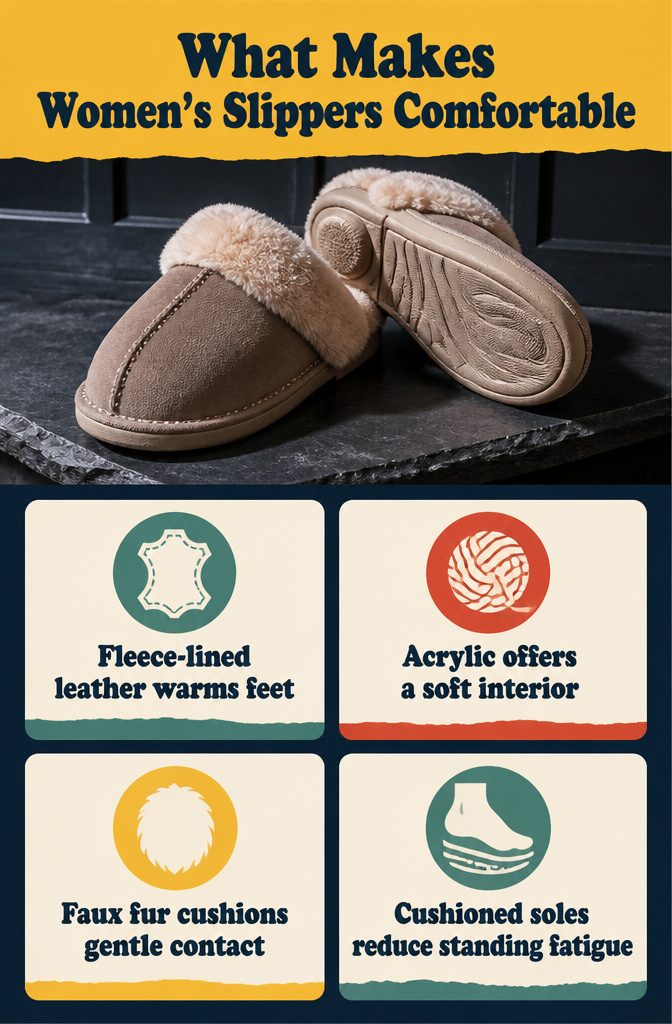
Comfort matters because slippers are meant to stay on all day.
Soft, warm, flexible, and lightweight materials let you move from home to errands without changing shoes. Materials like fleece-lined leather, acrylic, faux fur, and soft rubber give cushioning underfoot and gentle contact around the foot.
Soft interiors and cushioned soles reduce fatigue when you’re standing or walking for hours, which explains why so many slipper descriptions lead with comfort rather than appearance.
The 15-minute claim refers to getting ready quickly. Slip-on styles require no buckling or lacing, so you can put them on in seconds and walk out the door.
That speed matters when you’re juggling work, social plans, and home tasks. Not all comfortable slippers look polished enough for every setting, so matching the style to where you’re going decides which pair works.
Frequently Asked Questions
What are the different types of women’s slippers?
The 5 main types are sandal slippers with a strap, slip-on scuffs that leave the heel bare, closed-back slippers that cover the heel completely, moccasins with hard soles for outdoor wear, and novelty slippers shaped like animals.
Each type balances coverage, warmth, and speed of entry differently.
Can you wear slippers outside the house?
Moccasins work outdoors because they have hard rubber or leather soles that hold up on pavement.
Sandal slippers also cross over for quick errands. Slip-on scuffs and novelty styles stay indoors since their soft materials are built for relaxation rather than walking on concrete.
What makes slippers comfortable to wear all day?
Soft interiors and cushioned soles reduce fatigue when you stand or walk for hours.
Materials like fleece-lined leather, faux fur, and soft rubber flex with your step rather than fighting it, and the construction avoids pressure points that build discomfort over time.
What outfits go with women’s slippers?
Closed-back slippers and moccasins pair with midi dresses and denim because their refined construction reads more like casual flats than house shoes.
A black leather moccasin works in the boardroom or at dinner, while open-back scuffs and novelty styles look best kept at home.