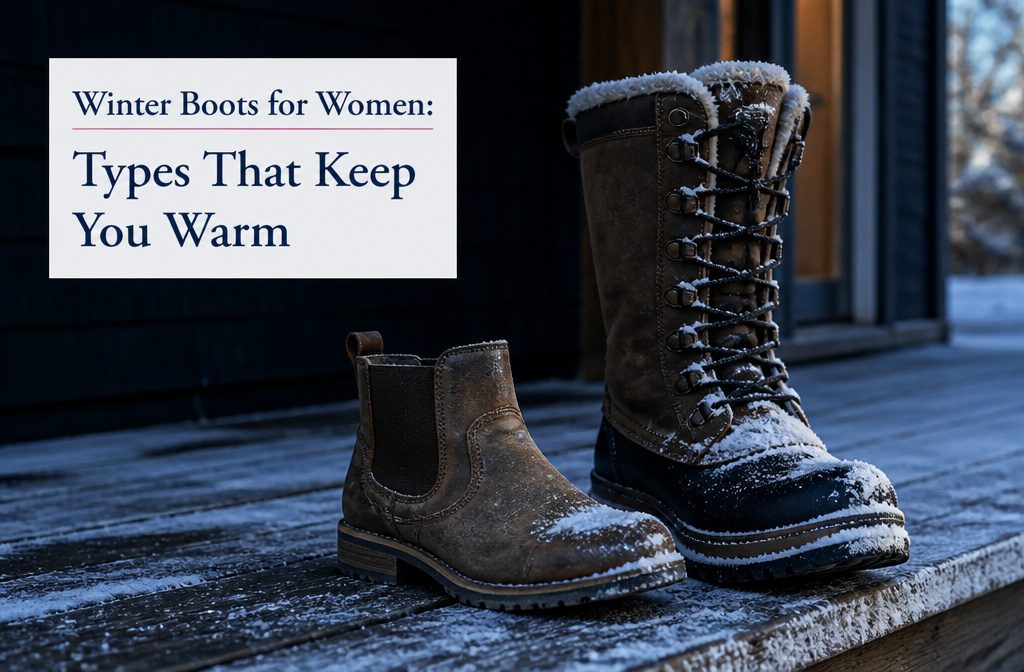
Winter boots for women range from lightweight everyday styles to insulated snow boots built for deep cold, and the difference comes down to how much insulation they carry and how high the shaft sits.
A 6-inch boot with 200 grams of insulation handles light snow and morning errands, but deeper drifts or single-digit temperatures call for 400 grams or more and a shaft that reaches past 10 inches.
1. Everyday and Casual Winter Boots
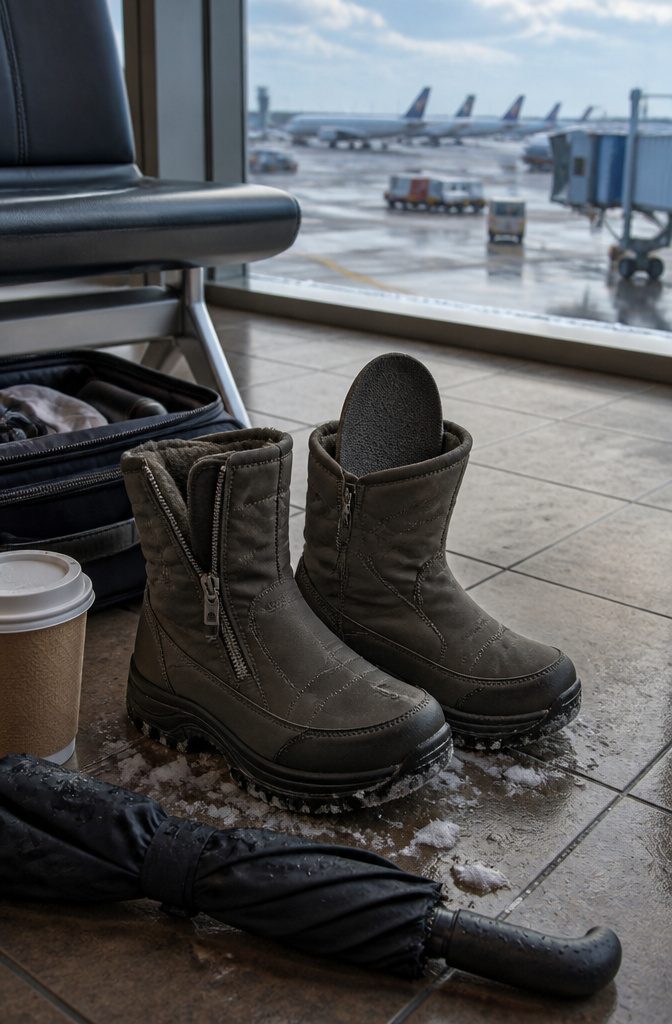
The Columbia Minx Shorty IV handles morning errands and airport hallways without the heft of a backcountry boot.
200g insulation keeps feet warm in light snow, and the waterproof membrane sheds slush as long as the shaft stays above the puddle line.
At 6.5 inches from sole to top, that limit arrives fast, anything deeper sends water over the edge. The short height makes them easy to pull on, and at under two pounds per pair they pack well for travel.
A removable footbed matters if you swap in custom orthotics or just want the option to air them out between wears. Zip closures speed up the process when you are rushing out the door.
For mild cold, the kind where you are walking a few blocks rather than standing still, 100 to 200g of insulation is enough without turning your feet into furnaces indoors.
Anything lighter leaves you cold; anything heavier becomes overkill unless temperatures drop past freezing and stay there.
Recommended Products

WATERPROOF: Stay dry in any weather with these waterproof seam-sealed membrane bootie construction. Designed to keep your feet protected from rain and snow

Soft Toe styles meet ASTM F2892-18 standard.

Enjoy the great outdoors even on cold-weather days with the warmth and protection of the KEEN Revel IV High Polar boots. This boot style uses environmentally preferred premium leather from an LWG-certified tannery.
2. Snow and Deep-Cold Boots
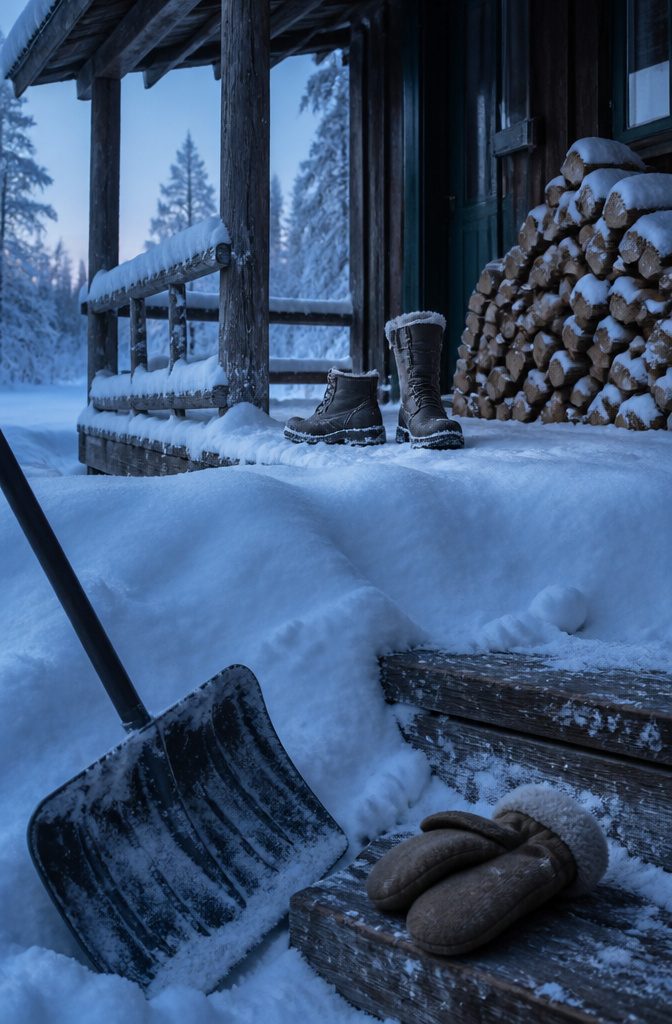
When your forecast says single digits or the snow is piling past your ankles, coverage and warmth need to jump up.
The Columbia Minx Shorty IV runs 200g insulation and a 6.5-inch shaft, which held up in snow but let moisture creep over the top in deeper drifts, 6 inches is about where water starts coming in.
At 1 pound 12 ounces per pair, it moves more like a sneaker than a snow boot, so it works for quick errands and light walks rather than all-day exposure.
The Baffin Chloe shifts the equation: a 10-inch shaft, multi-layer insulation with hollow-fiber B-Tek Heat, and sealed seams that handle puddles up to 9.5 inches deep. Weight climbs to 3 pounds 3 ounces, but testers kept dry feet even when conditions turned sloppy.
For truly deep snow or extended time outside in cold that bites, 400g insulation or more becomes the baseline, anything less and your toes remind you an hour in.
Recommended Products

RUGGED WINTER HIKING BOOTS: The lightweight Women's Chilkat V 400 Waterproof Boots feature super-warm HEATSEEKER insulation and compression-molded EVA midsoles for added comfort and long-lasting cushioning on cold winter adventures.

COMFORT AND WARMTH: Cushioned footbed for supportive comfort. All-cold weather protection and a toasty layer of insulation.
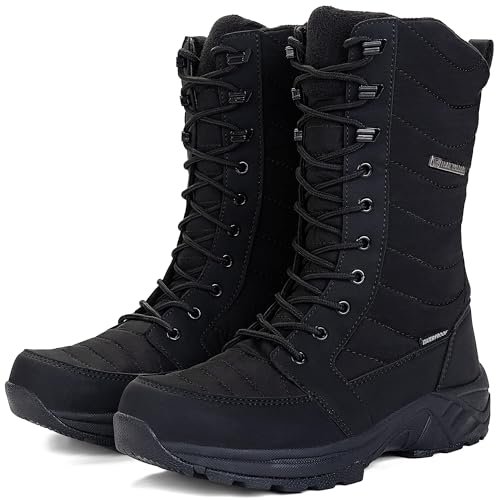
The upper of winter boots for women is made of waterproof synthetic leather and textile fabric. The waterproof membrane prevents water from entering and volatilizes water vapor.
3. Winter Hiking Boots
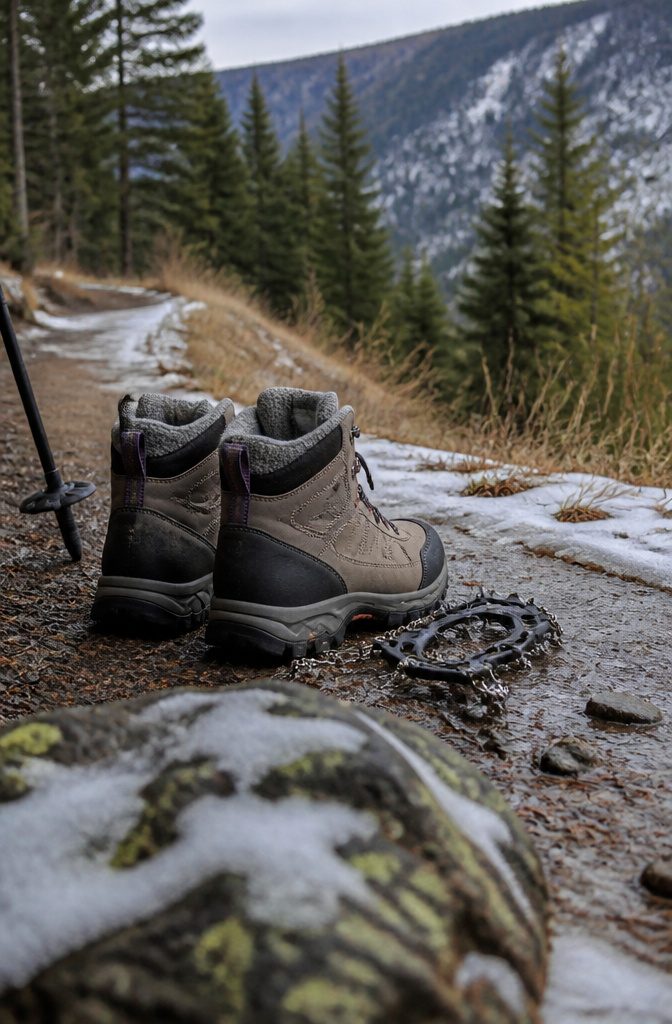
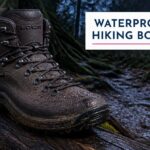
Winter hiking boots trade street polish for deep lugs and aggressive tread that bite into mud, ice, and uneven ground.
The Keen Revel IV Polar carries 200 grams of recycled PET insulation in a 6-inch shaft, 2 pounds 12 ounces per pair in a size 9, and holds up to a 5.5-inch puddle before water seeps through.
That rubber outsole grips icy ridgelines and wet rock where smooth soles slide, and the roomy fit leaves space for thick wool socks when the temperature drops past freezing.
Compatible with microspikes and snowshoes, it handles backcountry terrain but reads too technical for everyday wear.
If the trail is your winter commute or weekend plan and traction matters more than a clean silhouette, a hiking-specific boot like this one wins over boots built for pavement.
Recommended Products

WATERPROOF: Stay dry in any weather with these waterproof seam-sealed membrane bootie construction. Designed to keep your feet protected from rain and snow

【Water-Resistant】: The upper of the womens snow boots is made of water resistant leather so that it is uneasy for water snow to permeate into the shoes, keeping your feet dry and comfortable.

TIPS: We recommend measuring your foot length (heel to toe) before purchasing and selecting the appropriate size according to the size chart.
4. Tall or Work-Ready Boots
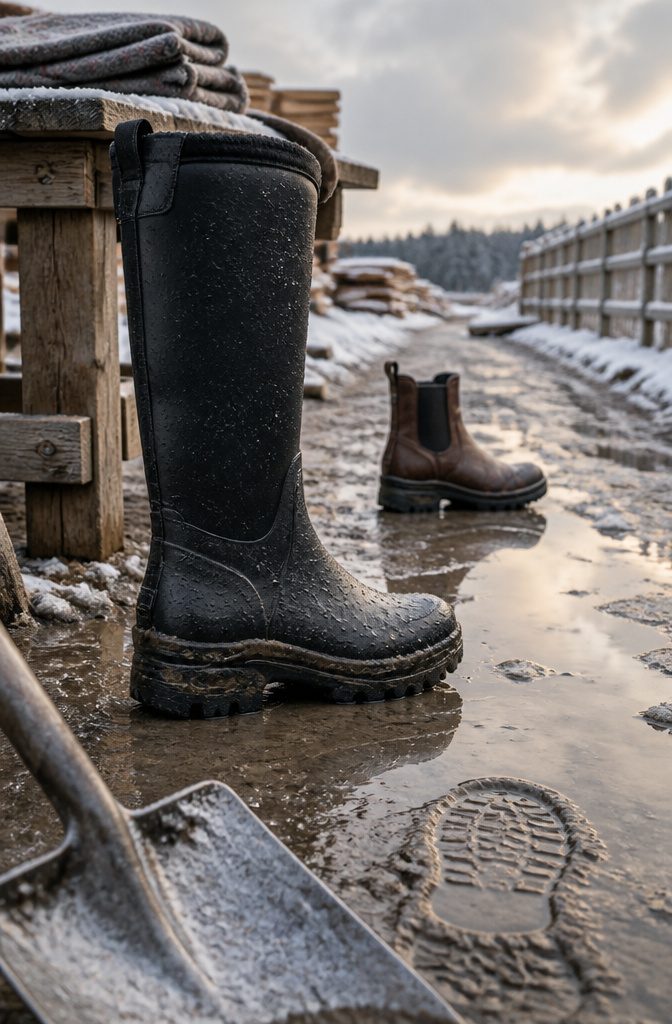
The Muck Boot Arctic Ice Tall AGAT delivers 16 inches of shaft that reaches just below the knee, making it the tallest option in its category and the right pick when you’re standing in slush or crossing deep snow on a job site.
It’s built with 8mm neoprene and a fleece lining that held up through full submersion in icy water during testing, and it handles puddles up to 17 inches deep before water breaches the seal.
The trade-off is weight: at 5 pounds 1 ounce per pair in size 9, these boots are heavy enough that you’ll notice them if you’re walking any real distance.
The North Face Shellista VI cuts the shaft to 10 inches and weighs just under 3 pounds per pair in the same size, which makes it easier to move in while still clearing 7-inch puddles.
It uses 200 grams of Heatseeker Eco Pro insulation and a lugged sole for grip on slick pavement, and the leather upper resists salt stains from treated sidewalks.
If you need tall coverage but not the bulk, this is the lighter alternative.
Recommended Products

Waterproof Upper: The surface of these winter snow boots are made of quality Membrane waterproof and Hardy textile upper.Breathable and flexible mesh collar . It is soft, waterproof, warm and make your feet comfortable

B-DRY WATERPROOFING: A DWR-treated waterproof nubuck leather upper works with the breathable B-DRY liner to block outside moisture while allowing sweat vapor to escape, giving these women’s waterproof boots coverage for snow, slush and wet conditions.

B-DRY WATERPROOFING: A DWR-treated waterproof nubuck leather upper works with the breathable B-DRY liner to block outside moisture while allowing sweat vapor to escape, giving these women’s waterproof boots coverage for snow, slush and wet conditions.
5. Style-Led Winter Boots
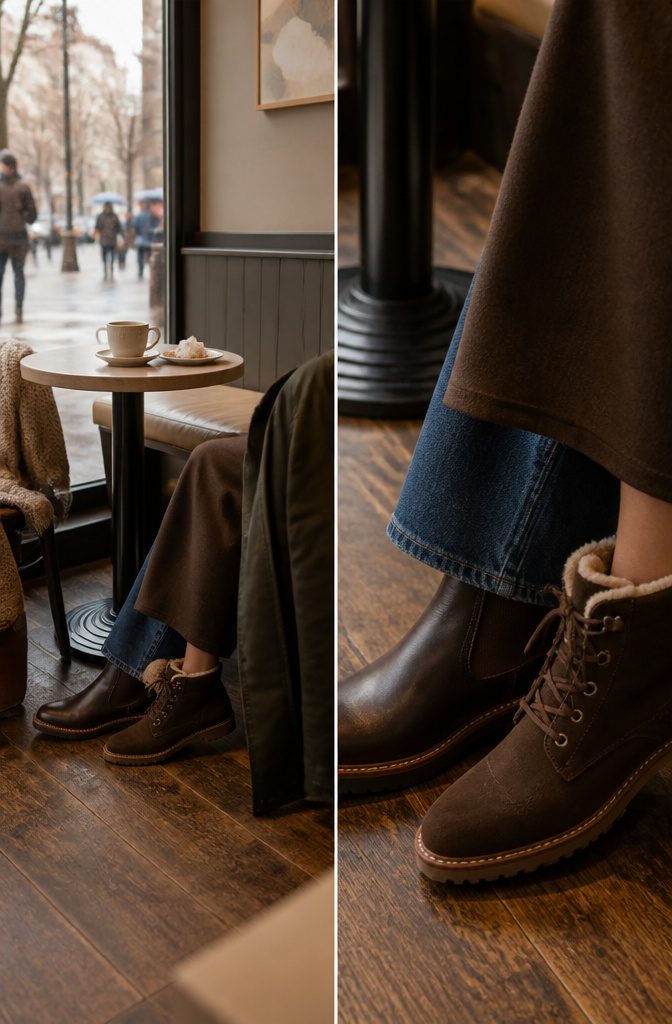
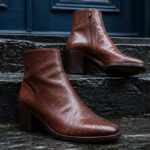
Chelsea boots and ankle styles pull most of the weight when appearance leads the brief.
They sit cleanly under straight-leg jeans or tuck beneath a midi skirt without the bulk that taller shafts carry, and pair as easily with a chunky sweater as they do with a dress and parka.
Lace-up designs in leather or suede add structure to leggings, and booties with faux-fur linings keep the look polished while still offering insulation against moderate cold.
Embellishments, buckles, stitching, a contrasting sole, give you enough detail to anchor an outfit without requiring a statement coat.
These work best when temperatures hover near freezing rather than well below it, since weather-resistant materials and a warm lining only go so far.
The trade is deliberate: you lose some of the protection a technical snow boot provides, but gain a boot that moves between a coffee run and an evening event without looking out of place.
Recommended Products

【Featuring a wide-width fit】 Winter boots accommodate swollen feet, bunions, or orthopedic needs without discomfort. The roomy toe box and flexible upper ensure a snug yet breathable feel, offering all-day comfort for various foot shapes while maintaining secure support in cold conditions

1.【Orthotic Arch Support Footbed】Engineered orthotic insole with arch support and deep heel cup evenly distributes foot pressure. It helps ease discomfort from plantar fasciitis, flat feet and overpronation during daily winter walking.

Black Chelsea Boots For Women: The Blundstone 1448 is a Voltan black leather ankle boot for women, designed in Australia, a clean and versatile black chelsea boot with a slightly higher, feminine shaft.
How Warmth and Insulation Work
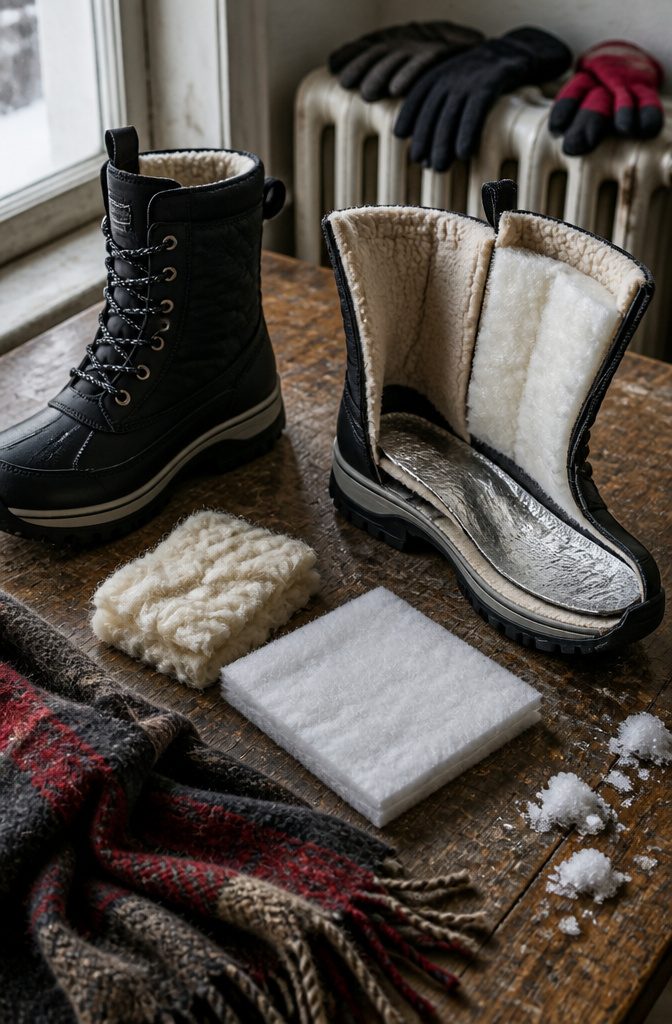
Insulation is what keeps your feet warm when the air outside drops, and the amount matters more than the brand name on the tag.
Boots sold for everyday cold typically hold 100 to 200 grams of insulation, enough for sidewalk commutes and running errands when it’s 20 or 30 degrees out.
Materials vary: Thinsulate compresses thin and still traps heat, synthetic fills mimic down without the bulk, and wool or fleece linings add warmth you can feel the moment you pull the boot on.
When you’re walking through deep snow or spending hours outside in single-digit cold, 400 grams or more moves from optional to necessary.
Some boots layer a foil-backed insole under the synthetic fill to reflect heat back toward your foot instead of letting it sink into frozen ground.
The difference shows up fast, a lightly insulated boot that works in December feels like nothing by February if the temperature keeps falling.
Recommended Products

ALL-DAY COMFORT with a 100% waterproof barrier allows moisture to escape without letting water in, keeping your feet dry and comfortable all day long

Durable water and wind-resistant,Cushioned footbed provides all-day comfort.

Water and Weather Protection
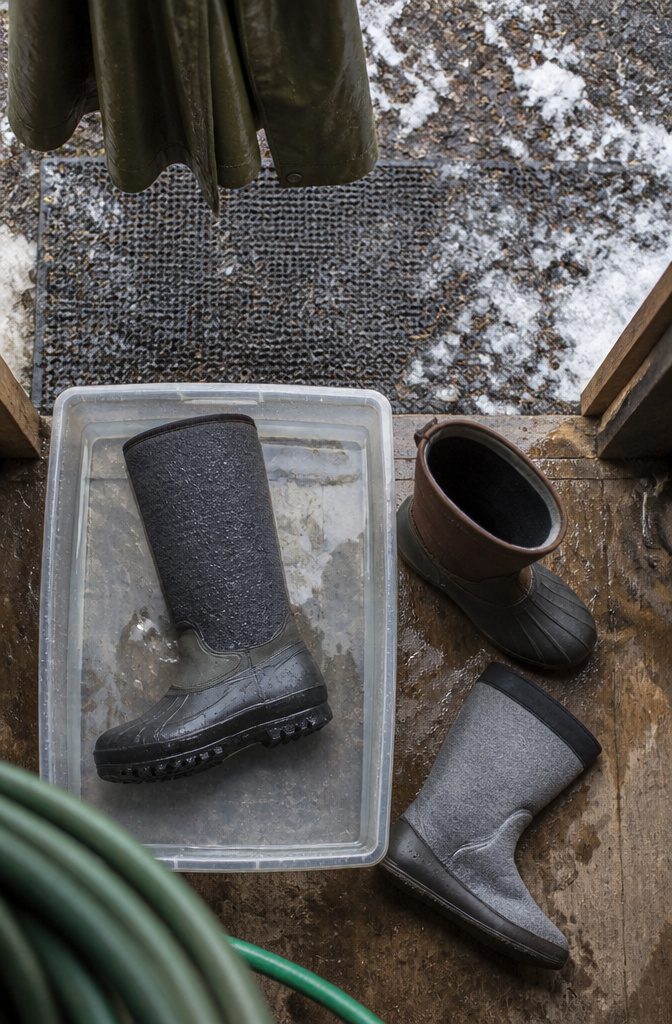
Waterproof construction keeps slush and standing water out, and the methods vary. Some boots rely on rubber shells that cover the lower half, others use treated leather uppers with sealed seams, and a few wrap the whole foot in neoprene.
OutdoorGearLab tested maximum puddle depth before leaking across 22 models, and the range ran from 5.5 inches to 17 inches, the Muck Boot Arctic Ice Tall held out longest, thanks to 8mm of scuba-grade neoprene and a 16-inch shaft that reaches just below the knee.
We tested them in blowing snowstorms, icy walkways, wet spring afternoons, and muddy pre-season puddles, noting which ones excelled.
That spread tells you which boots handle a wet commute and which ones you can trust in deeper snow melt. Many waterproof winter boots substitute for rain boots in cold weather, but dedicated rain boots are usually uninsulated.
If you want one boot for both, look for a waterproof winter boot with a removable liner so you can pull the insulation when temperatures climb.
Traction and Sole Grip
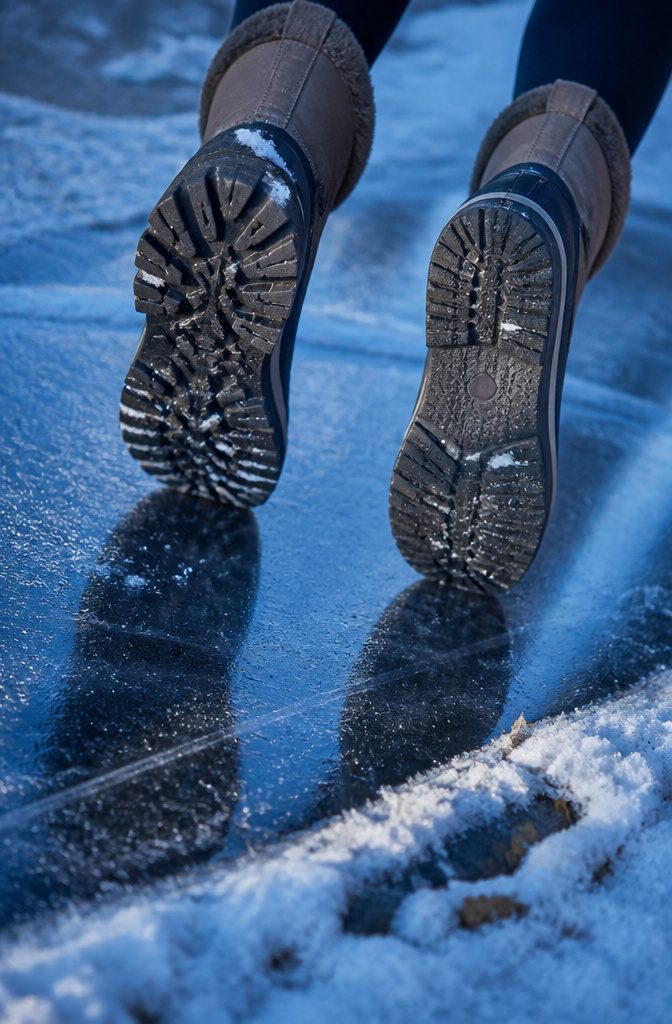
Rubber outsoles with deep lugs are the baseline for anything sold as a winter boot. Look for a sole described as having multidirectional tread, that means the pattern grips when you push forward and when you brake.
Snow boots at retailers like Shoe Carnival list deep tread as standard for walking on snow and ice, and it works well enough for cleared sidewalks and light snow.
For true ice grip, named systems matter.
Vibram Arctic Grip is the one that shows up in testing and in product descriptions at L.L.Bean and other serious winter brands. GearLab’s traction testing puts boots with Arctic Grip ahead of standard rubber when trails turn icy.
The Keen Revel IV Polar earned praise for grip on icy trails and uneven ridgelines, outperforming taller boots with more insulation but less aggressive tread.
If you walk on actual ice, parking lots, frozen sidewalks, driveways that stay slick all winter, look for Arctic Grip or a comparable system by name, not just "rubber sole."
Recommended Products

Warm Plush Lining: These womens winter boots for vacation feature a luxuriously soft plush lining and insole that insulate your feet from the cold, keeping you warm and comfortable all winter long.

Warm Fur Lining: These snow boots for women feature soft and warm short plush lining that completely wraps your feet, keeping them warm and comfortable all winter long.

FITTING TIPS: Customers with wide foot or thick socks, please order half size bigger.
Frequently Asked Questions
Recommended Products

Waterproof & Protection: Women hiking boots features Hydroshield Membrane waterproof mesh upper that keeps your feet cool and dry.

Water- Repellent & Warm Winter Boots: Keep your feet dry and cozy in any condition,These fully waterproof boots for women are built with advanced insulation,making them the best winter boots for women who need warm boots for winter,Perfect as snow boots for women comfortable and warm work boots for women.Not completely waterproof

B-DRY WATERPROOFING: A DWR-treated waterproof nubuck leather upper works with the breathable B-DRY liner to block outside moisture while allowing sweat vapor to escape, giving these women’s waterproof boots coverage for snow, slush and wet conditions.
How much insulation do I need in a woman’s winter boot?
For everyday cold and light snow, 100 to 200 grams of insulation is enough for sidewalk commutes and errands. When you’re walking through deep snow or spending hours outside in single-digit temperatures, 400 grams or more becomes necessary.
The difference shows up fast: a lightly insulated boot that works in December feels like nothing by February if the temperature keeps falling.
What should I look for in a waterproof winter boot?
Look for waterproof construction with sealed seams, a rubber outsole with deep lugs, and insulation suited to the conditions you’ll face.
Methods vary: some boots rely on rubber shells that cover the lower half, others use treated leather uppers with sealed seams, and a few wrap the whole foot in neoprene.
Maximum puddle depth before leaking ranged from 5.5 inches to 17 inches across tested models.
Can waterproof winter boots be used as rain boots?
Many waterproof winter boots handle wet conditions well and can substitute for rain boots in cold weather.
Dedicated rain boots are usually uninsulated and better suited for warmer, rainy weather. If you want one boot for both, look for a waterproof winter boot with a removable liner so you can pull the insulation when temperatures climb.
What is the difference between snow boots and ankle boots for winter?
Snow boots are taller, carry heavier insulation, and have deeper tread for serious winter conditions like deep snow and extended time in the cold.
Ankle boots sit lower, pair easily with jeans or skirts, and work better for everyday wear in lighter snow or wet conditions when temperatures hover near freezing rather than well below it.