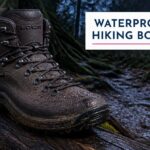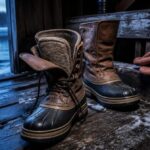
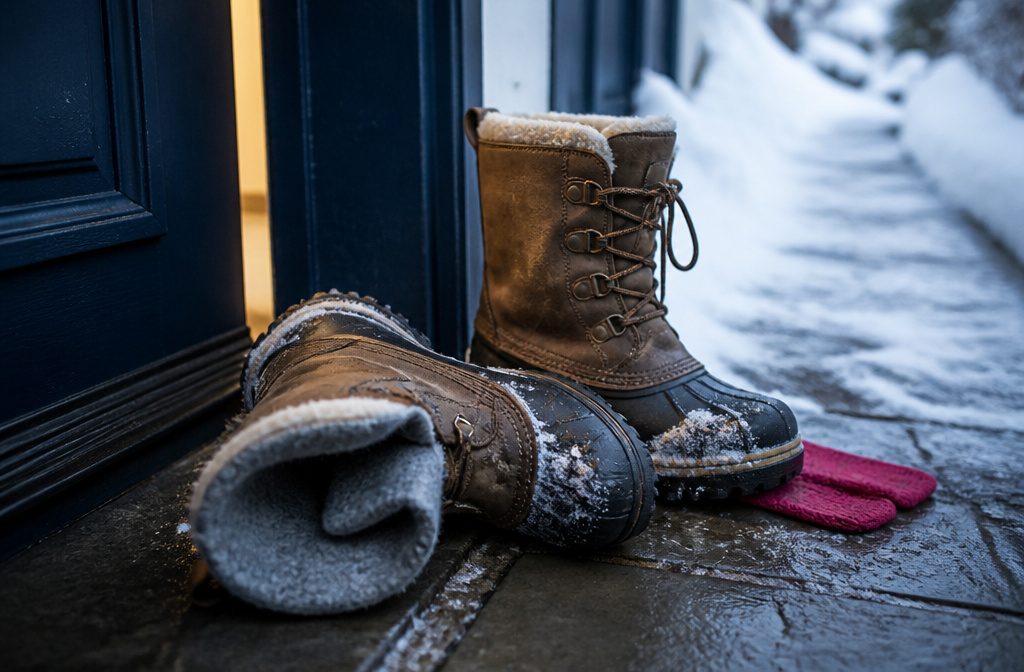
Insulated winter boots pack synthetic or natural insulation between the outer shell and inner lining to keep your feet warm when temperatures drop below freezing.
The amount of insulation matters more than the brand: 200 grams handles moderate cold down to around 20°F, while 400 grams or more keeps feet warm in subzero conditions.
SOREL’s Caribou, rated to -40°F with a removable 9 mm felt liner, stayed comfortable in testing at -20°F.
1. SOREL Joan of Arctic
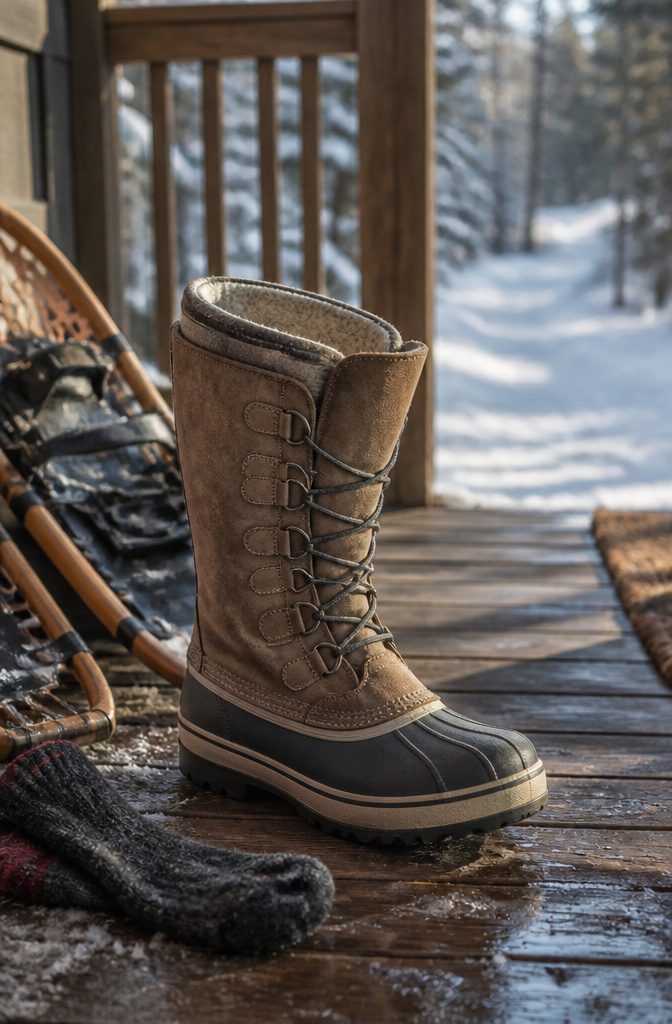
The Joan of Arctic from SOREL has earned its reputation through actual field use rather than hype.
At 12 inches tall, these boots seal out snow better than shorter options, while the vulcanized rubber base and waterproof suede upper handle slush and wet conditions without letting moisture through.
Inside, a 9 mm washable felt inner boot paired with 6 mm recycled felt lining delivers warmth that holds up through extended time outdoors, whether you’re snowshoeing, hiking, or just covering errands in single-digit temperatures.
What sets these apart is repairability. After eight years of wear from Maine to Alaska, the boots themselves held up well enough that replacing just the liner gave them several more seasons of use.
The grippy treads and gusseted tongue add practical details that matter on ice and in wind.
Sizing runs slightly large, so stick with your usual size if you plan to wear standard socks. These lean more toward sturdy work boot than fashion piece, which means they perform reliably rather than looking delicate.
2. SOREL Caribou
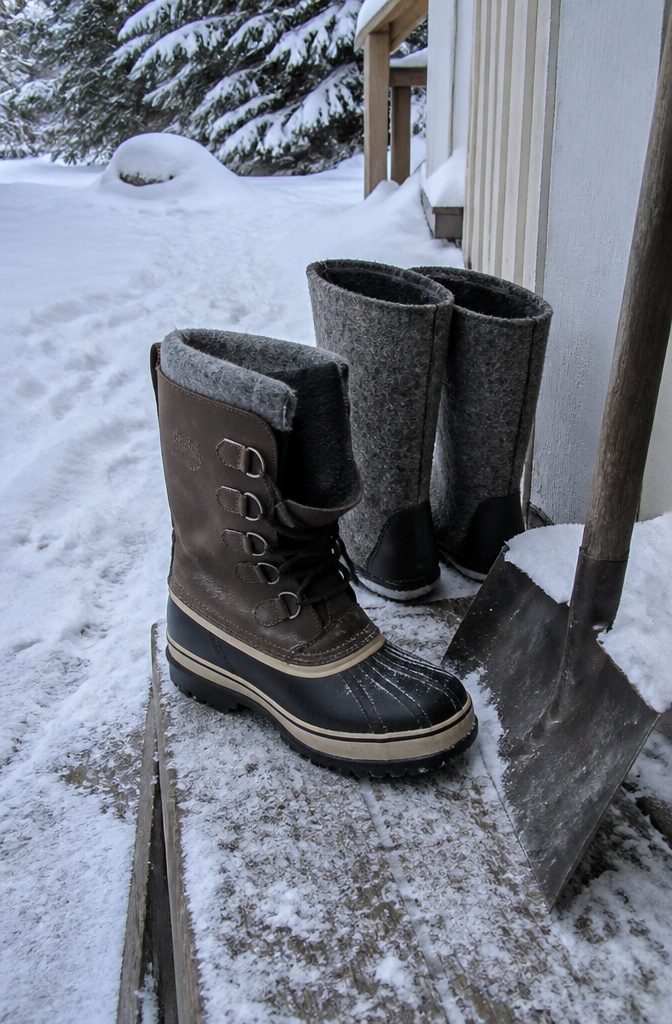
The Caribou has been keeping feet warm since the 1960s, and SOREL rates it to -40°F.
Testing confirms comfort down to at least -20°F, which puts it squarely in extreme-cold territory. The secret is a 9 mm washable felt inner boot with a snow cuff that sits inside the rubber shell.
Those liners pull out when you need to dry them or swap in a fresh pair, which matters after years of use.
The rubber sole grips packed snow better than most boots at this price point, thanks to deep lugs that actually bite. The mid-calf shaft and felt cuff keep snow and slush out even when you’re walking through drifts.
Durability backs up the warmth: pairs from the early 1990s are still in regular winter rotation, which is rare enough to be worth noting.
Fit runs narrow. Because the insulation sits on a removable liner rather than being sewn into the boot itself, the Caribou runs a little looser than boots with integrated insulation.
If you’re spending the day outside in genuinely bitter cold, that looseness is fine. For milder days, they can feel too warm.
3. L.L.Bean Women’s 8" Bean Boots
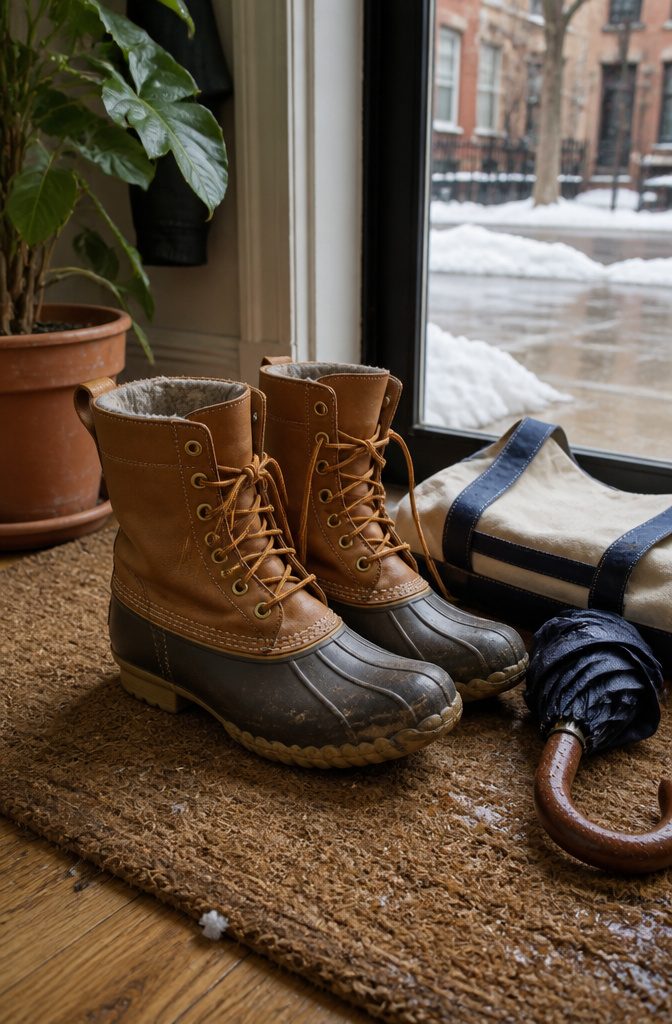
The 8-inch Bean Boot handles snow commutes and grocery runs better than serious trail work.
L.L.Bean offers it with PrimaLoft or shearling lining, plus multiple heights and colors if the standard eight inches feels too tall or too short for what you own.
The rubber-and-leather design has held up since 1912, and the boots are still made in the United States.
The leather upper needs breaking in before you take them on a long hike. Straight out of the box, the material sits stiff enough that an all-day walk will leave your feet sore.
For around-town errands and office wear, though, they work immediately: the look translates across settings without reading as too outdoorsy or too polished.
If you wear a half size, order down half a size when planning to wear light or midweight socks. L.L.Bean’s exchange policy makes sizing adjustments straightforward if the first pair doesn’t fit right.
Demand runs high enough that popular configurations can be backordered by the hundred thousand, so order early if you need them by a specific date.
4. Oboz Bridger 9" Insulated B-DRY
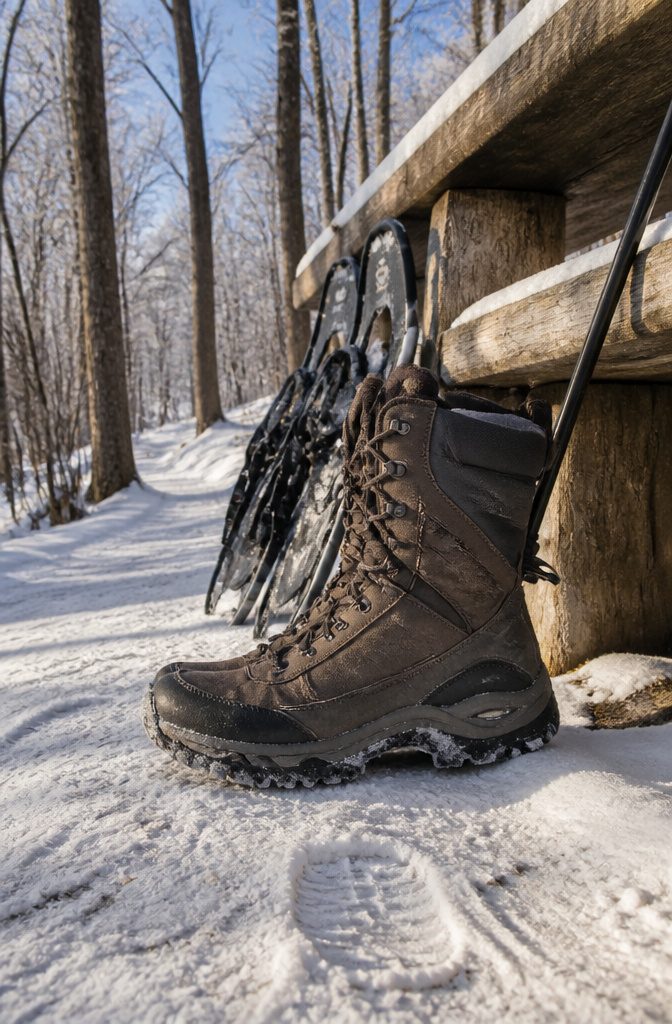
The Oboz Bridger 9" grips ice better than any other boot in this list. That grip comes from a tread pattern Oboz built for hiking on frozen trails, and it holds on snowy pavement just as well.
The boot carries 400 g of Freeze Guard insulation (3 mm thick), which keeps feet warm through long stretches outside without adding bulk that fights your stride.
The 9-inch shaft gives ankle support solid enough for snowshoeing or working outside in deep snow.
That height and the stiff sole make the Bridger feel like overkill for a quick errand, but if you spend hours on your feet in winter, the support pays off.
Sizing runs small, so order up. The boot sells out often, which means checking back if your size is gone.
5. The North Face VECTIV Fastpack Insulated Mid
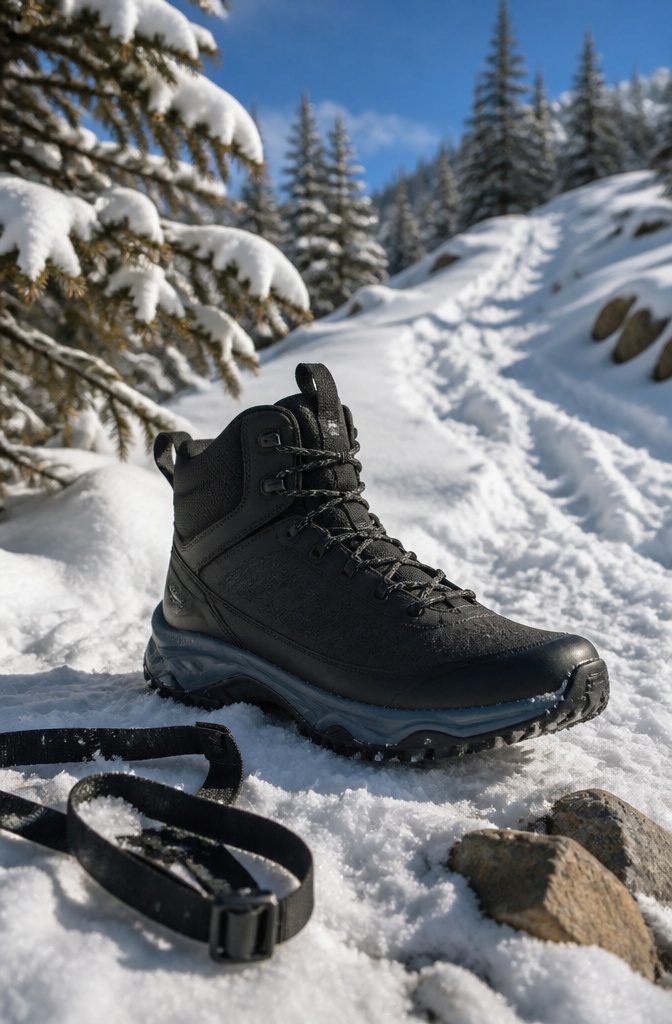
The North Face VECTIV Fastpack Insulated Mid sits at the lightweight end of winter hiking boots, closer to a trail runner than a heavy mountaineering shell.
The 200 g Heatseeker synthetic insulation keeps feet warm down to 10–20°F as long as you stay moving.
Standing still in single digits will leave you cold. The mid-height shaft runs 4–6 inches depending on size, enough to seal out snow without the bulk of an 8-inch boot.
The rocker midsole smooths out your stride on uneven trail, and a TPU plate under the forefoot adds propulsion while blocking sharp rocks.
The standout detail is a small knob molded into the heel cup that catches snowshoe straps and stops them from sliding down mid-hike.
Pull tabs on both the tongue and heel make it easy to yank the boots on when your hands are stiff.
When fully saturated the midfoot and toe box protection drops off somewhat, and the women’s version can be hard to track down in stock.
6. Columbia Ice Maiden II
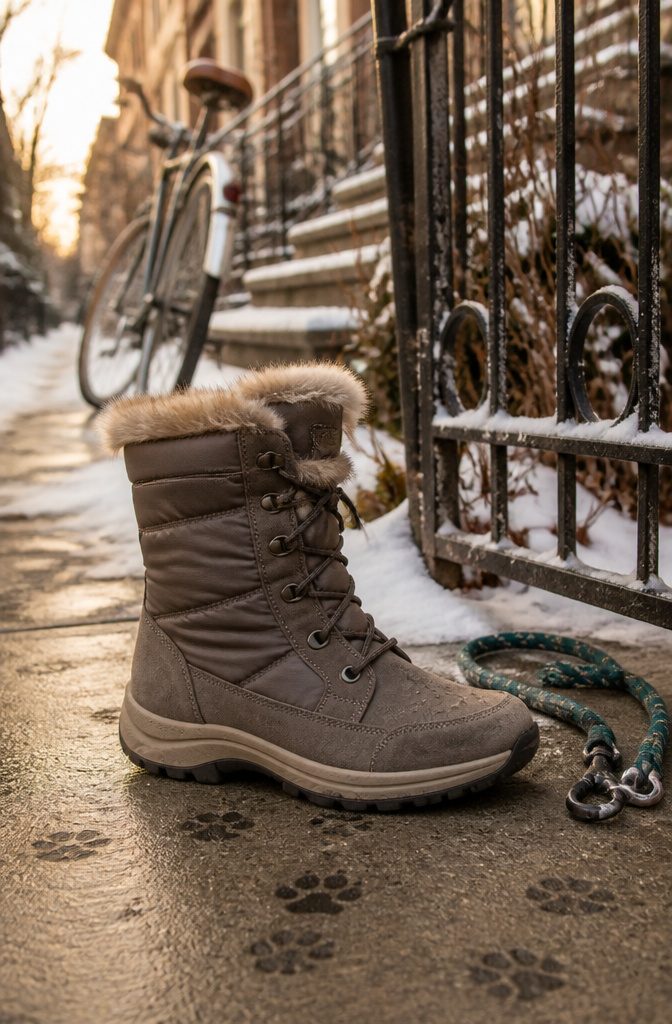
The Ice Maiden II runs between $45 and $110 depending on the color you choose, making it one of the least expensive women’s winter boots that still handles the basics.
You get 200 grams of insulation, a microfleece liner, faux fur at the collar, and a waterproof upper in suede and nylon.
The sole is thick enough to block cold from below without turning the boot into something you wear only in a blizzard.
I’d pick this for a week at a ski resort or for daily errands and dog walks in moderate cold.
It is not built for the coldest climates, and the traction could be better on ice, but for what most people actually do in winter (parking lot to grocery store, sidewalk to office) the warmth sits right where it needs to without becoming overkill.
7. Baffin Chloe
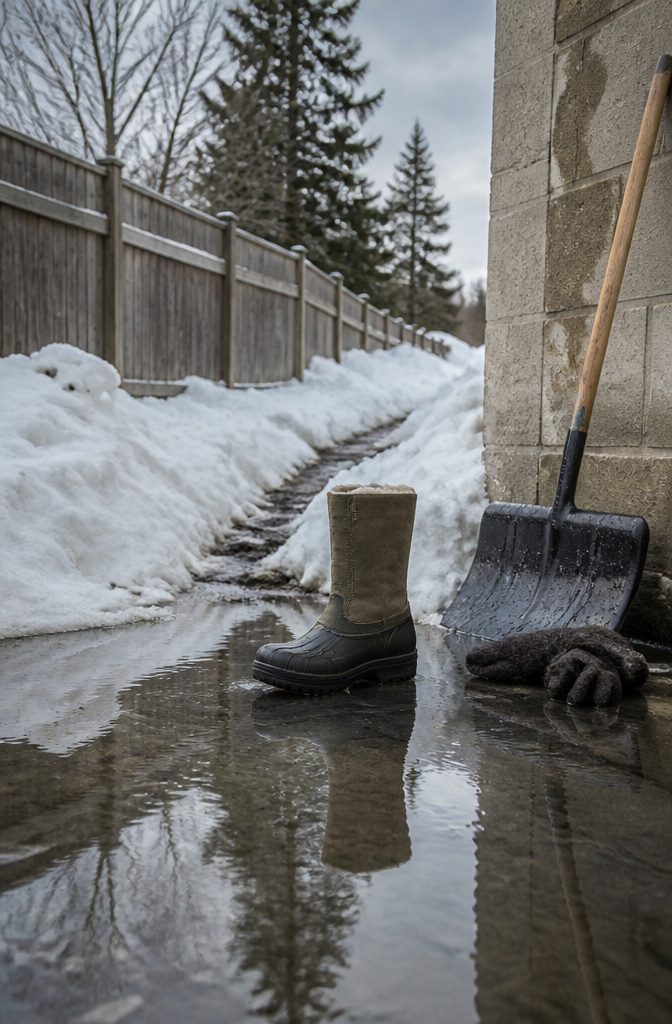
The Baffin Chloe weighs 3 pounds 3 ounces per pair in a size 9, which puts it solidly in the heavy-boot category but still lighter than many tall waterproof options.
That weight comes with serious performance: the 10-inch shaft kept snow out during deep-drift testing, and the boot stayed dry through puddles up to 9.5 inches deep before any major leaking showed up.
The multi-layer insulation system uses hollow-fiber B-Tek Heat with a polyester-wool blend that held warmth without trapping too much moisture inside.
Traction held on ice, coverage handled serious weather, and the suede upper sealed well enough that wet conditions never made it to the lining.
If you need taller coverage, the Muck Boot Arctic Ice has a 17-inch shaft, but you pay for it with nearly 2 extra pounds of boot.
8. Columbia Minx Shorty IV
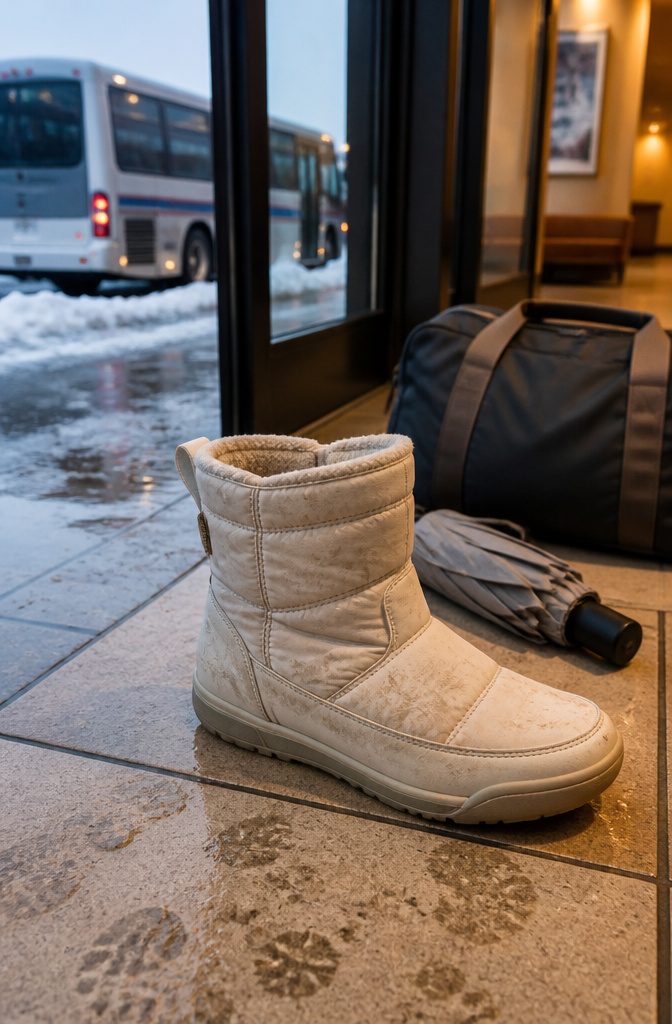
The Minx Shorty IV weighs 1 lb 12 oz per pair in size 9, making it one of the lighter options for casual winter wear.
Its flexible build feels closer to a sneaker than a traditional winter boot, which makes it comfortable for errands, light walks, and travel days when you need something that won’t weigh you down.
The 200 g synthetic insulation and Omni-Heat reflective lining keep feet warm in snowy conditions without the bulk of heavier pac boots.
The Omni-Tech waterproof membrane and DWR-treated upper handle slush and light snow well, but the 6.5-inch shaft is the limiting factor: moisture creeps in during heavier storms or when you’re walking through anything deeper than 6 inches.
If the fabric does get soaked, the light-colored upper shows visible water stains once it dries, so this is not the boot for deep drifts or extended time in wet snow.
9. The North Face Shellista VI
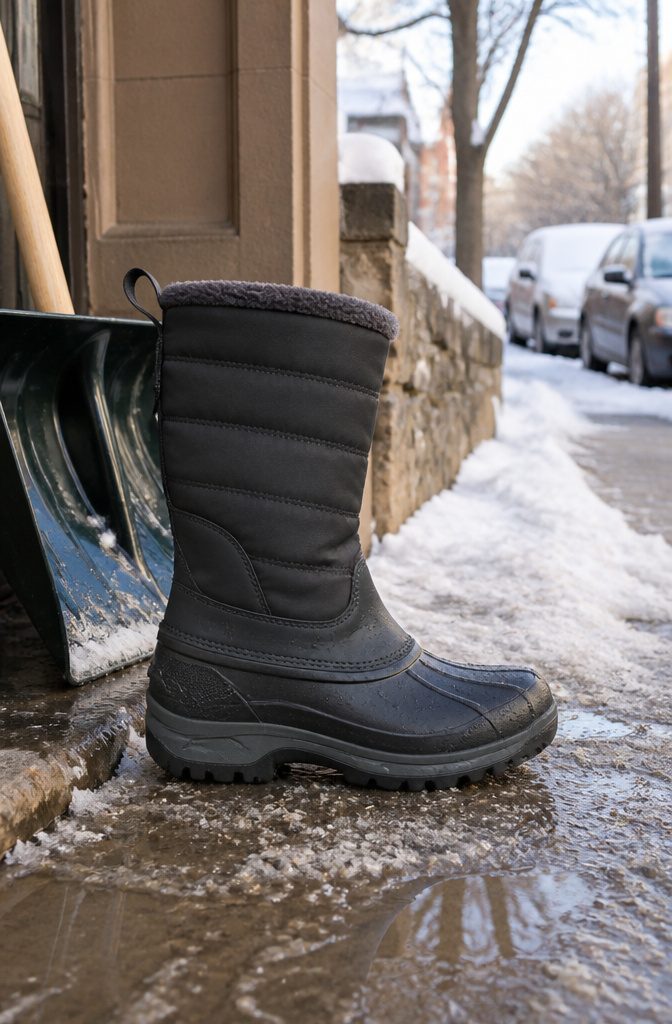
The Shellista VI delivers 200 grams of Heatseeker Eco Pro insulation in a boot that looks more pulled-together than most winter styles manage.
Seam-sealed waterproofing and a molded rubber shell kept feet dry through hours of shoveling and wet walking in tests, and the 10-inch shaft height offers enough coverage for deeper snow without the bulk of a full snow boot.
At 2 pounds 16 ounces per pair in a size 9, it sits heavier than casual boots but lighter than technical hiking models.
The soft fleece lining warms up fast, and the midsole has enough stiffness to handle icy pavement and uneven ground without feeling rigid indoors.
Waterproofing held up to a 7-inch puddle depth before leaking became an issue, sufficient for most daily winter conditions short of trail crossings.
The Shellista works best for errands, commutes, and light outdoor tasks where you want warmth and weather protection without looking like you’re heading into the backcountry.
Long trail days call for something with more breathability and hiking-specific support, but for moving between car and destination in cold weather, this boot covers the ground.
10. Muck Boot Arctic Ice Tall AGAT
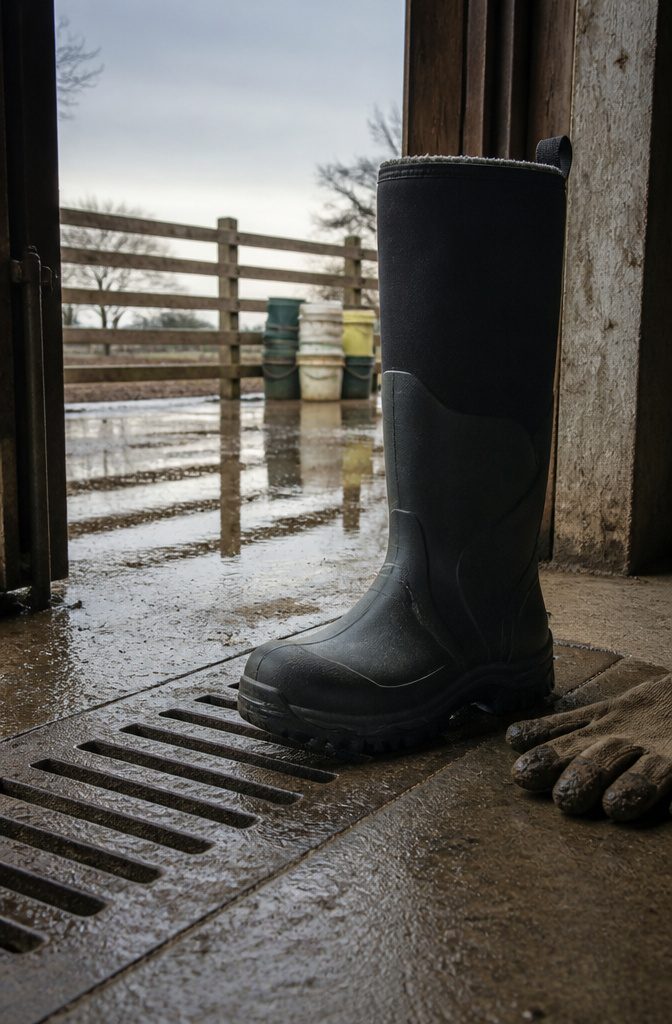
The Muck Boot Arctic Ice Tall AGAT packs 8 mm of neoprene wrapped in fleece lining, built for work in standing water and sub-zero cold.
The 16-inch shaft reaches just below the knee, which gives you full-leg coverage when wading through slush or stepping into deep puddles.
In puddle testing, this boot held up to 17 inches of water before major leaking started. Warmth held even when fully submerged in icy water, feet staying warm inside that thick neoprene layer.
The tradeoff sits on the scale: 5 pounds 1 ounce per pair in size 9 makes this one of the heaviest boots tested.
If you need that tall shaft for farmwork, kennel chores, or flood cleanup where standing water is part of the job, the weight earns its place.
If you’re walking miles in snow rather than standing in muck, lighter boots with shorter shafts handle better.
11. Keen Revel IV Polar
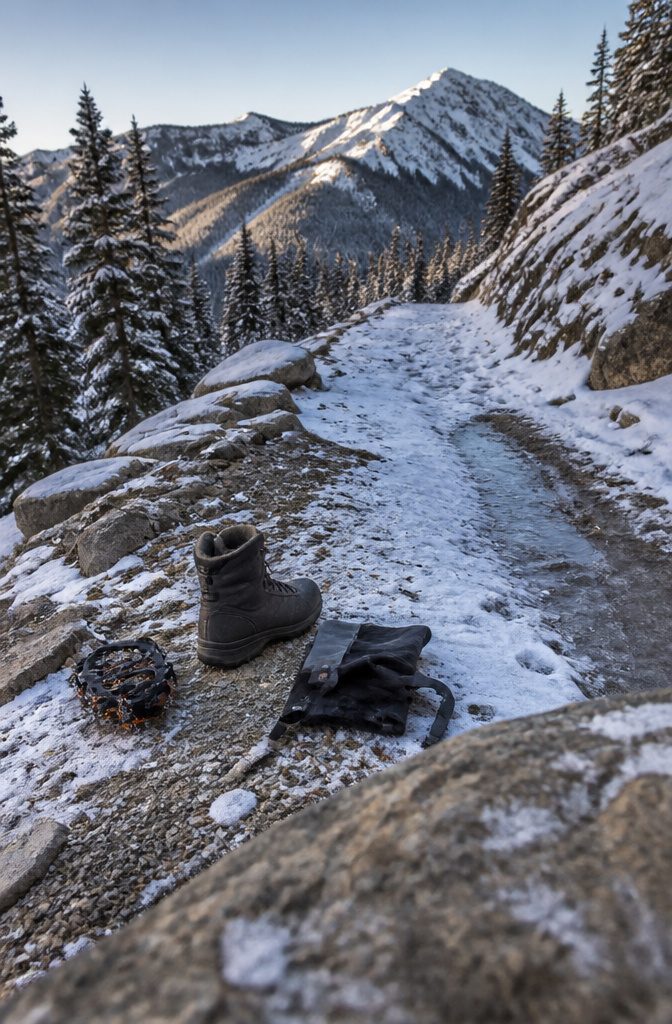
The Keen Revel IV Polar handles the work a proper winter hiker should: 200 g KEEN.WARM Recycled PET insulation keeps your feet warm without the bulk that makes long trail days miserable, and the traction grips icy trails and uneven ridgelines better than street-ready options manage.
At 2 lb 12 oz per pair in a size 9, they feel substantial without dragging, and the 6-inch shaft pairs cleanly with gaiters or microspikes when conditions turn serious.
The boot stays dry through 5.5 inches of slush and standing water, which covers most trail puddles but not deep snowpack; for that, you want something with 400 g insulation and a taller shaft.
Where the Revel wins is comfort over distance: the roomy fit accommodates thick socks, and the hiking-specific build means you can wear them all day without the stiffness that comes with heavier winter boots.
They work with snowshoes, handle uneven terrain, and look decidedly technical: fine if you live in this gear, less so if you want something that reads as casual footwear.
12. Baffin Escalate X
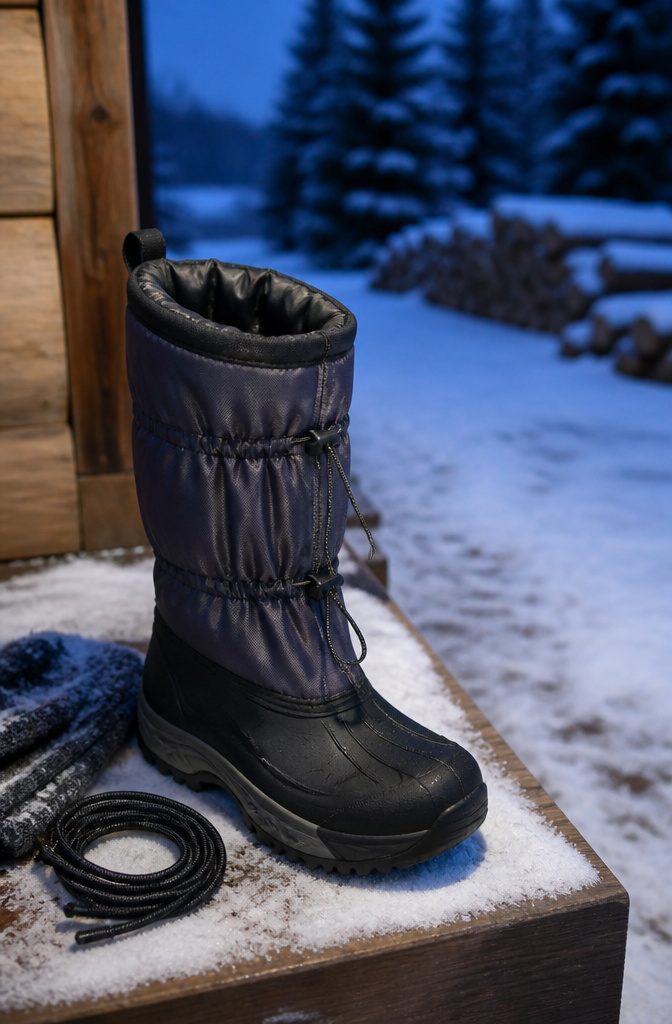
The Baffin Escalate X weighs 1 lb 9 oz per pair in a size 9, which makes it the lightest option in this roundup despite an 11-inch shaft that covers more leg than most packable winter boots manage.
Baffin’s B-Tek Heat insulation keeps feet warm in the coldest temperatures without the bulk that usually comes with that kind of protection. The boot handles puddles up to 11.5 inches deep before water breaches the seal.
The lacing system uses a bungee cinch that takes a few tries to dial in but holds once you do.
Getting the boot on and off is harder than it should be, and the fixed-fit inner boot system does not dry quickly once wet inside. If you prioritize weight and warmth over convenience, this is the boot that delivers both.
13. Merrell Insulated Boots
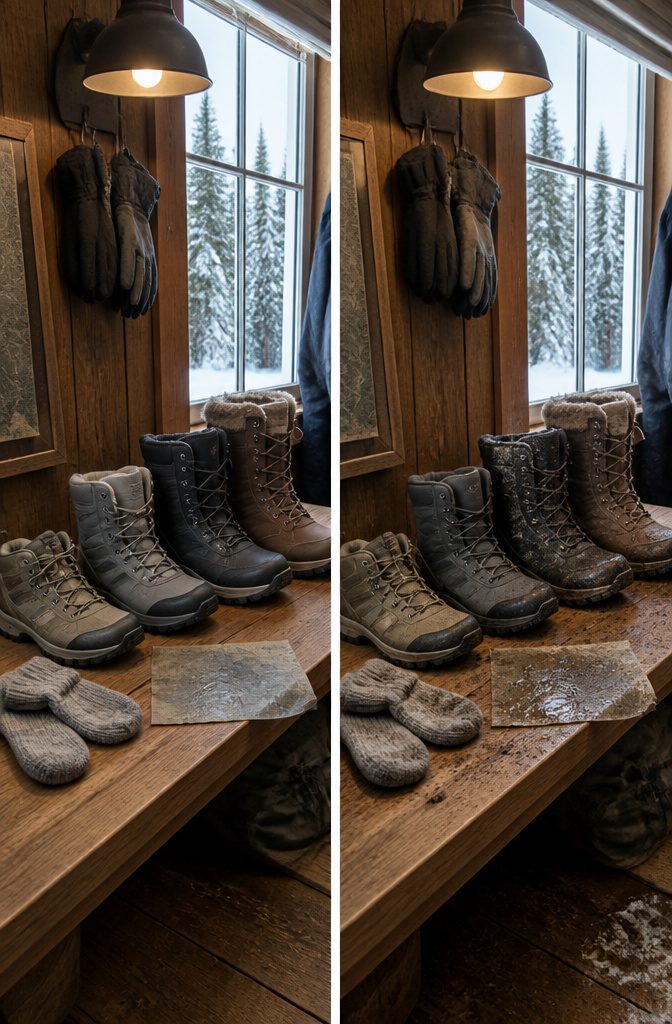
Merrell sorts its boots by insulation weight rather than leaving you to guess: 100 grams gets the Warm label, 200 grams moves up to Warmer, and anything above 400 grams lands in the Warmest tier.
The system makes it straightforward to match a boot to your climate without decoding spec sheets.
The catalog includes the Women’s Siren 4 Thermo Mid Zip Waterproof, Women’s Thermo Snowdrift Zip Mid Shell, Men’s Coldpack 3 Thermo Tall Zip Waterproof, Men’s Coldpack 3 Thermo Mid Waterproof, and Men’s Thermo Akita Mid Waterproof.
Prices run from $74.99 to $200, which puts options within reach whether you need light trail insulation or something built for prolonged exposure in single digits.
14. Winter Work Boots
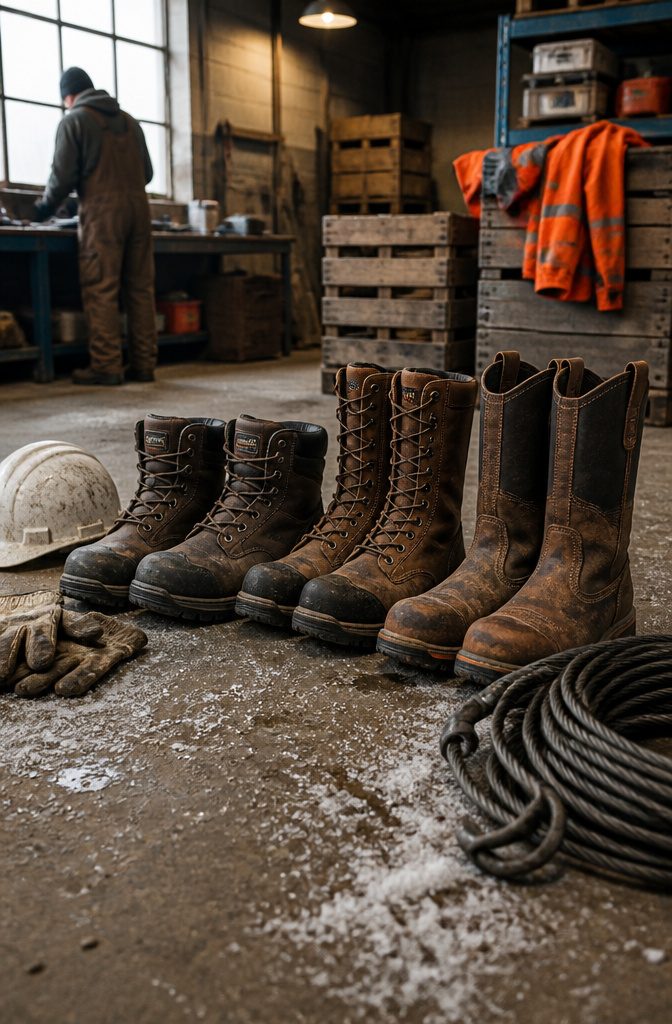
The Timberland PRO Direct Attach 6" with 200 grams of insulation and a steel toe runs $180 at DICK’S Sporting Goods, and reviewers report minimal break-in time and decent warmth for warehouse shifts.
Carhartt’s Rugged Flex 8-inch with 400 grams of insulation and an alloy toe costs $199.99; the extra insulation kept feet warm without sweating through twelve-hour days.
For taller coverage, J Harlen stocks boots from 8 inches up to 16, including Hall’s 10-inch waterproof composite-toe patch boot at $517.90 and the Ariat Powerline H2O 400g pull-on at $279.95.
Most work boots in this range carry electrical-hazard ratings and either steel or composite toes. Budget $100 to $200 for basic insulated steel-toe models, $500 or more for lineman boots with dielectric protection and logger-height shafts.
15. Men’s Waterproof Winter Boots
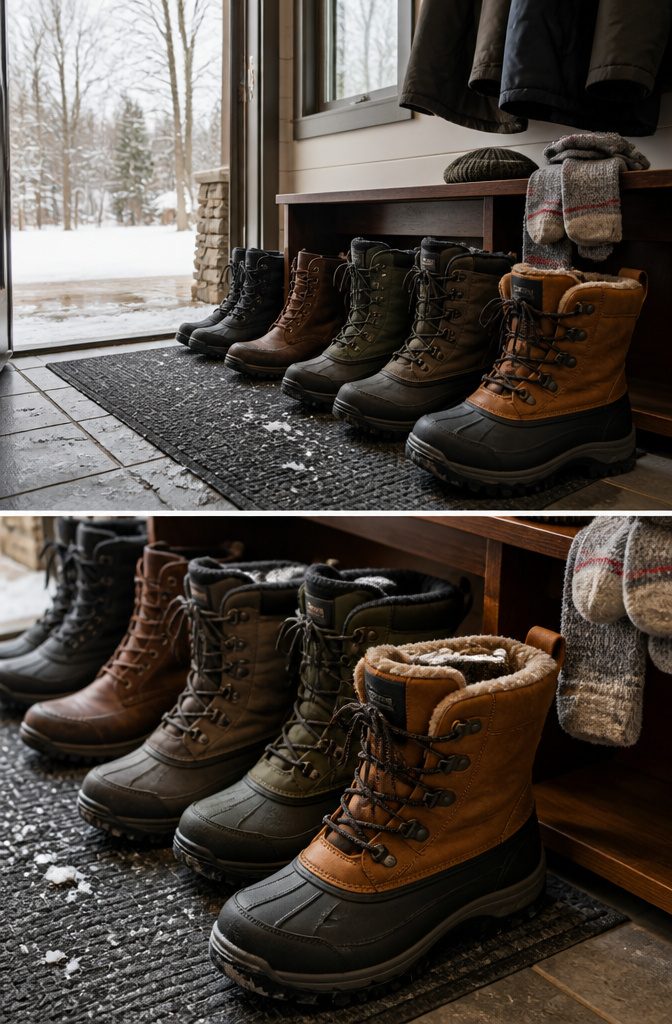
DICK’S stocks men’s insulated boots across casual, hiking, and work categories, with brands including The North Face, Timberland, Columbia, Carhartt, Sorel, Danner, and UGG. Columbia’s Fairbanks Omni-Heat 200g runs $130 and gets consistent praise for staying lightweight while delivering warmth.
Buyers report no break-in period and enough insulation for Iowa deer season. The Burnsider Omni-Heat Infinity sits at $129.99 and performs well in Michigan winters.
Reviewers call out waterproofness, foot support, and comfort across both models, though the Fairbanks tends to run about half a size small compared to low-top versions. For heavier insulation, the Bugaboot Peak with 400g is $179.99.
Frequently Asked Questions
How are insulated winter boots tested?
Boots are field-tested through hundreds of hours of wear in snow and cold, including submersion in cold water to check waterproofing and ice-bath temperature testing to measure insulation performance.
Testing covers multiple climates and includes daily wear, outdoor work, and recreational activities to assess real-world durability and warmth.