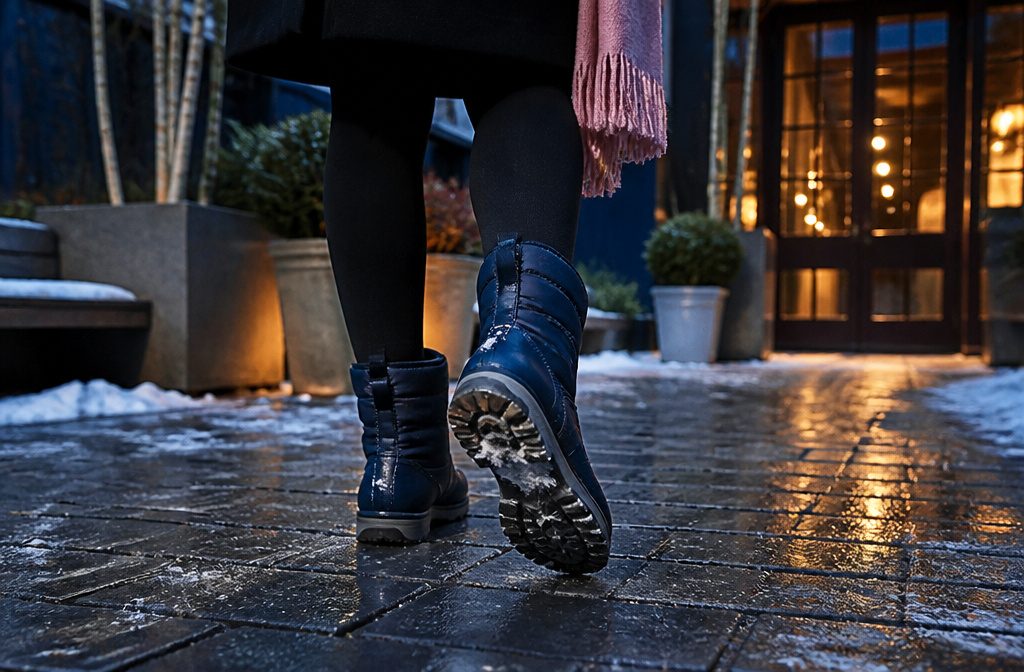
Winter shoes for women need to stop snow and cold without forcing a choice between traction and style.
The difference between a $70 boot that works for errands and a $250 pair built for daily pavement wear comes down to insulation weight, waterproof construction, and whether the sole grips wet ice or just looks like it should.
Columbia’s Minx Shorty III holds a temperature rating of -25°F at $120, which puts most city winters well inside its range.
1. Dress and Office Boots for Winter
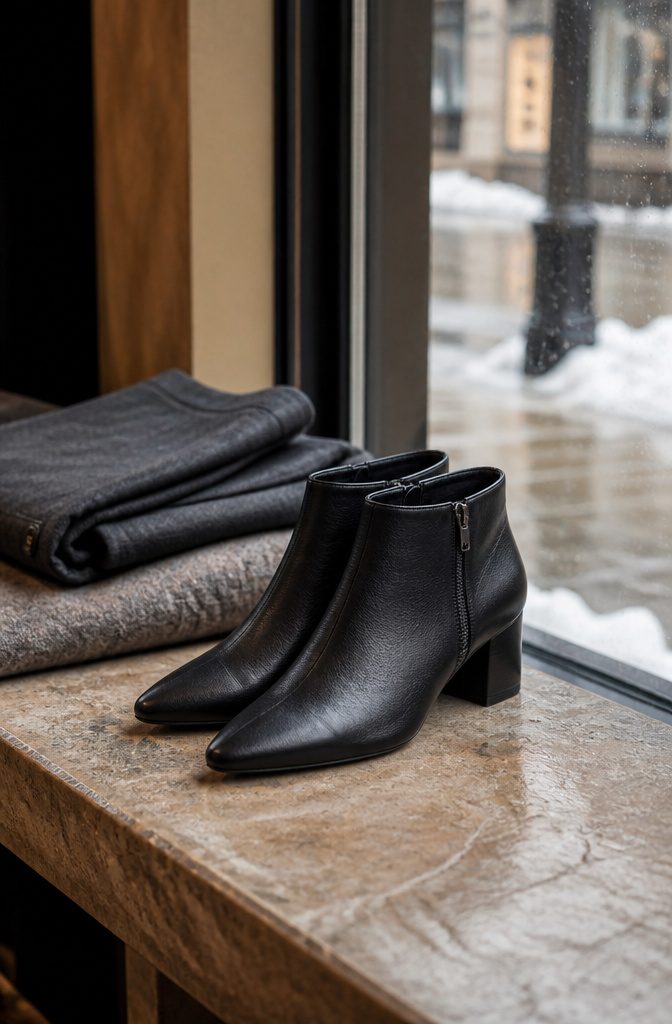
The Andre Assous Winter Dress Bootie at $104 handles the gap between office-appropriate styling and actual winter weather.
The 2 1/5-inch block heel keeps you stable on slick pavement without reading as casual, and the pointed toe works under trousers or with a wool skirt.
Leather upper and outsole mean it breathes better than synthetic booties that trap moisture by midday, though leather also needs more care when salt stains show up after a snowy commute.
The side zipper makes these faster to get on than lace-up boots, which matters when you’re switching out of commuting shoes at your desk.
They sit at ankle height, so they pair cleanly with cropped or full-length pants without the bulk of a taller shaft.
For dressier winter errands or client meetings where sneakers won’t cut it, a bootie like this one bridges the formality without pretending to be a pump.
Recommended Products

Fashion Outlook: Designed with round toe ,lace-up and chunky stacked block heel, these stylish ankle boots for women are roomy and wide for toe box and can easily match with any outfit in your wardrobe to create a chic looking, such as jeans, dresses, slacks, skirts, tights, leggings, dress pants, work pants, uniform, sweater, etc.

Made from 85% Bamboo Rayon + 7% Cotton + 5% Polyamide + 3% Spandex. Thickness between thin and medium, moisture wicking, odor control

Material: Chelsea wedge boots feature premium nubuck leather and soft suede, which is comfortable and lightweight with good stretch, meeting your various needs.
2. Slip-On Boots and Chelsea Styles
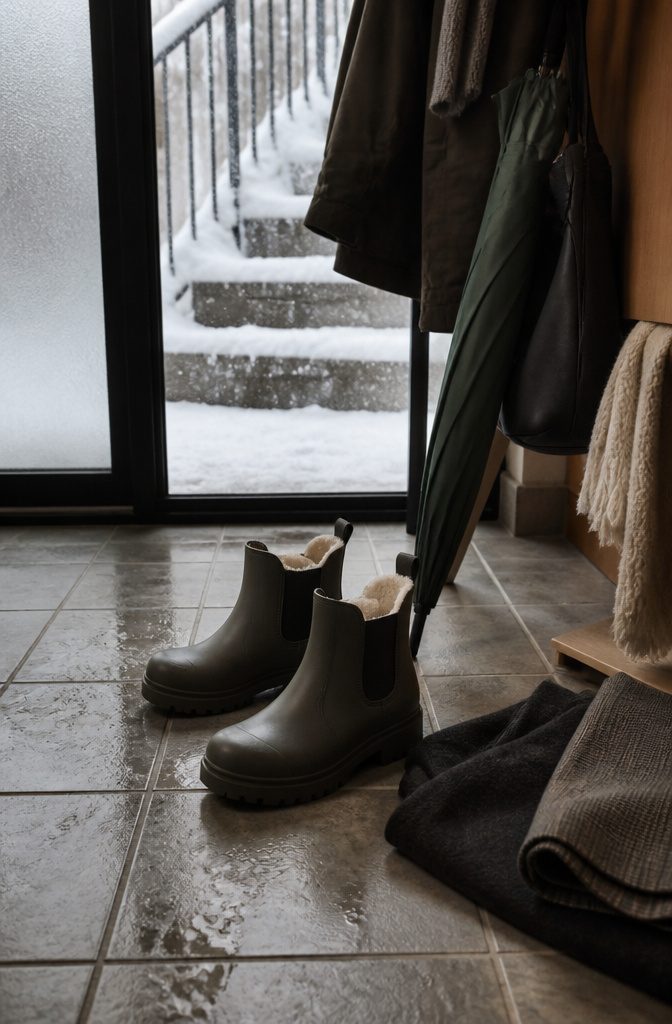
The Sperry Torrent Chelsea gives you waterproof protection at $78 with a rubber upper that sheds snow and a micro-fleece lining warm enough for most winter errands.
The lugged outsole grips wet pavement better than a flat sole, and the slip-on design means you’re not crouching in a slushy entryway fumbling with laces.
It pairs cleanly with wool trousers or tights under a skirt, which matters if you’re pulling double duty between the office and weekend plans.
Dansko’s Mitzy reaches $190 but adds lamb fur from Australia and a side zipper that opens the shaft wider than a pure pull-on allows.
Blundstone’s BL1477 sits at $250 with Thermal Thinsulate insulation and the same Chelsea silhouette, though the brand recommends going up a half size if your foot runs wide.
The higher price buys a boot built to last years on concrete, which offsets the upfront cost if you’re on your feet most of the day.
Recommended Products
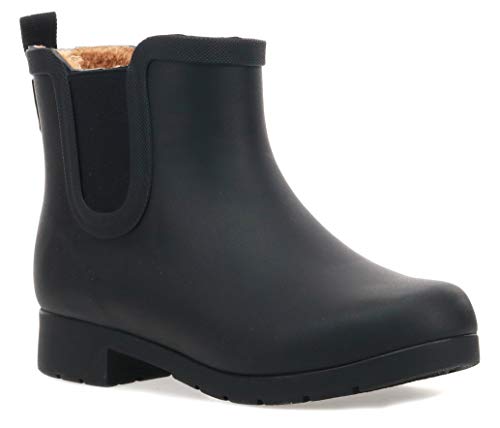
Slim Chelsea Fit: Sleek ankle-boot silhouette; Runs small, recommend sizing up

【Selected material】:The rain boots are made of high quality PVC environmental protection material, no aging, no degummy, no odor, and strong durability.
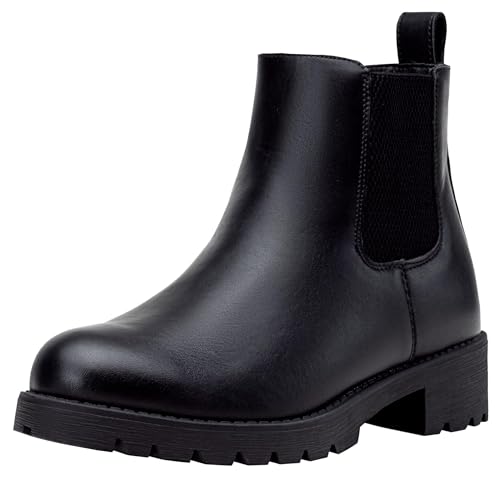
[CHELSEA ANKLE BOOT STYLE]: Designed as women's flat boots with a clean round toe, elastic side panels, and a pull-on profile, these booties bring an easy casual dress look to jeans, leggings, skirts, and fall outfits
3. Walking Boots Built for Winter Pavement
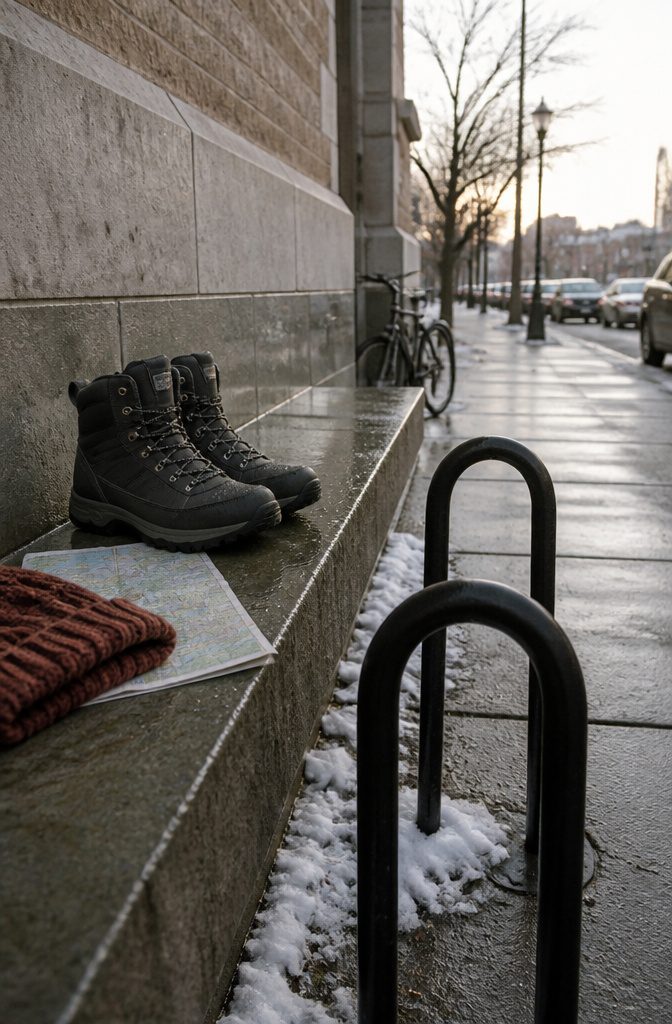
The KEEN Kaci III Winter Mid Waterproof handles city walking at $165 with a lace-up closure that holds your ankle stable on uneven pavement and a protective toe cap that takes the hits curbs and bike racks dish out.
The cushioned footbed uses probiotic technology, which keeps the interior fresher after weeks of wear than untreated linings manage.
Merrell filters its winter line into purpose: 28 hiking boots if you need trail-grade traction, 15 all-day wear boots when the route stays paved.
The walking category sits between those two, built with waterproof uppers and enough insulation for cold mornings without the weight hiking boots carry.
Vibram Arctic Grip soles grip ice better than standard rubber, though you still walk carefully on black ice no matter what the sole promises.
Recommended Products

Experience Unmatched Comfort: Step into luxury with Juicy Couture Women's Slip On Winter Snow Boots. Featuring a plush faux fur lining and cushioned insoles, these boots provide superior warmth and comfort for all-day wear during the coldest months.

Experience Unmatched Comfort: Step into luxury with Juicy Couture Women's Slip On Winter Snow Boots. Featuring a plush faux fur lining and cushioned insoles, these boots provide superior warmth and comfort for all-day wear during the coldest months.

Experience Unmatched Comfort: Step into luxury with Juicy Couture Women's Slip On Winter Snow Boots. Featuring a plush faux fur lining and cushioned insoles, these boots provide superior warmth and comfort for all-day wear during the coldest months.
4. Casual Winter Boots for Everyday Wear
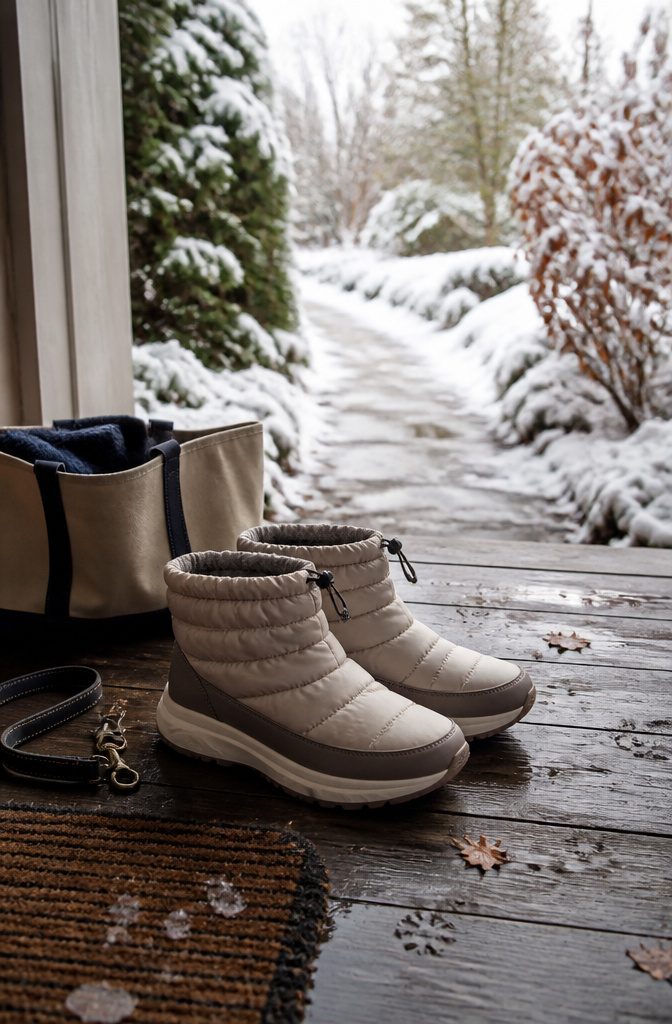
The PUMA Snowbae Winter Boots run $70 and translate puffer jacket logic straight to your feet: quilted textile upper, warm lining, cushioned footbed, and a drawstring closure at the top that cinches against drafts.
The round toe and mudguard handle slush without looking technical. They work for errands, dog walks, and the parking lot to office door stretch when dress boots stay at your desk.
The North Face Thermoball Traction Bootie sits at $69 and builds in at least 20% recycled materials without compromising on water resistance or warmth.
It slips on fast, grips wet pavement, and packs small enough for a tote if you’re switching shoes midday. Both lean casual enough for jeans and a sweater but structured enough that they don’t read as gym shoes.
For something with more heft, the SOREL Explorer II Carnival Cozy starts at $140 and uses suede leather sourced from a Bronze-rated tannery.
That rating tracks environmental and labor practices one tier above baseline. The boot sits between a sneaker sole and a hiking tread, so it handles varied surfaces without feeling like overkill on cleared sidewalks.
Recommended Products

WATERPROOF: Stay dry in any weather with these waterproof seam-sealed membrane bootie construction. Designed to keep your feet protected from rain and snow
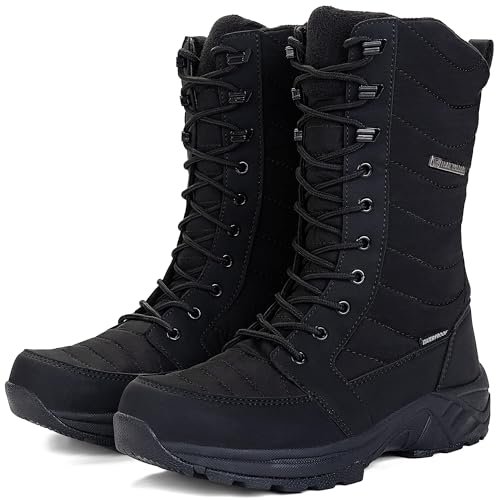
The upper of winter boots for women is made of waterproof synthetic leather and textile fabric. The waterproof membrane prevents water from entering and volatilizes water vapor.

Snow boot featuring a woven collar with dual adjustable buckle straps;
5. Snow and Hiking Boots for Trails
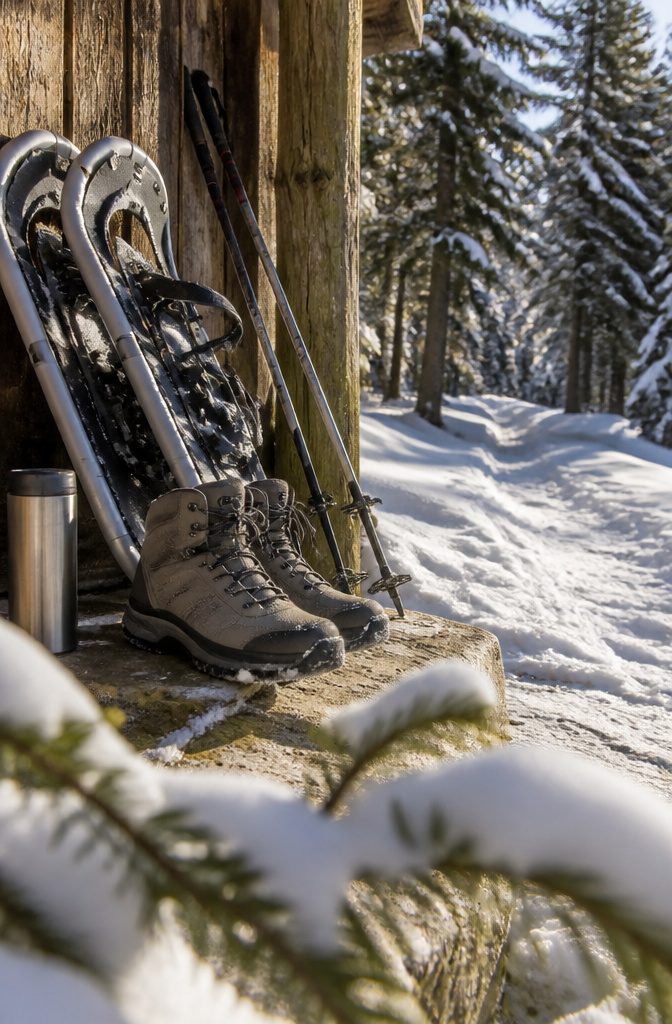
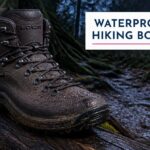
Merrell’s Antora Sneaker Boot sits at $150 and walks the line between trail runner and winter boot, with Vibram MegaGrip outsoles and M Select WET GRIP technology that keeps traction honest on wet rock and packed snow.
The waterproof membrane seals out slush while letting sweat escape, which matters more on a long snowshoe trek than most boot descriptions admit.
Merrell’s site lists 28 hiking boots and 12 built specifically for snowshoeing, so the category runs deep if you need more insulation or a stiffer sole.
Salomon offers three waterproof models worth comparing. The Shelter sits at $140 and covers light snow and trail hiking without extra bulk.
The Crosstrak Powder Waterproof costs $200 and adds insulation for deeper cold. The X Ultra Snowpilot Waterproof lands at $170 and bridges the gap, built for variable conditions where you might hit ice in the morning and mud by afternoon.
All three use aggressive tread patterns, and the price differences track with how much warmth and technical grip you actually need rather than what sounds rugged.
Recommended Products

Warm Fur Lined Comfort:These womens winter boots use 200g insulation and soft faux fur lining to create a cozy feel for cold weather, making them suitable as snow boots for women during daily walks and winter outings.

SMOOTH UPPER: Women's ankle boots are made of comfortable PU leather, smooth leather, not easy to wrinkle, very soft to the touch. Provides unrestricted comfort while visually lengthening the leg line.

[Waterproof & TPR Shell] Soft fabric upper with waterproof TPR shell effectively blocks snow/rain while allowing moisture to escape. [Tested] Researcher walked 16Km in snow with dry feet
6. Waterproof and Water-Resistant Winter Boots
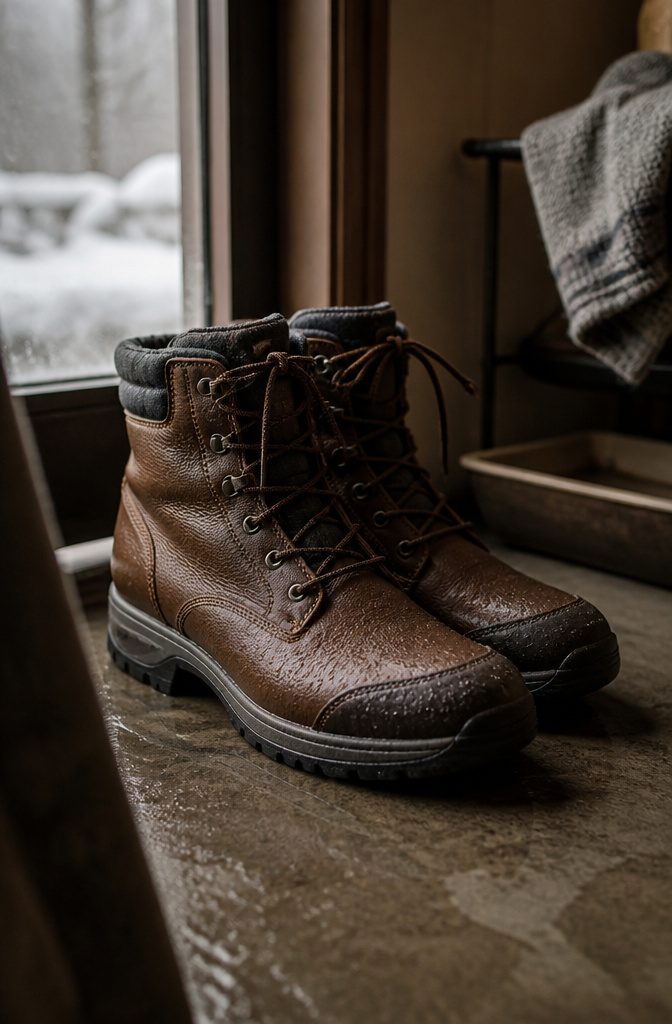
Your feet stay dry only if the boot stops water before it reaches the sock. Look for water-resistant leather or a waterproof membrane rated to block slush and snow rather than just light rain.
The SOREL Out N About III Classic, $98, uses leather from a Bronze-rated tannery and comes in three colors; it handles wet sidewalks and light snow without soaking through.
Merrell lists 29 waterproof boots built with a GORE-TEX membrane, which seals out moisture while letting sweat escape so your feet don’t end up clammy by midday.
Leather adds a second layer of protection and holds up better to salt and repeated wear than synthetic uppers that crack after a season.
If you’re walking through slush or standing in wet snow for more than a few minutes, waterproof wins over water-resistant.
Recommended Products

[FUNCTIONAL INNER ZIP]: The inside zipper opens the boot for an easier on-and-off routine, while the outside zipper stays decorative for a clean double-zip look; a rear pull tab adds another practical touch when getting ready

Zipper Design: The zipper with smooth side can be easily opened and closed, which is convenient to put on and take off while maintaining fashion and beauty, bringing convenience to your daily life.

Unique Design: The classic small square-toe adds a retro style to these ankle booties, which can modify the foot shape and create a delicate and exquisite foot silhouette to show your elegance and stylish
7. Short and Ankle-Height Winter Boots
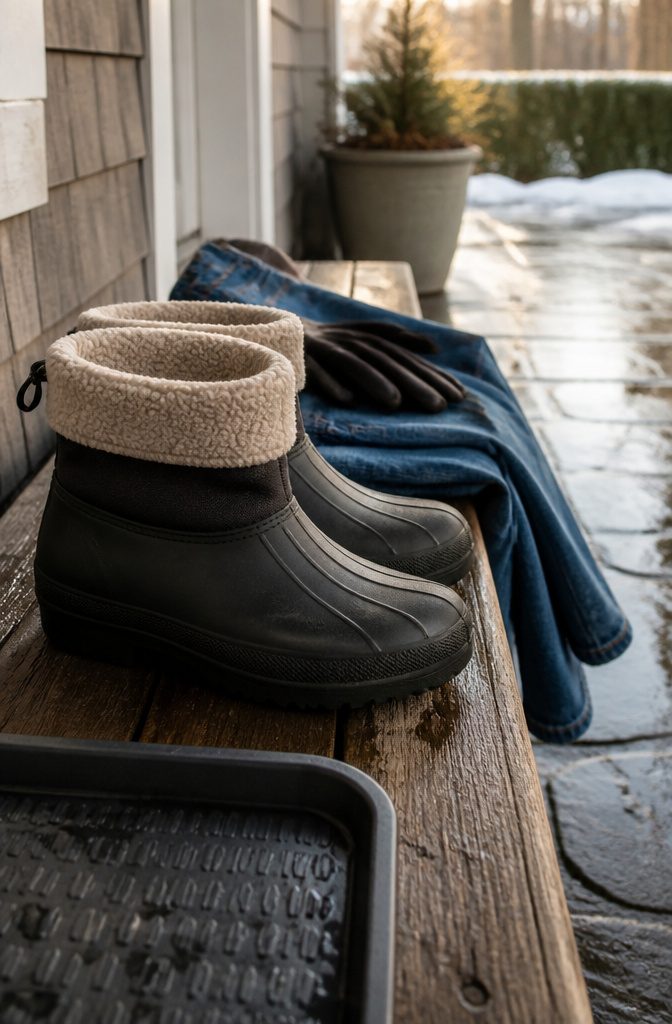
Ankle boots cover enough to keep snow out of your shoe without committing to a tall shaft, and most sit low enough to wear under straight-leg jeans or tucked into wider cuts.
The Columbia Minx Shorty III handles serious cold at $120 with a temperature rating of -25°F, which puts it well past what most city winters demand.
The insulation runs thicker than what you find in fashion-oriented ankle boots, so expect a boxier toe and a bit more bulk through the collar.
The Hunter Original Roll Top Sherpa Boot takes a different line: waterproof natural rubber upper, neoprene for insulation, sherpa lining, and a thermal insulated sole rated down to 23°F.
It sits at $150 and carries a small heel (three-quarters of an inch), so the silhouette reads closer to a rain boot than a snow boot.
The roll-top cuff gives you two looks depending on whether you fold it down or leave it tall, and the rubber makes it fully waterproof rather than just water-resistant. If your winter leans wet more than frozen, this one wins.
Recommended Products
SMOOTH UPPER: Women's ankle boots are made of comfortable PU leather, smooth leather, not easy to wrinkle, very soft to the touch. Provides unrestricted comfort while visually lengthening the leg line.

𝗪𝗮𝘁𝗲𝗿 𝗥𝗲𝘀𝗶𝘀𝘁𝗮𝗻𝘁 𝗦𝘂𝗲𝗱𝗲 - A water resistant genuine suede upper shrugs off rain, puddles, and slush, keeping these womens chelsea boots dry and protected through wet-weather days

𝗧𝗵𝗲 𝗣𝗲𝗿𝗳𝗲𝗰𝘁 𝗖𝗵𝗲𝗹𝘀𝗲𝗮 𝗕𝗼𝗼𝘁𝘀 𝗪𝗼𝗺𝗲𝗻 𝗟𝗼𝘃𝗲 – Timeless style meets ultimate versatility, making these Chelsea boots women trust perfect for casual, work, or dressy occasions.
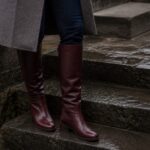
8. Tall Boots for Full-Leg Coverage
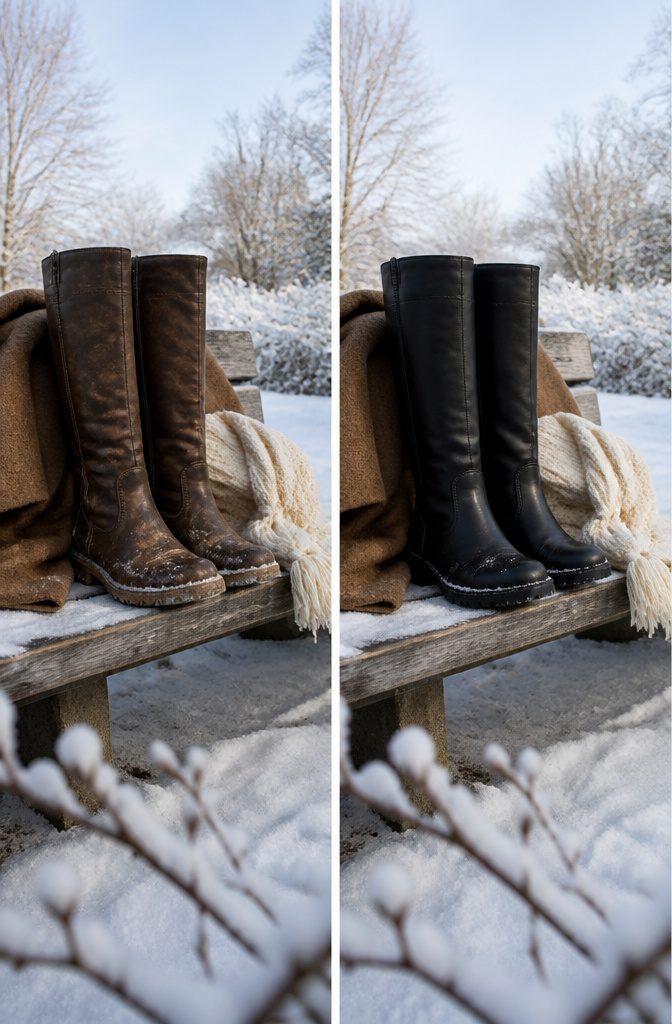
Taller shafts offer better protection when snow piles up or the wind cuts through. The UGG Adirondack Tall Boot III sits at $325 and rises to just below the knee, giving full coverage across the calf.
It carries the same 200g insulation and -32°C cold-weather rating as the shorter Adirondack Boot III, which starts at $205 and stops mid-calf.
Enjoy the great outdoors while your feet stay cozy and dry with the superior style of the UGG® Adirondack Tall Boot III, which features 200g insulation and is cold-weather rated to -32°C.
— Yahoo
That rating puts both versions safely past the point where most winter walking happens, but the tall shaft blocks drafts and keeps snow out of the top when drifts creep above ankle height.
The shorter version works for commuting and errands where coverage past the ankle is enough, and the $120 difference matters if your winters stay mild or you spend most of the day indoors.
Recommended Products

Convenient Side-Zipper Closure: Designed with a sturdy side zipper, these boots offer hassle-free wear and removal. The metal zipper ensures smooth operation, making it easy to quickly slip them on and off, well-suited for busy days.

Experience Unmatched Comfort: Step into luxury with Juicy Couture Women's Slip On Winter Snow Boots. Featuring a plush faux fur lining and cushioned insoles, these boots provide superior warmth and comfort for all-day wear during the coldest months.

Experience Unmatched Comfort: Step into luxury with Juicy Couture Women's Slip On Winter Snow Boots. Featuring a plush faux fur lining and cushioned insoles, these boots provide superior warmth and comfort for all-day wear during the coldest months.
Three Factors That Decide Winter Shoe Performance
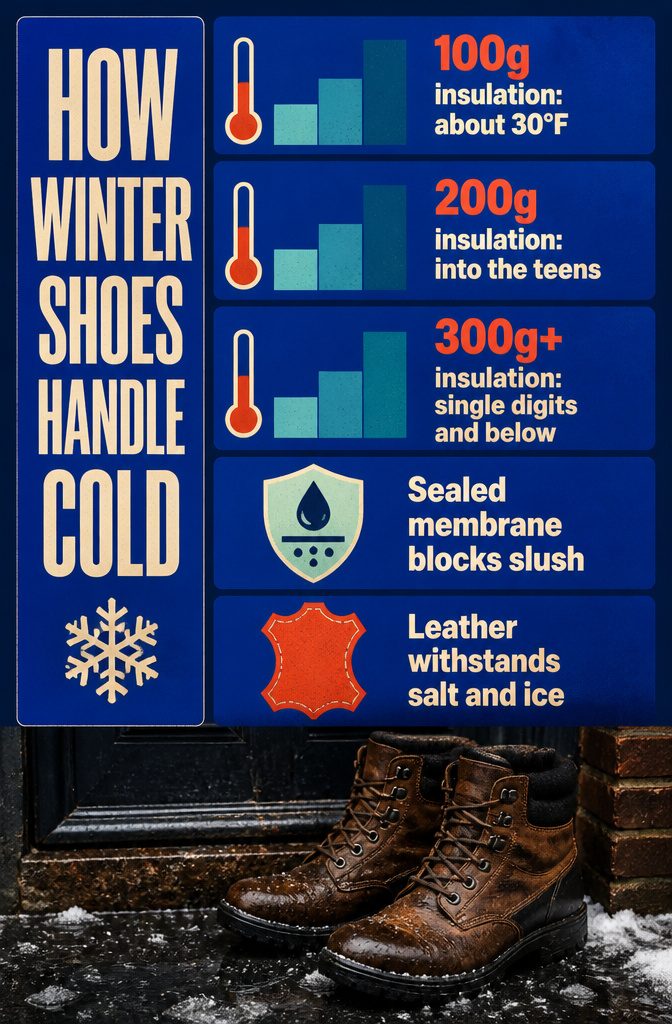
The three factors that matter are insulation weight, waterproof construction, and the material wrapping your foot.
Insulation is measured in grams: 100g keeps feet comfortable down to about 30°F, 200g works into the teens, and 300g or higher handles single digits and below.
Merrell’s winter line shows the split clearly: 3 boots at the 100g level, 23 at 200g, and the rest at 300g and up, which tells you where most buyers land when they want real cold protection.
Waterproofing stops slush and snow melt from soaking through, usually a membrane sealed at the seams. Leather holds up better than synthetic when you’re kicking through salt and ice every day, and it breaks in instead of cracking apart.
Recommended Products

Snow boot featuring a woven collar with dual adjustable buckle straps;

STYLISH & WARMTH DESIGN: Elevate your winter style with fashionable and cosy women's snow boots. The 3M Thinsulate Insulation and faux fur collar keep your feet snug and protected from the cold winter elements.

Warm Waterproof Material & Winter Protection: Designed with water resistant upper and cozy faux fur lining, casual snow boots for women 2026 keep feet warm, dry and comfortable in cold weather. Non slip womens snow boots feature soft insulation and cushioned memory foam insole to reduce walking fatigue, making them ideal for snowy days, freezing temperatures and everyday outdoor wear.
Traction for Icy Pavement and Wet Surfaces
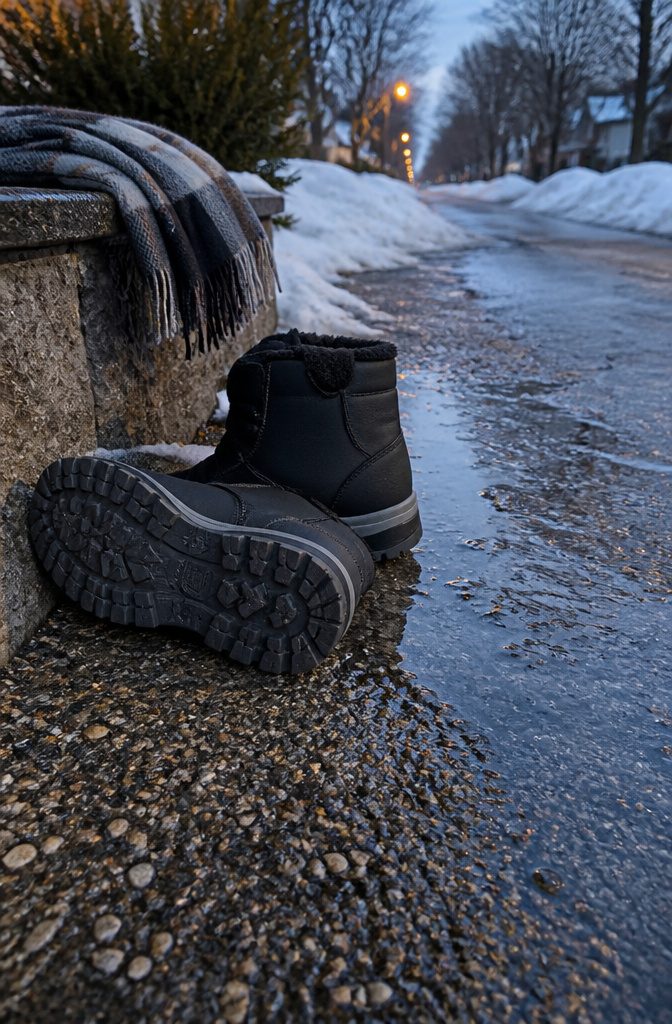
Vibram Arctic Grip is engineered specifically for wet ice, the surface that catches most winter walkers off guard. Standard rubber loses grip where meltwater sits on frozen pavement; Arctic Grip compounds bite through that film.
Merrell filters show 22 traction-ready boots designed for icy sidewalks and snowy trails, most using all-around grip patterns that work across mixed surfaces rather than specializing in one.
The distinction matters if your commute involves both cleared concrete and packed snow: a sole built for trail debris may not hold on smooth ice, and a dedicated ice gripper can feel grabby on dry ground.
Arctic Grip splits the difference by focusing on the condition that causes falls, which is why it appears in fewer boots than the broader traction category.
Recommended Products

【Waterproof Comfortable Upper】:The uppers of these womens snow boots were made of high-quality waterproof suede.It can prevent rain from entering the boots when you are doing outdoor activities and easy to clean with cloth.

[ Waterproof Duck Shell ] Duck inspired snow boot with a rubber shell ensures durable wear and waterproofing for a comfortable and drier foot environment. Long-distance Walking Test: After the researcher walked 16Km in the snow, her feet stayed dry and fresh
Frequently Asked Questions
What are the best women’s winter shoes?
The best women’s winter shoes depend on how you’ll use them. For cold-weather walking, the KEEN Kaci III ($165) offers waterproof protection and cushioned support.
For serious snow, the SOREL Explorer II Carnival Cozy ($140) or Merrell Antora Sneaker Boot ($150) handle trails and packed snow. For everyday errands, the PUMA Snowbae ($70) or North Face Thermoball Bootie ($69) stay warm without looking technical.