Women’s western boots with heels are cowboy-style boots built on raised heels that range from low blocks under two inches to narrower dress heels over three, changing how the boot works across a day.
Comfort depends less on heel height than on the angle from heel to forefoot and whether the footbed actually supports your arch: a three-inch stacked heel with shaping often wears easier than a two-inch block on a flat insole.
EGO’s collection runs from bold prints to classic black pairs, and shaft heights span ankle boots at 6 inches to knee-high styles reaching 18.
Western Boot Heels by Shape and Height
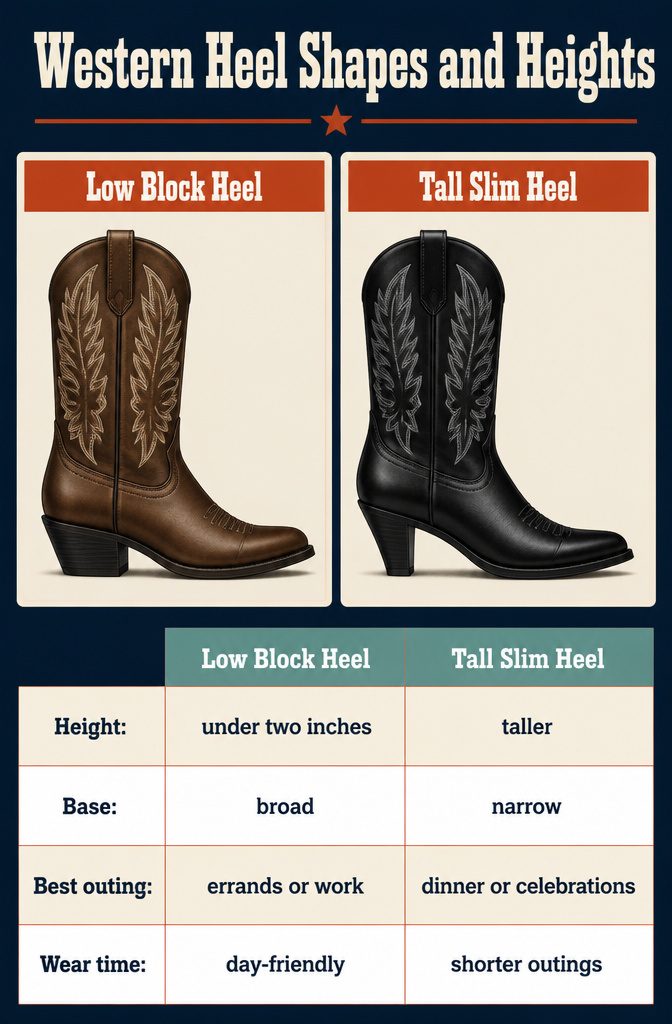
A low heel stays under two inches and pairs easily with jeans or trousers for walking between errands or through a work day.
Taller heels create a sharper profile for dinners or celebrations, though they call for shorter outings. Block heels spread weight across a broader base, generally feeling steadier than a narrow heel of the same height.
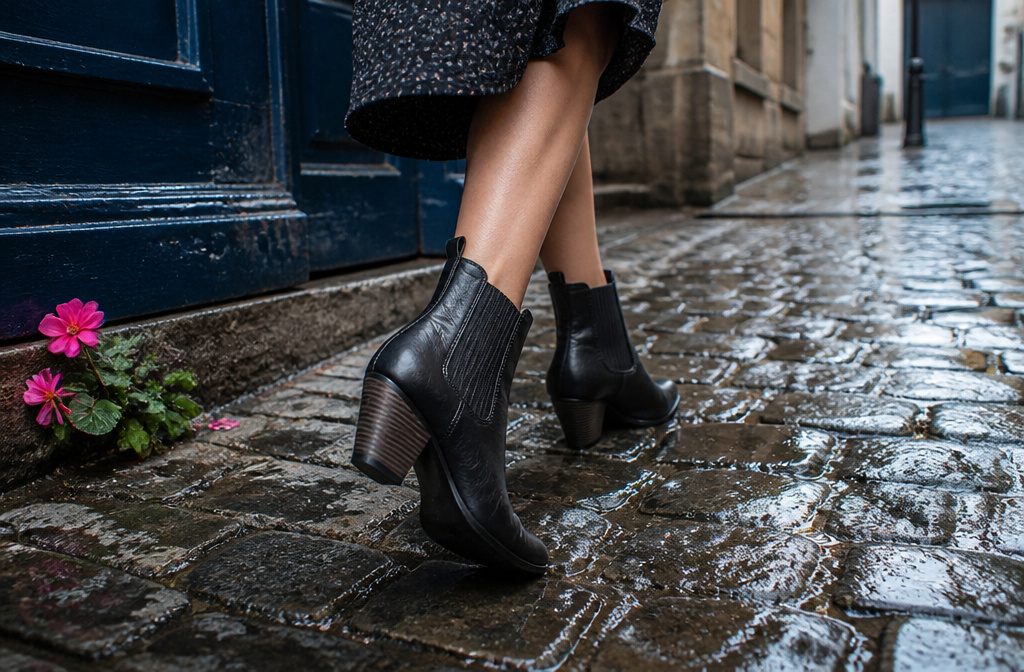
Western heels have an angled back edge that gives cowboy boots their recognizable side profile, while slim heels create a dress silhouette with less contact area underfoot.
Heel height alone does not settle comfort: the slope from heel to forefoot, the shape of the footbed, and how the sole flexes matter just as much.
A moderate block heel suits someone who spends part of the day standing, while a higher, narrower heel is better reserved for a few hours over dinner.
Recommended Products

Eye-catching knee-high cowboy boots featuring layered fringe and metal stud accents, delivering an authentic western look that stands out for festivals, concerts, and everyday wear.

Slouchy fit pull-on shaft widens at the top

3.2" Heel for Comfort & Style: These cowgirl boots feature an 8.1cm / 3.2-inch sturdy block heel and soft lining and insole that provides a flattering lift, excellent stability, and reliable support. Whether you're heading to a music festival or just strolling through the city, these Western boots are effortlessly stylish and comfortable
Cowboy Boots in Colorful Designs and Black
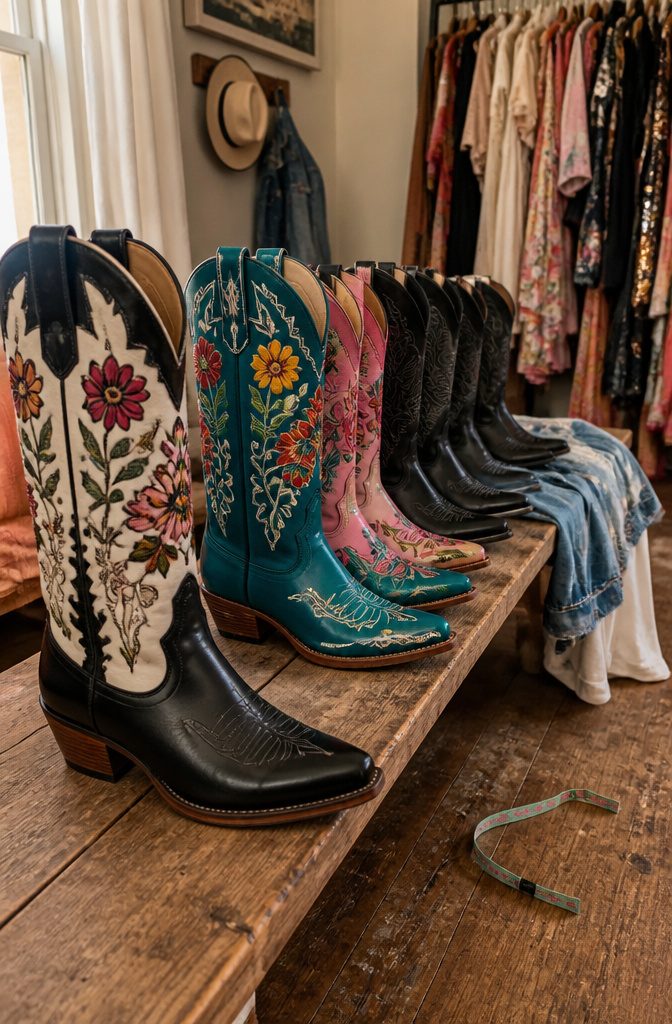
EGO positions their western boots squarely in the fashion category, with cowboy boots for women available in bold prints alongside classic black pairs.
The collection moves between festival season and fall wardrobes, designed to work with oversized tees, bodycon dresses, or denim rather than ranch work.
Boot Barn carries men’s western boots as well, but EGO’s range stays focused on women’s styles that lean into bold color and trend-forward silhouettes.
The black options give you a neutral anchor; the colorful designs let you commit to the look without hedging.
Ankle, Mid-Calf, and Knee-High Shaft Heights
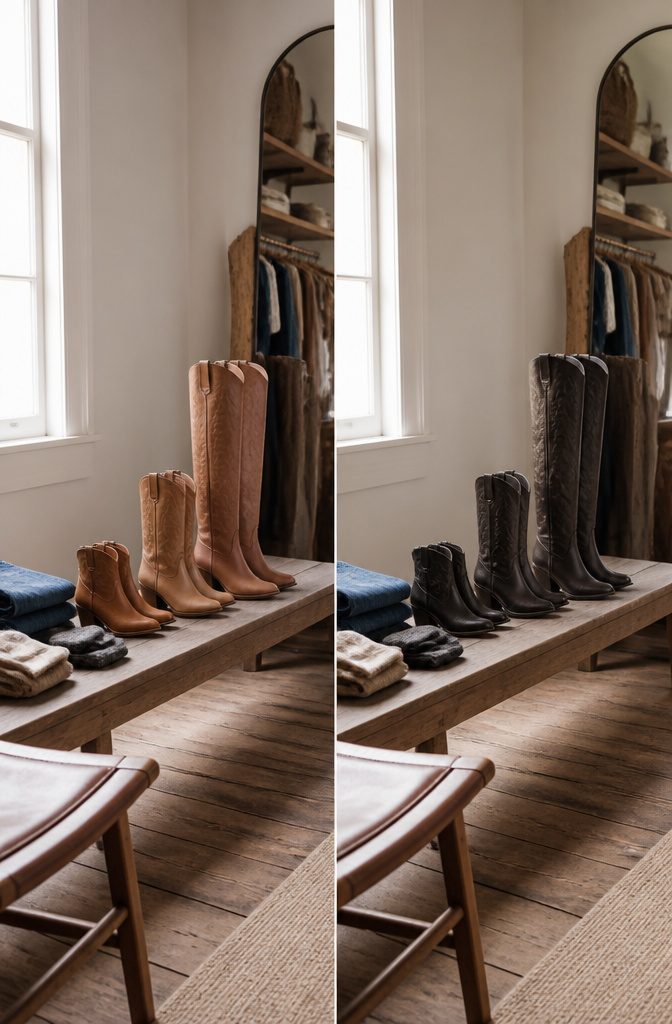
Western boots come in three main shaft heights, and the choice changes how the boot fits under jeans or shows above a skirt.
Ankle boots stop just above the ankle bone, typically around 6 inches tall, and slip under straight-leg denim without bunching.
Mid-calf boots land somewhere between 8 and 12 inches (the 12-inch shaft is common enough that you’ll see it called out in product names), and these tend to hit widest on the calf, so fit matters if your calves are muscular or slim.
Knee-high boots reach 14 to 18 inches and need enough room at the top to pull on without a fight.
Shaft fit decides whether a boot is wearable.
Try boots indoors with the socks you actually plan to wear: a thick wool sock takes up space a thin trouser sock does not, and a shaft that zips easily over tights may bind over denim tucked in.
If the boot gapes at the top or cuts in at mid-calf, the height is working against your proportions rather than with them.
Round, Square, Pointed, and Snip Toes
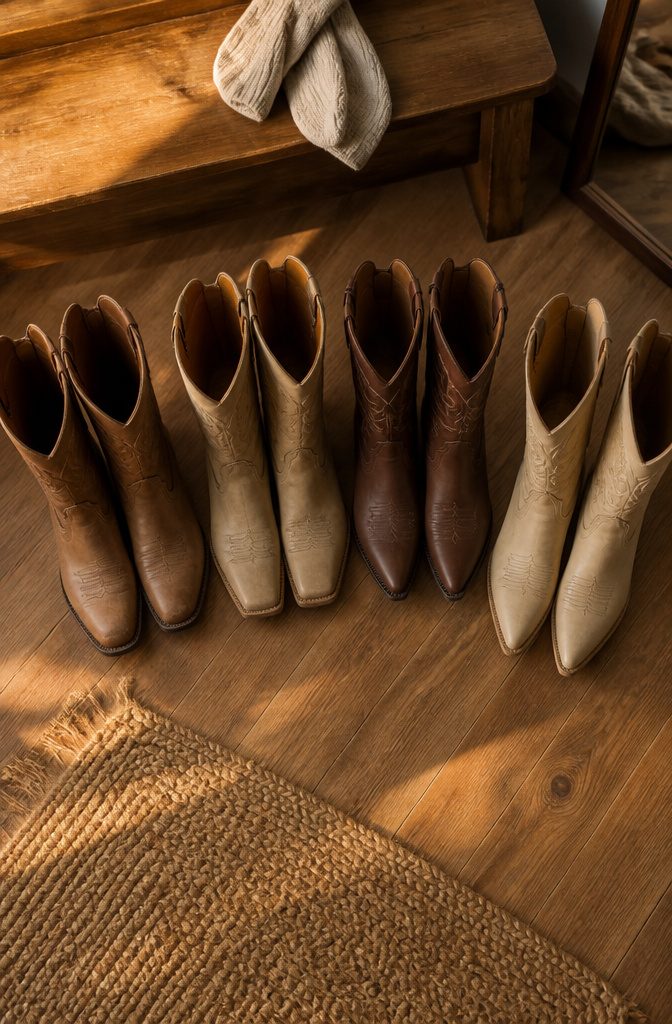
The round toe gives you the most room across the ball of your foot, which matters if you plan to wear thick socks or spend hours standing.
Square toes land somewhere in between: enough width to stay comfortable without looking as soft as a round profile.
Pointed toes narrow fast past the widest part of your foot, so they work best if your forefoot runs slim or you size up half a step.
The snip toe splits the difference: it tapers like a pointed boot but clips off before the sharp tip, leaving just enough space that most feet fit true to size.
Toe shape changes how the boot balances weight when you walk, since a wider platform spreads pressure and a narrow point shifts it forward onto the ball.
Recommended Products

FASHION BOOTIES FOR WOMEN: The Roper Willa Ankle Boots are the perfect complement to your chic Western chic style. Crafted for the modern cowgirl, these fashion boots are a trendy combination of an elegant look with western designs.

Exquisite Western Embroidery: Inspired by the Wild West, these cowboy boots for women feature delicate white embroidery. Intertwined floral and feather patterns add a rustic, vintage charm to the design

COMFORT AND FIT: These lug-sole combat boots have a padded insole with high-quality memory foam for added comfort, lace-up closure for adjustability, & an inside zipper for easy entry
Pairing Western Boots With Denim Shorts and Flowing Summer Dresses
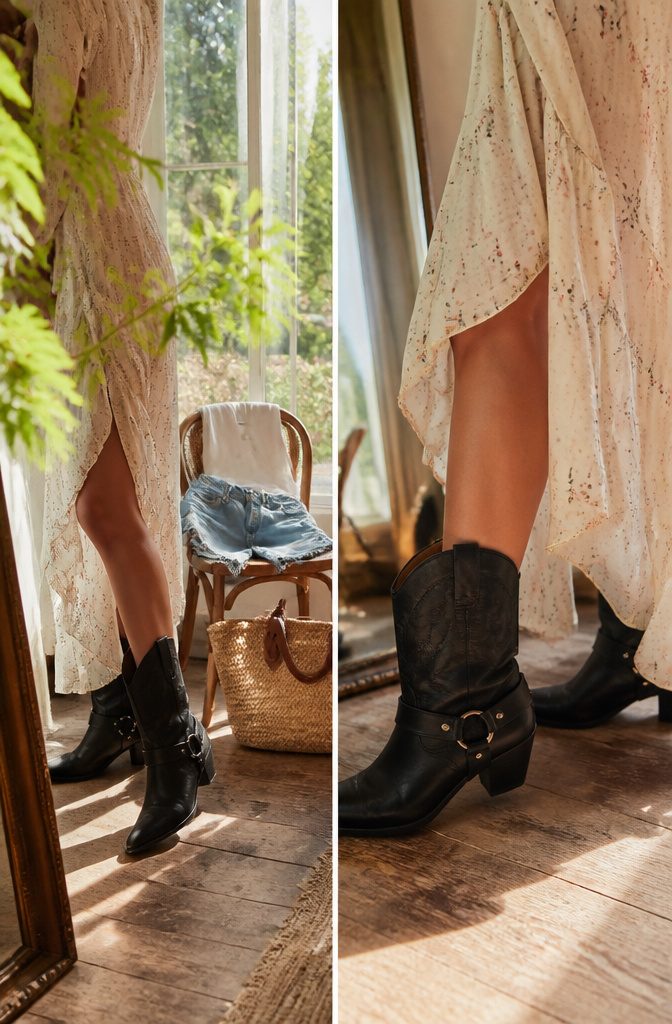
Western boots pair well with several warm-weather staples and work across a surprising range of occasions. A short lead-in before the list:
- Denim shorts and an oversized T-shirt for festivals or everyday wear: the boot adds structure to an otherwise loose silhouette.
- Bodycon dresses for bottomless brunch or going-out outfits, where the fitted dress and chunky boot balance each other.
- Flowing summer dresses for a contrast between soft fabric and western hardware, since the boot grounds the dress without weighing it down.
- Rodeo or western-themed events, where boots read as appropriate rather than costume.
- Fall and winter layering, where boots transition easily from shorts in September to tights and skirts by November.
The same boot works across most of these settings. Black cowboy boots move between casual and dressed-up contexts more easily than colorful designs, which lean toward festival or statement looks.
Comfort Depends on Slope, Footbed, and Sole Flexibility
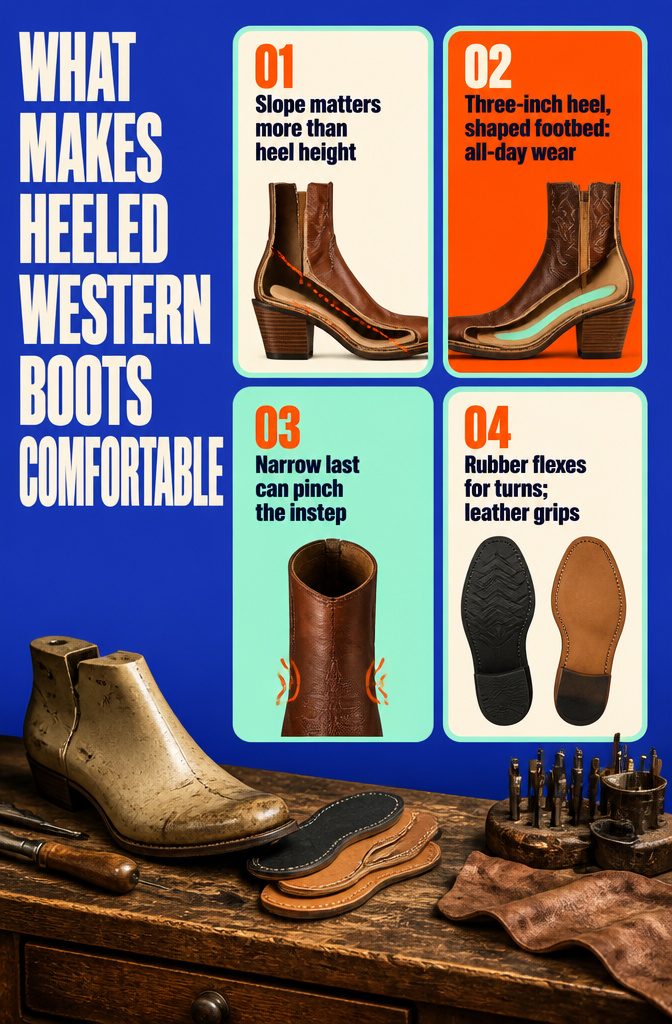
Comfort in a heeled western boot depends less on how tall the heel stands than on the angle it creates from heel to ball of foot.
A three-inch stacked heel with a shaped footbed often feels easier to wear all day than a two-inch block heel on a flat insole, because the slope distributes your weight instead of dropping it forward onto your toes.
Instep pressure shifts with construction. Boots built on a narrow last can pinch across the top of the foot once the heel lifts your arch, even when length and width fit fine at rest.
A cushioned footbed helps, but if the shaft pulls tight at the instep, no amount of padding fixes it.
Sole flexibility matters for movement. A stiff leather sole grips well but makes pivoting harder (fine for walking, less so if you plan to dance).
A rubber sole with some give lets you turn without fighting the floor, though it sacrifices the clean lines traditionalists prefer.
Full-Grain Leather, Suede, and Synthetic Uppers
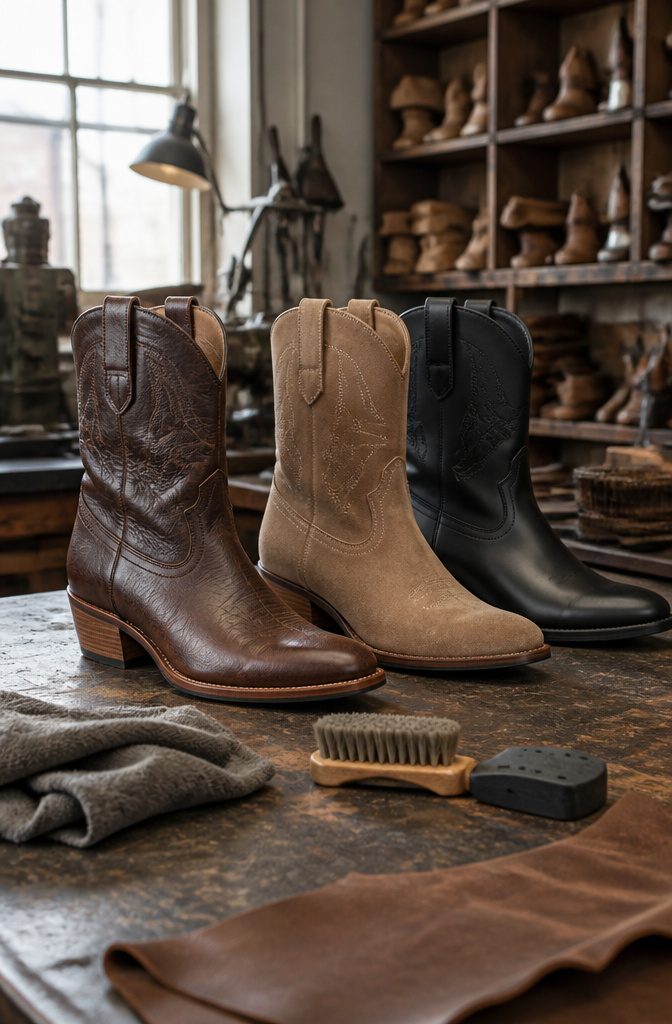
Full-grain leather keeps the hide’s original surface, showing natural grain patterns that crease and darken with wear rather than peeling or flaking.
Top-grain and corrected-grain leathers have been sanded or buffed smooth, which gives a more uniform appearance but may not age as distinctively.
Suede reverses the hide, exposing the fuzzy interior layer that takes dye well but scuffs more easily than smooth leather.
Synthetic uppers (polyurethane or microfiber) hold color consistently and weigh less, though they usually don’t mold to your foot the way leather does over time.
Check the outsole material, too: leather soles flex easily and look sleek but wear down faster on pavement, while rubber grips better in wet conditions and lasts longer outdoors.
Clean smooth leather with a damp cloth and conditioner made for finished leather; suede needs a specialized eraser or brush to lift dirt without matting the nap.
Let wet boots dry at room temperature away from radiators or direct sun, which can crack leather or warp the heel stack.
Inspect the heel cap (the small plastic or metal piece at the base of the heel) and replace it once it wears thin, since a worn cap lets moisture reach the wood or composite core.
Recommended Products

COMFORT AND FIT: These Cuban heel western inspired ankle boots have a padded insole with high-quality memory foam for added comfort and an inside zipper for easy entry.


COMFORT AND FIT: These Cuban heel western inspired ankle boots have a padded insole with high-quality memory foam for added comfort and an inside zipper for easy entry.
Frequently Asked Questions
Recommended Products

Traditional Western Cowgirl Styling: Western Cowgirl Boots with classic handmade floral embroidery on shaft and instep; the stylish Snip Toe with traditional western wooden heel and long-wearing rubber sole for a more comfy feeling

Handcrafted Excellence: Each pair of our women's cowboy boots is meticulously handcrafted, ensuring superior quality and unique detailing.

Rubber sole: Wear-resistant, Non-slip, Shock-proof, Safe.
How tall are western boot heels?
Low western boot heels stay under 2 inches, while taller heels range from 2 to 4 inches or more.
Height alone does not decide comfort: the angle from heel to forefoot and how the footbed supports your arch matter just as much as the measurement.
What is the difference between a western heel and a regular heel?
A western heel has an angled back edge that creates the recognizable cowboy boot profile, while regular heels typically have a straight or only slightly tapered back.
Western heels are built specifically for the structure and balance of cowboy boots rather than dress shoes.
Are block heels more comfortable than thin heels?
Block heels spread weight across a broader base and generally feel steadier than a narrow heel of the same height.
A moderate block heel suits someone who stands or walks for longer stretches, while a slim heel works better for shorter outings.
What is a snip toe on a cowboy boot?
A snip toe tapers like a pointed boot but clips off before the sharp tip, splitting the difference between pointed and square.
It leaves enough space that most feet fit true to size without the tight squeeze of a full pointed toe.
How should western boots fit?
Western boots should hold your foot without squeezing your toes or putting concentrated pressure across the instep, with the ball of your foot sitting at the boot’s flex point.
The shaft should accommodate your calf and any clothing worn inside without pinching, and you should try them with the socks you actually plan to wear.
What do you wear with western boots?
Western boots pair with denim shorts and oversized tees for casual wear, bodycon dresses for going out, and flowing summer dresses for a soft-meets-structured contrast.
Black cowboy boots move between casual and dressed-up contexts more easily than colorful designs, which lean toward festival or statement looks.
How do you care for leather cowboy boots?
Clean smooth leather with a damp cloth and conditioner made for finished leather, and let wet boots dry at room temperature away from radiators or direct sun.
Suede needs a specialized eraser or brush rather than ordinary leather creams, and you should inspect the heel cap regularly to replace it once it wears thin.