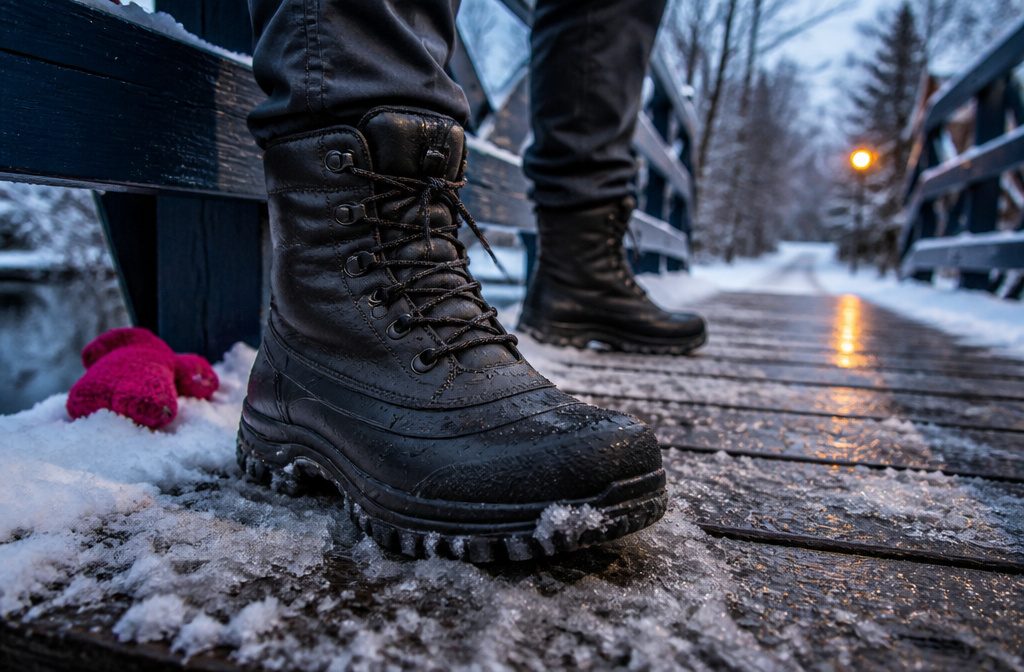
The North Face Chilkat V 400 wins at $159 for its mix of warmth, traction, and weather protection across errands, shoveling, and easy trails.
If you need deep-snow coverage, standing warmth in extreme cold, or technical grip on steep backcountry terrain, other boots here handle those better.
The Chilkat’s 400-gram Heatseeker Eco insulation holds warmth through sustained cold, but that bulk turns the boot stiff and keeps most microspikes from fitting over it.
1. The North Face Chilkat V 400
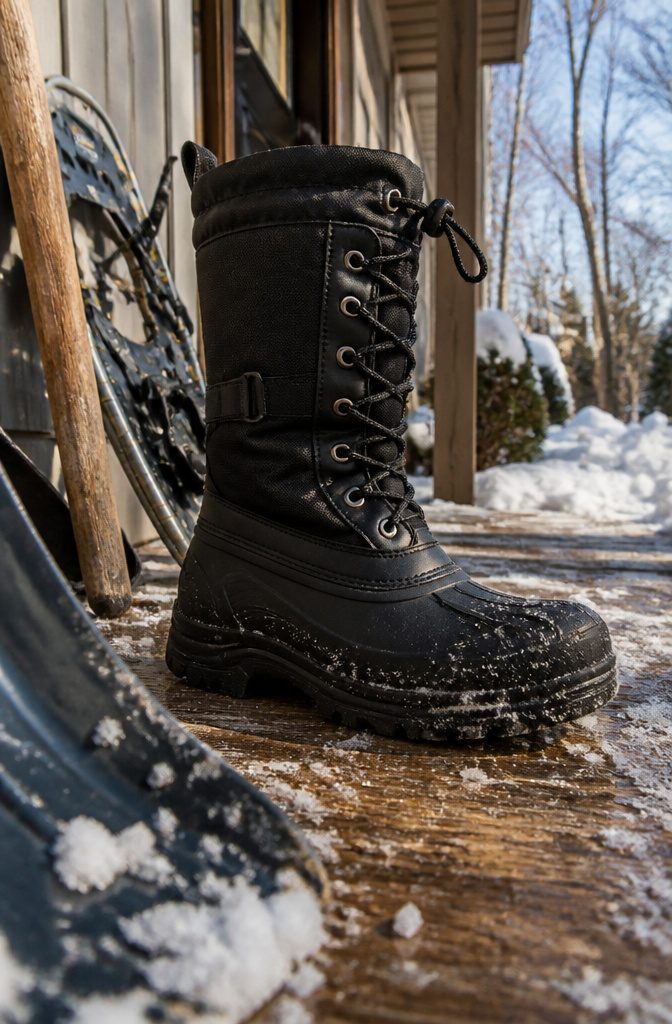
The Chilkat V 400 costs $159–$170 and handles shoveling, errands, and shorter trail walks better than boots tuned for one narrow job.
The 400-gram Heatseeker Eco insulation keeps feet warm through sustained cold, but that same bulk makes the boot feel stiff on steep or technical ground.
Weight sits at 3 pounds 2 ounces, and the 8-inch shaft stops short of deep powder. The TPU shell and waterproof membrane keep slush out, and the aggressive tread grips slick pavement and packed snow without trouble.
D-ring attachments let you cinch gaiters, and a heel clip holds snowshoes in place. One trade-off: the boot’s bulk means most microspikes and ice cleats won’t fit, though it pairs fine with snowshoes.
Breathability is limited, so sweat builds up fast if you push hard or the temperature climbs above freezing. For chores and casual wear through a mild winter, the price and protection line up; long treks call for something lighter.
Recommended Products

Supportive Arch Cushioning: These fur boots feature the advanced ArchFrame Dual Midsole Technology, providing supportive comfort that moves naturally with your feet and helps distribute pressure more evenly.
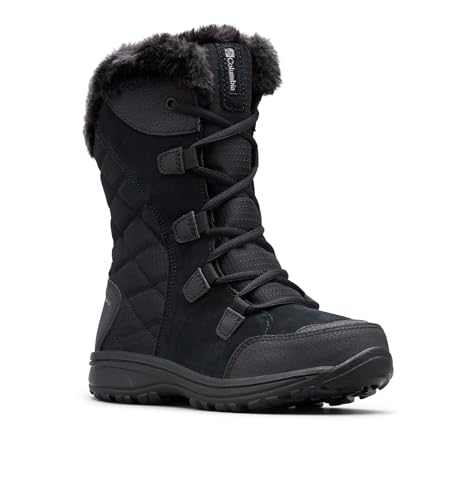
WATERPROOF PROTECTION FOR WINTER WEATHER: A waterproof leather and textile upper with seam-sealed bootie construction helps keep feet dry through snow, slush, and wet winter conditions.

Warm & Cozy Lined Comfort: Built with a soft plush lining, these winter boots keep your feet warm and insulated in cold weather. The warm insole offers all-day comfort for commutes, errands, and outdoor walks.
2. Ugg Adirondack Boot XXV
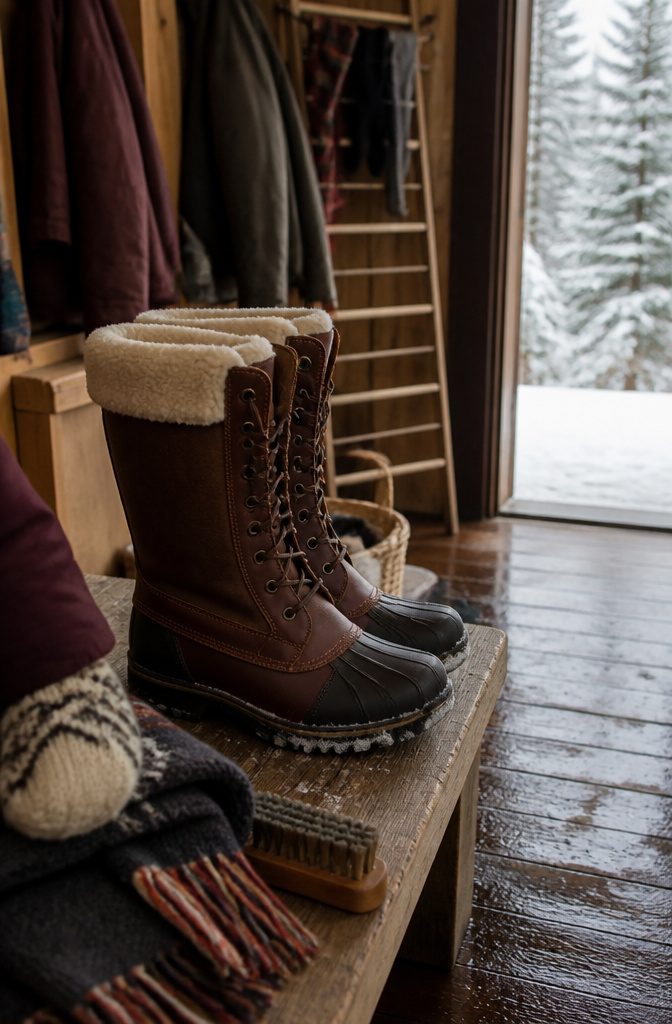
The Adirondack XXV costs $250 and handles serious cold: Ugg rates it comfortable down to -32°C (-25.6°F). The 3M Xerogel insulation and wool liner deliver that warmth, though you may overheat on mild days or during any real activity.
The cuff folds down from 9.5 inches to 8 inches when you want a less technical look, and the waterproof membrane with rubber reinforcements at the heel and toe keeps snow and slush out.
The wool interior grabs socks that aren’t smooth, which becomes obvious after the first wear. Premium leather and suede construction holds up.
One editor reports hers still look new after five years. If you need more coverage, the tall version adds shaft height for $75 more.
Recommended Products

COMFORT AND WARMTH: Cushioned footbed for supportive comfort. All-cold weather protection and a toasty layer of insulation.

RUGGED WINTER HIKING BOOTS: The lightweight Men's Chilkat V 400 Waterproof Boots feature super-warm HEATSEEKER insulation and compression-molded EVA midsoles for added comfort and long-lasting cushioning on cold winter adventures.

3. Kamik Nation Plus
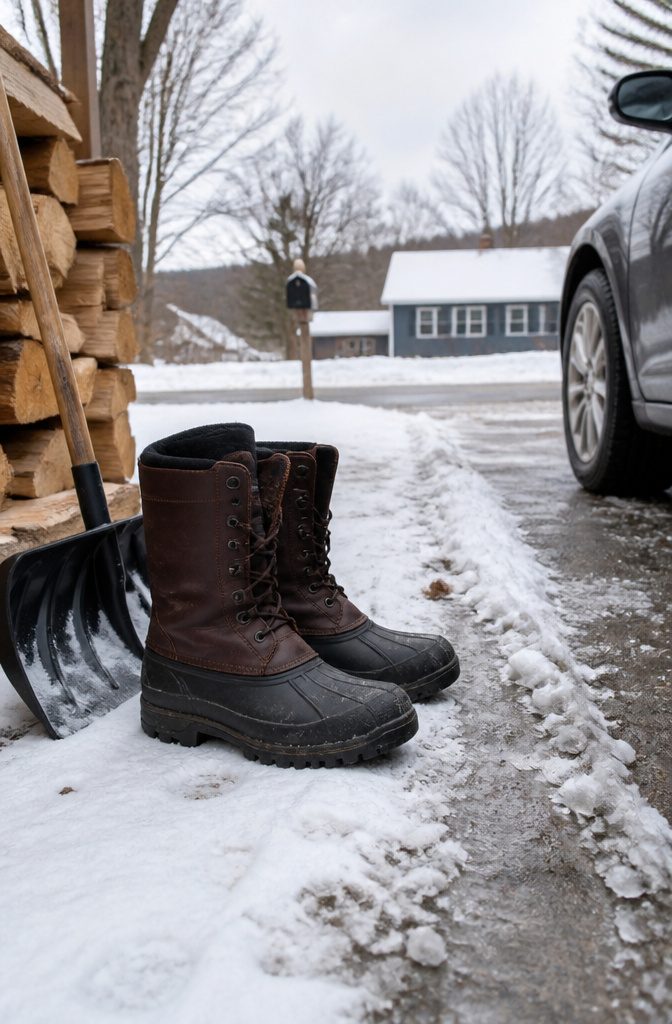
The Nation Plus runs $100 and solves the problem of getting from the car to the mailbox or clearing the driveway without spending what a technical boot costs.
Kamik built it with a 10-inch shaft and 145 grams of Heat-MX synthetic insulation inside a removable liner, so it handles the snow and cold that come with everyday outdoor chores.
The leather upper and rubber shell keep water out where it matters.
The removable liner creates a looser fit than boots that lace tighter to your foot, which makes precise movement harder if you’re hiking but doesn’t get in the way of shoveling or short walks.
Materials sit a step below what you get at higher price points, and durability over multiple seasons is less certain. For casual wear and quick trips outside, the price makes those trade-offs easy to accept.
4. Kamik Momentum 3
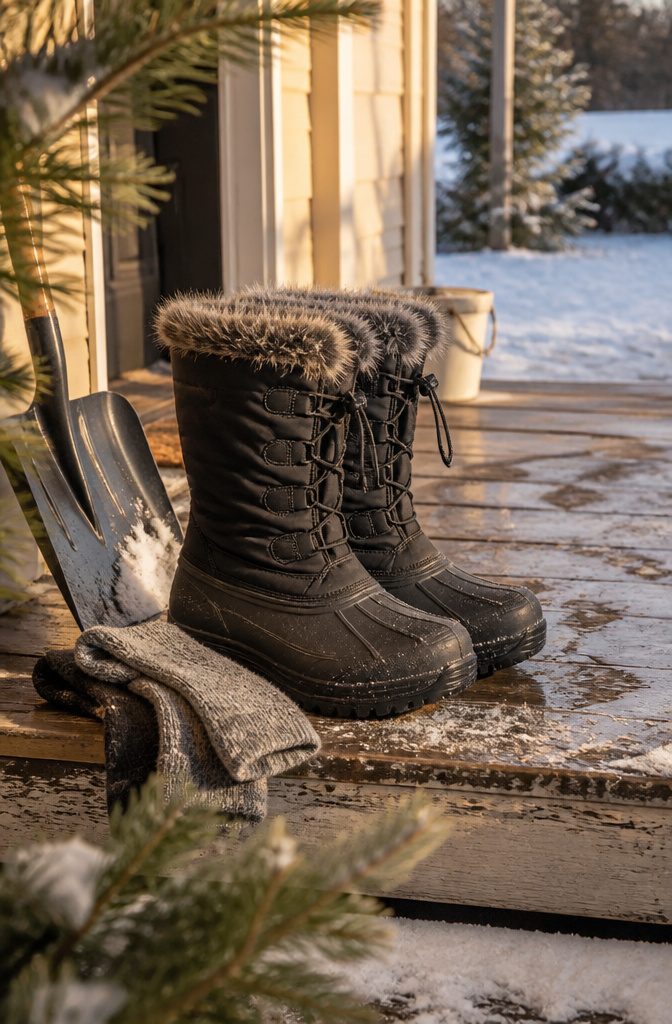
The Kamik Momentum 3 costs $110 and looks better than most boots at this price manage to. Rubber wraps the entire lower section, meeting a waterproof nylon upper with sealed seams (construction that usually costs more).
The 11.75-inch shaft clears deep snow easily, and the faux-fur collar keeps moisture from dropping in while you walk. Bungee lacing makes them quick to get on and off, though you lose the fine-tuning that static laces allow.
Kamik rates these to -40°F, which wildly overshoots what the thin soles can actually deliver. The boot has no separate liner, and standing still in cold temperatures left my feet noticeably cold.
Moving around helps. The 145g Heat-MX synthetic insulation holds up fine when you’re active, but these won’t work for standing around outside after skiing.
For casual winter errands in milder temps, though, the Momentum 3 does the job at a price that leaves room in the budget for better socks.
5. Sorel Caribou
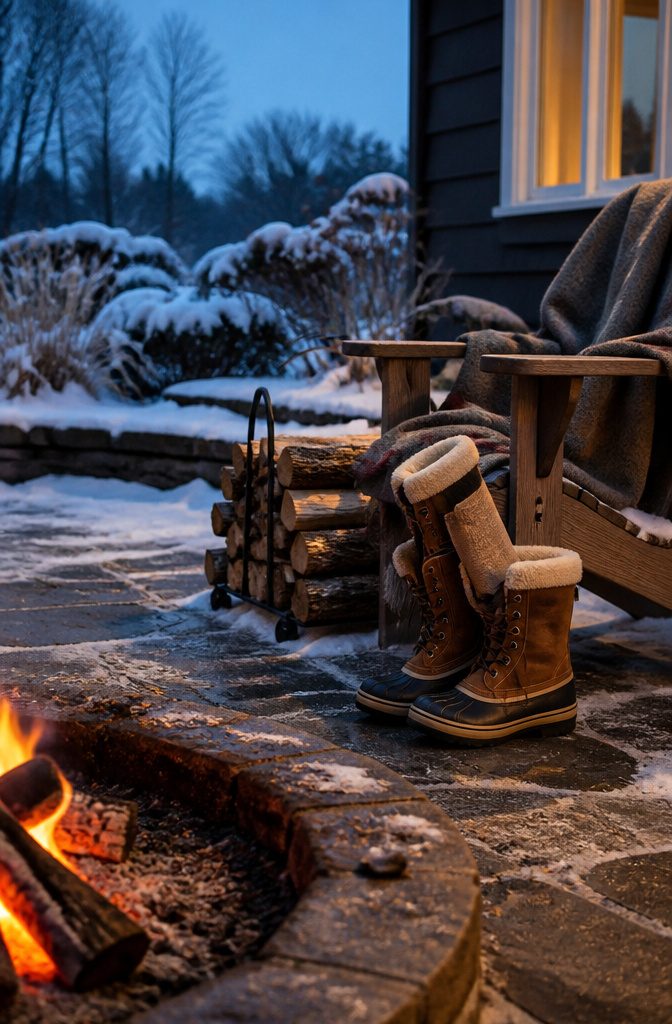
The Caribou sits between a work boot and a winter sneaker, built around a removable 9-millimeter felt liner that wraps feet in soft, old-school warmth.
The liner pulls out to dry if snow works its way past the 10-inch shaft on men’s sizing or 9 inches on women’s, and that felt kept feet warm through hours at -10°F without needing battery packs or chemical toe warmers.
The rubber lower wraps up past the ankle, so slushy puddles stay outside where they belong, and the Sherpa cuff adds another layer of warmth at the top.
The bulk shows. At over 5 pounds for the pair, the Caribou feels too much for grocery runs or long walks across town, and the loose fit turns clunky when you’re covering distance rather than standing still.
Traction holds on smooth ice but struggles in loose powder or steep trails.
This is the boot for outdoor chores, standing at a bonfire, or walking a few snowy blocks downtown, not for mountain hiking or all-day wear. $225 to $250 buys a boot that lasts and looks the part, though that’s more than double what budget options run.
Recommended Products

DURABLE & PROTECTIVE - These women's tactical boots feature an upper made of suede leather and 1119D Cordura fabric, ensuring durability and scratch resistance. The lightweight and flexible EVA midsole offers excellent cushioning for hiking or working. The all-terrain outsole provides great grip with a geometrical pattern design, making these non-slip tactical boots ideal for women. Strengthened toe cap and heel deliver full protection, anti-collision, and ankle support

Punctureproof & durable rubber sole with anti puncture interlayer and latex insole ensure comfort

[DURABLE CORDURA & ANKLE SUPPORT]The mens military boots are made from suede leather and 1000D Cordura fabric, ensuring the tactical boots for men are durable and resistant to scratches. The work boots for men provide ankle-high protection that wraps and supports the ankles for added stability. The gusseted tongues in these men's boots prevent debris from entering, ensuring a comfortable and secure fit
6. Blundstone Thermal
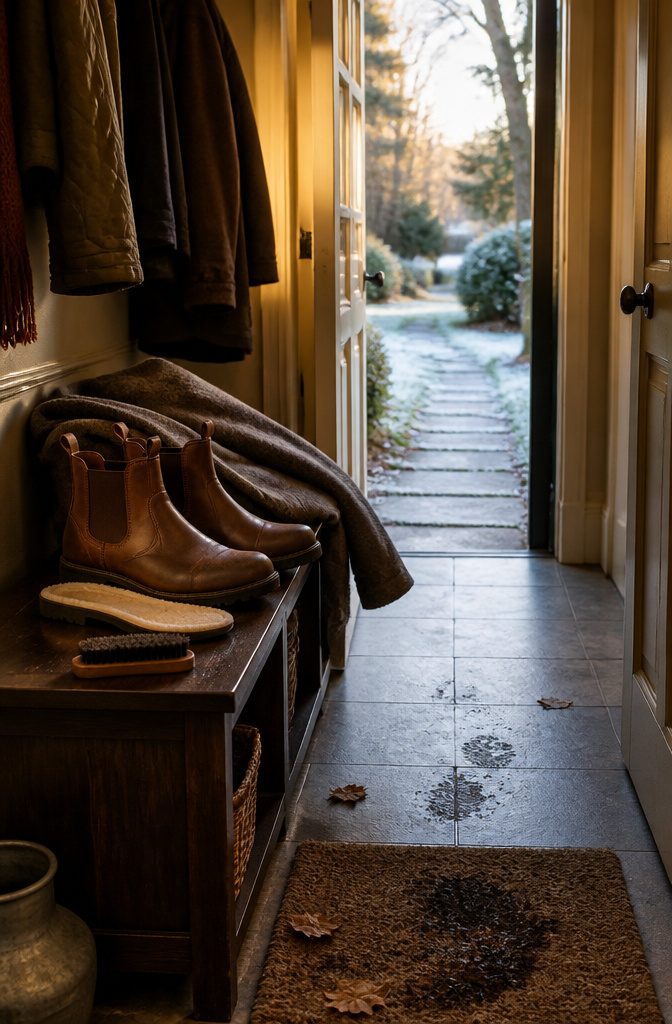
The All-Terrain Thermal runs $285–$295 and wraps 200g Thinsulate around a sheepskin insole, which packs down as you wear it but holds warmth through milder winter days.
The 6-inch shaft keeps it casual: fine for sloppy pavement and light yard work, short enough that deep snow will pour over the top.
Vibram lugs grip wet surfaces better than ice or loose powder, so save these for conditions where traction matters less than looking put-together.
Expect the leather to start stiff and the heel opening to fight you the first few times.
The pull loops hold up to years of yanking, and once broken in the fit settles into something you can slip on without thinking.
Leather care is not optional here: skip it and the waterproofing fades, the hide dries out, and a $300 boot starts looking tired faster than it should.
At 2 pounds 2 ounces they move easily, but this is a second-string winter boot. It’s the one you reach for when the forecast is kind and you want less bulk on your feet.
Recommended Products

Warm & Cozy Lined Comfort: Built with a soft plush lining, these winter boots keep your feet warm and insulated in cold weather. The warm insole offers all-day comfort for commutes, errands, and outdoor walks.

【Water-Resistant】: The upper of the womens snow boots is made of water resistant leather so that it is uneasy for water snow to permeate into the shoes, keeping your feet dry and comfortable.

Warm & Cozy Lined Comfort: Built with a soft plush lining, these winter boots keep your feet warm and insulated in cold weather. The warm insole offers all-day comfort for commutes, errands, and outdoor walks.
7. Merrell Thermo Chill 2 Mid
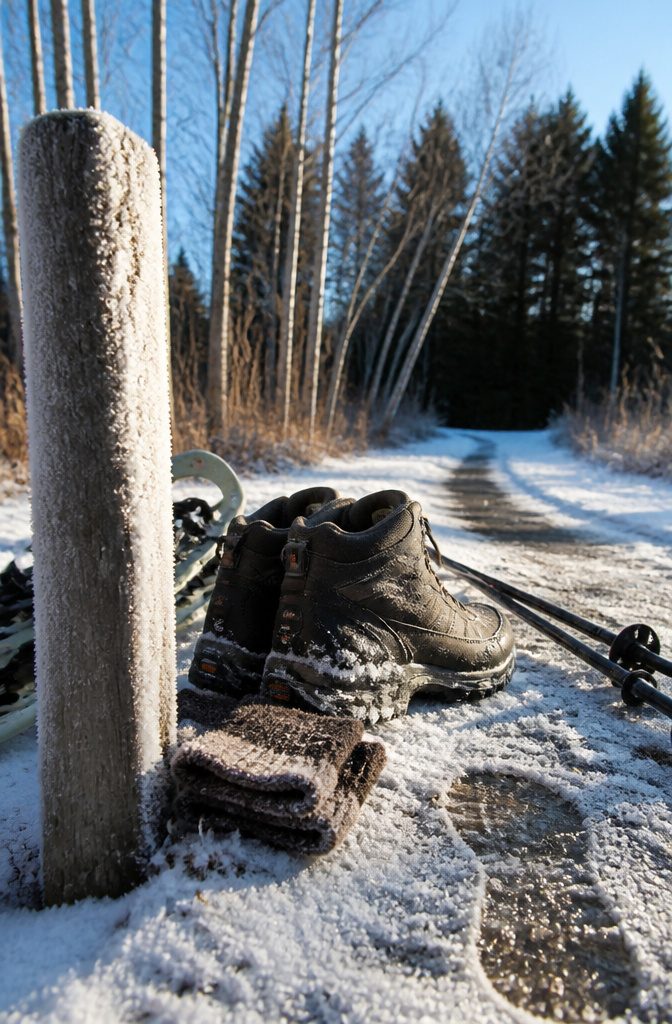
The Thermo Chill 2 Mid sits at $150 and weighs 2 lb. 2 oz., lighter than most insulated boots built for snow.
That weight matters on the trail: the 200g M Select Warm insulation kept feet comfortable during active hiking in single-digit temperatures, but the same insulation left toes cold when standing around in 20°F weather.
The boot works for movement, not waiting.
The 6 in. shaft height cuts protection in moderately deep snow.
You will need gaiters, and the boot has no attachment loops for them. The shaft also lets moisture in past the waterproof lower half when snow gets deep.
The roomy toe box pairs well with heavyweight socks, which helps on long winter hikes and snowshoeing, but the lack of articulation at the flex point raises questions about how the boot holds up over seasons of use.
The tread changed in this version to favor flat ice and concrete over deep snow, so steep or loose snow loses some traction. For winter hiking where you stay moving and snow stays manageable, it delivers at the price.
Recommended Products

RUGGED WINTER HIKING BOOTS: The lightweight Men's Chilkat V 400 Waterproof Boots feature super-warm HEATSEEKER insulation and compression-molded EVA midsoles for added comfort and long-lasting cushioning on cold winter adventures.

RUGGED WINTER HIKING BOOTS: The lightweight Women's Chilkat V 400 Waterproof Boots feature super-warm HEATSEEKER insulation and compression-molded EVA midsoles for added comfort and long-lasting cushioning on cold winter adventures.
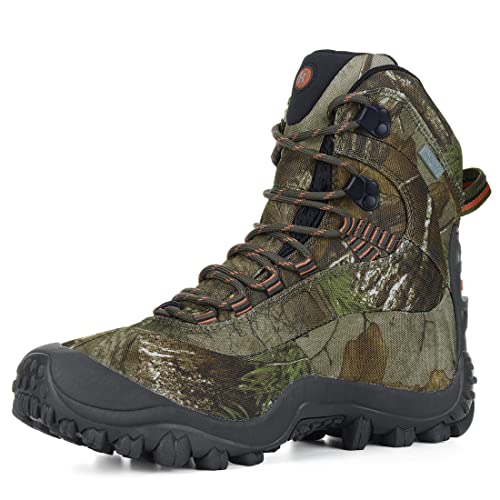
WATERPROOF: The boots are made from waterproof mesh upper and XPETI-DRY Membrane waterproof.Moisture-wicking mesh lining. Keeps your feet dry and warm during walks through mud and snow.
8. Baffin Impact
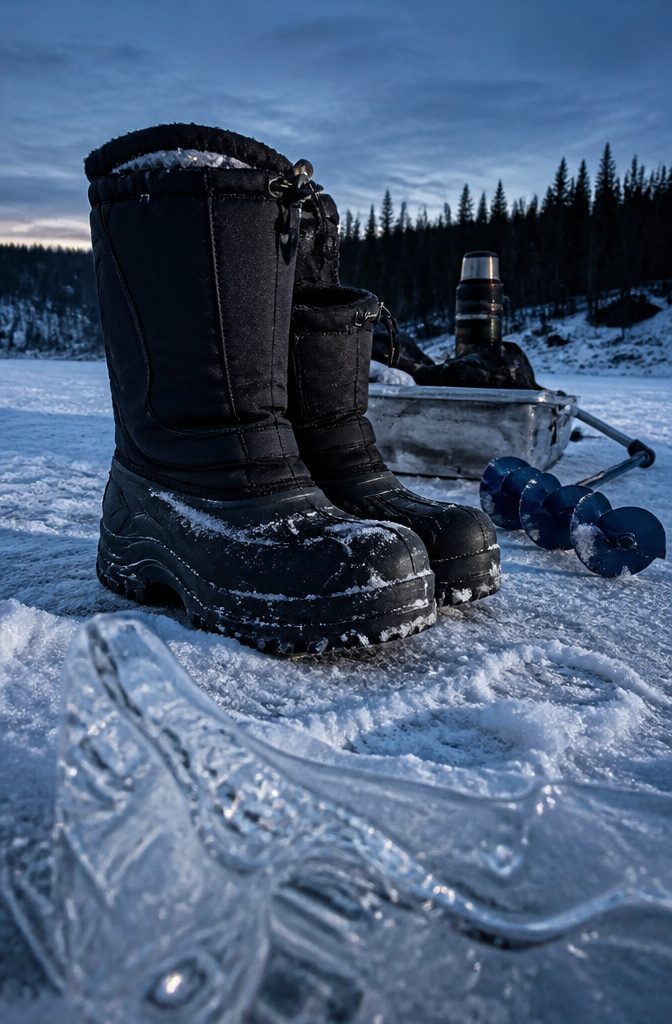
The eight-layer lining in the Baffin Impact puts this boot in a category of its own when the thermometer drops below -40°F or lower.
Testing claims put the comfort range somewhere between -49°F and -76°F, which aligns with what people working outdoors in Montana, Alaska, and the Upper Midwest report season after season.
At $260 for the men’s version, it is built for ice fishing, outdoor work, or any situation where you’ll stand or move slowly in sustained sub-zero cold rather than hike miles through it.
The shaft runs 15 inches on the men’s boot and 12 inches on the women’s, and a pair weighs over 7 pounds for men, close to 6 for women.
That bulk makes the Impact impractical for mild winter days or covering distance on foot. Breathability is minimal, and the women’s version costs more than the men’s.
Baffin’s own suggestion is to size down two sizes and buy the men’s boot instead. For temperature extremes that justify the weight and the price, this is the boot that does the job.
Recommended Products

Extreme Weather Performance: Kamik Men's Forester Insulated Rubber Boots are crafted to withstand harsh climates, featuring a 8mm removable liner for warmth. Designed for tough weather, these insulated hunting boots for men ensure comfort in frigid conditions
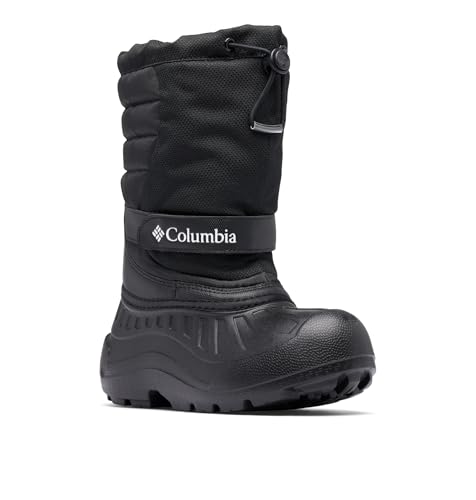
LIGHTWEIGHT WARMTH: Our most lightweight shell boot, offering a protective build that ensures they can play in the rain and snow longer.

✅Premium Water Repellant Upper Nylon Waterproof Outer Sole Snow Boots
9. Muck Boot Arctic Sport Tall
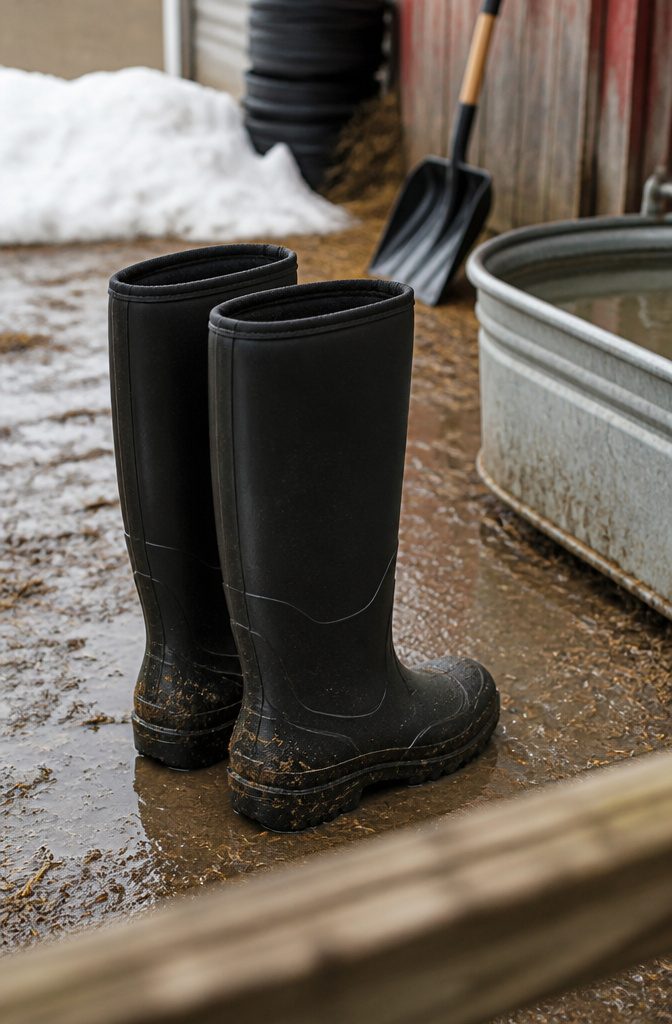
The Arctic Sport Tall is a rubber work boot built for standing water and deep snow.
The exterior is rubber throughout, with 5mm neoprene forming a flexible bootie inside and fleece lining against the skin. The men’s shaft reaches 16.5 inches, the women’s 16.9 inches: high enough that snow stays out even when you’re wading through drifts.
Muck Boot rates it for -40 to 40°F, and the neoprene holds warmth better than most insulated leather boots at this price.
The height makes it slow to pull on and off, and the rubber traps heat if you’re shoveling or walking more than a block or two. The sole grips mud and slush well but slides on smooth ice.
For less coverage, the Mid version drops to 13 inches in men’s sizing for $170, or 12.2 inches in women’s for $145. The Tall runs $175 for men, $155 for women.
Recommended Products
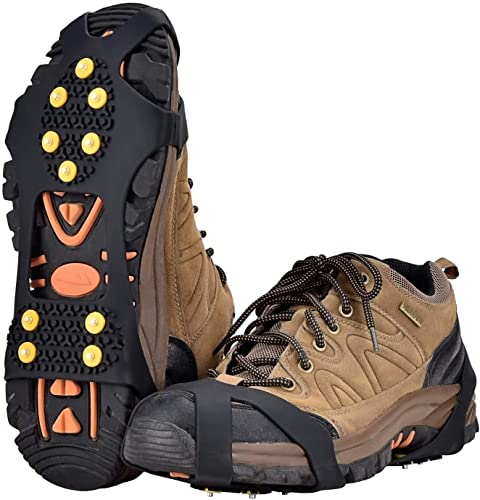
Size: L1[5.8*9 inch (US WOMEN:10-13/ US MEN:8-11)] **Fit for Men/Women,prevent slipping on snow and ice conditions,Anti Slip Crampons Slip-on Stretch Footwear

【CLEATS+STRAPS】The ice cleats made of elastic stretchable thermoplastic elastomer material, stretches to fit various types of shoes or boots, the extra fastened strap ensures a secure fit on shoes, offering lasting comfort and durability
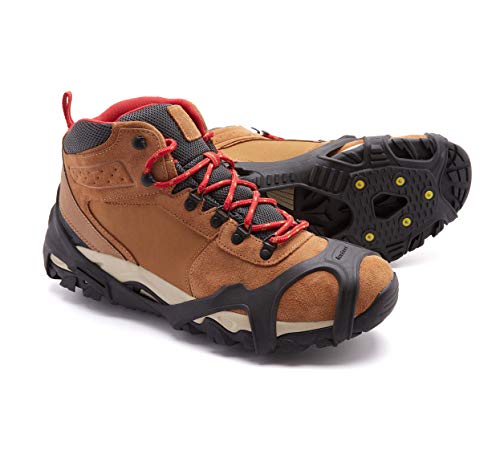
TUNGSTEN SPIKES – Prevent slips and falls this winter with our new and improved ICETRAX V3 Tungsten ice cleats. Designed in Canada for harsh winter conditions, these ice grippers feature 9 strategically placed Tungsten Carbide ice cleat crampons combined with our proprietary snow tread traction system for maximum traction on ice and snow. ICETRAX ice cleats help you to walk, run and work more confidently in slippery winter conditions without worrying about slipping.
10. KEEN Revel IV Polar
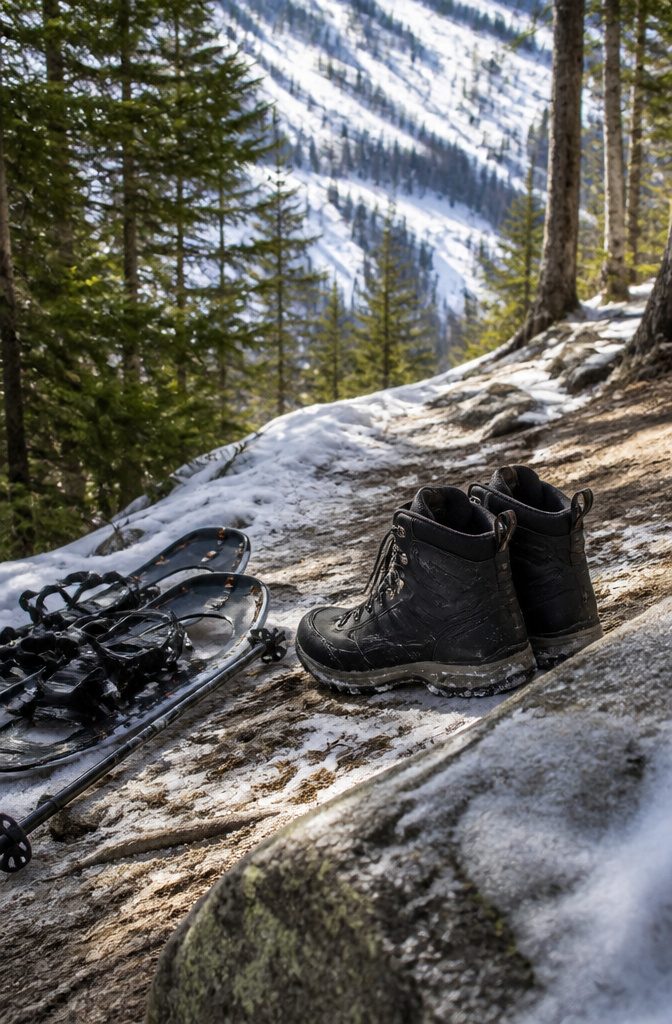
The Revel IV Polar handles moderate snow depth and active days without the bulk of taller winter boots.
The shaft sits at 8 inches, lower than dedicated snow boots but enough for most trail conditions, and KEEN added gaiter attachment points when deeper drifts show up.
Recycled synthetic insulation keeps feet warm during hiking and snowshoeing, though standing still in extreme cold will expose its limits. This boot earns its heat through movement.
The leather upper resists weather well, reinforced with a thick rubber toe cap and all-metal eyelets that survive regular trail abuse.
Double-stitched seams and pull tabs built to last make the $200 price hold up over seasons of use. Traction grips packed snow, dirt, and rock but loses purchase in loose snow and gravel.
Fit runs slightly wide. Narrow feet need the laces cinched tight, and the round laces slip loose easier than flat ones (worth swapping if you stop to retie mid-hike).
At 3 pounds total, the Revel IV Polar stays light enough for distance without giving up the structure active winter use demands.
11. BOGS Bozeman Tall
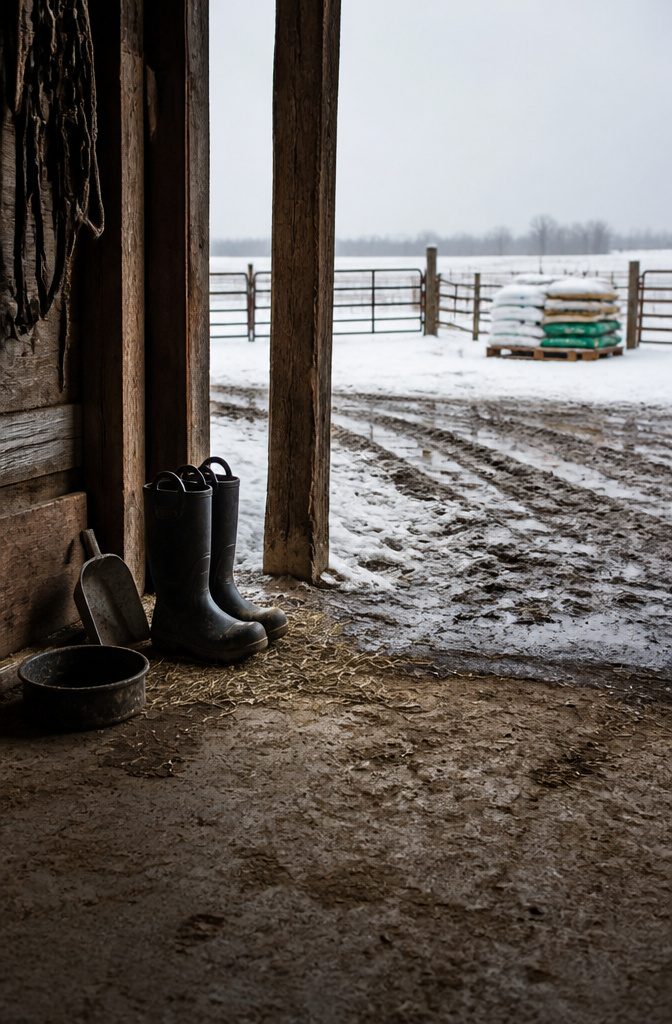
The Bozeman Tall delivers 7mm Neo-Tech neoprene that holds warmth even when soaked, which matters when you’re clearing a driveway or feeding livestock in slush.
The 15-inch shaft and rubber lower are welded seamlessly, so water stays out. At $185 and 4 pounds, these are boots for standing and chores rather than trail miles.
The weight and looser fit around the ankle work against hiking. The top handles, useful for pulling the boot on, also let snow and debris drop inside if you’re moving through deep powder.
Cushioning around the heel keeps the foot locked down during stationary work, and the supportive midsole takes the edge off concrete or frozen ground. Choose these if your winter involves wet, cold outdoor tasks rather than distance.
12. Salomon Crosstrak Powder
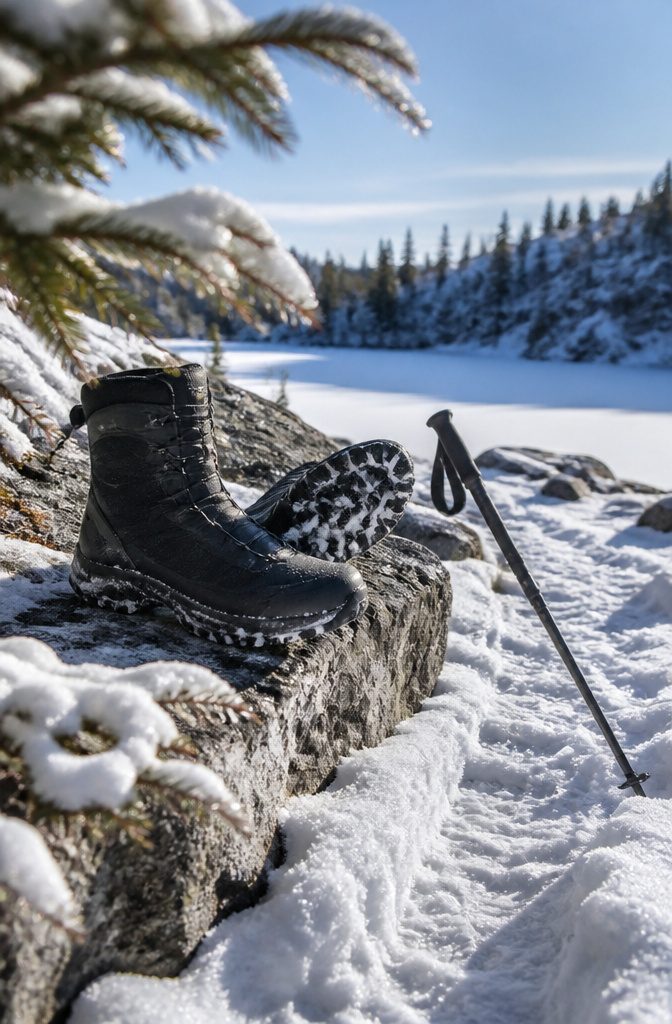
The Crosstrak Powder wins on traction.
The aggressive tread and wraparound midsole lugs grip icy sidehills and variable backcountry terrain better than anything else in this lineup, which matters when you’re snowshoeing into deep powder or crossing frozen ground that shifts between slush and ice.
The 7.25-inch shaft offers more coverage than most winter hikers, and the waterproof construction keeps feet dry through it all.
At 2 pounds 8 ounces and $200, this boot balances weight and warmth well enough for long trail days. Primaloft insulation holds steady for active use down to zero degrees: not the warmest here, but enough if you’re moving.
The quicklace system tightens with a pull but can be awkward with gloves on, and the boot runs large, so size down.
Best for hikers and snowshoers who need serious grip and don’t mind fussing with laces.
13. The North Face Vectiv Fastpack Insulated
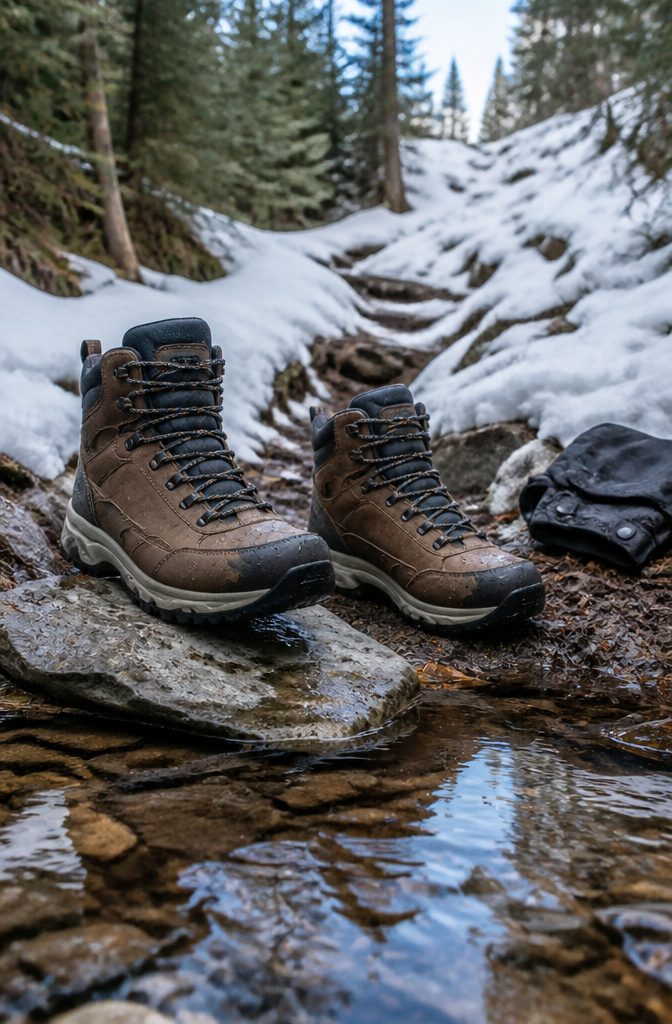
The Vectiv Fastpack Insulated works for hikers who cover distance fast and stay moving.
The 200-gram synthetic insulation kept feet comfortable during active hiking in single-digit temperatures, which is light for that kind of warmth. The boot weighs 2 pounds and sits at 6.5 inches tall, so the ankle opening lets snow in during deep powder.
That height trade-off buys you speed: the rockered sole rolls through each step instead of feeling clunky, and the high-rebound EVA midsole holds comfort over long miles. Leather construction and a DryVent membrane kept water out through creek crossings.
Traction holds on packed snow and mixed surfaces but slips a bit in loose, sugary snow. The boot costs $185 and suits hikers who want trail-runner energy in winter without sacrificing protection.
14. Scarpa Moraine Polar GTX
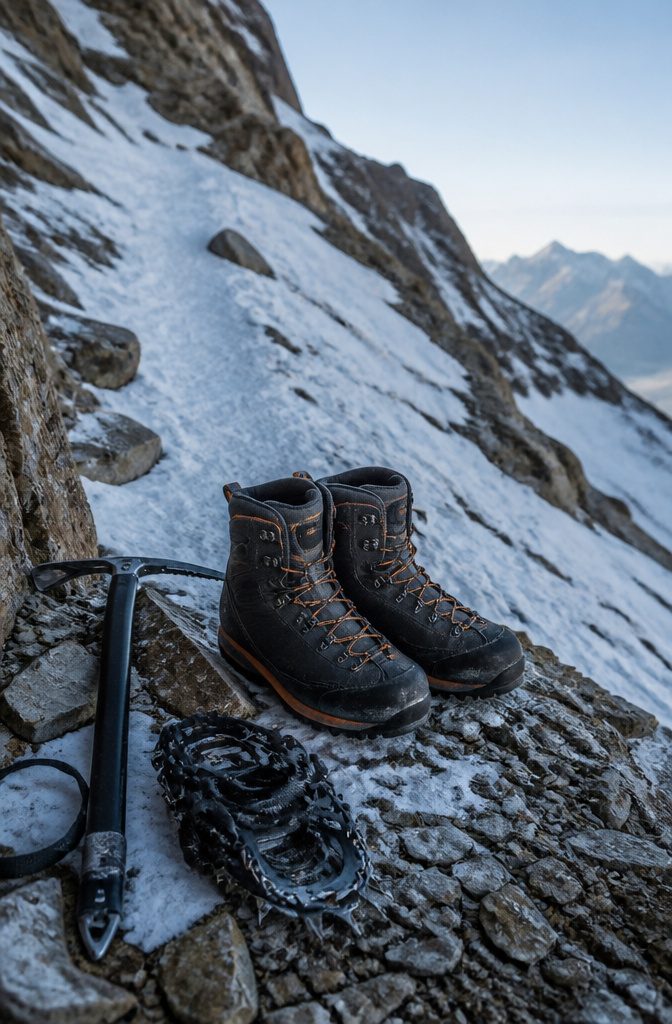
The Scarpa Moraine Polar GTX is built for the kind of winter terrain that makes most trail boots quit.
The sole is extremely stiff (closer to a light mountaineering boot than anything you would wear on flat trail), which means it excels at kicking steps into firm snow or edging across icy slopes.
That rigidity pairs well with traction devices when conditions get technical. At $219, the boot weighs 2 lb.
6 oz. and sits 6 inches tall with 200g synthetic insulation and a GORE-TEX Storm Laminate for waterproofing. The leather upper and rubber rand have held up to sharp rock and abrasive scree with minimal wear.
Where it falters: the rigid heel cup, narrow fit, and minimal midsole cushioning make long miles on mellow terrain uncomfortable, and the shorter cuff does not suit deep-snow travel.
If your winter outings involve steep, technical ground rather than flat trails, the Moraine Polar delivers.
15. Columbia Fairbanks
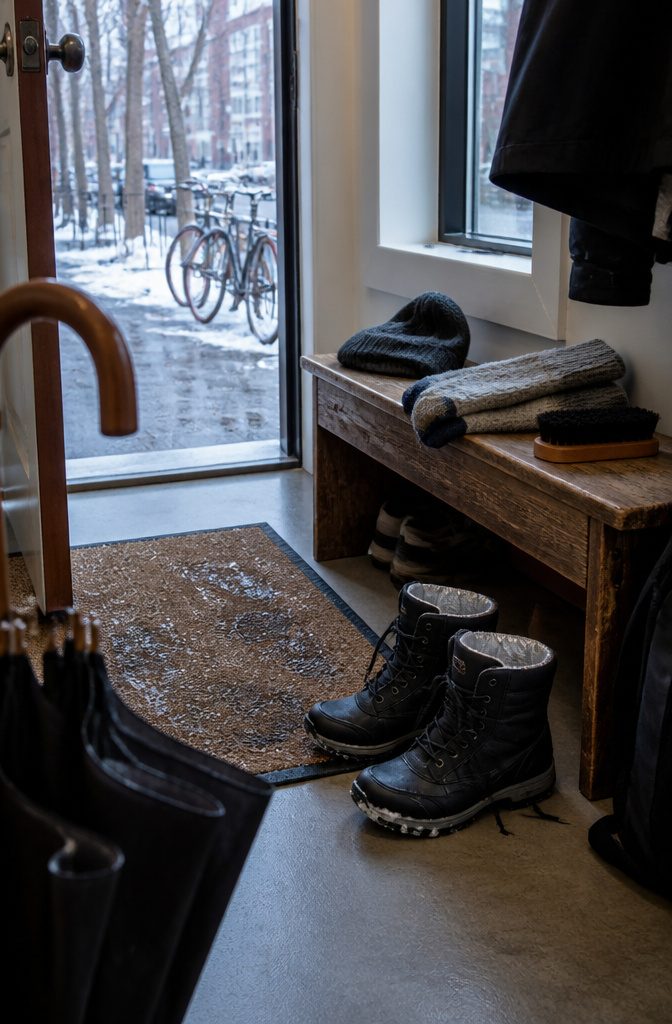
The Fairbanks runs $130 and weighs just over 2 pounds, which puts it on the lighter end for insulated winter boots.
Columbia built it with 200 grams of synthetic insulation plus their Omni-Heat reflective lining, a combination that keeps feet warm when you’re moving but stays breathable enough that you won’t cook inside them.
With thick socks, the boot holds up fine unless the thermometer drops below freezing or you’re standing still for a while.
What makes the Fairbanks work is how flexible it feels. The boot moves easily and fits relaxed rather than locked-down, so it’s comfortable for errands, casual trail walks, and anything around town.
That same flexibility is why it’s not the right pick for snowshoeing or technical winter hiking. It doesn’t have the stiffness or ankle support those need.
Traction is minimal, and the mid-height shaft needs gaiters if you’re wading through deep snow. But for active, short-distance wear in wet and cold conditions, the boot does the job without overbuilding.
Frequently Asked Questions
What are the warmest winter boots for extreme cold?
The Baffin Impact handles extreme cold best, rated comfortable between -49°F and -76°F with an 8-layer lining system.
The Muck Boot Arctic Sport Tall works down to -40°F with 5mm neoprene and fleece lining. Both are built for standing in sub-zero temperatures rather than active hiking.
What is the best winter boot for deep snow?
The Muck Boot Arctic Sport Tall has the highest shaft at 16.5 inches for men and 16.9 inches for women, keeping snow out even in deep drifts.
The Baffin Impact runs 15 inches tall on the men’s version and 12 inches on the women’s. Both use fully waterproof construction that seals out moisture completely.
What winter boots are best for hiking?
The Salomon Crosstrak Powder grips icy terrain better than any other boot here, with aggressive tread and wraparound lugs that handle variable backcountry conditions.
The North Face Vectiv Fastpack Insulated weighs just 2 pounds and uses a rockered sole that rolls through each step, making it fastest for covering distance.
The Scarpa Moraine Polar GTX works best on steep, technical ground with its stiff sole built for kicking steps into firm snow.
Are winter boots waterproof?
Rubber boots like the Muck Boot Arctic Sport and BOGS Bozeman are fully sealed.
Leather boots like the Sorel Caribou and KEEN Revel IV use waterproof membranes with sealed seams. The Scarpa Moraine Polar GTX and others use GORE-TEX or similar breathable waterproof layers.
How much do good winter boots cost?
Budget options start at $100 for the Kamik Nation Plus and $110 for the Momentum 3.
Mid-range boots run $150 to $200, including the Merrell Thermo Chill 2, Columbia Fairbanks, and Salomon Crosstrak Powder. Premium boots cost $250 to $295, like the Ugg Adirondack XXV and Blundstone Thermal.
What winter boots are best for standing outside?
The Sorel Caribou uses a removable 9mm felt liner that kept feet warm through hours at -10°F without movement.
The Baffin Impact handles standing in temperatures between -49°F and -76°F with its 8-layer lining. The BOGS Bozeman Tall works well for stationary outdoor chores with 7mm neoprene that holds warmth when wet.
How tall should winter boots be?
Shaft height ranges from 6 inches on casual boots like the Blundstone Thermal to 16.9 inches on the women’s Muck Boot Arctic Sport Tall.
Most trail boots sit at 6.5 to 8 inches, enough for moderate snow with gaiters. Deep snow and outdoor work call for 10 to 16 inches to keep moisture out.
How much should winter boots weigh?
Lightweight hiking boots like the Columbia Fairbanks and North Face Vectiv Fastpack weigh just over 2 pounds.
Mid-weight options run 2.5 to 3.5 pounds. Heavy-duty cold-weather boots like the Sorel Caribou exceed 5 pounds and the Baffin Impact weighs over 7 pounds for men, trading mobility for extreme warmth.